
Marsala
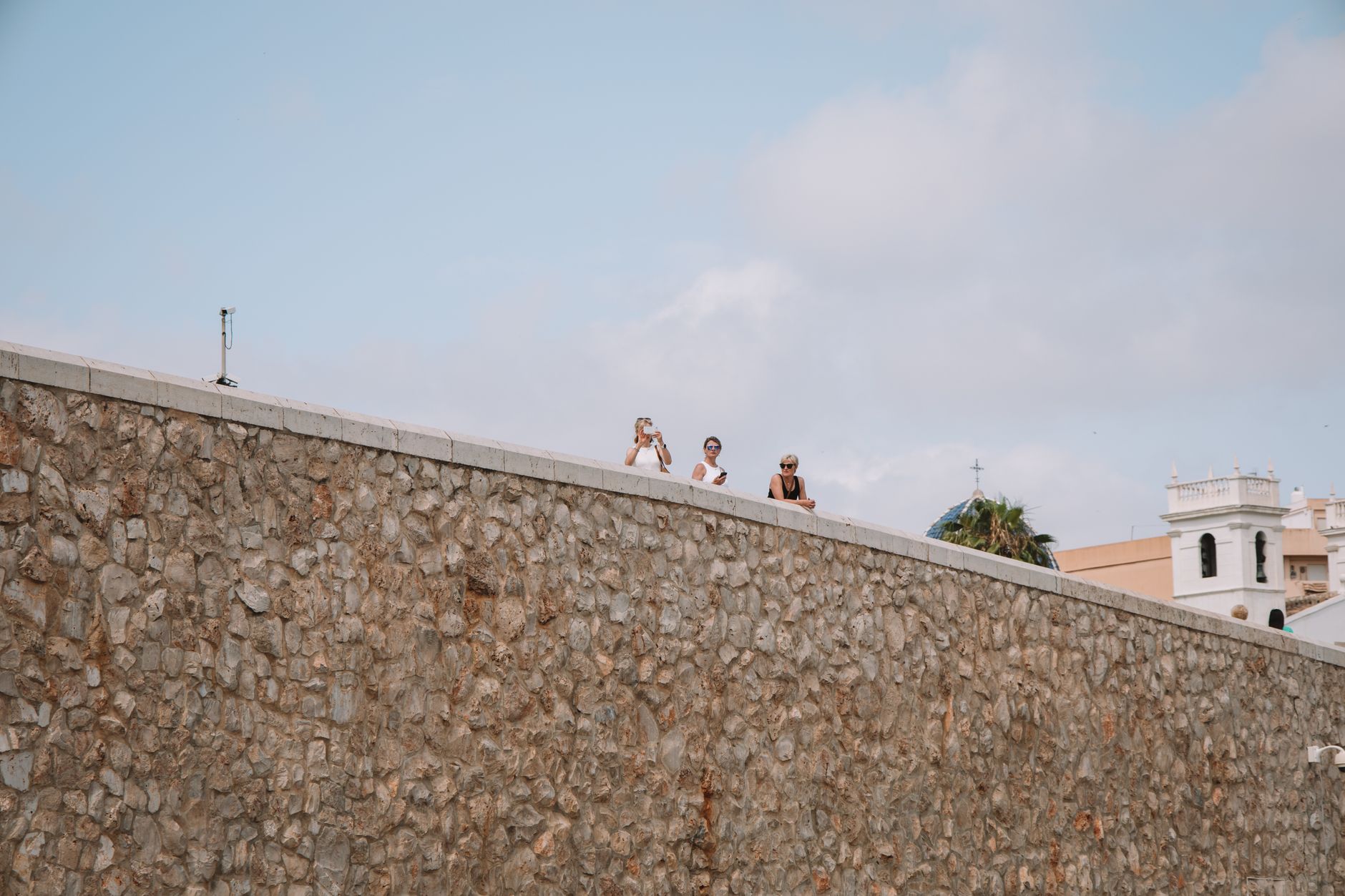
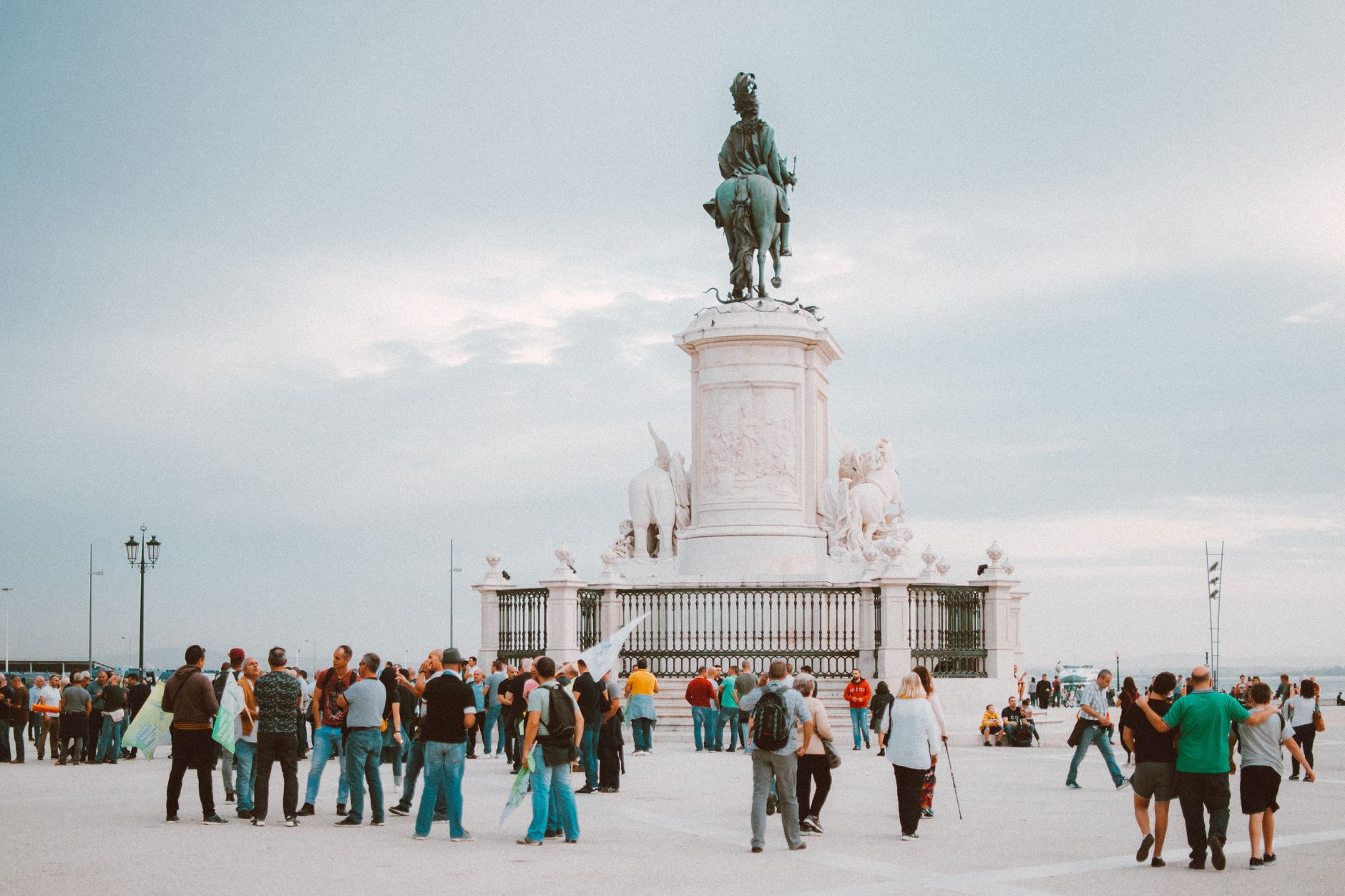
Marsala sits at the western tip of Sicily with its back to the salt flats and its face to the sea, and the first thing you notice is the light — flat, white, Mediterranean light that makes the old stone glow like warm bread. The historic centre is small enough to cross on foot in an afternoon, but dense with two and a half millennia of layered occupation: Phoenician survivors, Roman conquerors, Saracen sailors who gave the town its name, Norman cathedral-builders, English wine merchants, and Garibaldi's Thousand, who landed here on 11 May 1860 and changed the shape of Italy.
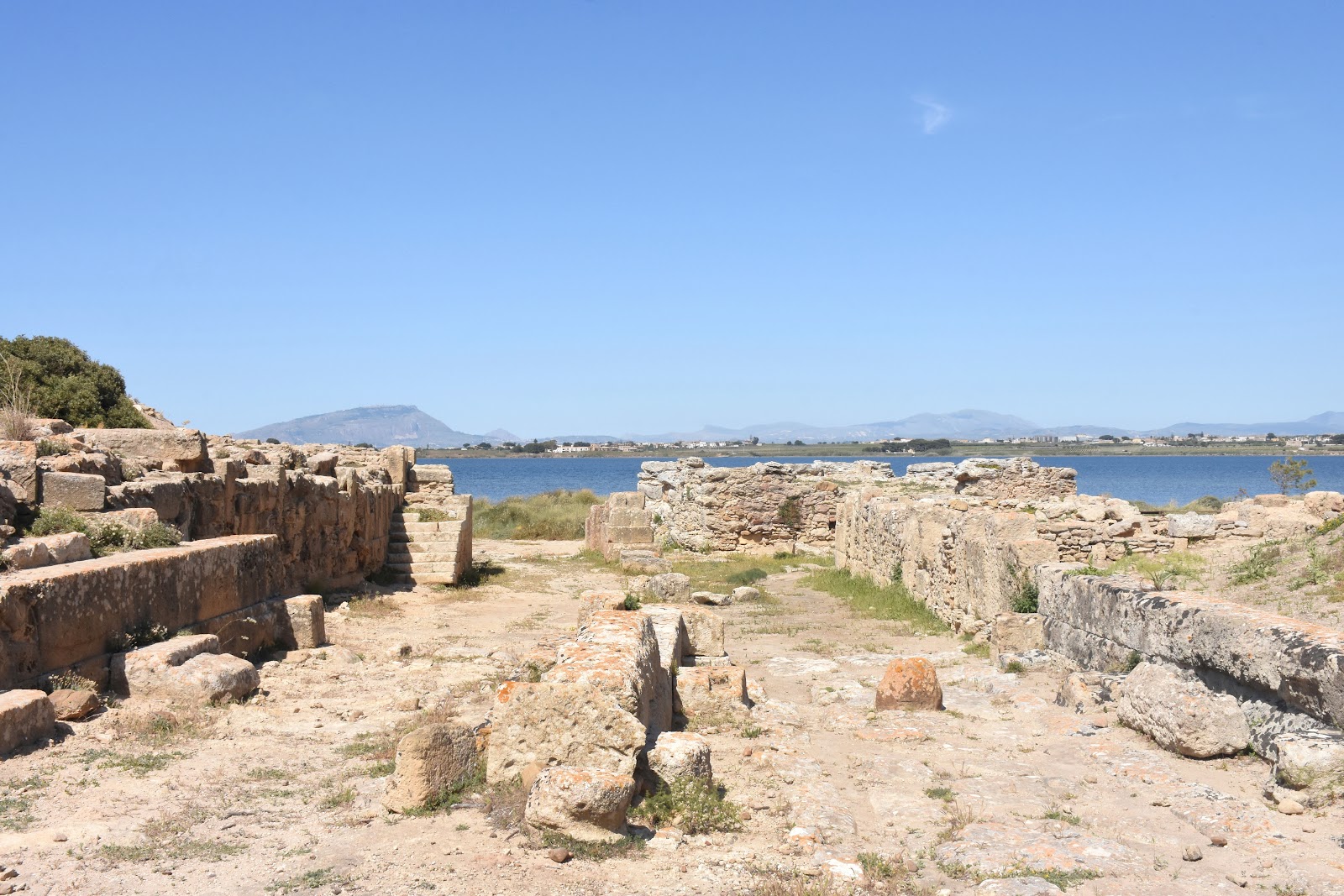
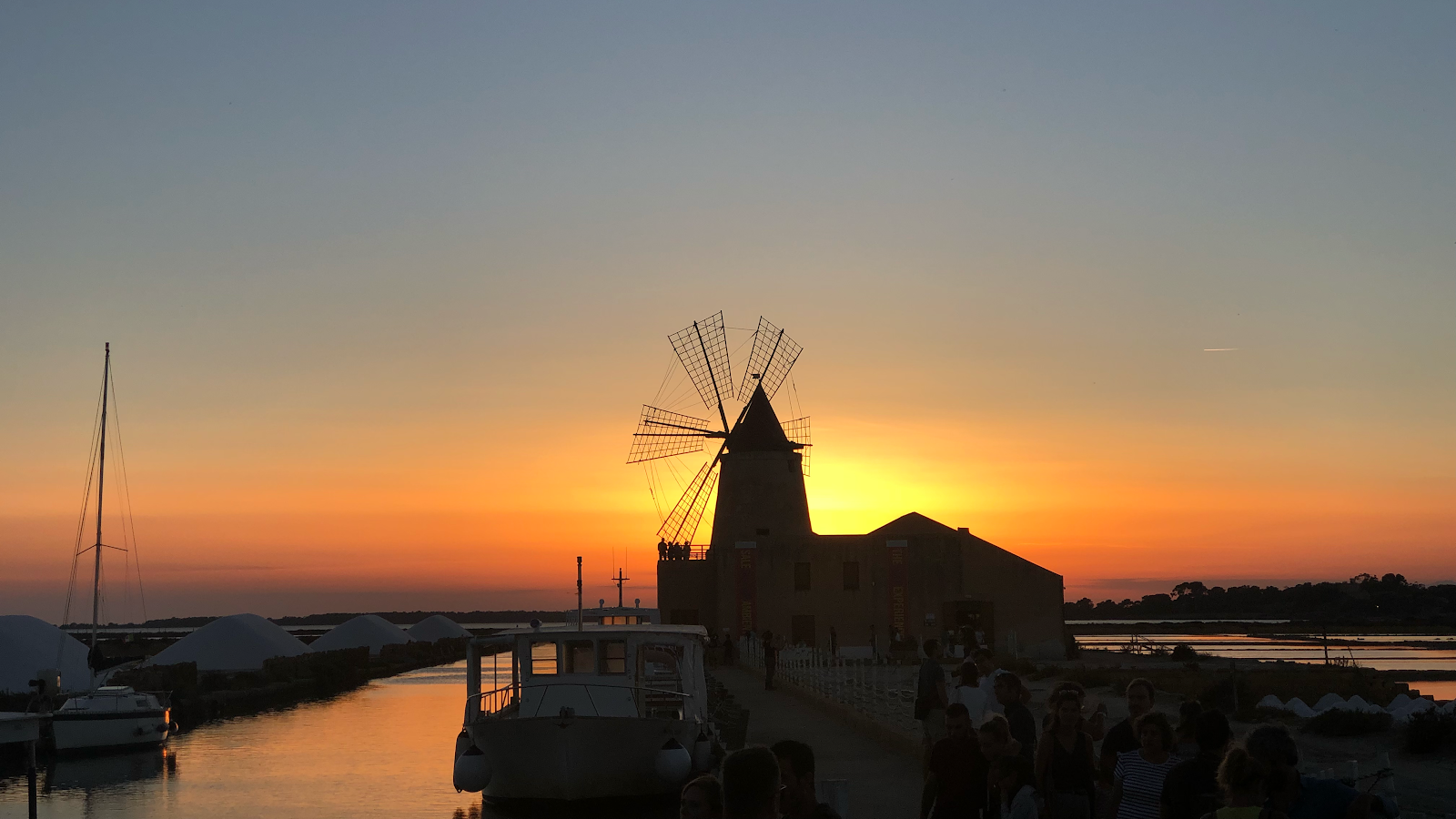
The wine is real and the history is serious, but Marsala wears neither heavily. The pace is unhurried, the streets are manageable, and the Stagnone Lagoon just north of town — two thousand hectares of shallow, hypersaline water holding the ghost of a Phoenician city on the island of Mozia — gives the whole place an ancient, slightly otherworldly backdrop.
💛 What travellers fall for
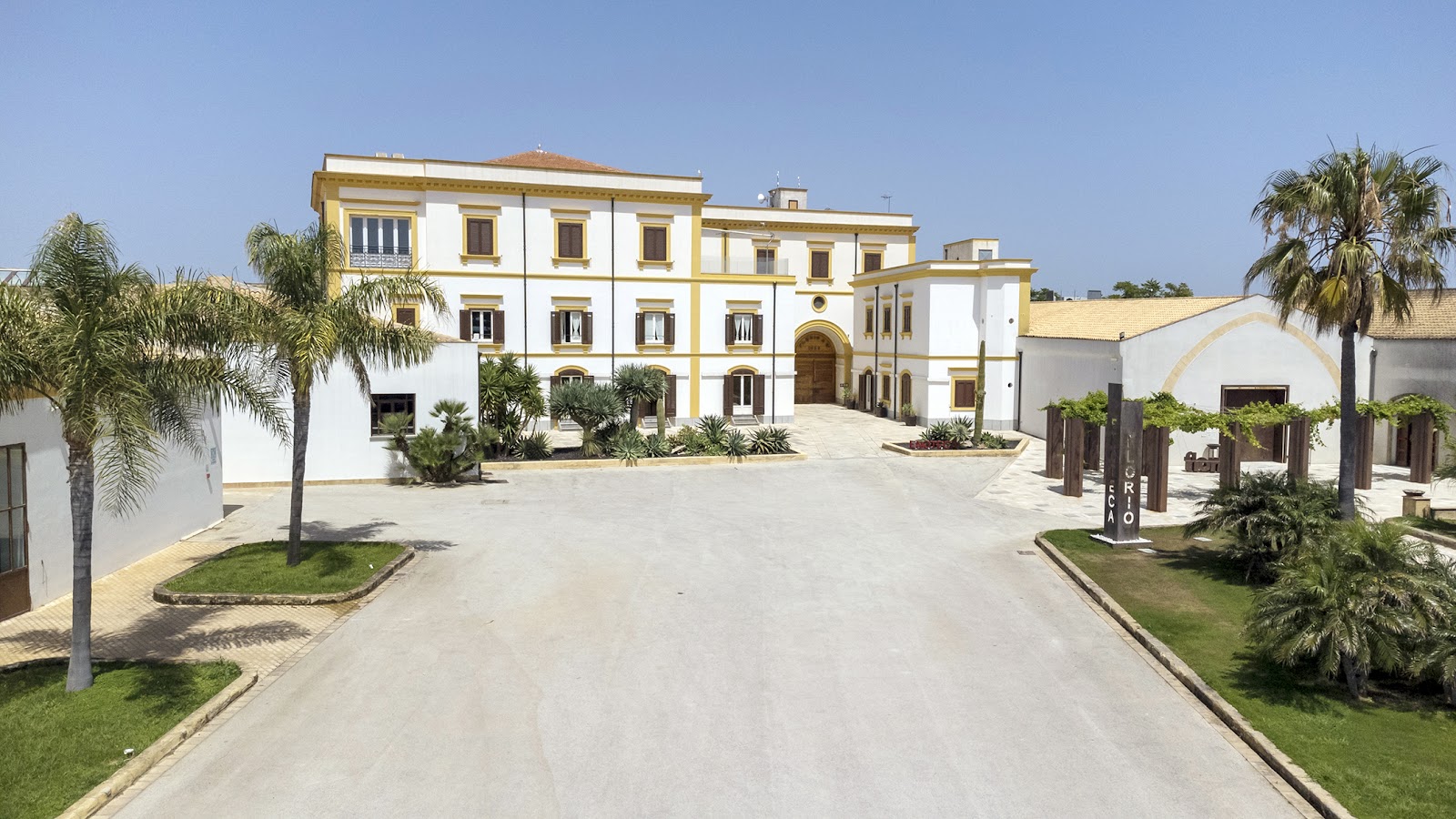
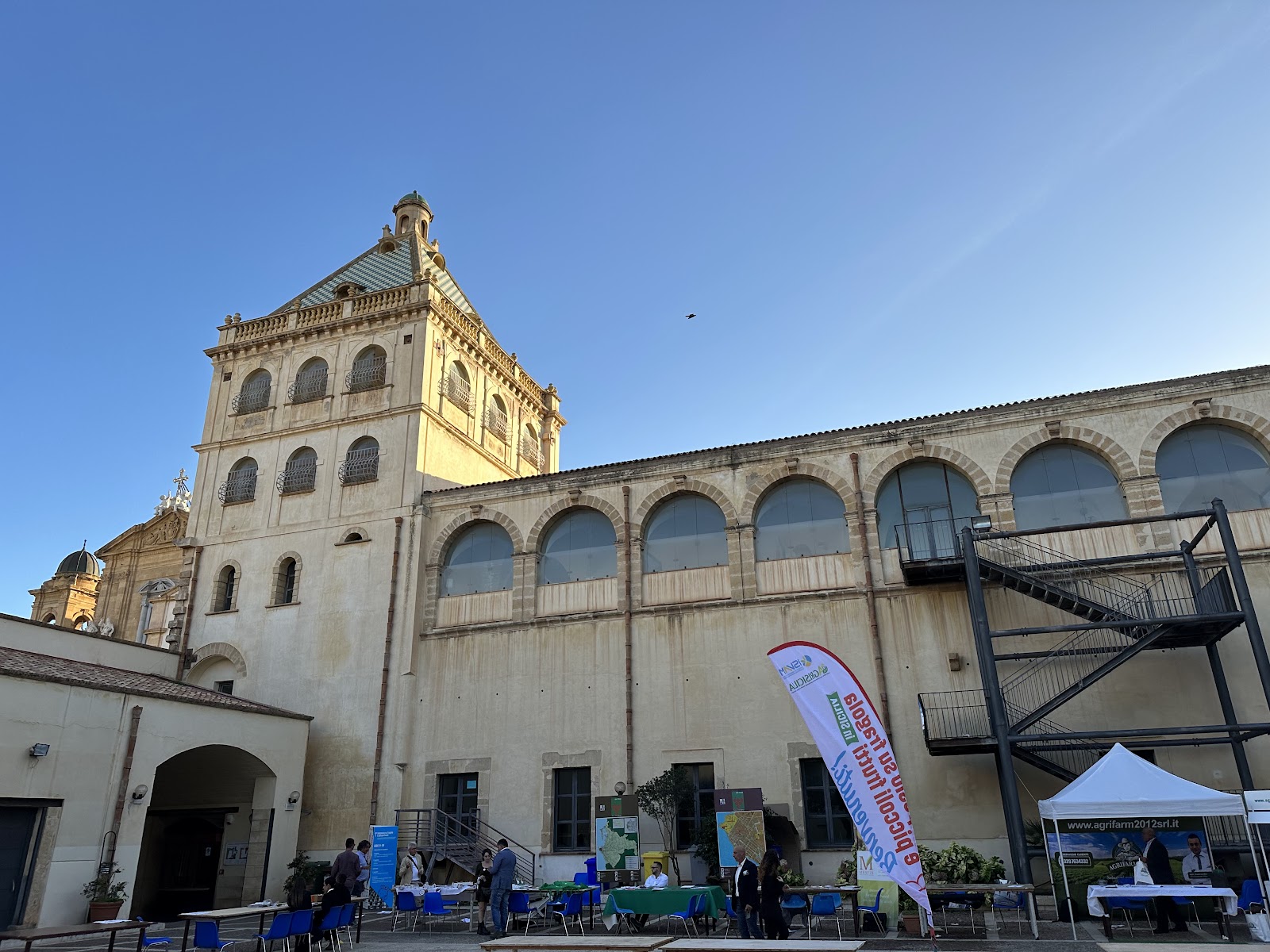
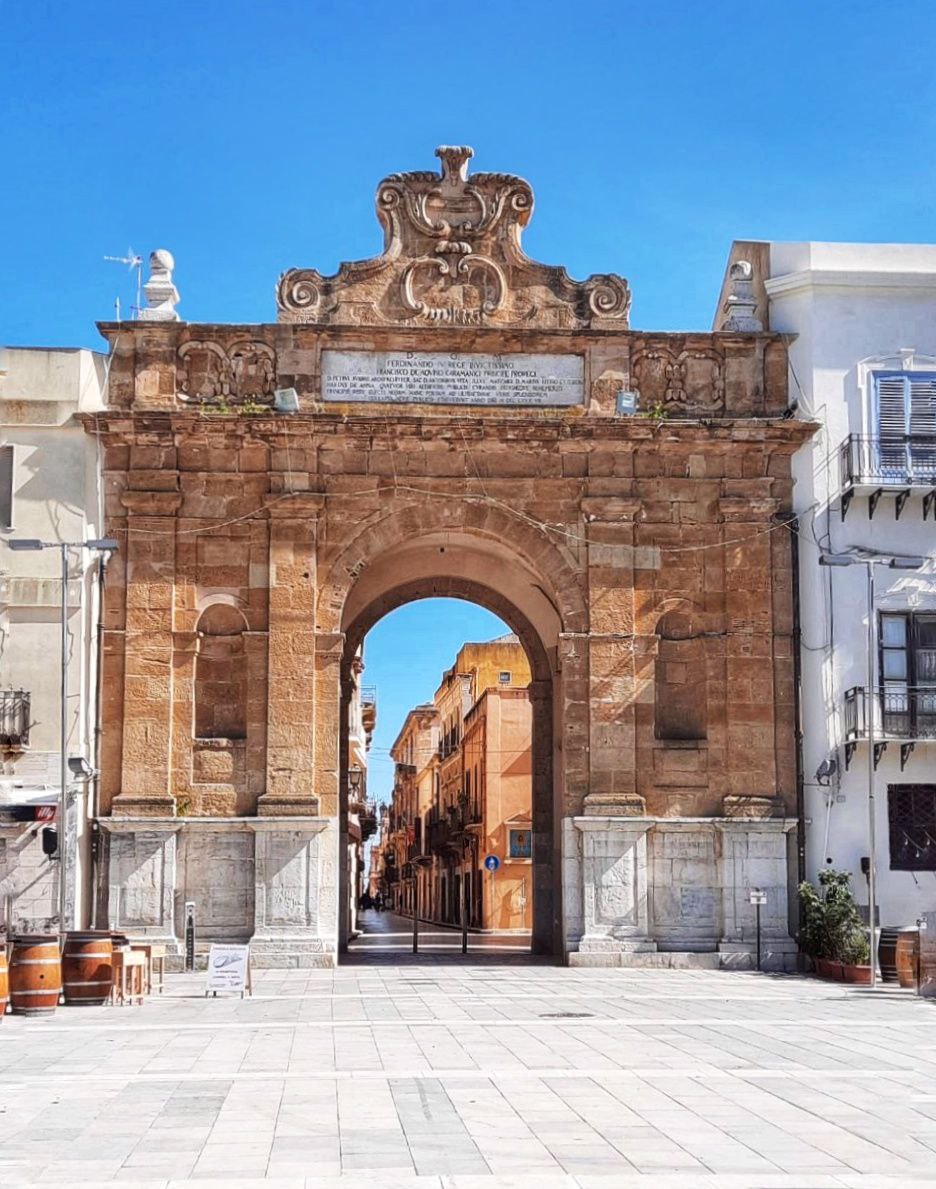
People who come back tend to time a visit to Cantine Florio in the late afternoon, when the sea light comes through the windows of the old cellars. They also make a point of walking through Porta Garibaldi at least once — not for ceremony, but because knowing what happened there on 11 May 1860 makes the stone feel different under your hand.
Deals in Marsala
Book directly at the provider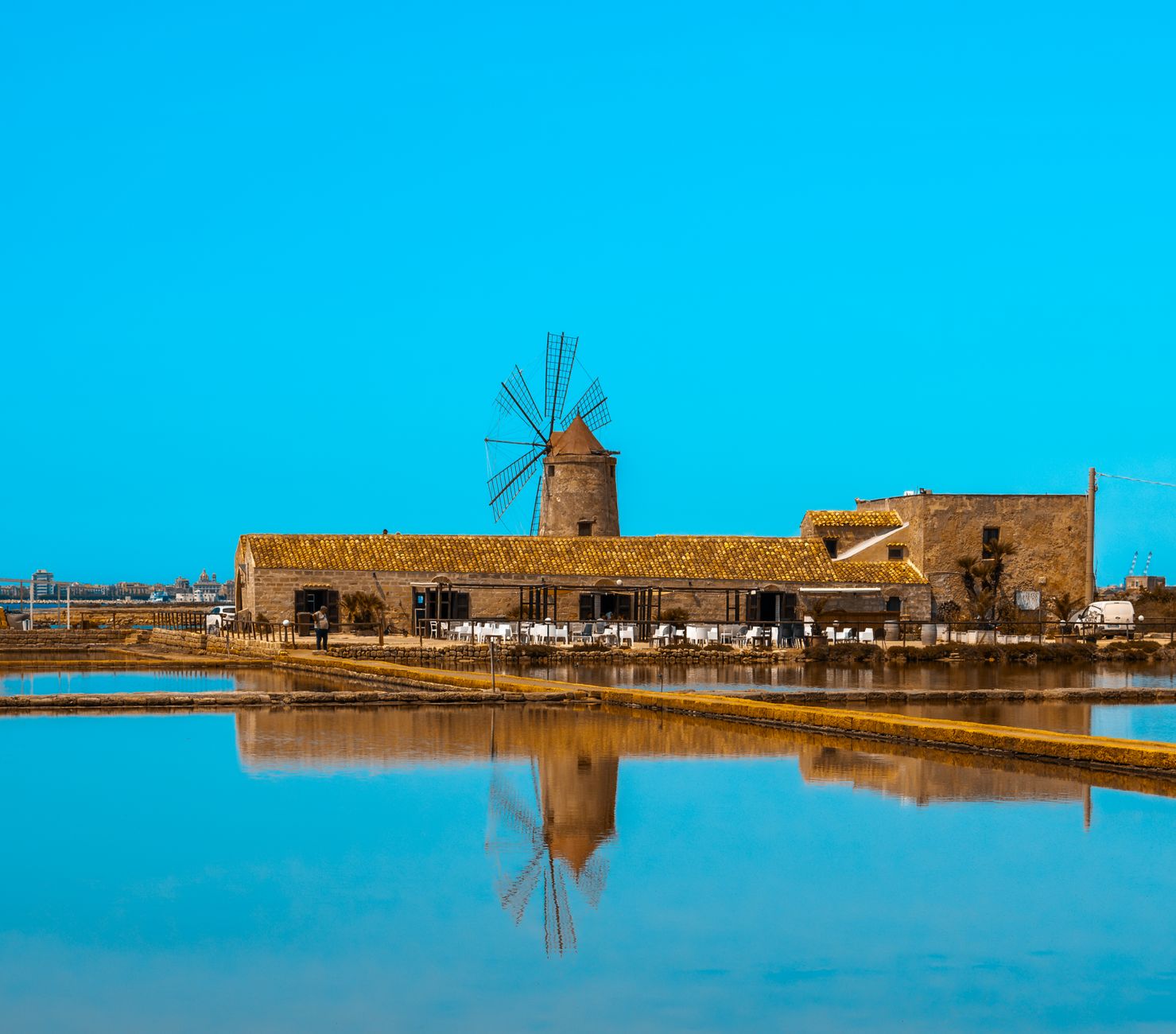
How Marsala came to be
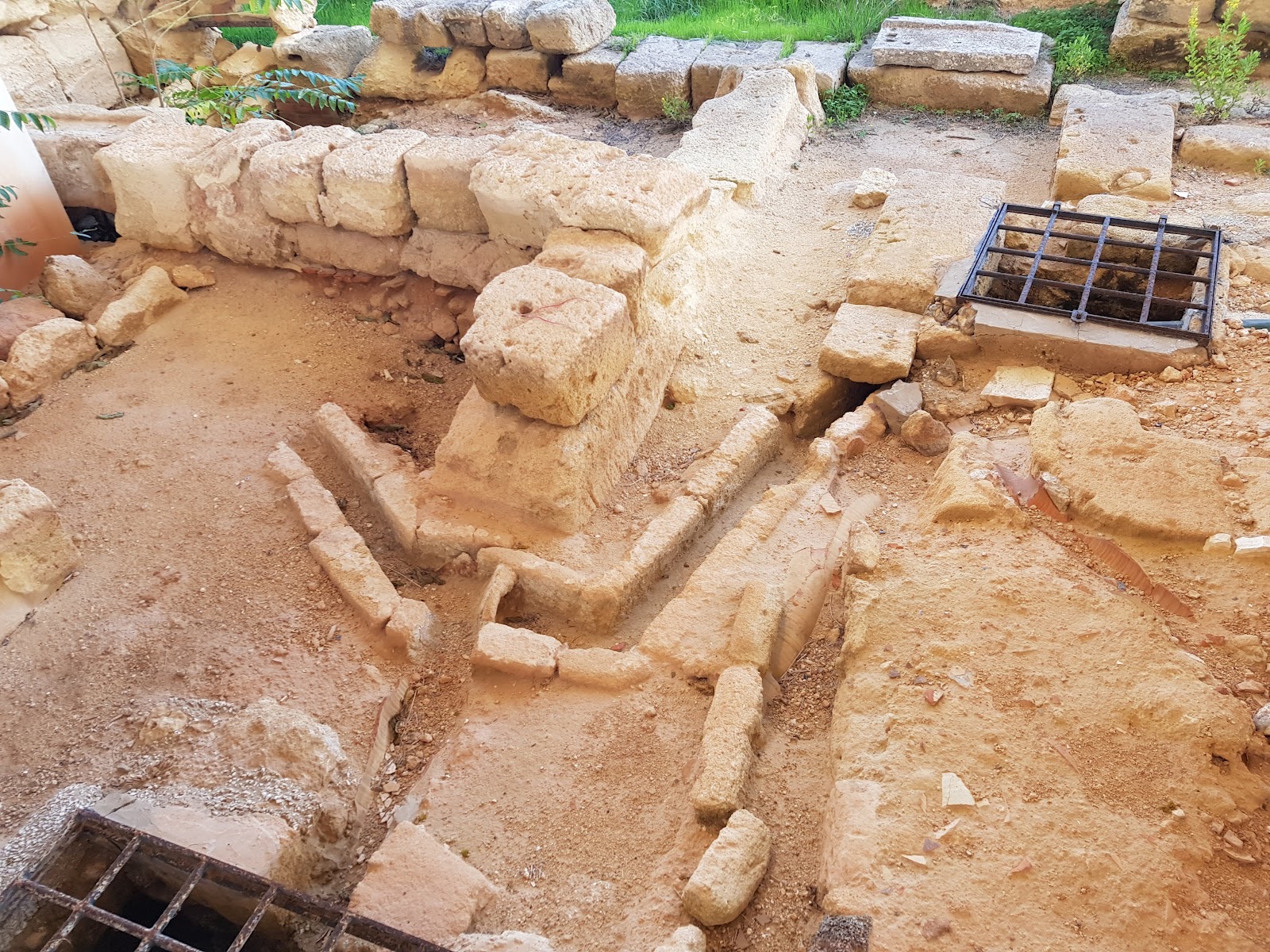
The city began as an act of survival. In 397 BC, Dionysius I of Syracuse destroyed the Phoenician island colony of Motya just offshore. The survivors crossed to the mainland and founded Lilýbaion — a city that proved difficult to kill, resisting sieges by Pyrrhus of Epirus and holding out against Rome until the end of the First Punic War in 241 BC. Under Saracen rule it became Marsa ʿAlī, the harbour of ʿAlī, and the Arabic root stuck. Charles V dealt a blow in the 16th century by destroying the old harbour to deny it to pirates, and the town contracted.
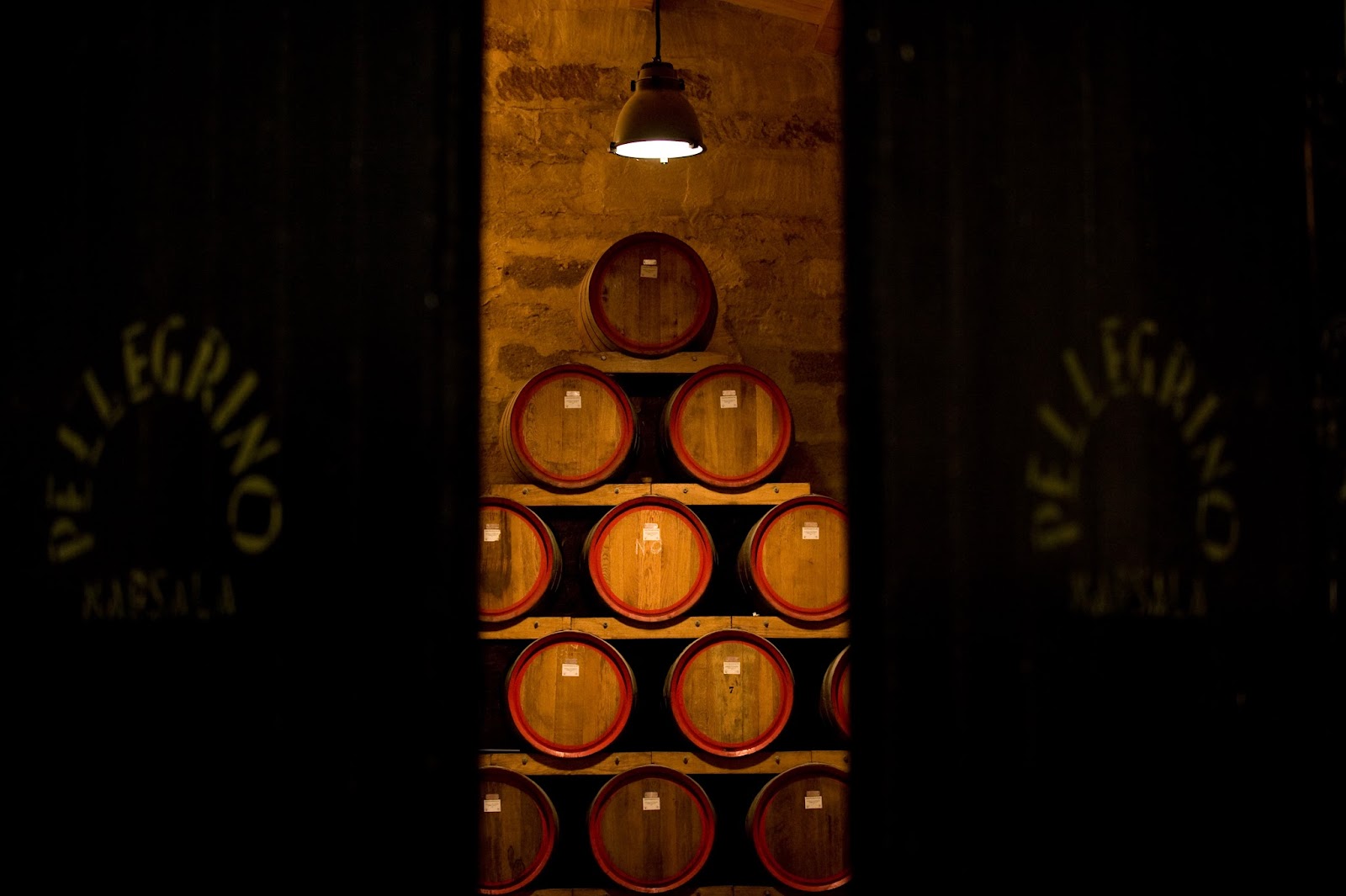
The reversal came from an unlikely direction. Around 1773, a Liverpool merchant named John Woodhouse arrived and recognised that the local wine, fortified with grape spirit to survive long sea voyages, had commercial potential. He built a trade. Vincenzo Florio followed with his own cellars in 1833. By the time Garibaldi marched through Porta Garibaldi eighty-seven years later, Marsala was already on the map for reasons that had nothing to do with military strategy.
Who and what shaped it
People who shaped it
Landmark buildings
See Marsala in motion
Plan your visit
On the map
When to go
Summers are hot and reliably dry — June through August regularly exceeds 30°C, and the western light is intense. Spring and autumn are the more comfortable seasons for walking the centre and visiting the lagoon; winters are mild and occasionally wet but rarely cold.
Right now
↡ Attractions


Background & history adapted from Wikipedia (CC BY-SA) · specs from Wikidata (CC0) · weather from Open-Meteo · map data © OpenStreetMap contributors · photos from Wikimedia Commons / Unsplash with per-image credit. No third-party reviews or social posts reproduced.