
Marmaris
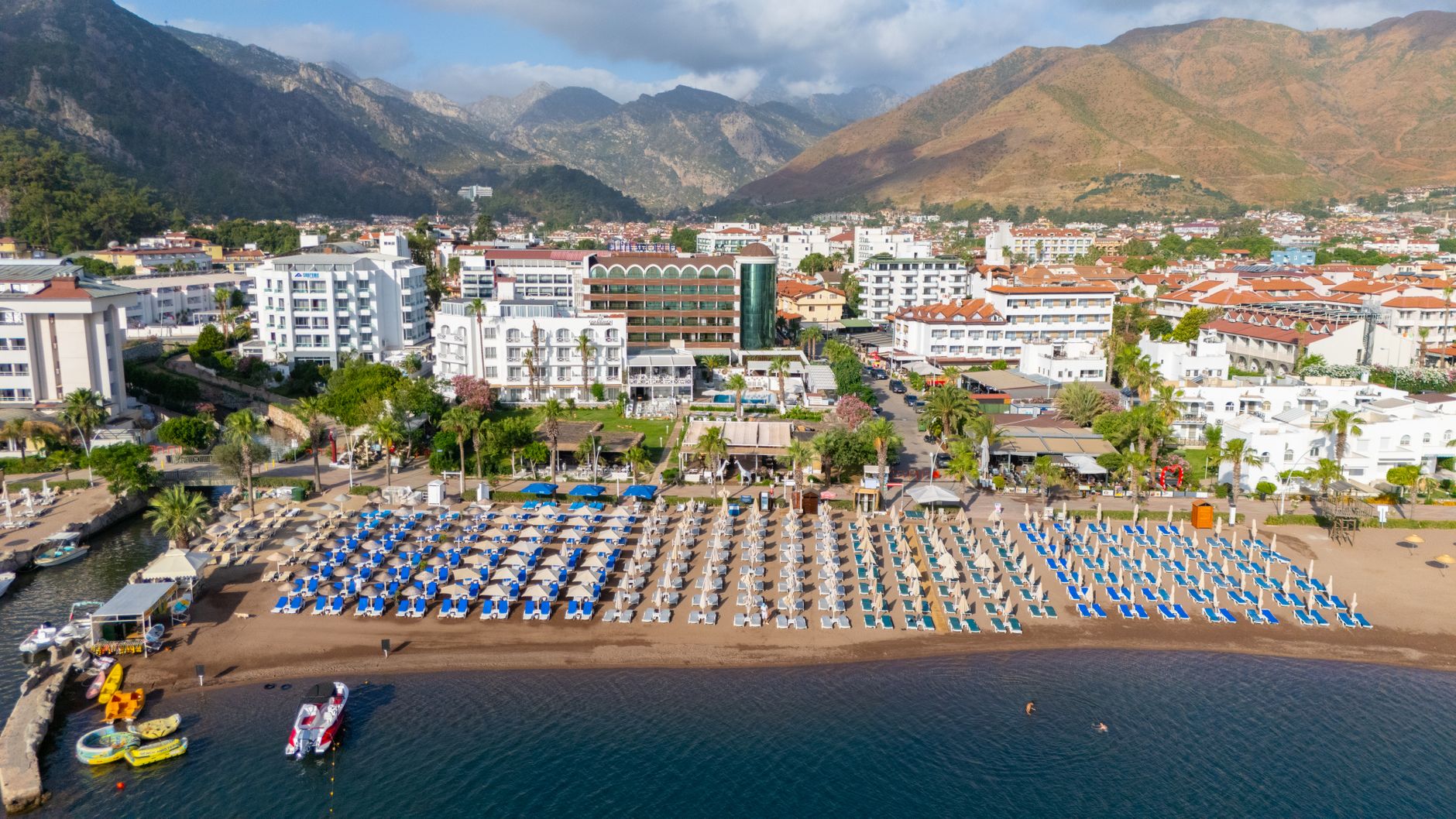
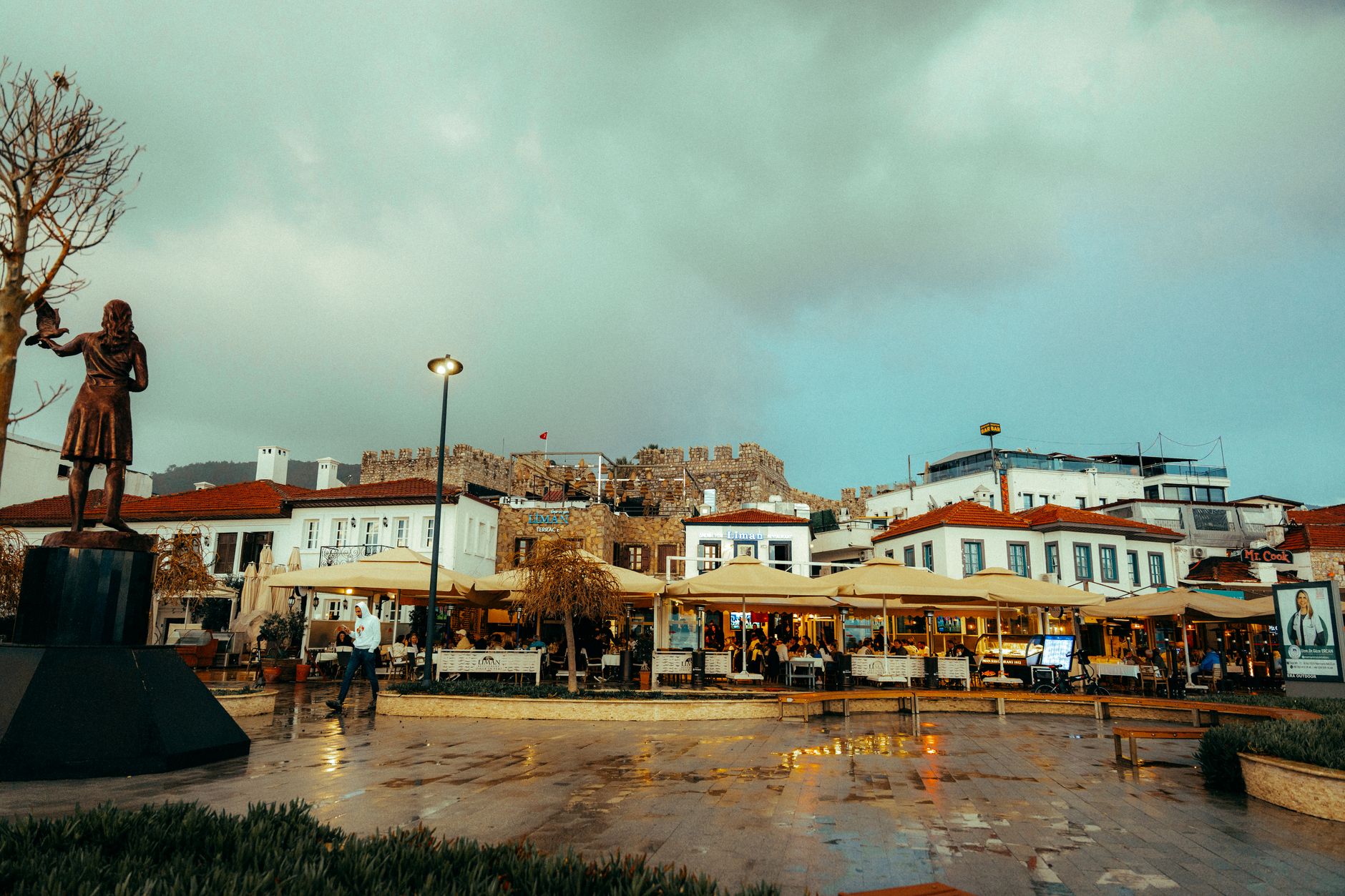
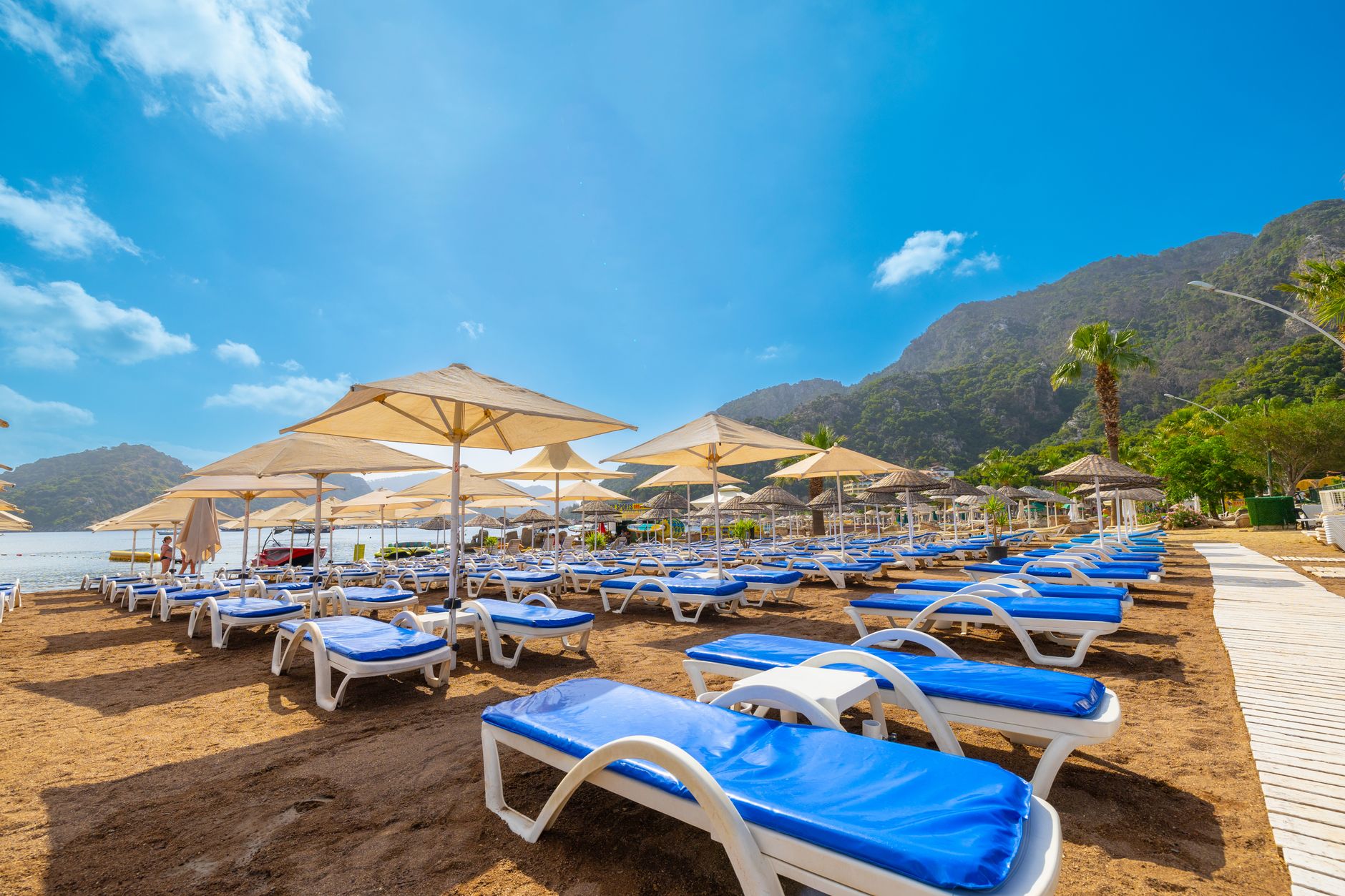
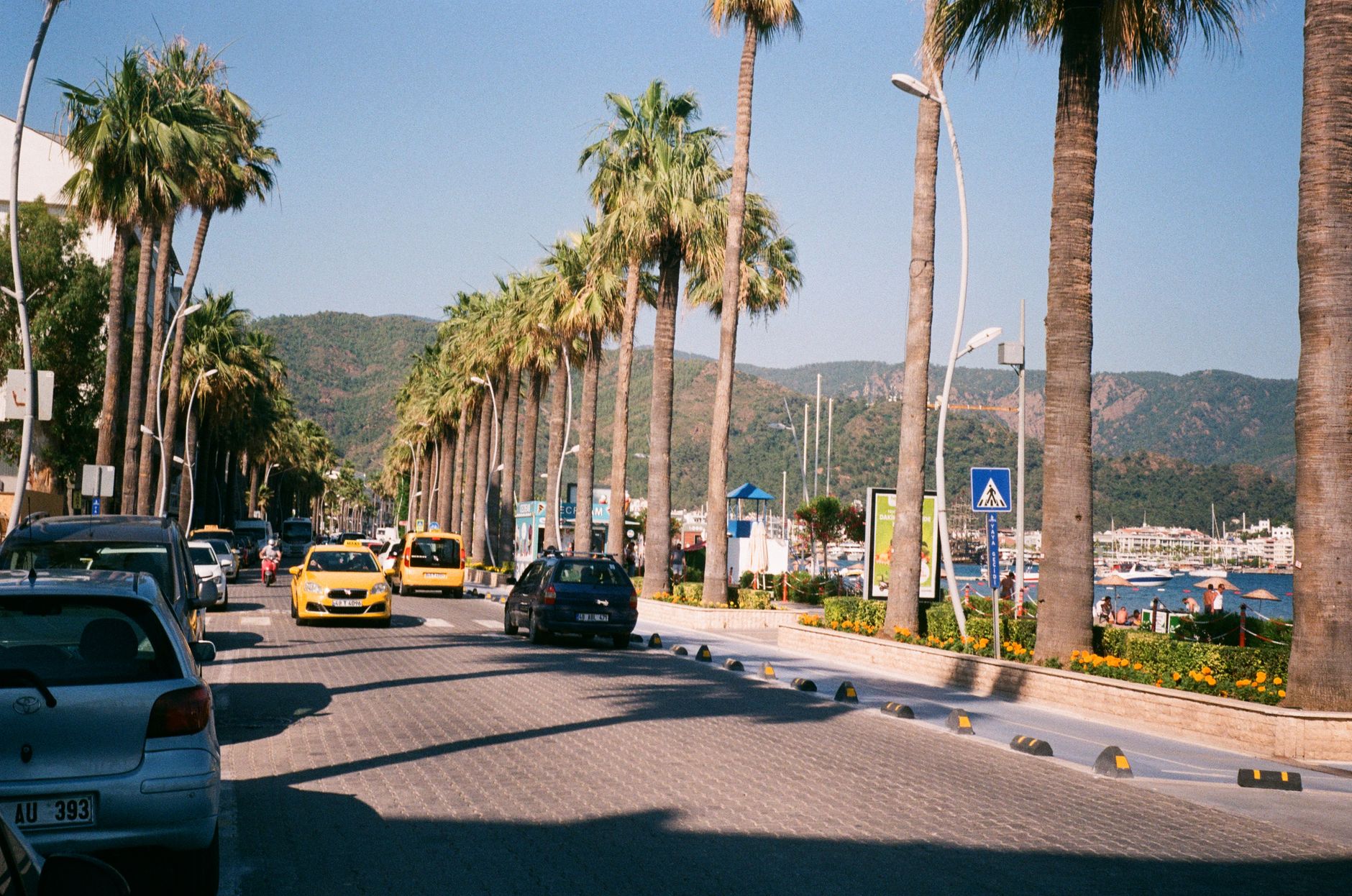
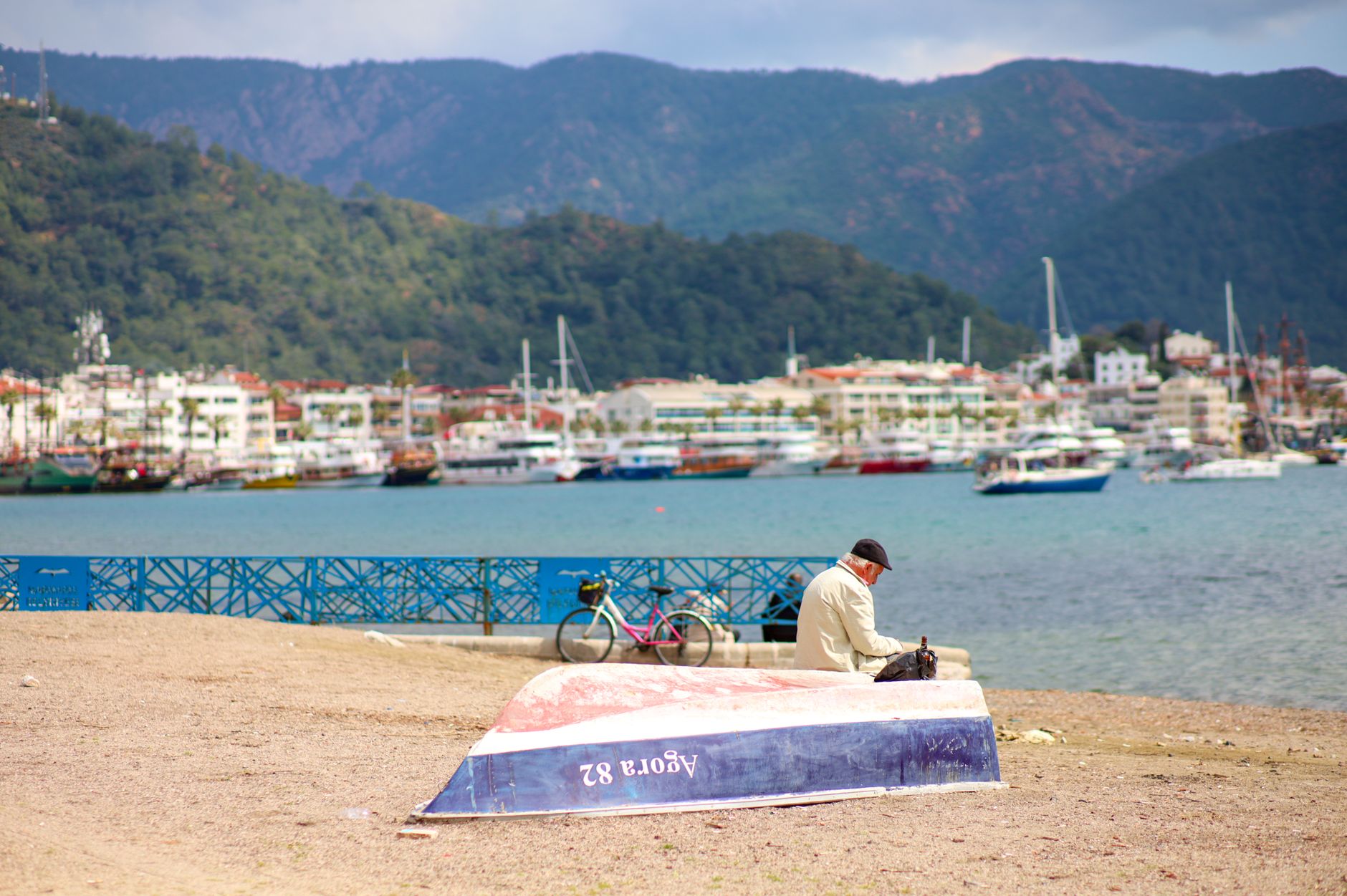
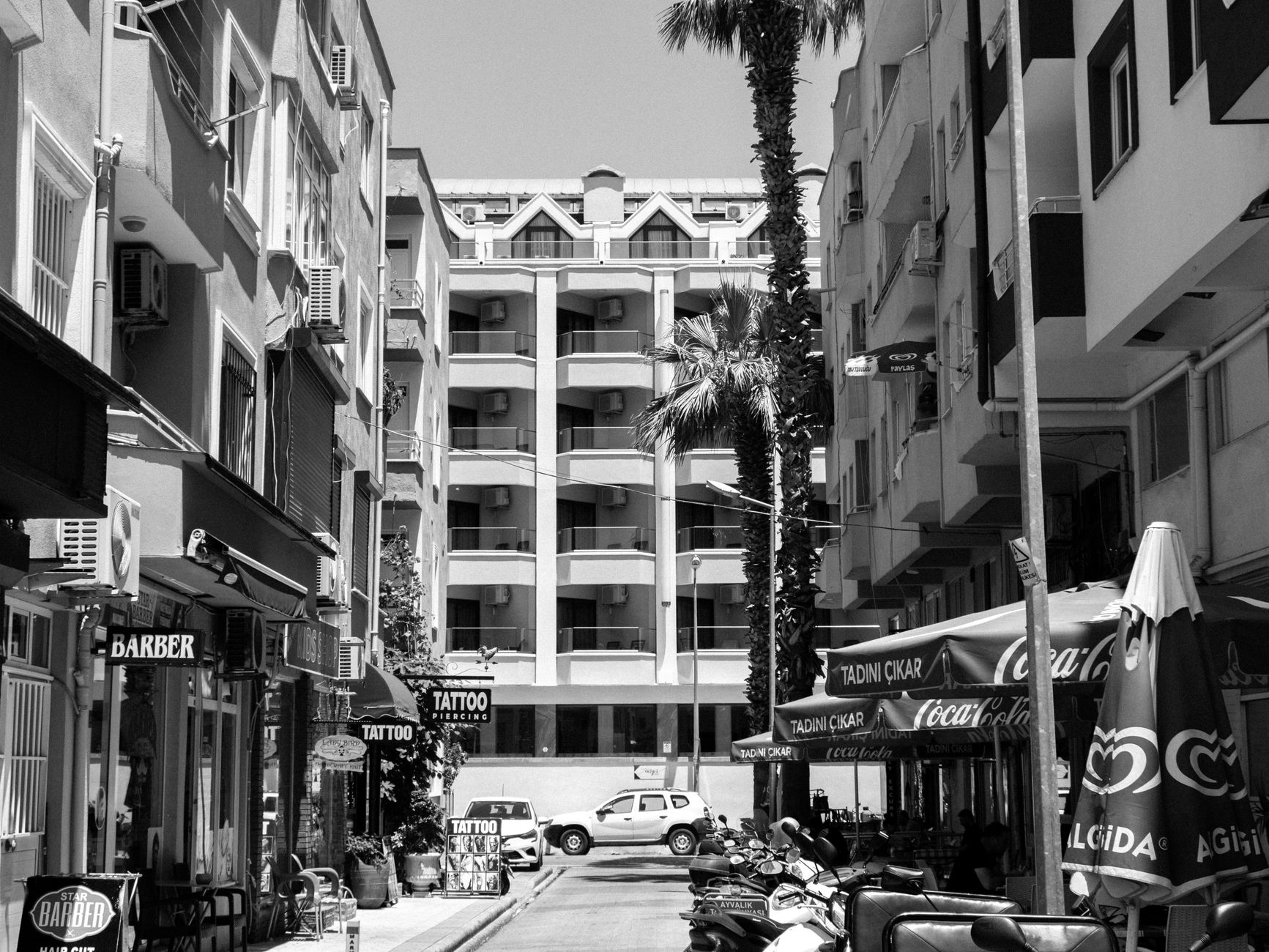
Marmaris sits where pine-covered mountains meet the Aegean, its deep natural harbour the reason sailors have been stopping here since the Greeks called it Physkos. The castle on the hill still watches over the marina, but the waterfront below it has changed beyond recognition — a 1980s construction boom turned what was a small fishing town into one of Turkey's busiest resort strips, complete with a thousand-berth marina ringed by restaurants and moored gulets.
Come for the water: boat trips into the bays of the Hisarönü Gulf, a ferry crossing to Rhodes, or simply the long crescent beach at İçmeler a dolmuş ride away. The castle museum and the Ottoman bazaar quarter reward a morning on foot before the heat sets in.
💛 What travellers fall for
People who return tend to time it for May or early October — the sea is warm, the marina restaurants have space, and the dolmuş to İçmeler runs every few minutes without the summer crush. The castle takes half an hour but earns its entrance fee; the Honey House (Bal Evi) is genuinely odd and worth the detour.
How Marmaris came to be
The town's modern name traces back to 1521, when Ottoman Sultan Süleyman the Magnificent ordered a castle built here as a staging post for his campaign against Rhodes. The settlement, then called Physkos, was renamed — first Mimaras, then Marmaris. Süleyman's mother, Ayşe Hafsa Sultan, added a caravanserai to the bazaar that still stands. The town had been Greek in character for centuries before the 1919–1922 Greco-Turkish War and the subsequent population exchange brought Balkan migrants to replace the departing Greek community.
A 1957 earthquake nearly erased what remained of old Marmaris — only the castle and a handful of historic buildings survived. The castle sat neglected until 1979, when renovation began and its seven galleries opened as a museum. The resort town that exists today is largely a product of the 1980s building boom that followed.
Who and what shaped it
People who shaped it
Landmark buildings
See Marmaris in motion
Plan your visit
On the map
When to go
Summers are long, dry and genuinely hot — July and August regularly hit 35°C, with the occasional heat wave pushing well past 40°C. Spring (April–May) and early autumn (September–October) offer temperatures in the low-to-mid twenties and far quieter streets; winter brings mild but rainy conditions, with January averaging around 10°C.
Right now
Background & history adapted from Wikipedia (CC BY-SA) · specs from Wikidata (CC0) · weather from Open-Meteo · map data © OpenStreetMap contributors · photos from Wikimedia Commons / Unsplash with per-image credit. No third-party reviews or social posts reproduced.