
Region

Manchester

Manchester
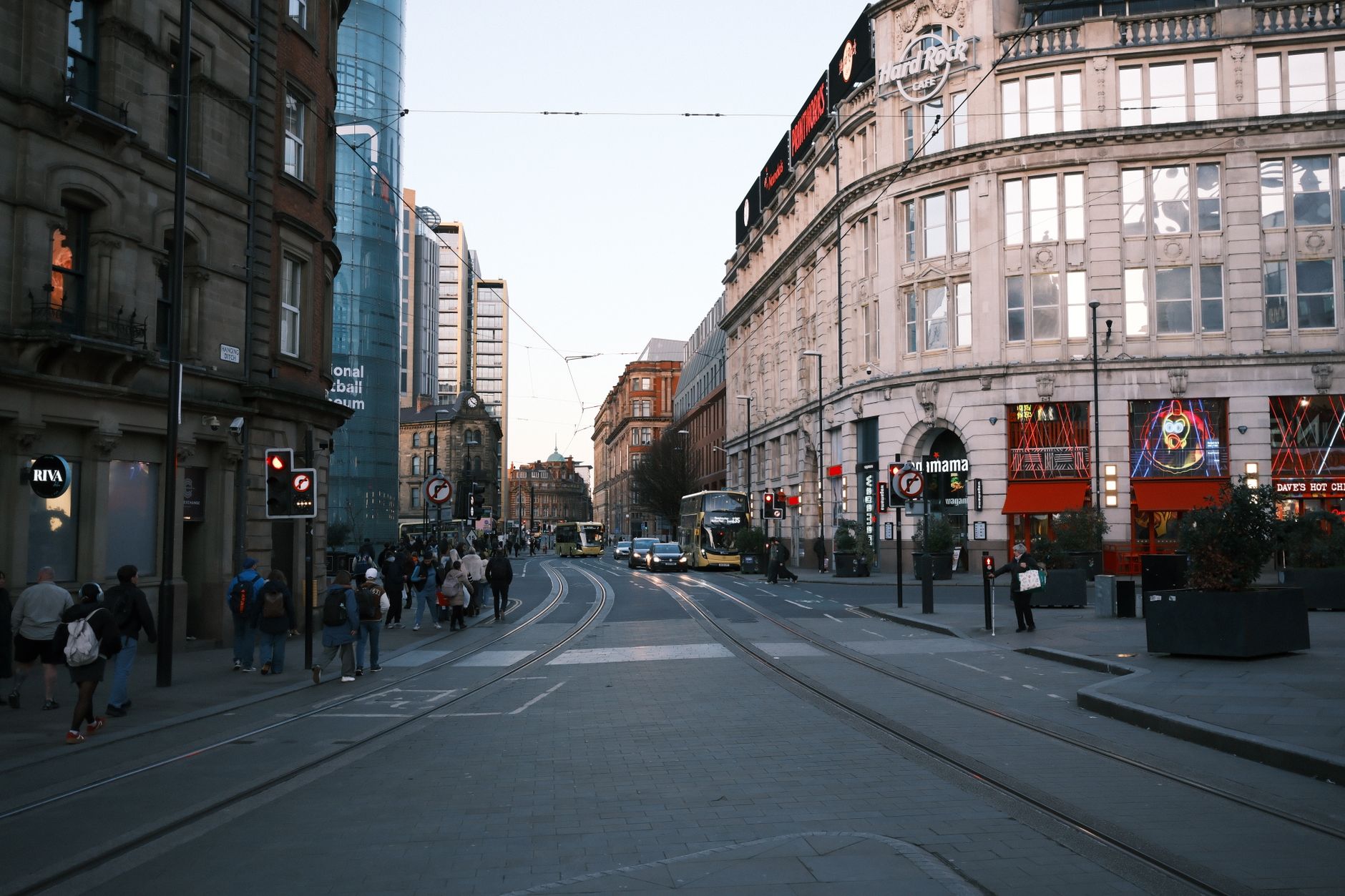
Photo by Max W on Pexels
Manchester
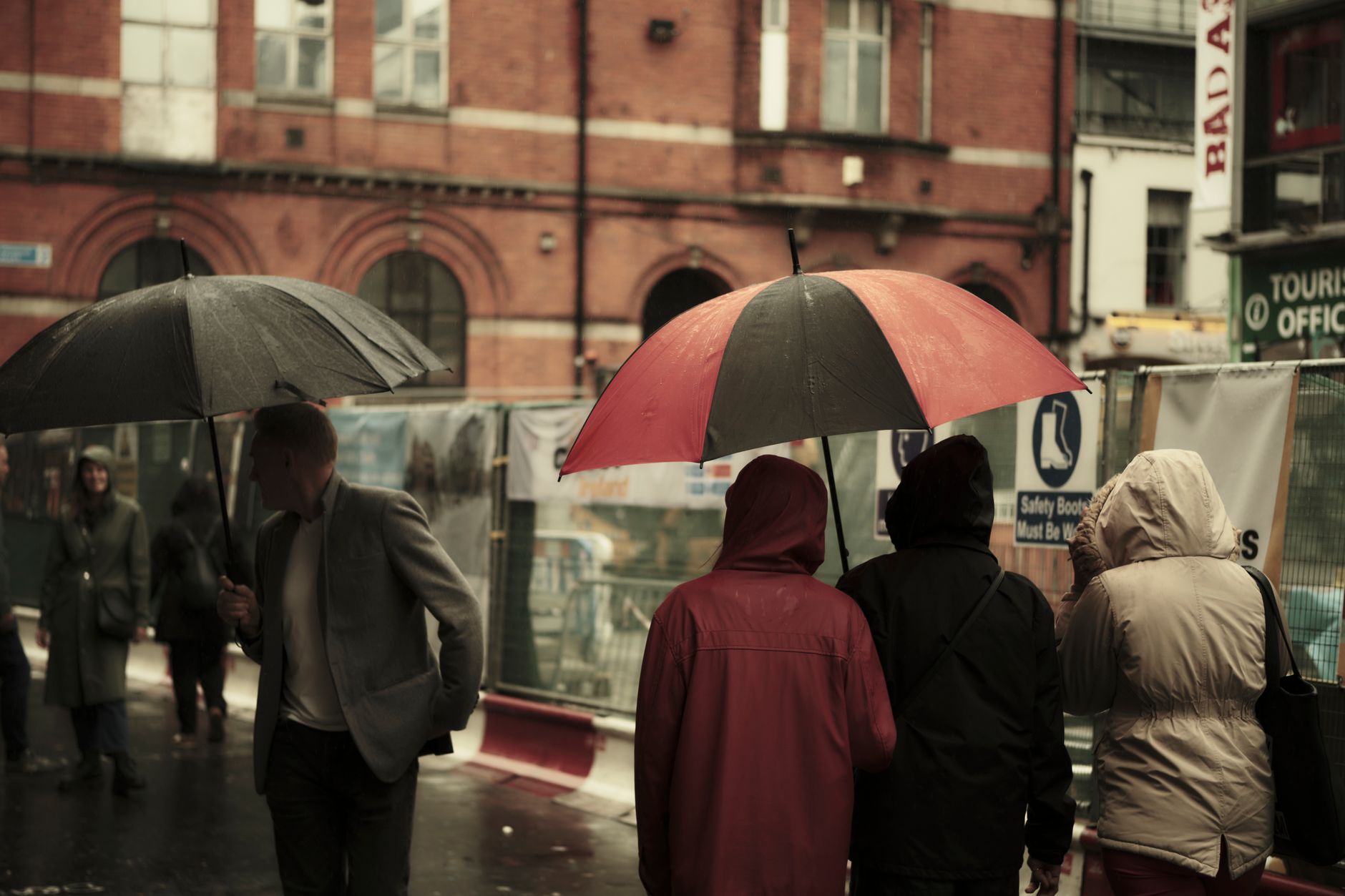
Photo by atelierbyvineeth . . . on Pexels
Manchester
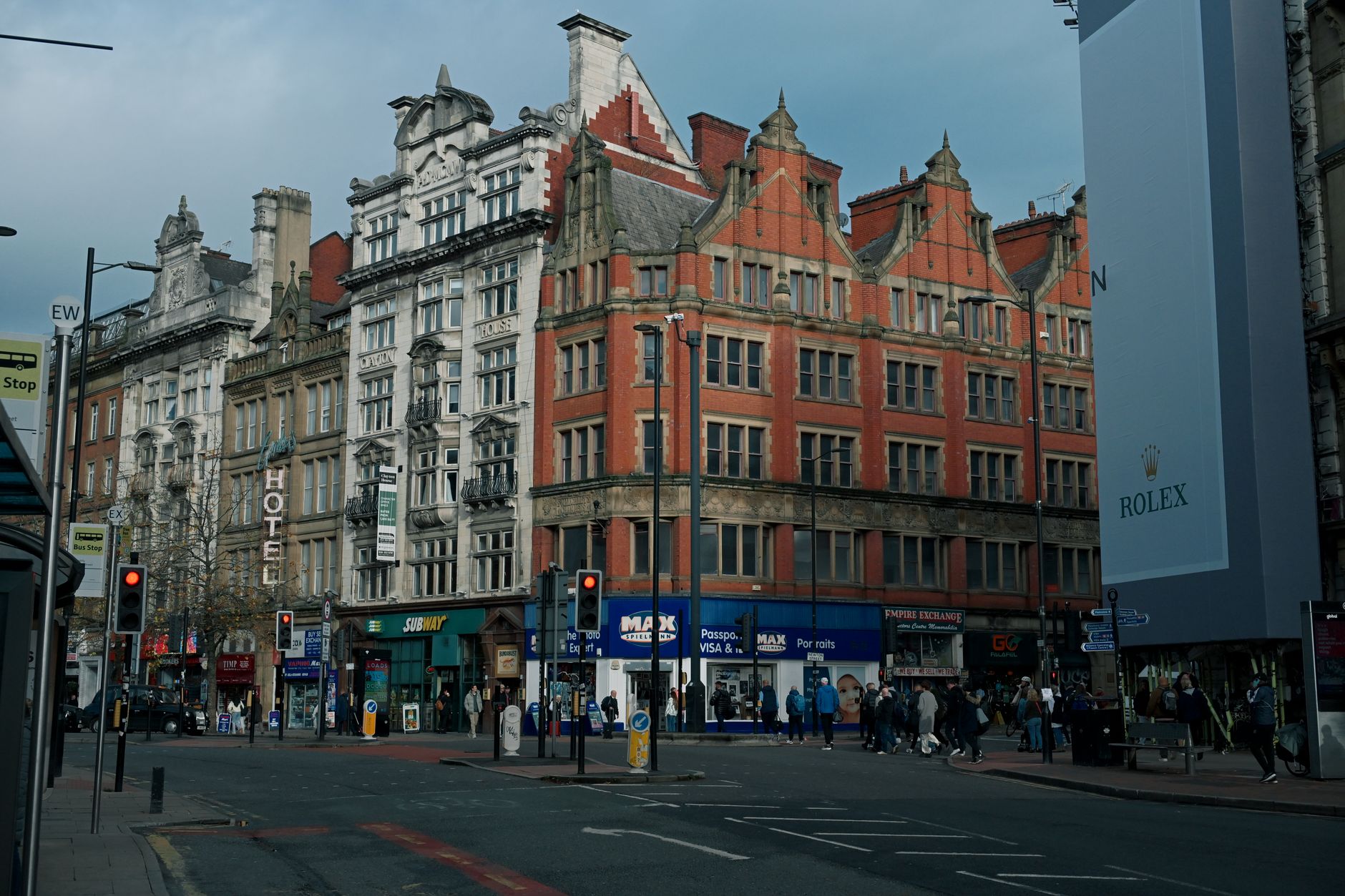
Photo by Max W on Pexels
Manchester
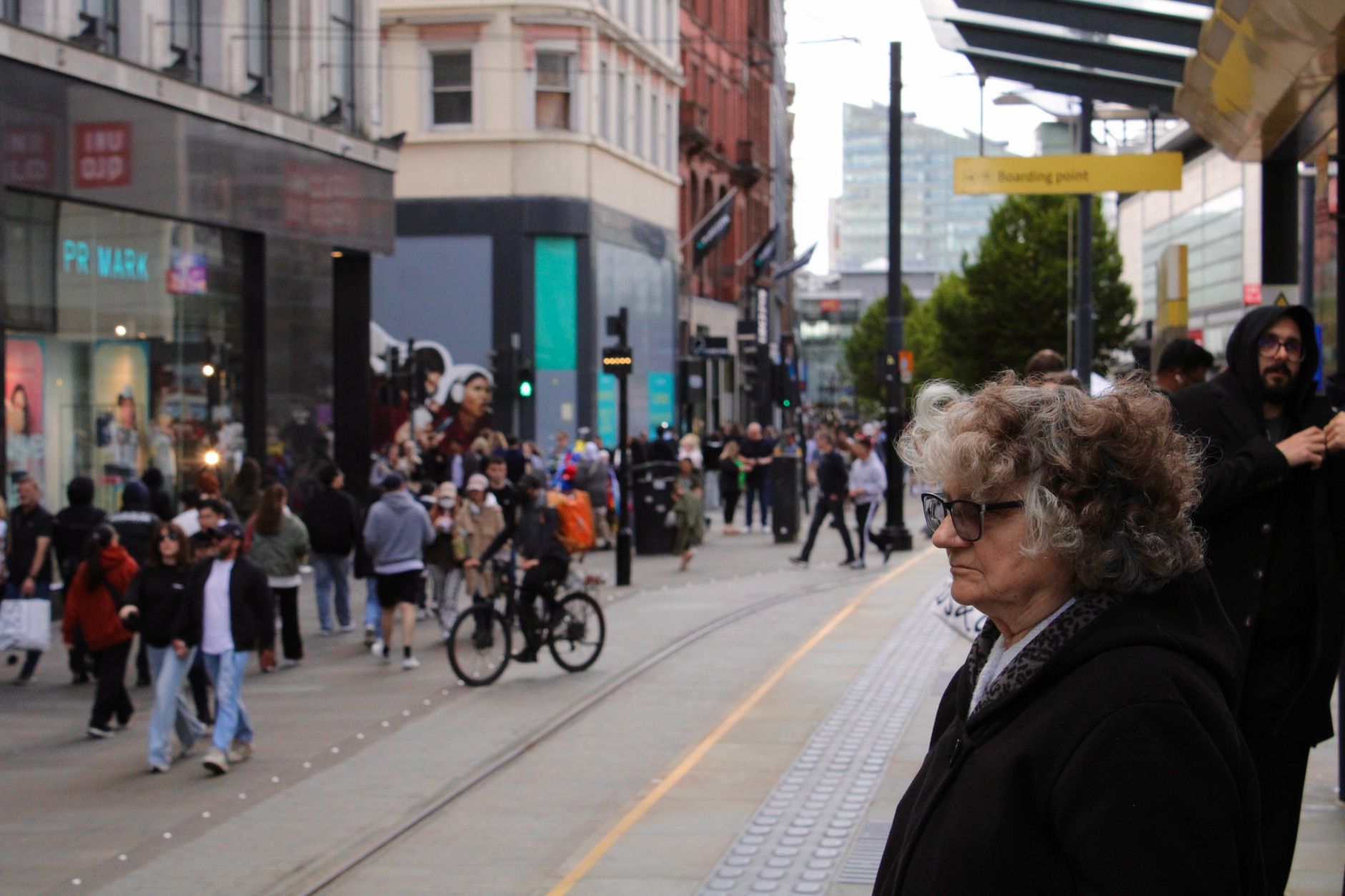
Photo by Gawon Lee on Pexels
Manchester
Photo by Max W on Pexels
Manchester
Photo by Max W on Pexels
City break Culture & history Food & drink

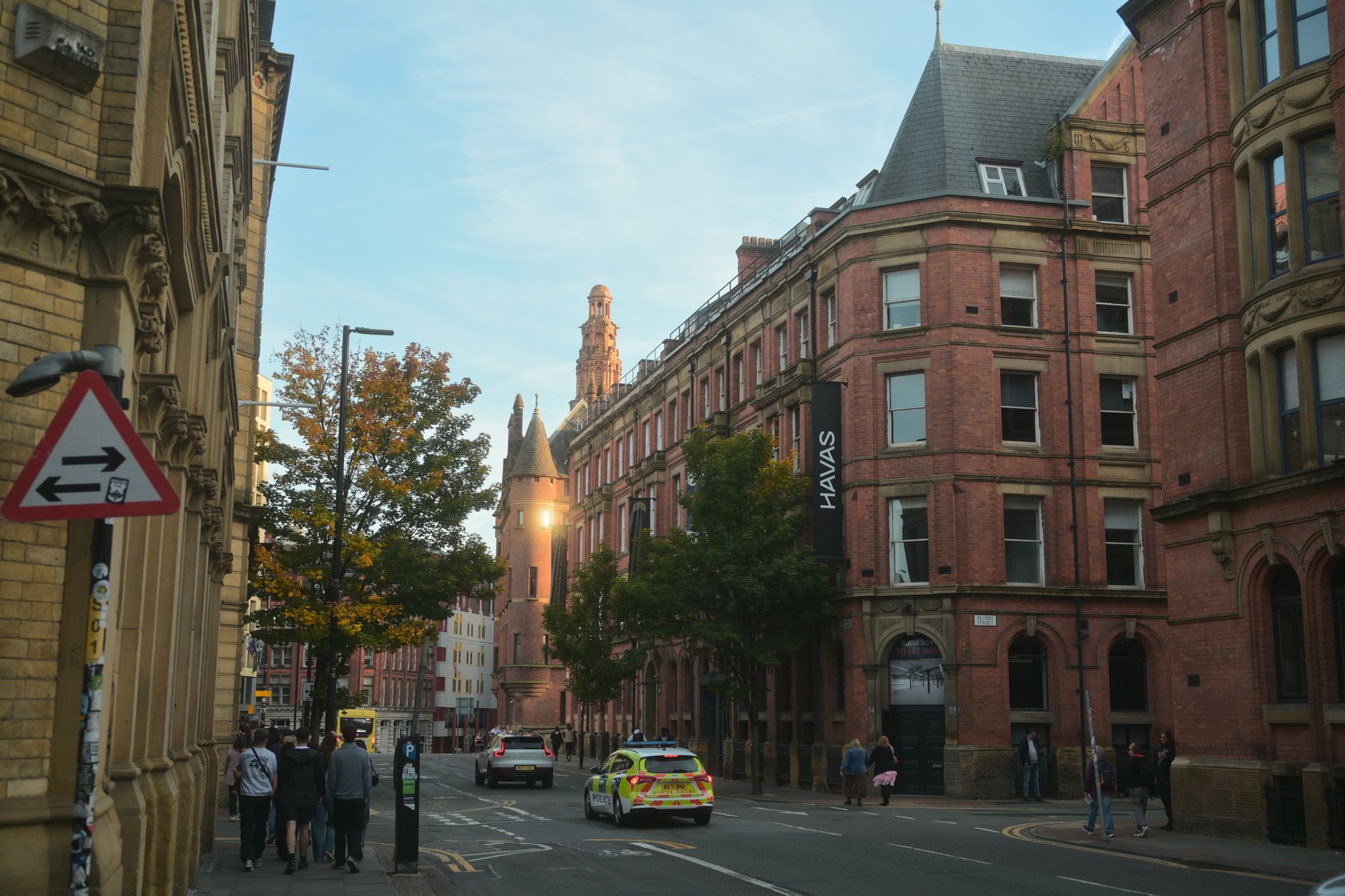
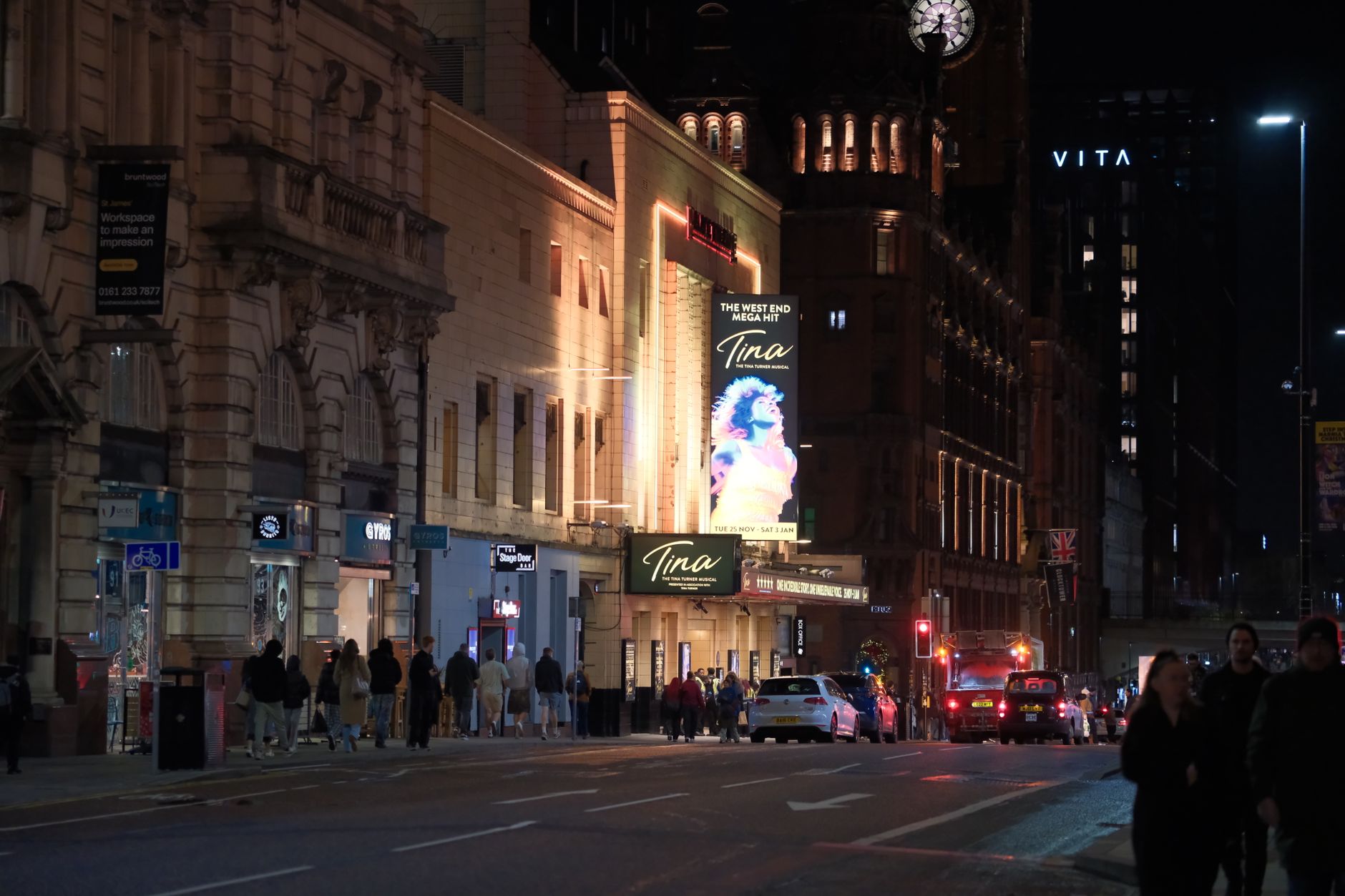
Manchester announces itself in brick and rain and a certain forward-leaning energy that has never quite left since the city rewired the industrial world. The cotton trade that earned it the name Cottonopolis is long gone, but the infrastructure it built — canals, libraries, civic architecture on a grand scale — is still very much here, and still in use.

This is a city where Engels documented working-class poverty, where Alan Turing helped invent computing, and where a bomb in 1996 prompted a rebuilding that ended up improving half the centre. It rewards the curious visitor who looks past the football and into the grain of the place.

💛 What travellers fall for

People who keep coming back tend to make straight for Chetham's Library — the oldest free public reference library in the UK, still open, still quiet, still holding the alcove where Marx and Engels sat and read. The John Rylands Library on Deansgate is worth a second visit too, when you have time to look up at the ceiling rather than just take the photo.

Good to know
Manchester Airport connects directly to the city centre by Metrolink tram — the UK's most extensive light rail network, with 99 stops and five trams per hour on each route. Spring and autumn are the most comfortable seasons for walking the city. The Town Hall is under restoration until 2026, so interiors are currently off-limits.
The story

How Manchester came to be

A Roman fort called Mamucium stood here around AD 79, on a sandstone bluff above the rivers Medlock and Irwell. The settlement that grew around it was recorded as a market by 1282, and Flemish weavers arriving in the 14th century planted the seed of what would become the world's dominant textile industry. By the mid-19th century, Manchester was processing cotton on an almost incomprehensible scale — Cottonopolis, they called it — and in 1894 the Manchester Ship Canal turned an inland city into a functioning port.

The civic confidence of that era is still visible: Alfred Waterhouse's Gothic town hall (1877), the domed Central Library modelled on the Pantheon, and the John Rylands Library, opened in 1900 and still holding what is believed to be the earliest surviving fragment of the New Testament. The 20th century brought Turing and the first modern computers, Emmeline Pankhurst and the suffragette movement, and eventually Joy Division and Oasis — a pattern of the city producing things that travel far beyond it.

People & landmarks

Who and what shaped it

People who shaped it

Friedrich Engels
Wrote The Condition of the Working Class in England in 1844 while resident in Manchester.
Karl Marx
Met Engels in Manchester and began writing The Communist Manifesto at Chetham's Library.
Emmeline Pankhurst
Born in Moss Side, Manchester in 1858; founded the Women's Social and Political Union at her Manchester home in 1903.
Alan Turing
Worked at the University of Manchester after World War II and participated in creating the 'Manchester Baby', one of the world's first computers.
Anthony Burgess
Born in Manchester in 1917; wrote the dystopian novel A Clockwork Orange.
Ian Curtis
Vocalist of post-punk band Joy Division, formed in Manchester in 1956.
Oasis
Rock band formed in Manchester in 1991.
Alfred Waterhouse
Architect who designed Manchester Town Hall, built 1863–1877.

Landmark buildings

Manchester Cathedral
Founded 1421 as a collegiate church; 15th-century Gothic architecture.
Manchester Town Hall
Gothic style, built 1863–1877 by Alfred Waterhouse; 85-metre clock tower; undergoing restoration until 2026.
John Rylands Library
Opened 1900; holds the Rylands Library Papyrus P52, believed to be the earliest extant New Testament text.
Manchester Central Library
Opened 1934; circular design inspired by the Pantheon in Rome.
Chetham's Library
Opened 1653; oldest free public reference library in the UK; meeting place of Engels and Marx.
St Ann's Church
Consecrated in 1712.
Beetham Tower
Completed 2006; 169 metres high; known for emitting a whistling sound on windy days.
Royal Exchange Theatre
Established 1976; rebuilt after 1996 IRA bombing with a seven-sided glass and steel theatre-in-the-round, the largest in the UK.
The Lowry
Situated in Salford Quays; designed by Michael Wilford; houses two theatres and galleries.
Imperial War Museum North
Designed by Daniel Libeskind; resembles a shattered globe; dedicated to the history of conflict.
Midland Hotel
Opened in 1903.
Urbis Building
Opened 2000 as an exhibition centre; reopened 2012 as the National Football Museum.
Practical

Plan your visit

On the map

When to go

Manchester is one of the wetter cities in England, with rain possible in any month and no truly dry season — pack accordingly, and treat a clear day as a bonus. Summers are mild rather than warm; winters are grey and damp but rarely severe.

Right now

☀️
18°C
Clear
Fri
24°
16°
Sat
21°
14°
Sun
24°
14°
Mon
25°
16°
Weather data: Open-Meteo

Background & history adapted from Wikipedia (CC BY-SA) · specs from Wikidata (CC0) · weather from Open-Meteo · map data © OpenStreetMap contributors · photos from Wikimedia Commons / Unsplash with per-image credit. No third-party reviews or social posts reproduced.

Top