
Malé
Malé sits on a coral island barely two kilometres wide, yet it functions as the political, commercial and cultural centre of an archipelago strung across nearly a thousand kilometres of Indian Ocean. The name is thought to derive from a Sanskrit word for 'big house' — a ruler's residence — and the city has organised itself around power and faith ever since its first settlers arrived from South India and Sri Lanka around the fifth century BC.
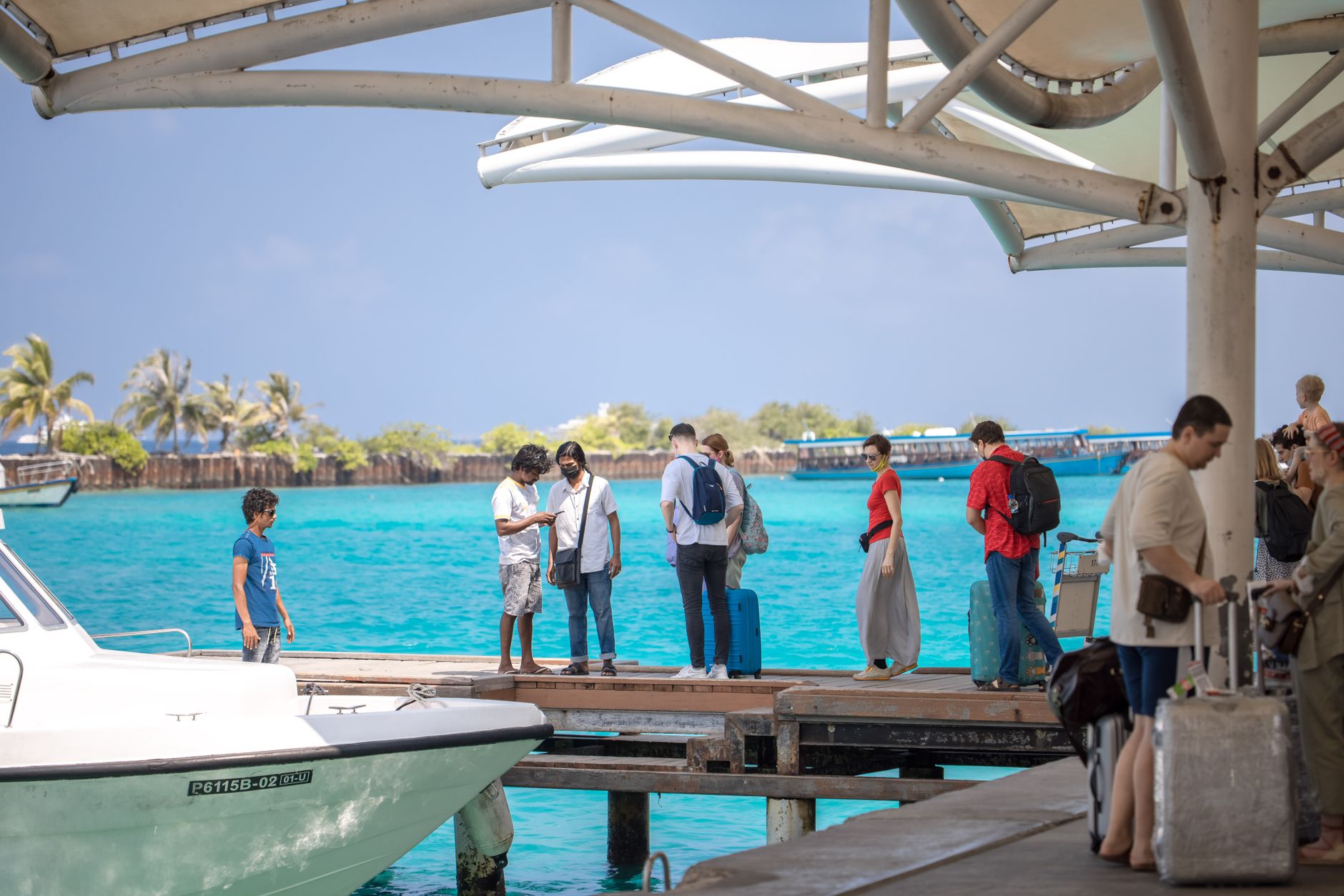
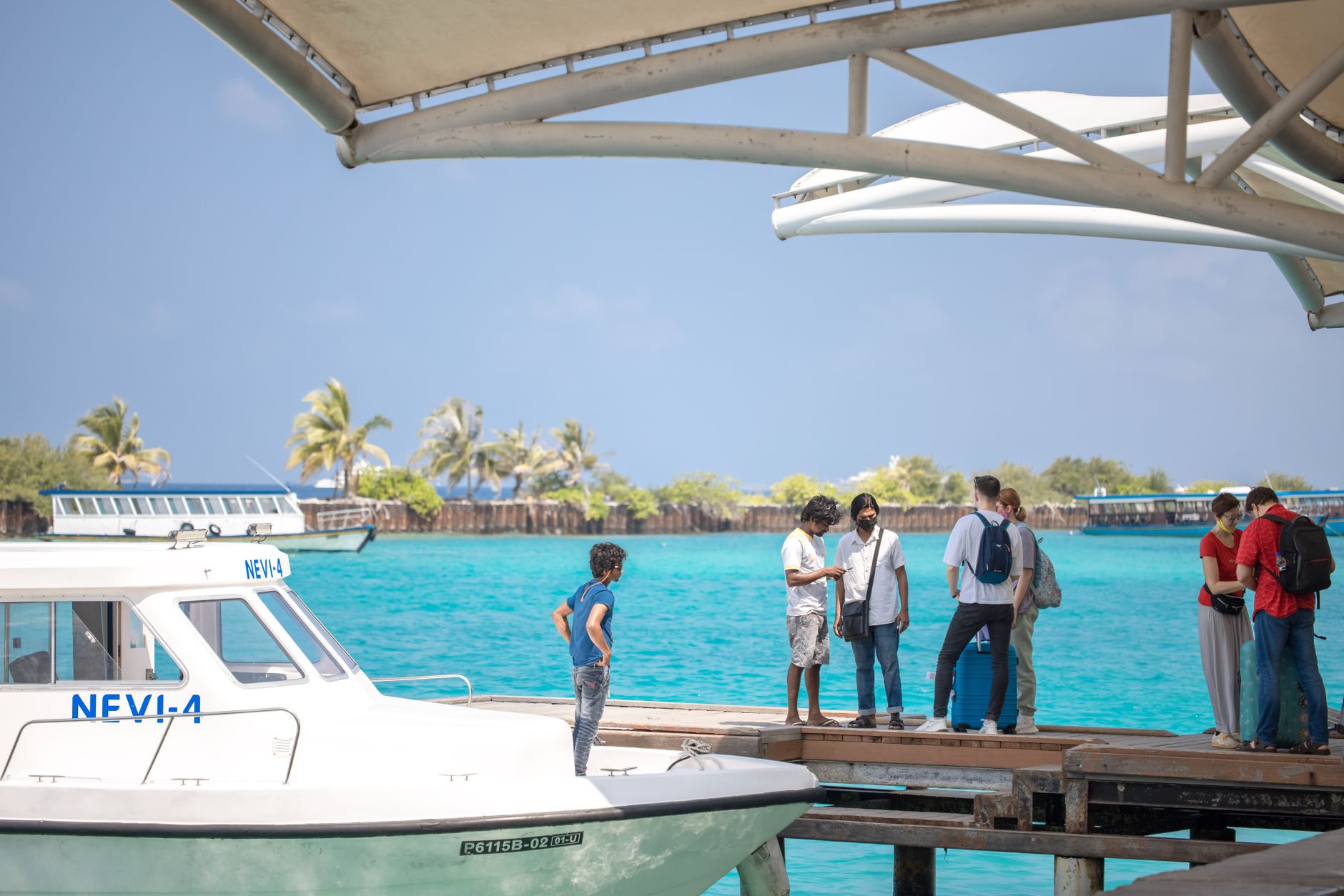
Today the skyline is dense and vertical, mosques pressed against ministry buildings, ferries threading between the capital and its airport island. Velana International Airport sits on Hulhulé Island next door, connected since 2018 by the Sinamalé Bridge — the country's first fixed sea crossing.
How Malé came to be
Malé's recorded history pivots on a single year: 1153, when the local ruler converted to Islam and the city became the seat of a sultanate that would endure, through six dynasties, for over eight centuries. The tomb of Abu al-Barakat Yusuf al-Barbari — the Moroccan visitor credited with that conversion — still stands near the Old Friday Mosque he inspired. The mosque itself was rebuilt in coral stone in 1658 under Sultan Ibrahim Iskandar I and remains one of the oldest surviving structures in the country.
Colonial interruptions came and went — Portuguese occupation from 1558 until a national uprising expelled them in 1573, a brief Malabar pirate raid in 1752, then British protectorate status from 1887 to 1965. Full independence arrived in 1965; a republic was declared in 1968. Under President Ibrahim Nasir, the Royal Palace and old fortifications were demolished, the city modernised, and a single resort on a nearby island in 1972 launched the tourism economy that now defines the Maldives internationally.
Who and what shaped it
People who shaped it
Landmark buildings
See Malé in motion
Plan your visit
On the map
When to go
The dry northeast monsoon, running roughly November to April, gives Malé its most settled weather — lower humidity, reliable sun, and calmer waters for ferry crossings. The southwest monsoon from May to October brings heavier rain and occasional rough seas, though temperatures remain warm year-round, typically between 25 and 31 degrees Celsius.
Right now
Background & history adapted from Wikipedia (CC BY-SA) · specs from Wikidata (CC0) · weather from Open-Meteo · map data © OpenStreetMap contributors · photos from Wikimedia Commons / Unsplash with per-image credit. No third-party reviews or social posts reproduced.