
Malacca
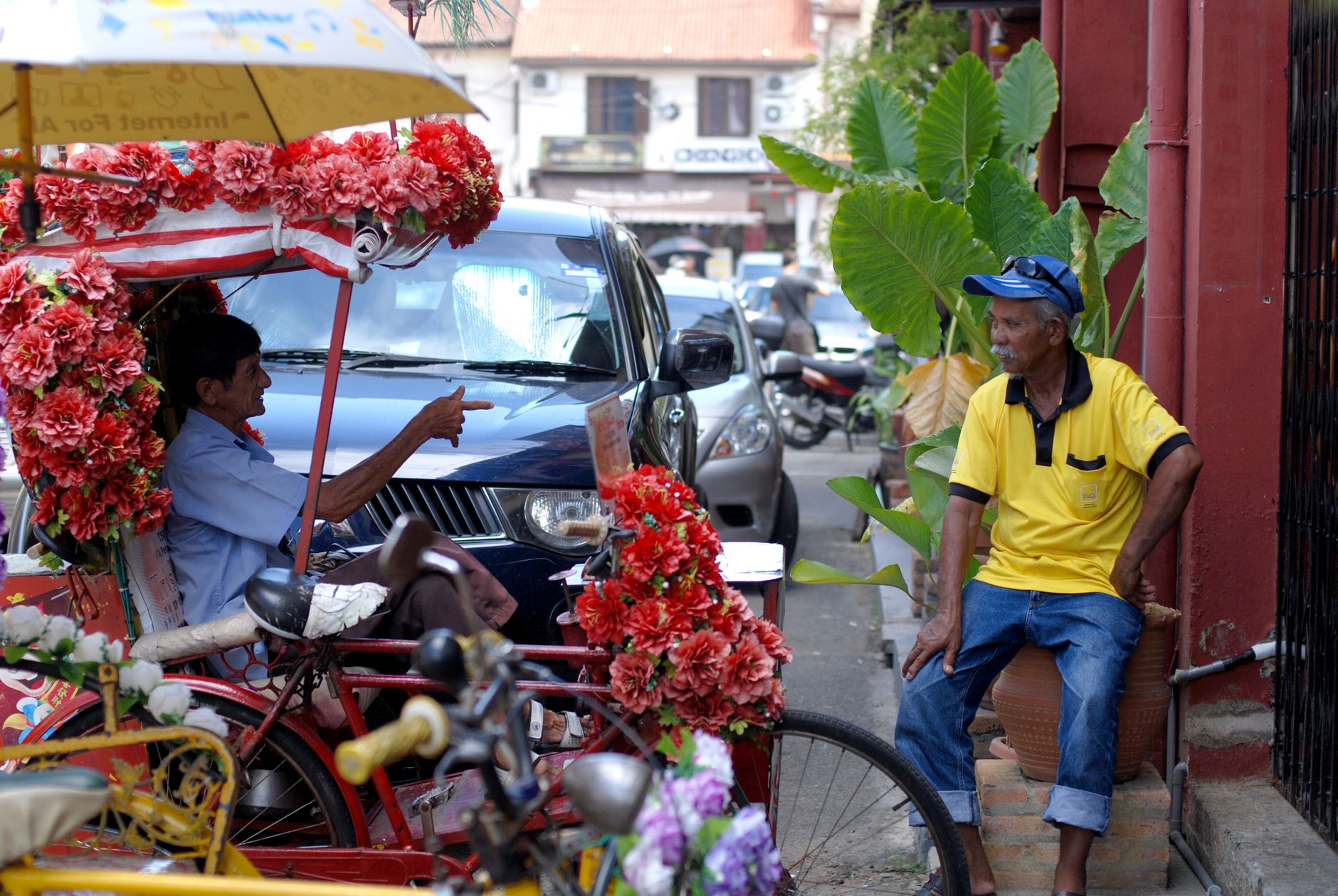
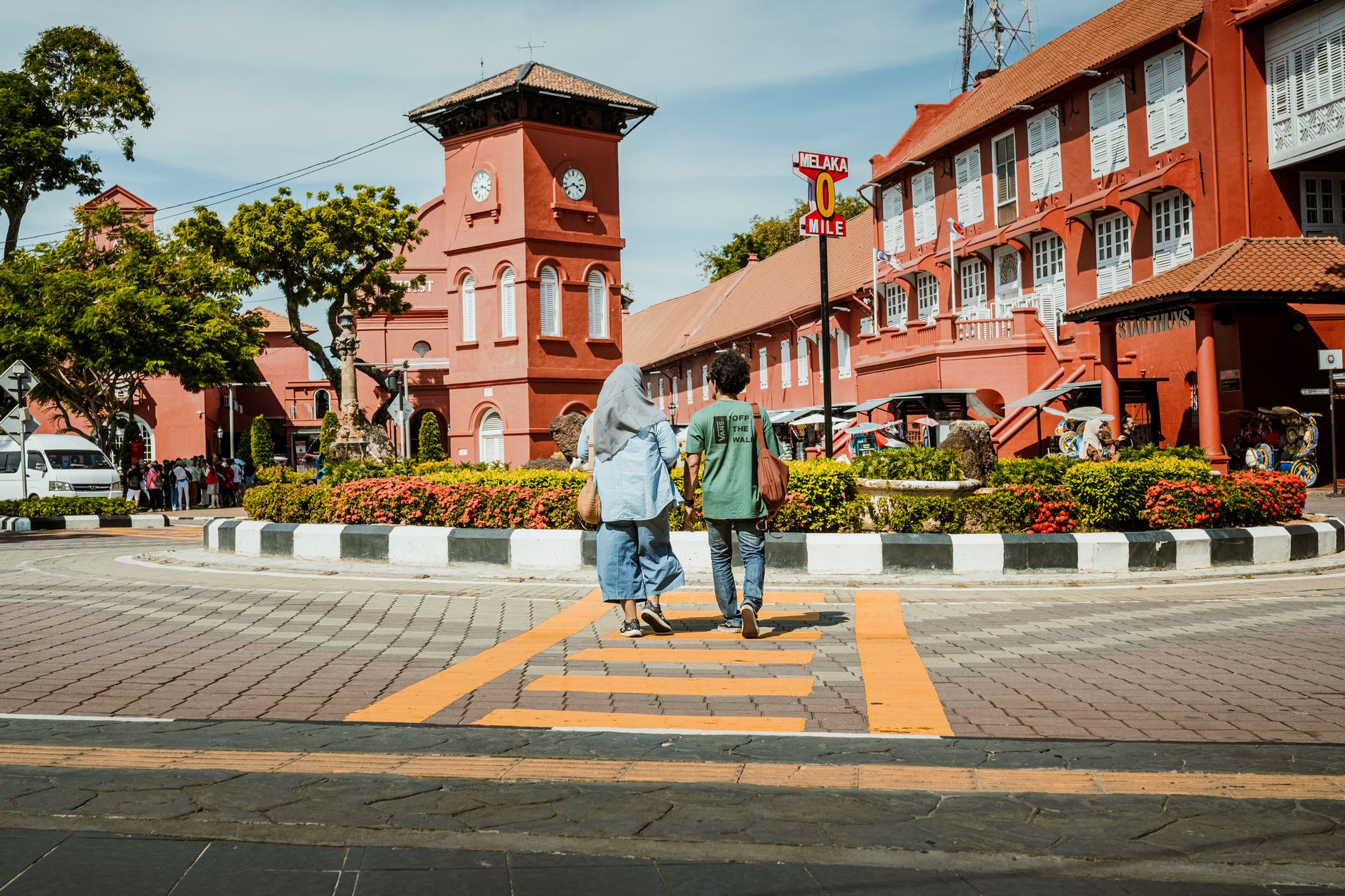
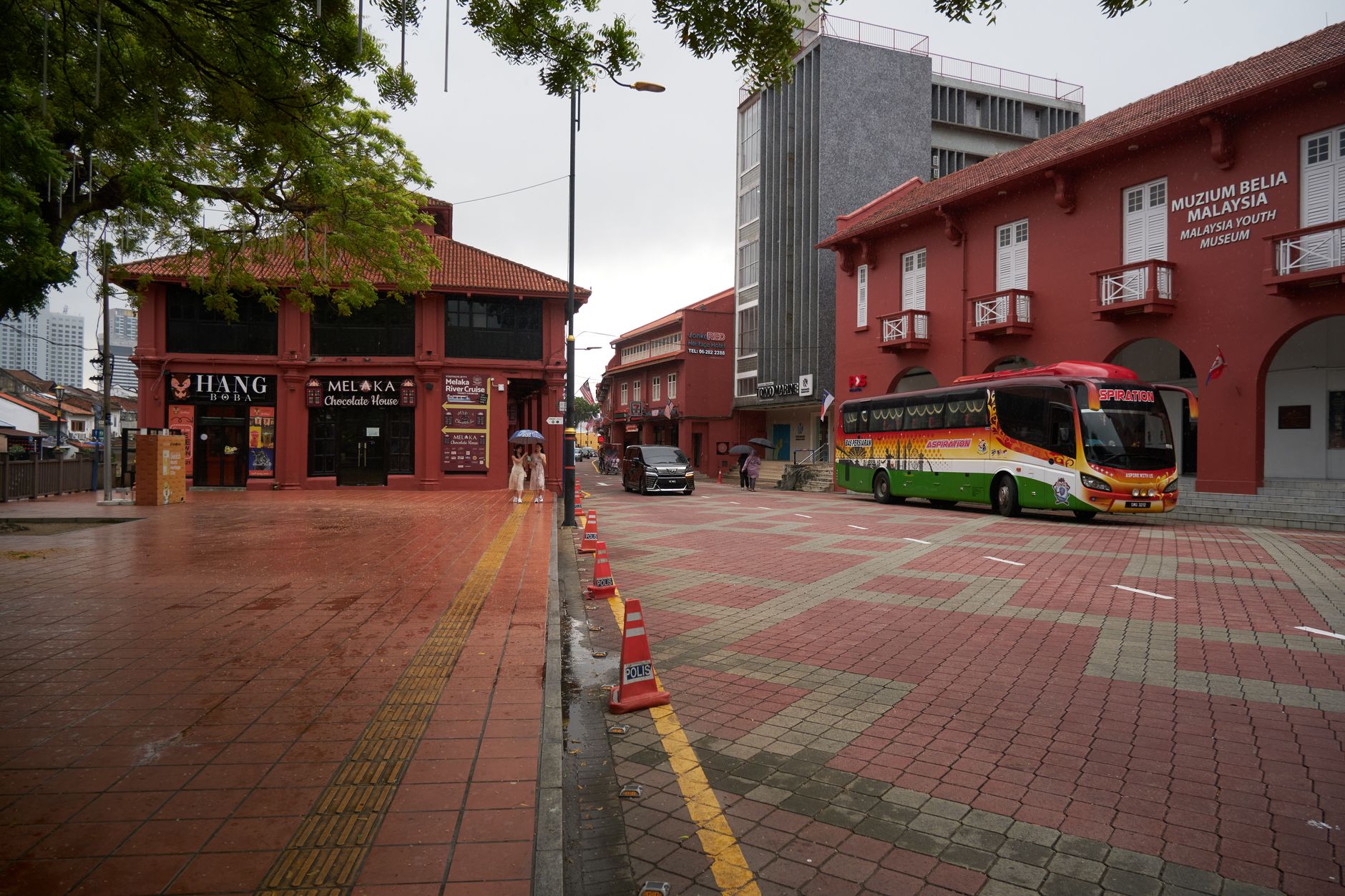
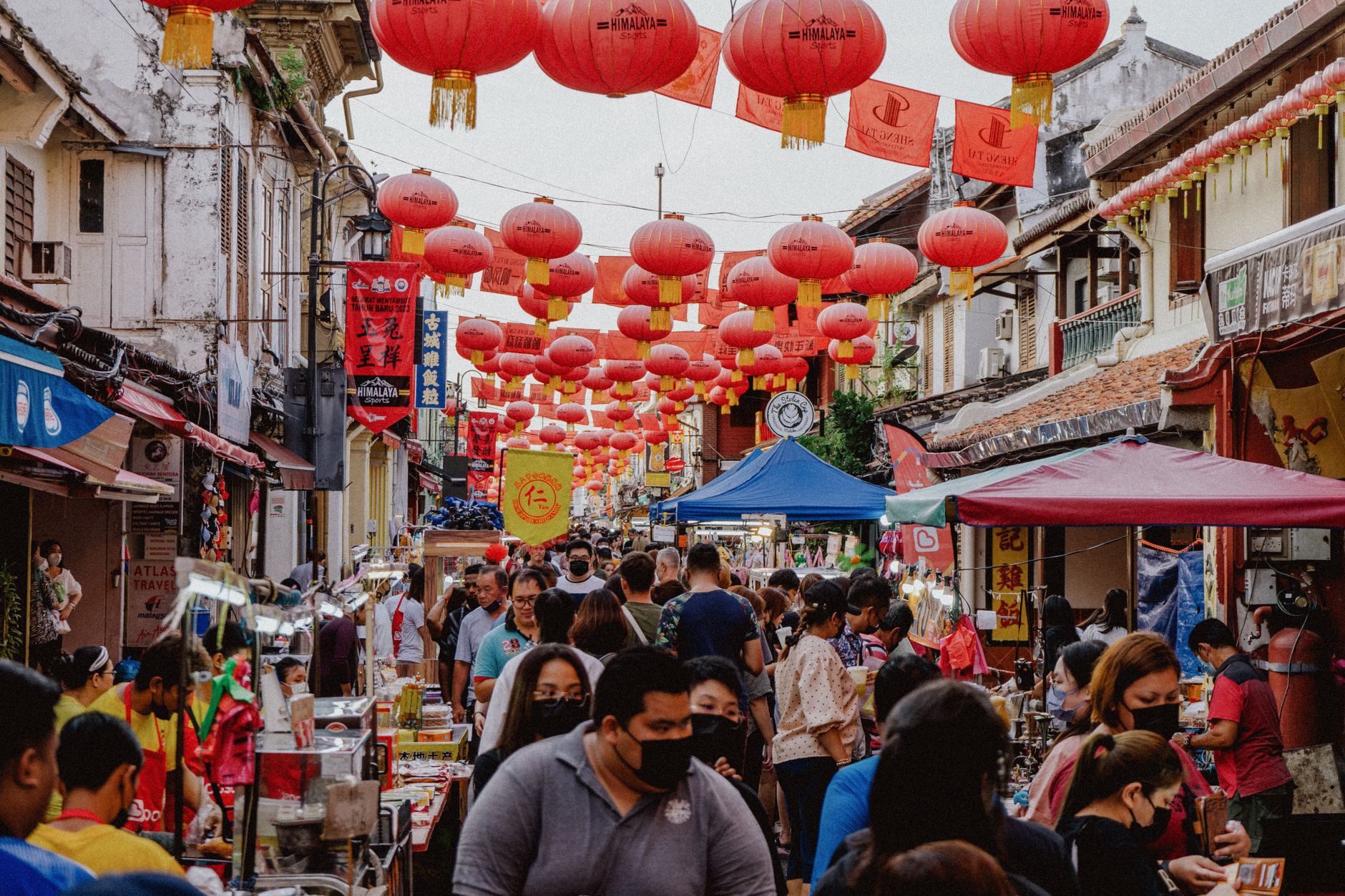
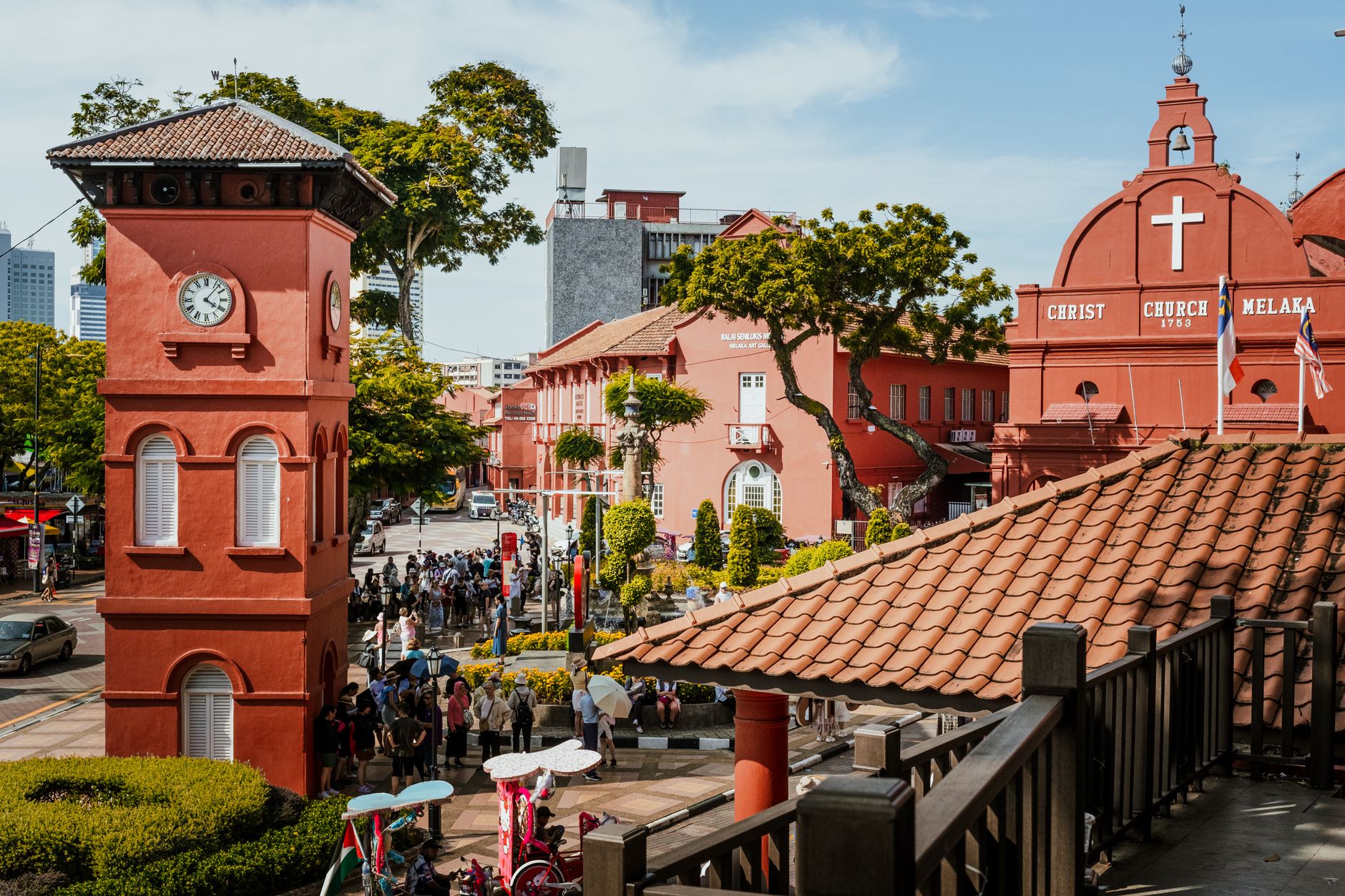
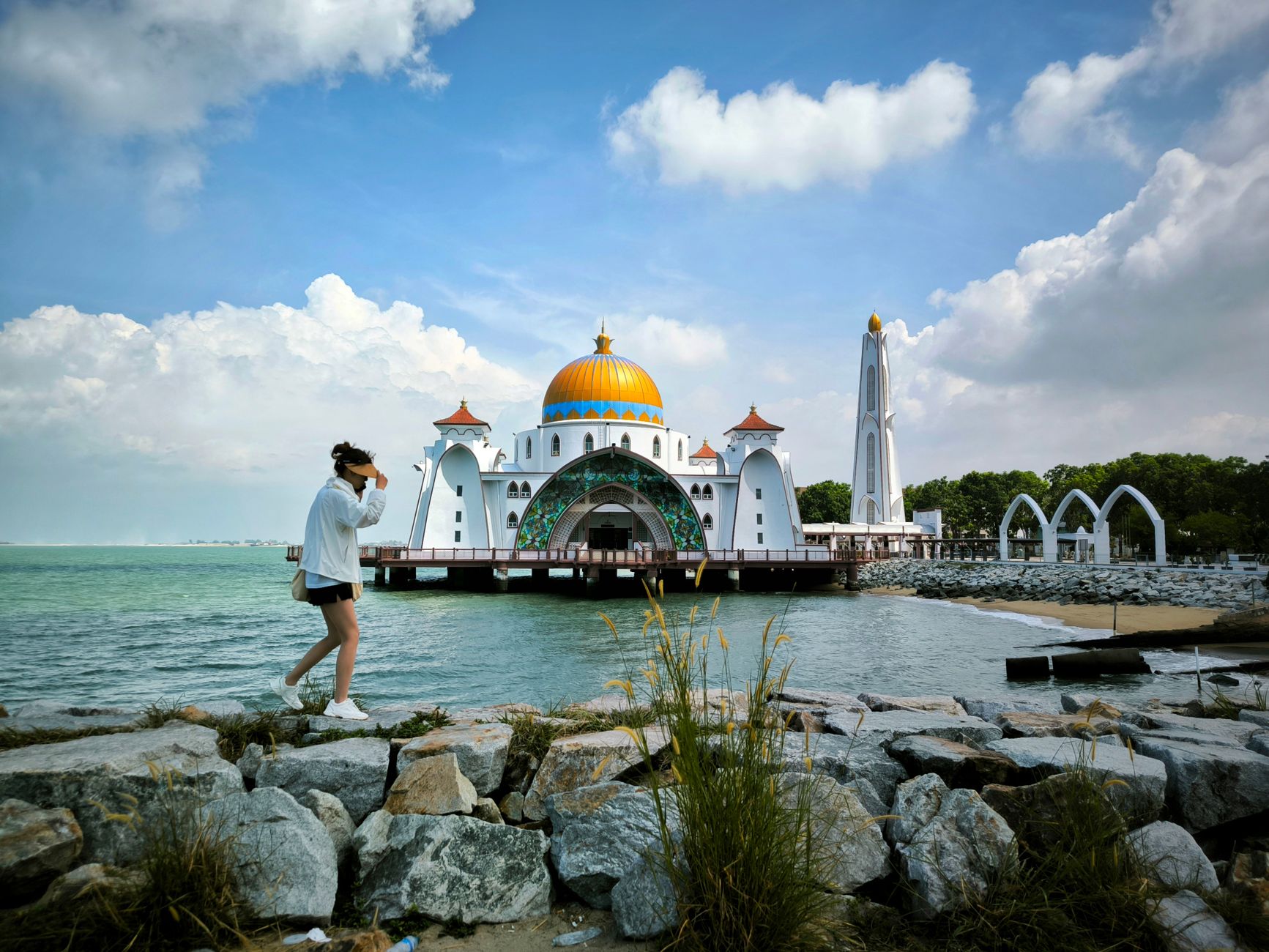
Malacca is where you read five centuries of conquest in a single afternoon's walk. The Dutch painted their administrative buildings red; the Portuguese left a crumbling gatehouse arch still inscribed with the year 1670; the Chinese merchant community planted a temple in 1645 that still receives worshippers. All of it sits within a compact river-bend city that the UN recognised as a World Heritage Site in 2008.
The historic core is small enough to cover on foot — Jonker Street to Dutch Square to St. Paul's Hill — and that intimacy is the point. Malacca doesn't sprawl; it layers.
How Malacca came to be
Around 1400, a Sumatran prince named Parameswara — also known as Iskandar Shah — chose a spot on the narrowest stretch of the Strait of Malacca to establish a sultanate. The location was deliberate: sheltered, accessible year-round, and perfectly placed to tax the trade flowing between the Indian Ocean and the South China Sea. Admiral Zheng He called in during his first visit in 1407, cementing ties with Ming China. By the reign of Sultan Mansur Shah (1459–1477), the port had grown from a fishing settlement into one of Asia's principal trading cities.
That prosperity made Malacca a target. The Portuguese commander Afonso de Albuquerque took the city by cannon fire in 1511, burning ships in the harbour and raising A Famosa fortress. The Dutch displaced them in January 1641, built the Stadthuys by 1650, and added Christ Church in 1753 to mark a century of their own occupation. The British followed. Each regime left architecture behind, which is why the city reads today less like a single place than a compressed record of early-modern global ambition.
Who and what shaped it
People who shaped it
Landmark buildings
See Malacca in motion
Plan your visit
On the map
When to go
Malacca sits close to the equator and is warm and humid throughout the year, with temperatures typically between 23°C and 33°C. Rain can arrive on any afternoon, but the drier months from June to August generally offer more reliable stretches of clear weather for walking the heritage streets.
Right now
Background & history adapted from Wikipedia (CC BY-SA) · specs from Wikidata (CC0) · weather from Open-Meteo · map data © OpenStreetMap contributors · photos from Wikimedia Commons / Unsplash with per-image credit. No third-party reviews or social posts reproduced.