
Lynmore


On a cold Rotorua morning, before the traffic picks up, Lynmore smells faintly of sulphur. Geothermal steam drifts low across the lawns, and if the air is still enough, a thin fog settles into the hollows between the houses. It passes. By mid-morning the suburb opens up into something quieter and more spacious than the city centre a few kilometres west — wide sections, mature trees, and from the higher streets, a clear line of sight across Lake Rotorua to Mokoia Island and the ranges beyond.
Lynmore is Rotorua's most residential quarter, the kind of place people move to when they decide to stay. It sits at the edge of the Waitawa bush, close to the Redwood Forest, and carries the easy confidence of a neighbourhood that has never needed to advertise itself.
💛 What travellers fall for
People who come back tend to mention the same thing: the view from the upper streets at dusk, when the lake goes silver and the geothermal haze softens the far ridgeline. Apumoana Marae on Tarawera Road is worth pausing at — the meeting house anchors the Tūhourangi hapū and gives the suburb a cultural grounding that the tidy lawns alone don't suggest.
Deals in Lynmore
Book directly at the provider

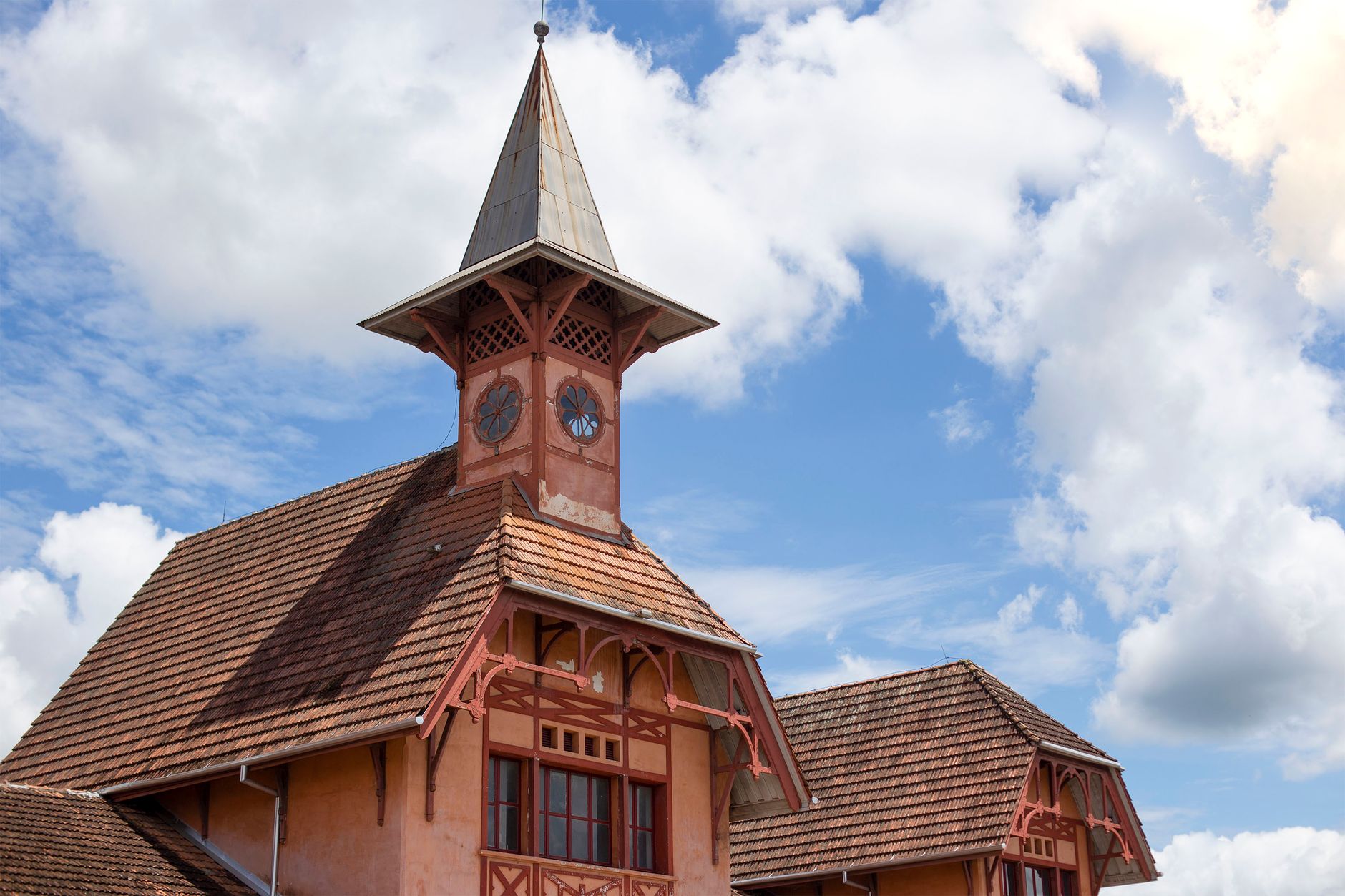
How Lynmore came to be
The earliest houses in Lynmore date to the 1930s, though the suburb's real shape was laid down in the 1980s, when the bulk of its housing stock went up across what is now a compact 2.2 square kilometres. It grew quietly, without a dramatic founding moment, filling in as Rotorua expanded eastward toward the lake.
The clearest fixed point in Lynmore's story is its school. Lynmore Primary — Te Kura ō Ōwhatiura — opened in August 1956 with 101 pupils, and has run continuously since, adding a cultural hall in 2012 and reaching a roll of 619 by early 2026. Seven principals have led it across seven decades, the current being Hinei Taute. For a suburb this size, the school has functioned as something close to a civic centre.
Who and what shaped it
Landmark buildings
See Lynmore in motion
Plan your visit
On the map
When to go
Summers run warm and sunny — January peaks around 29°C with up to eight hours of daily sun — while winters are mild by New Zealand standards but damp, with temperatures dropping to around 4°C overnight and fog that can linger stubbornly in low pockets. The lake nearby keeps the temperature from swinging too hard in either direction.
Right now
Background & history adapted from Wikipedia (CC BY-SA) · specs from Wikidata (CC0) · weather from Open-Meteo · map data © OpenStreetMap contributors · photos from Wikimedia Commons / Unsplash with per-image credit. No third-party reviews or social posts reproduced.