
Los Cabos
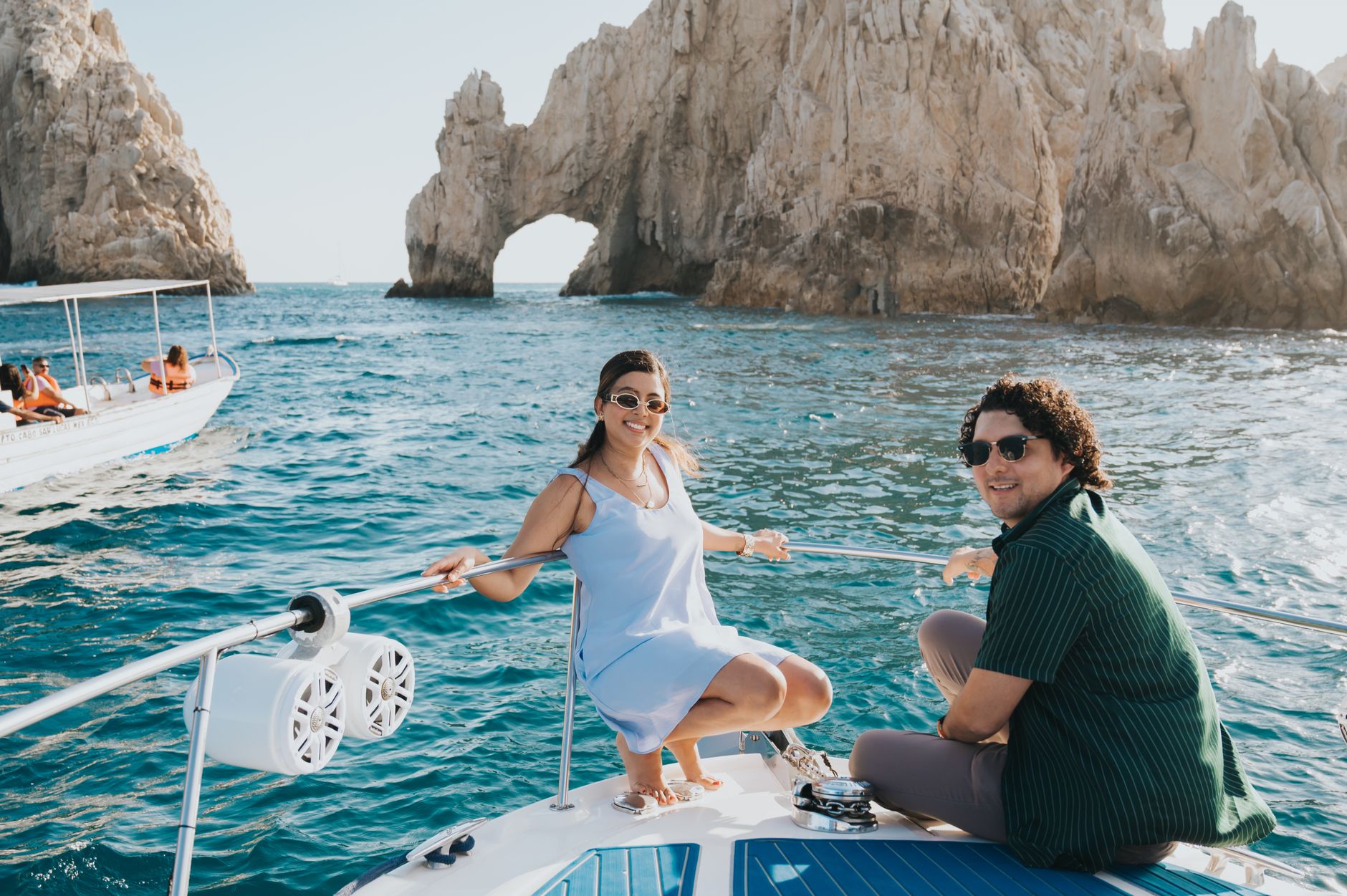
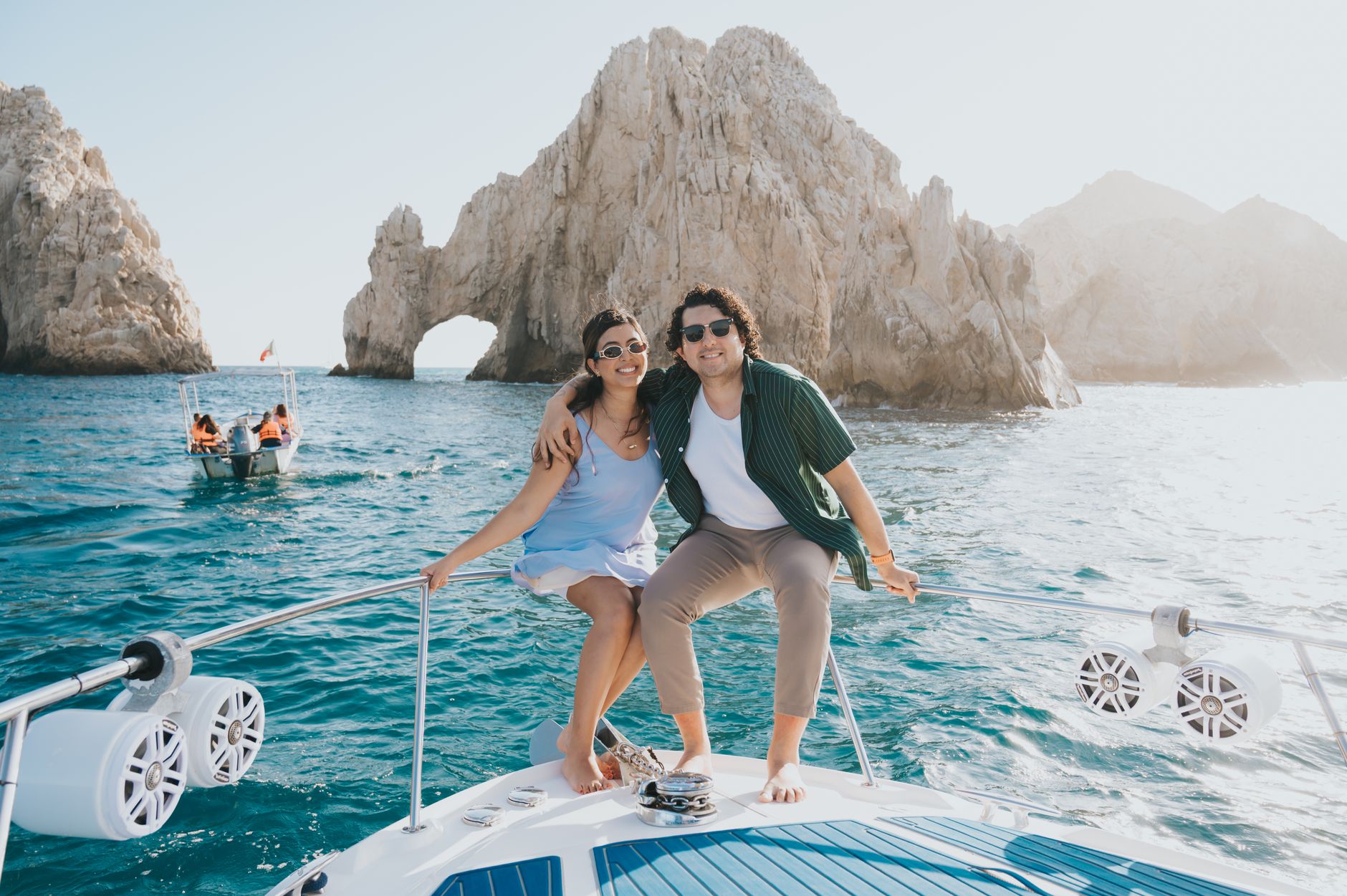
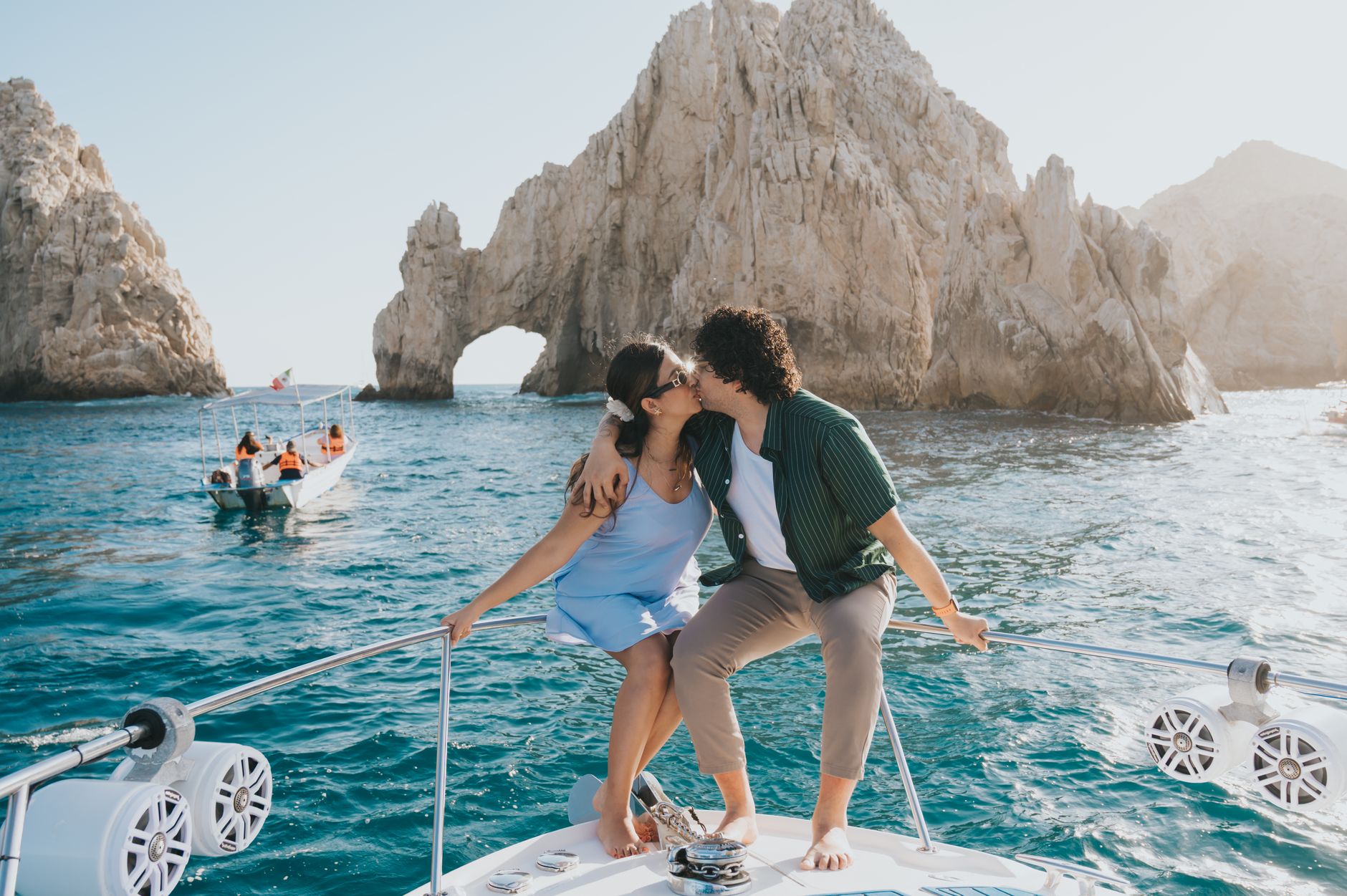

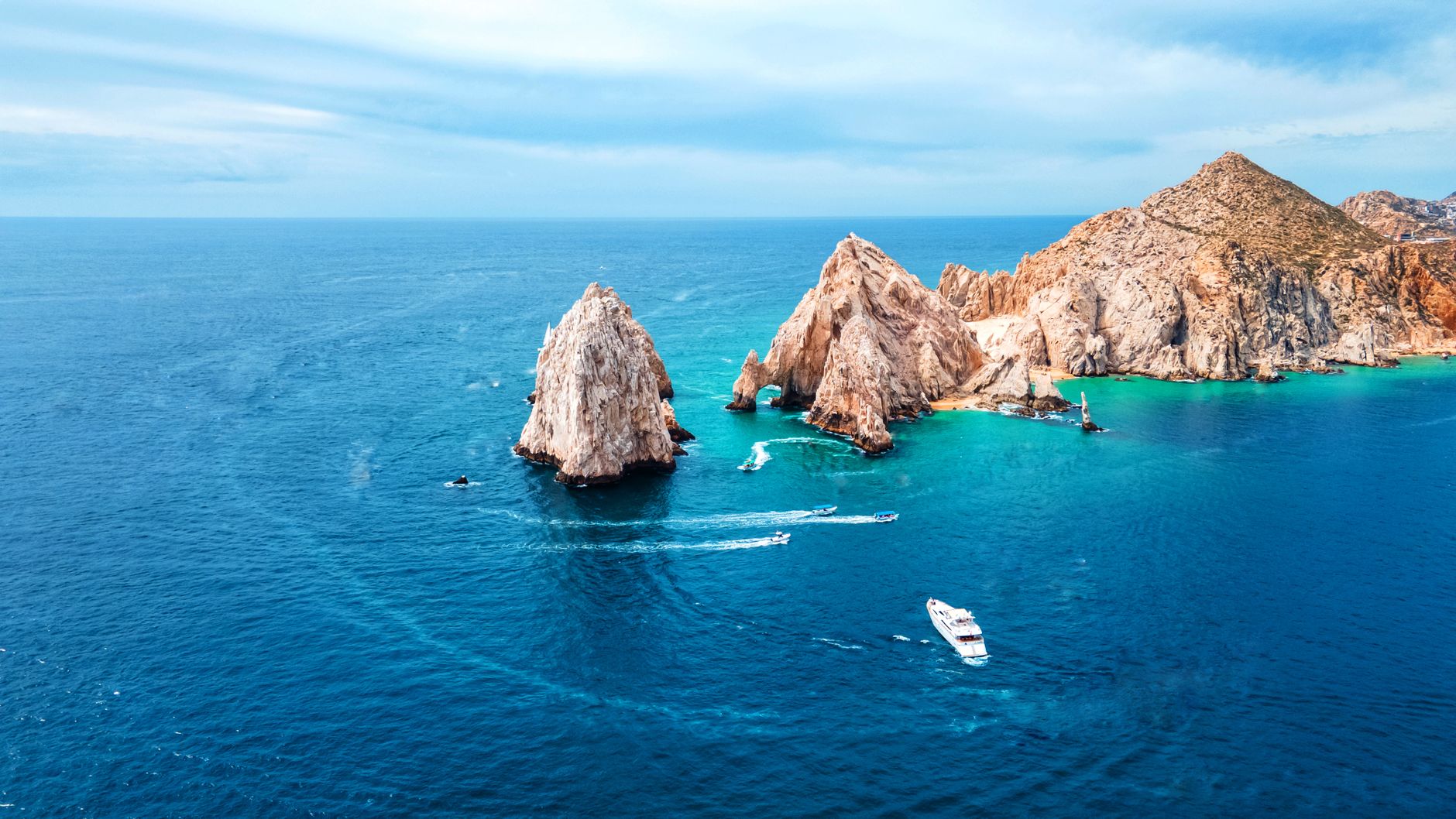
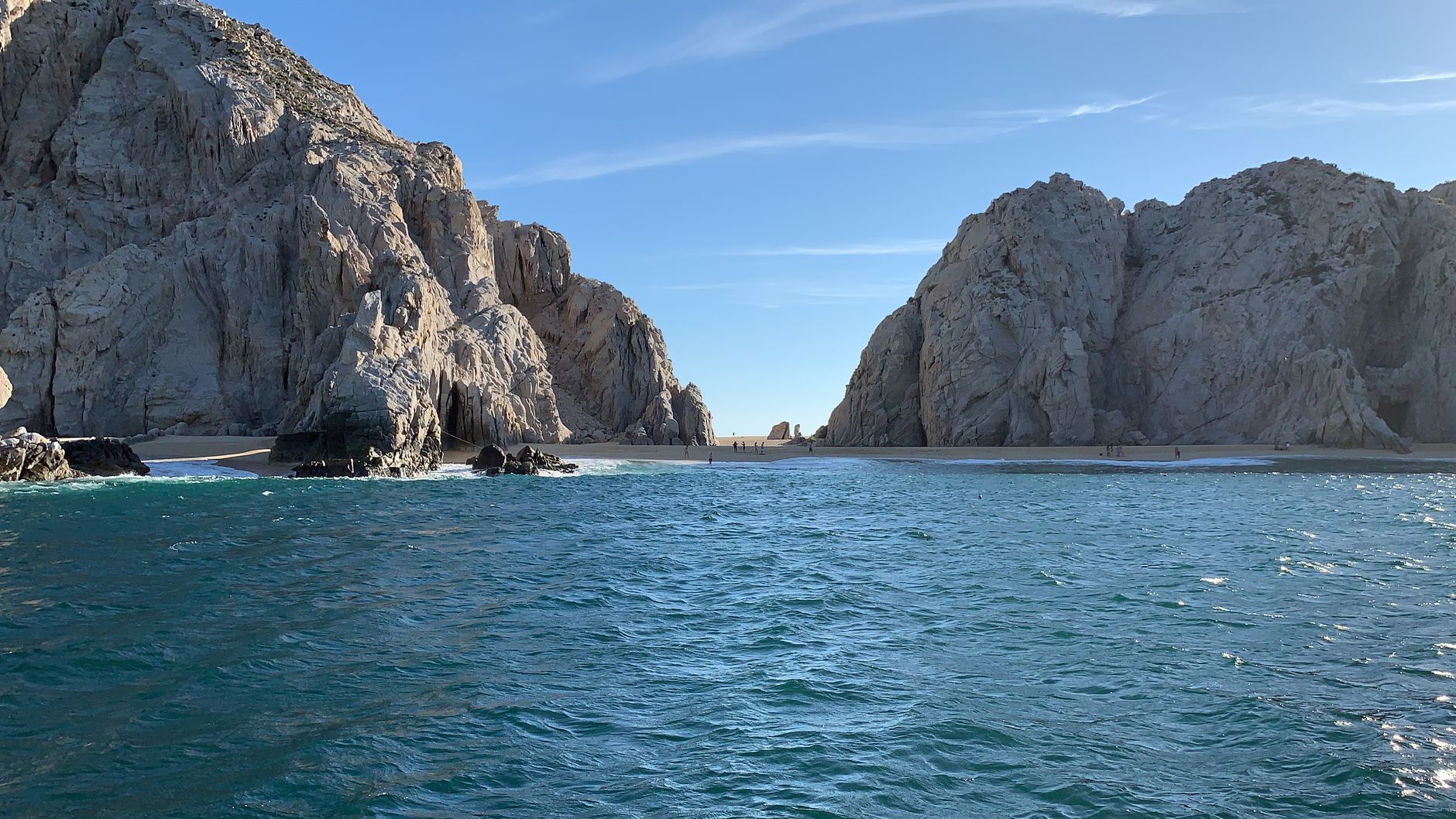
At the very tip of the Baja California peninsula, two bodies of water meet and refuse to blend — the deep blue Pacific on one side, the turquoise Sea of Cortez on the other. The division is visible from the water near El Arco, a wind-and-tide-carved rock arch that has become the region's defining image, reachable only by boat.
Los Cabos is not a single town but a corridor stretching roughly 30 kilometers between two distinct places: the resort-heavy marina town of Cabo San Lucas and the quieter, more colonial San José del Cabo, with its adobe church and shaded plaza. Between them runs a strip of hotels, some of the most architecturally considered in Mexico.
💛 What travellers fall for
People who come back tend to split their time deliberately — a night or two on the San José side for the Thursday art-walk around Plaza Mijares, then a shift down the corridor toward the marina end. The local bus runs the whole stretch for a few pesos and is worth taking at least once.
How Los Cabos came to be
The Pericú people, who called this place Yenecamú, lived here for at least 10,000 years before Spanish explorer Sebastián Vizcaíno arrived in 1603 and named the cape. Permanent colonial settlement came later, when Jesuit missionaries pushed down the peninsula — Father Nicolás Tamaral founded the Mission of San José del Cabo in 1730, and the church on Plaza Mijares still carries that origin in its weathered walls.
For most of its modern life, Cabo San Lucas was a fishing outpost. An American tuna company established a village there in 1917. The region's transformation into a destination accelerated with the completion of Transpeninsular Highway 1 in 1973 and the arrival of the international airport in 1986, following Mexico's Fonatur tourism initiative. The first significant hotel, Hacienda, was co-founded in 1966 by Hollywood actress Lucille Bremer and Abelardo Rodriguez Montijo, son of a former Mexican president — an early signal of the glamour that would follow.
Who and what shaped it
People who shaped it
Landmark buildings
See Los Cabos in motion
Plan your visit
On the map
When to go
Winter months, December through March, bring daytime temperatures around 26°C with cool evenings — ideal for being outside. Summer runs hot, peaking near 34°C in July, and July through September see most of the region's modest annual rainfall, occasionally including tropical storms.
Right now
Background & history adapted from Wikipedia (CC BY-SA) · specs from Wikidata (CC0) · weather from Open-Meteo · map data © OpenStreetMap contributors · photos from Wikimedia Commons / Unsplash with per-image credit. No third-party reviews or social posts reproduced.