
Liwa Oasis
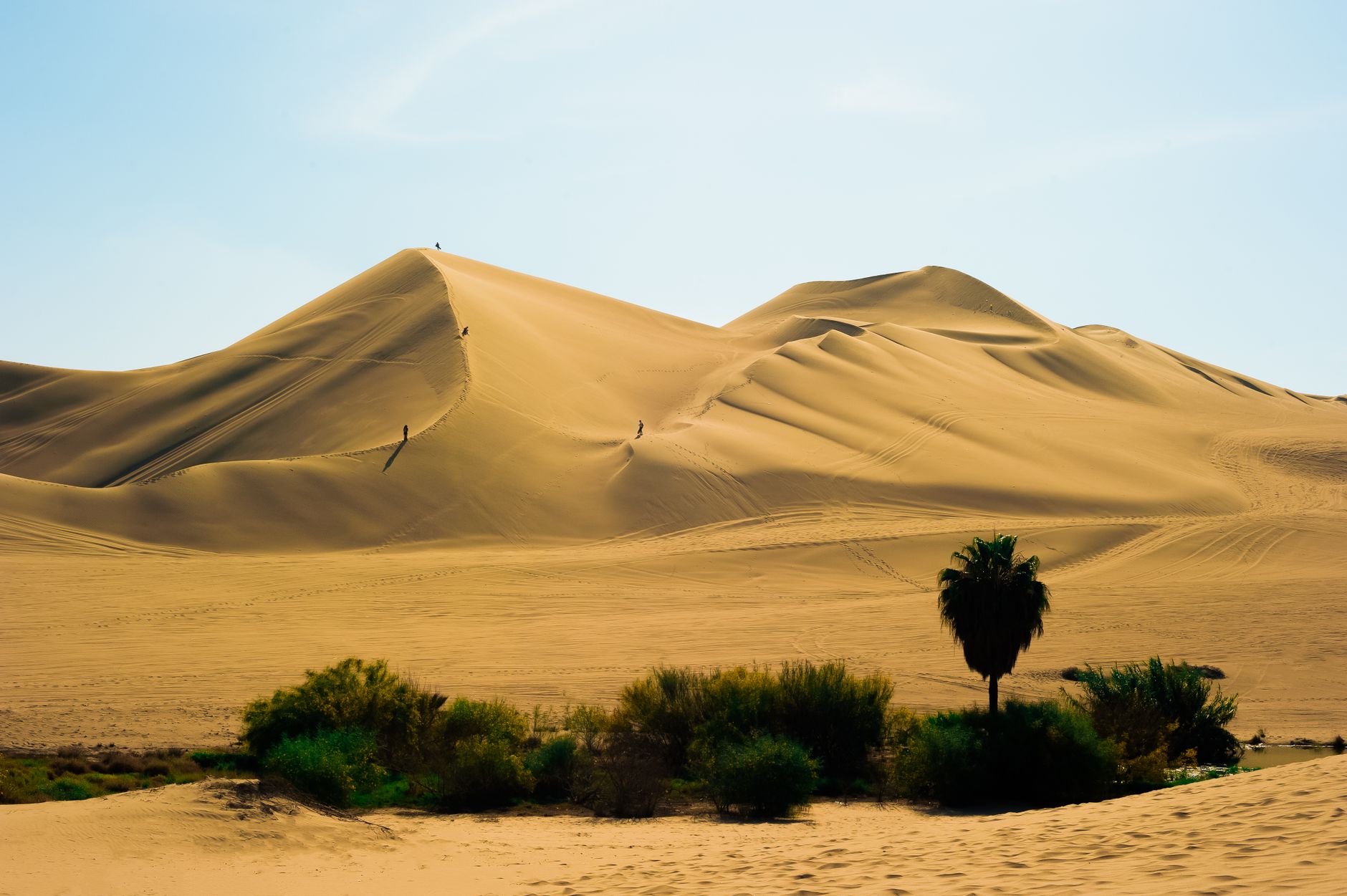
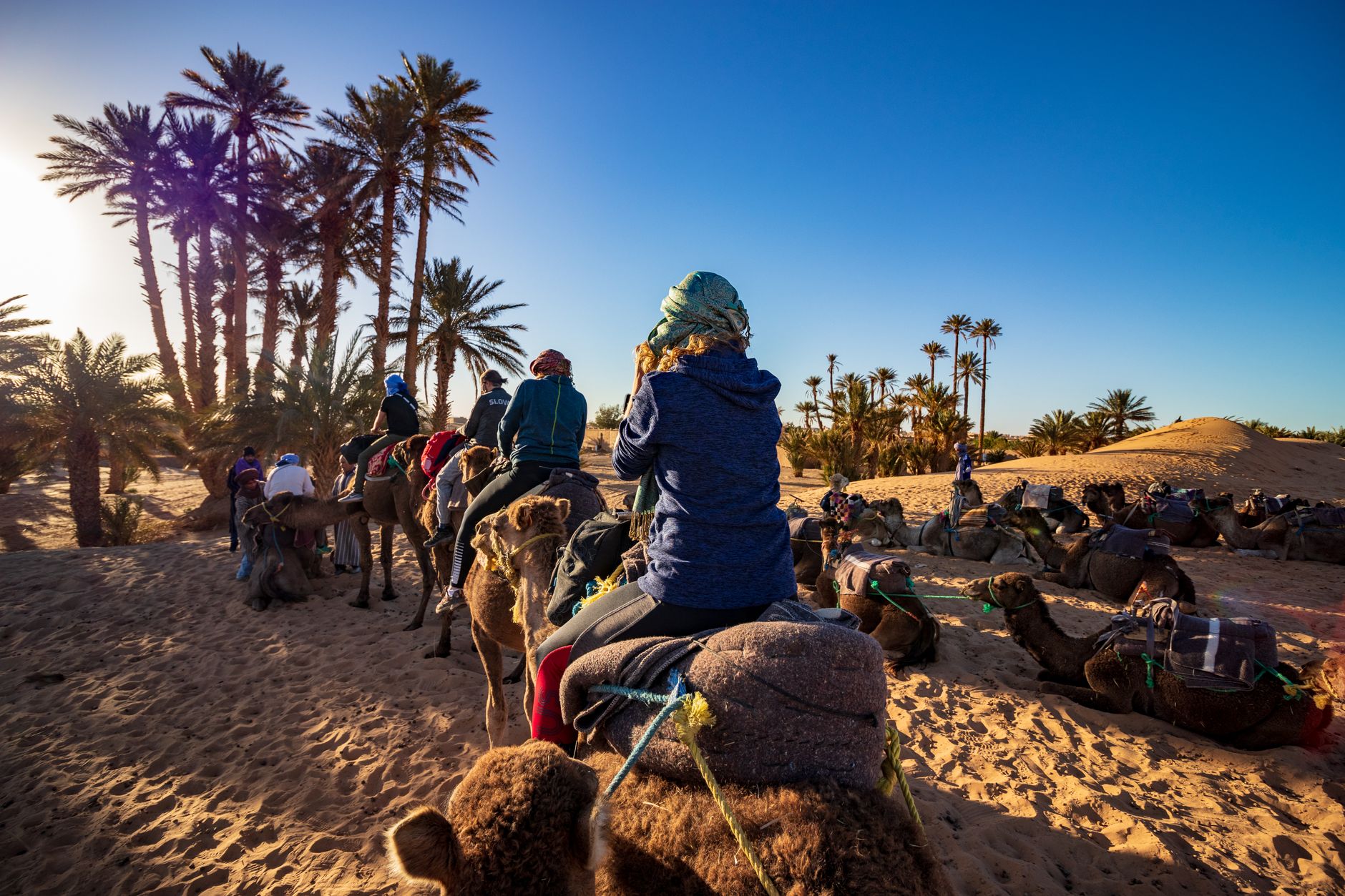
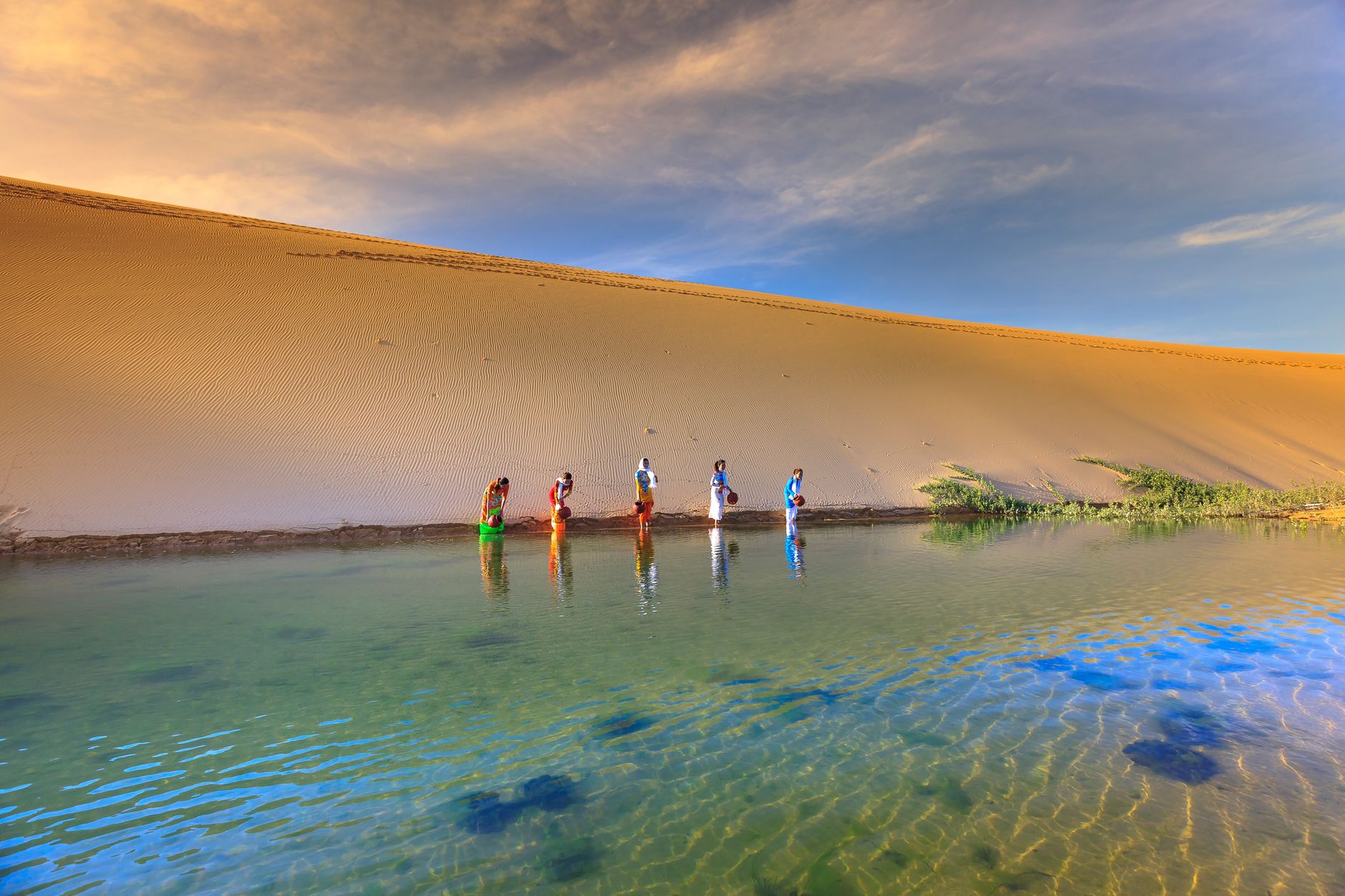
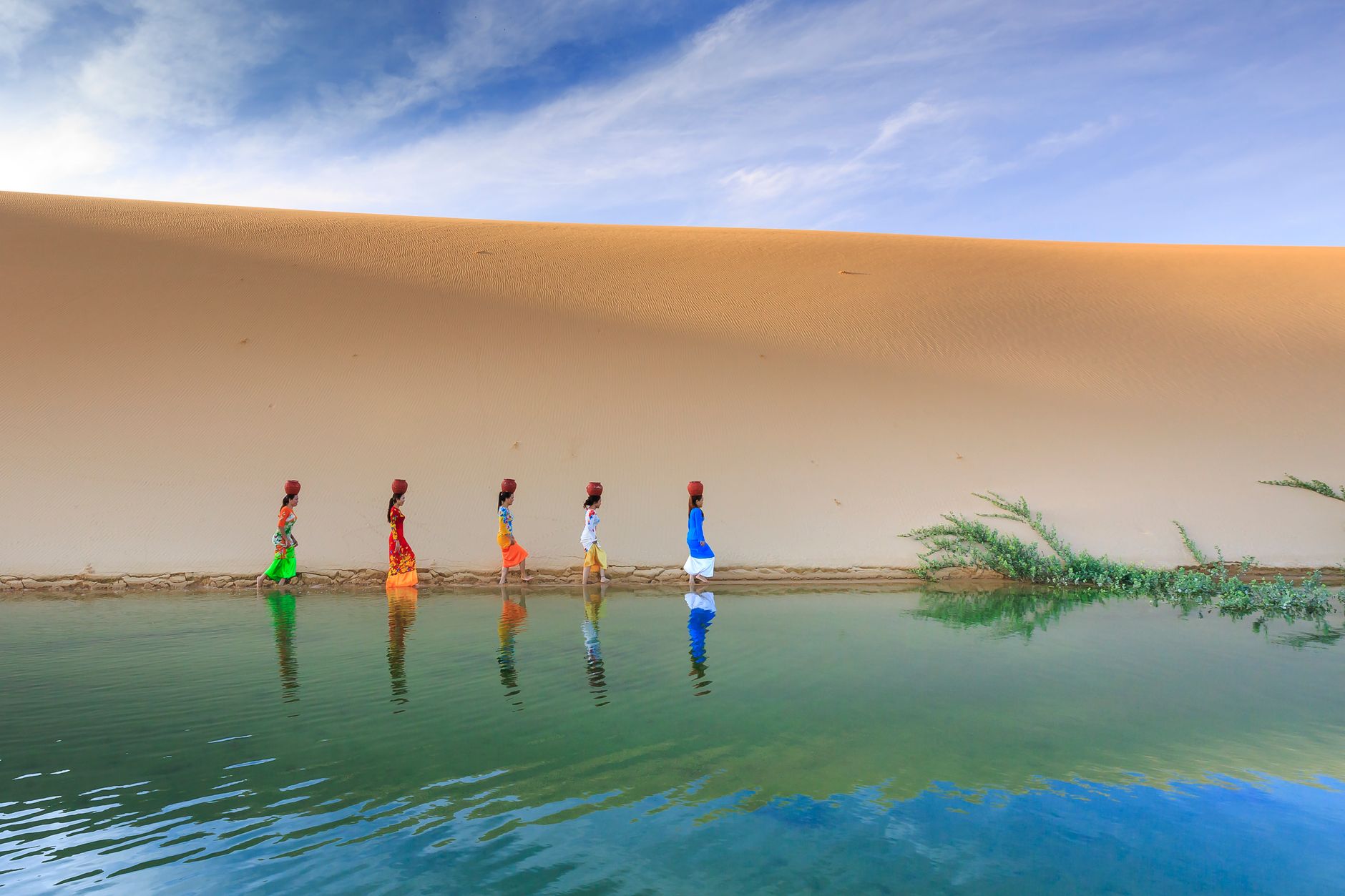
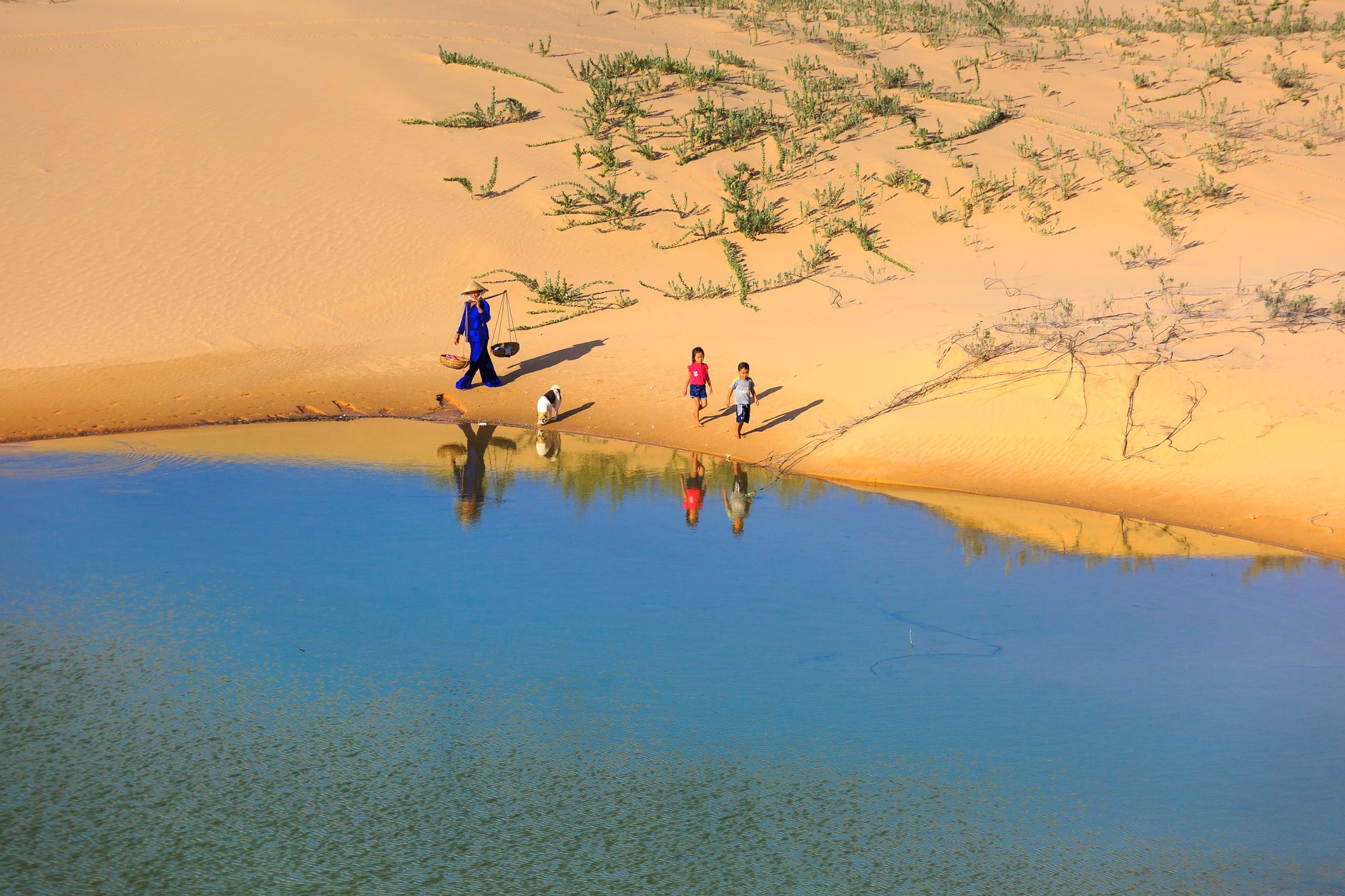
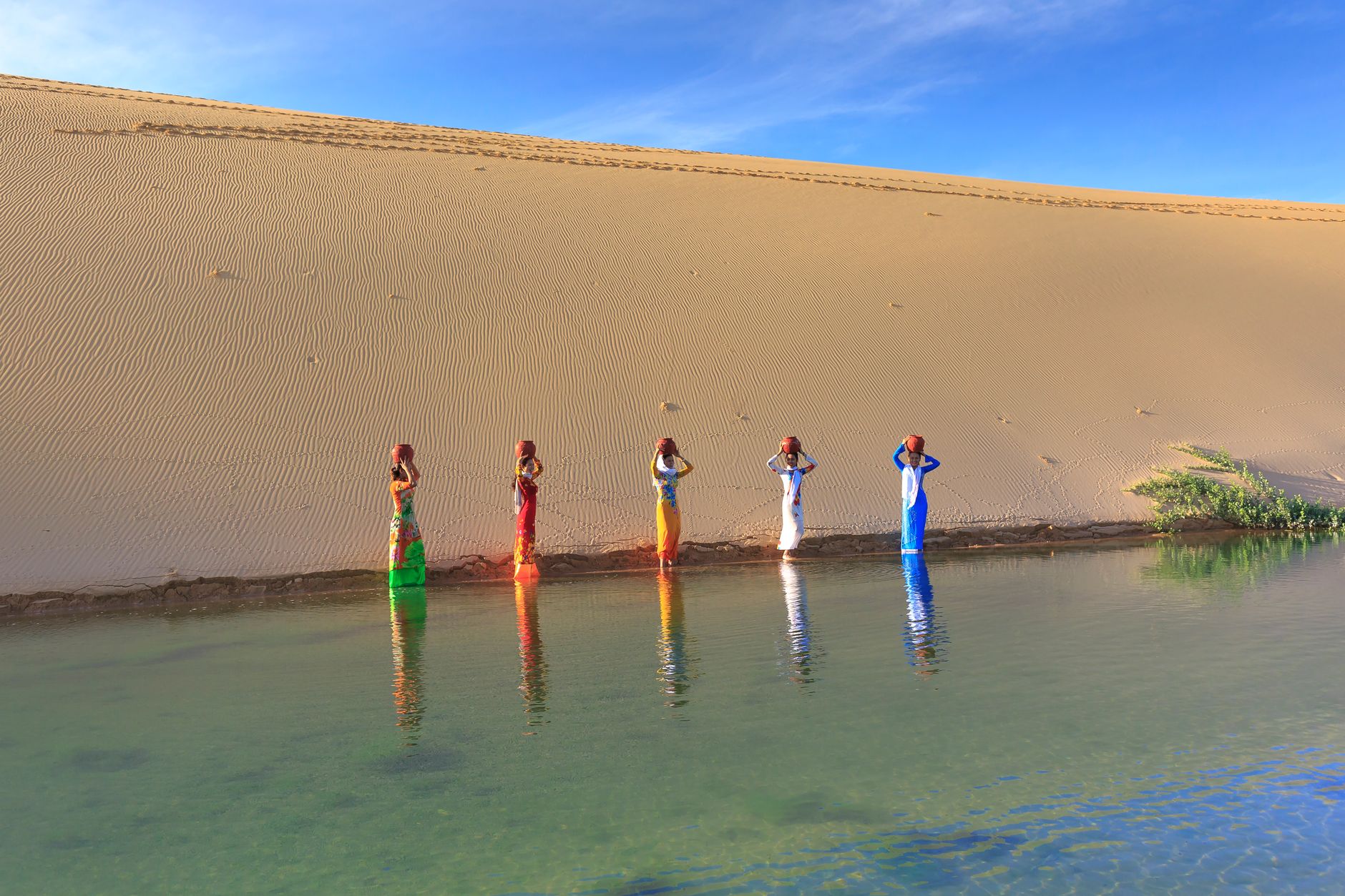
Liwa Oasis sits at the edge of the Rub' Al Khali — the Empty Quarter — a crescent of date gardens and low villages strung across roughly 100 kilometres of desert near the Saudi border. The dunes here are not decorative. Moreeb Dune alone rises more than 300 metres at a slope steep enough to make a 4x4 think twice.
This is where the Bani Yas tribe sank roots before the 16th century, tapping underground freshwater to grow dates in one of the driest places on earth. The ruling families of both Abu Dhabi and Dubai trace their origins to this oasis. Liwa rewards the overnight visitor: the light at dusk over the sand, and the near-silence after, are the point.
💛 What travellers fall for
People who return tend to base themselves in Muzayri' and drive west one day, east the next — the oasis is too spread out to absorb in a single direction. Qasr Al Sarab is the splurge option for a reason; the Liwa Rest House is quieter and cheaper. Either way, go to Moreeb before 8am, before the tour convoys arrive.
How Liwa Oasis came to be
The Bani Yas tribe was cultivating dates in Liwa's scattered settlements by the 15th and 16th centuries, sustained by freshwater aquifers beneath the sand. In 1761, members of the tribe discovered fresh water on Abu Dhabi Island while travelling from Liwa — a find that seeded the permanent coastal settlement that became the UAE's capital. By 1793, the Al Nahyan family had moved their base there entirely.
The forts that remain in the oasis — Al Meel, Dhafeer, Umm Hosn — date from the 18th and 19th centuries, built to guard wells from rival groups when water was the scarcest resource of all. British explorer Wilfred Thesiger passed through Liwa twice, in December 1946 and March 1948, during his crossings of the Empty Quarter.
Who and what shaped it
People who shaped it
Landmark buildings
See Liwa Oasis in motion
Plan your visit
On the map
When to go
October to April is the only realistic time to visit: days are warm to mild and the nights can turn genuinely cool. From June through August temperatures regularly exceed 50°C — the desert is not navigable on foot, and even driving with the air conditioning running feels like pressing against something solid.
Right now
Background & history adapted from Wikipedia (CC BY-SA) · specs from Wikidata (CC0) · weather from Open-Meteo · map data © OpenStreetMap contributors · photos from Wikimedia Commons / Unsplash with per-image credit. No third-party reviews or social posts reproduced.