
Lindau
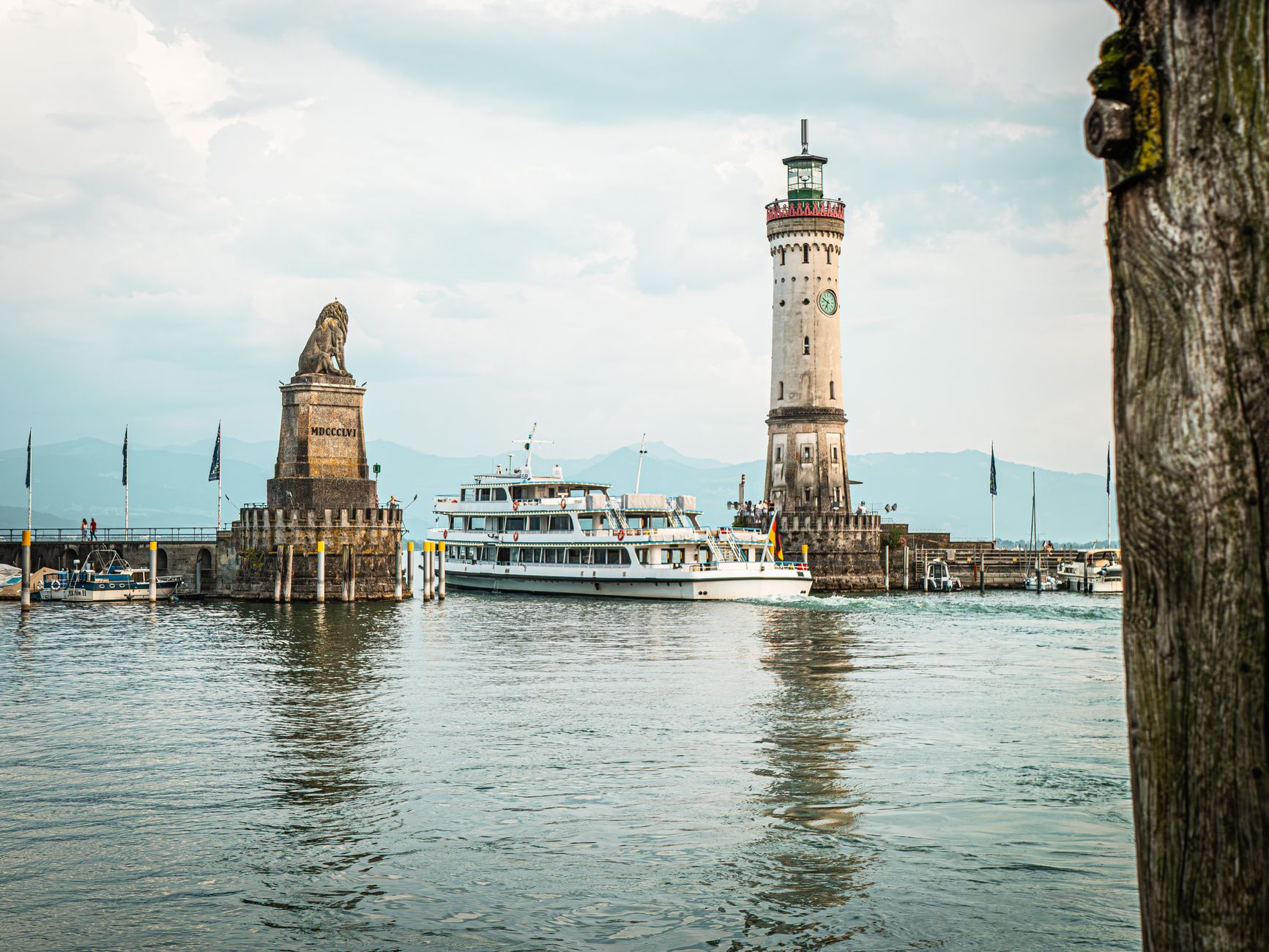
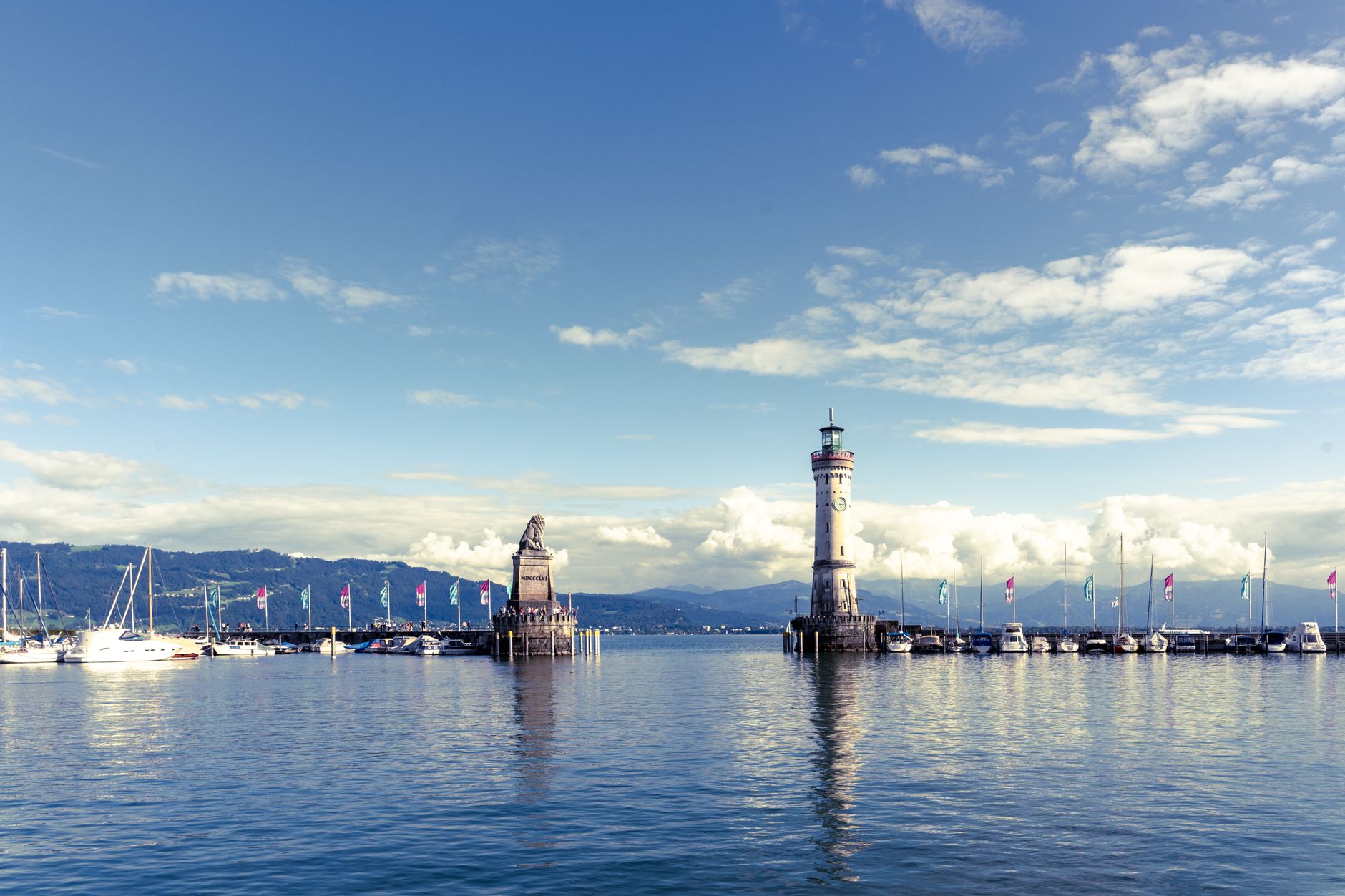
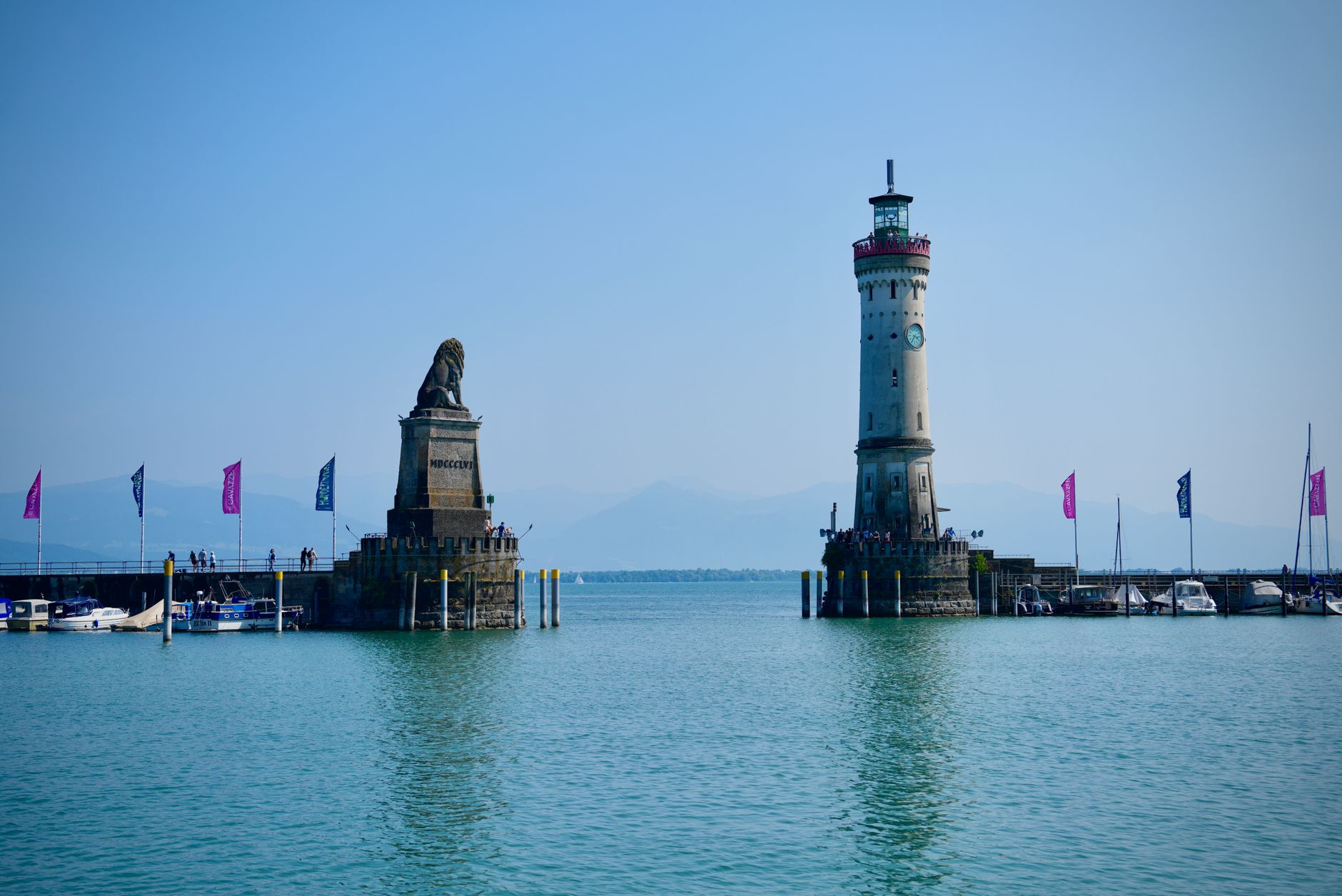
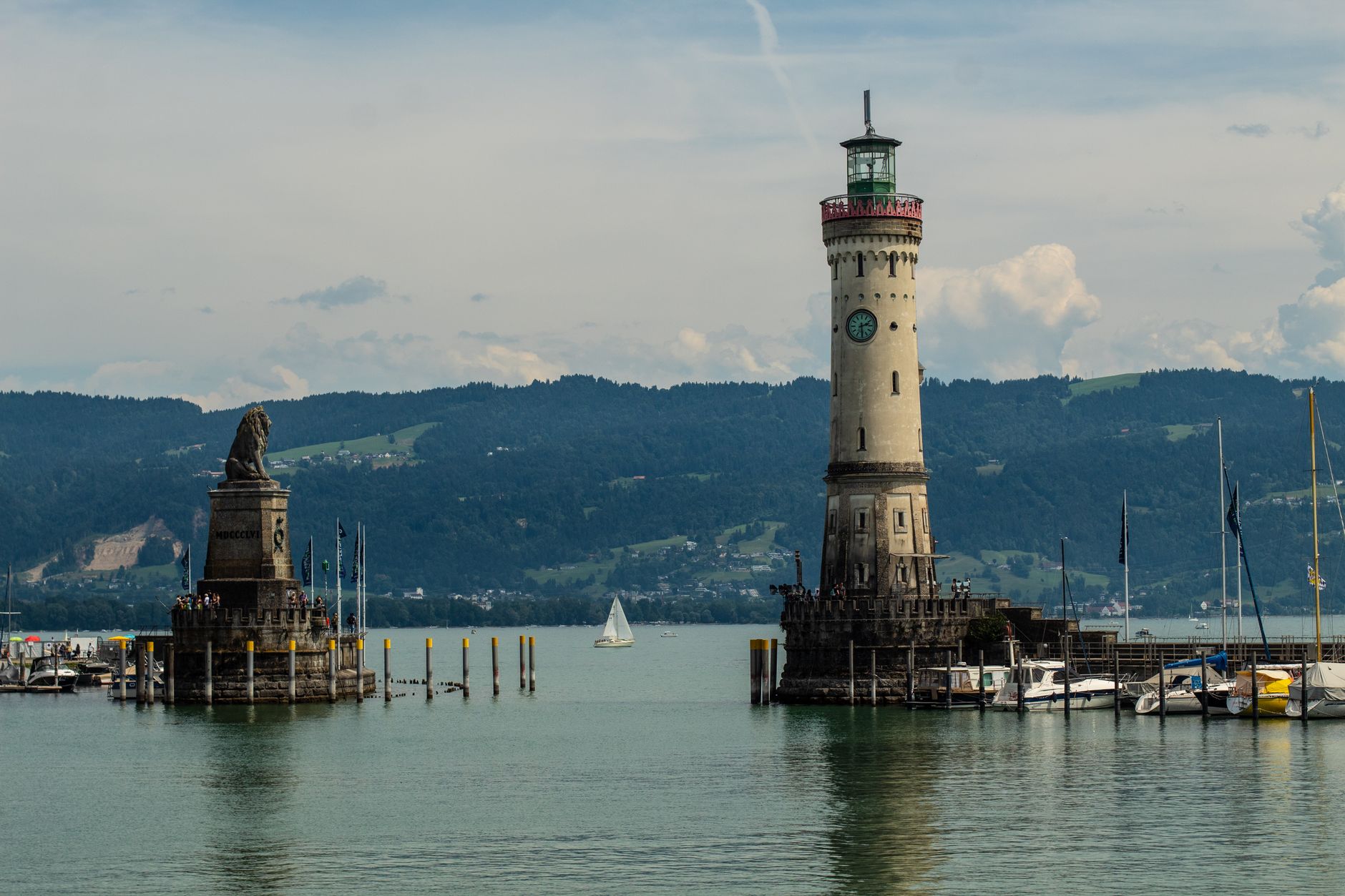
Lindau sits on a 0.68-square-kilometre island in Lake Constance, connected to the Bavarian mainland by a causeway and a railway bridge. From the harbour, you look south and the Alps are right there — closer than you expect, their snow line reflected in water that reaches 20°C by midsummer. The lion sculpture and the old lighthouse that mark the harbour entrance were both built in the 1850s, and they still read as a proper threshold: you are entering somewhere that has been worth arriving at for a long time.
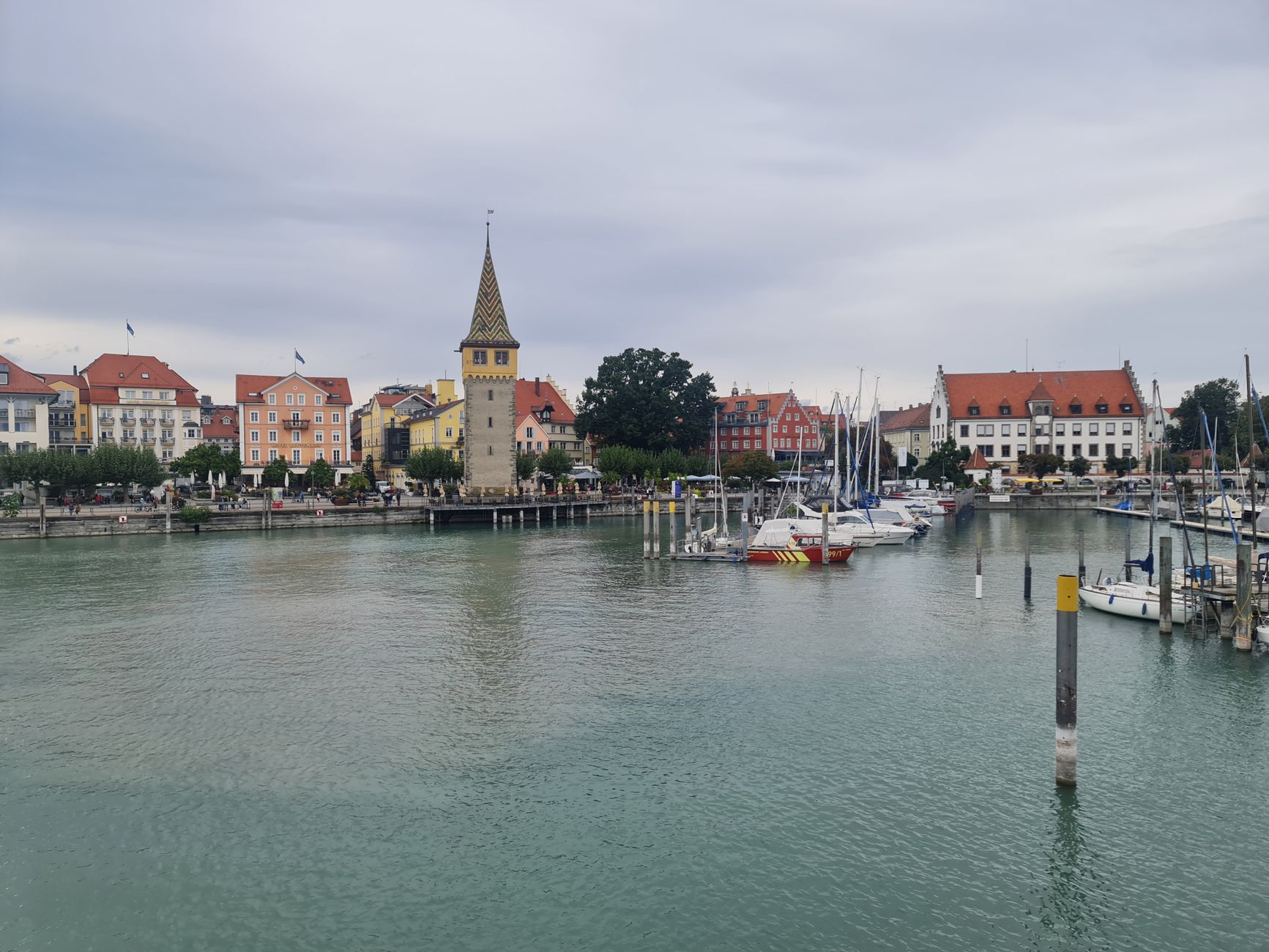
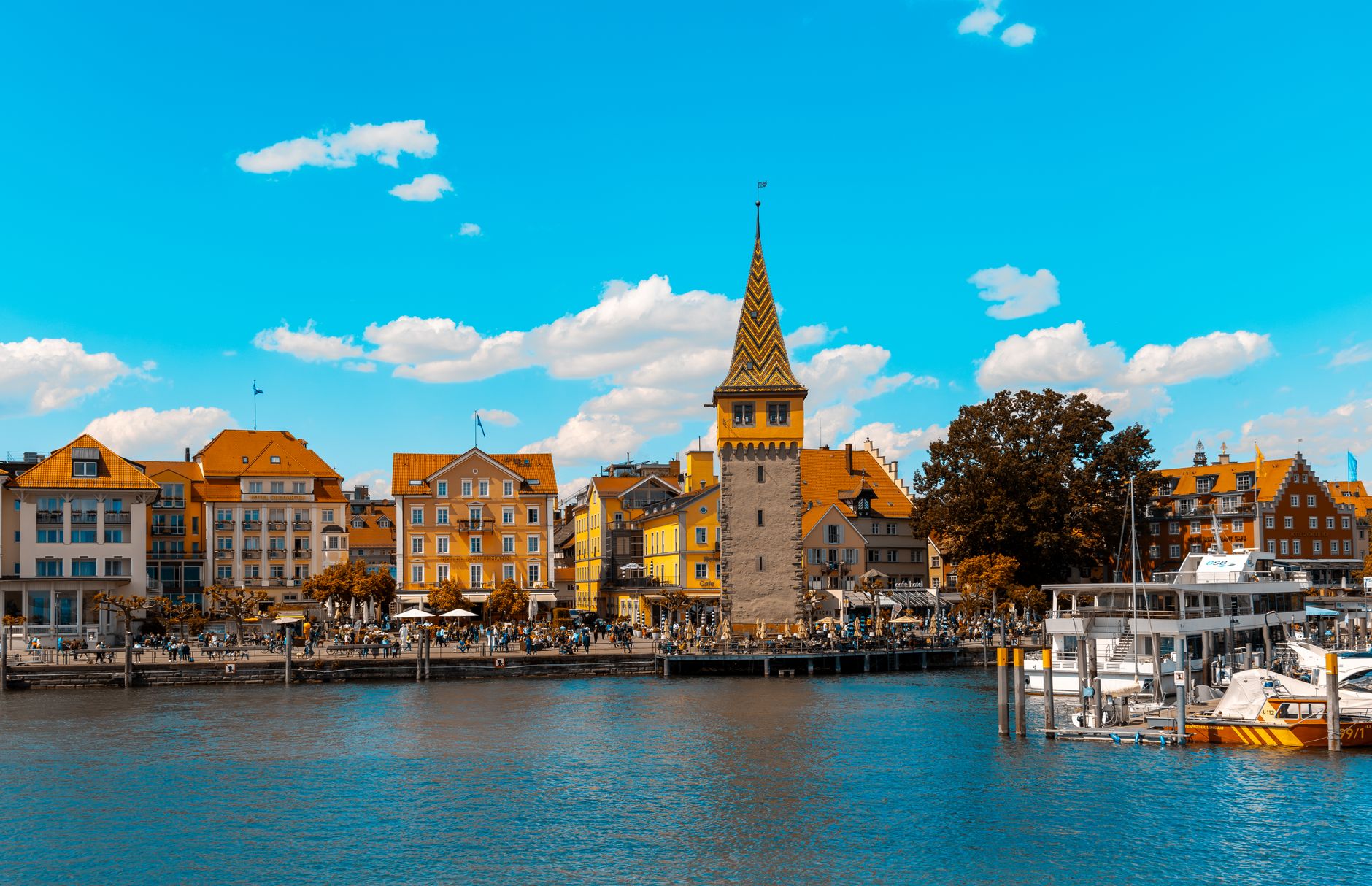
The old town is compact enough to walk end to end in twenty minutes, but Maximilianstrasse, the medieval spine, keeps slowing you down — a 15th-century town hall here, a 12th-century tower there, the Alps framed at the end of every cross-street.
💛 What travellers fall for
People who come back tend to time it around the Kinderfest, the children's festival that has run every year since 1655, when City Syndic Valentin Heider started it after the Thirty Years' War. It's also worth knowing the Bayern-Ticket gets you here from Munich without any extra fuss, and that the boat lines to Bregenz and Konstanz are genuinely the best way to see the lake.
Deals in Lindau
Book directly at the provider


How Lindau came to be
A Roman camp stood here before the Benedictines arrived around 822, when Count Adelbert of Raetia founded an abbey on the island. The name Lindau appears in writing for the first time in 882, noted by a monk from St. Gallen. The town was fortified through the 12th century and became a free imperial city in 1275 — a status that gave it the independence to build the Thieves' Tower around 1380 and accumulate the layered architecture still visible today.
The Reformation, the Thirty Years' War, and then the secularisation of 1802 each left their mark. Austria held Lindau briefly from 1804; Bavaria took it in 1805. After World War II it passed into French administration, returning to Bavaria only in 1955 — a detail that still occasionally surfaces in the town's self-understanding.
Who and what shaped it
People who shaped it
Landmark buildings
See Lindau in motion
Plan your visit
On the map
When to go
Summer brings seven hours of sunshine a day, temperatures that can push past 30°C, and a mild lake breeze — though the Alps drive rainfall noticeably higher than the German average, so a jacket is never wasted. In winter the lake moderates the cold and hard freezes are rare, but the Föhn wind comes through fast and can turn the water rough within hours.
Right now
Background & history adapted from Wikipedia (CC BY-SA) · specs from Wikidata (CC0) · weather from Open-Meteo · map data © OpenStreetMap contributors · photos from Wikimedia Commons / Unsplash with per-image credit. No third-party reviews or social posts reproduced.