
Limassol
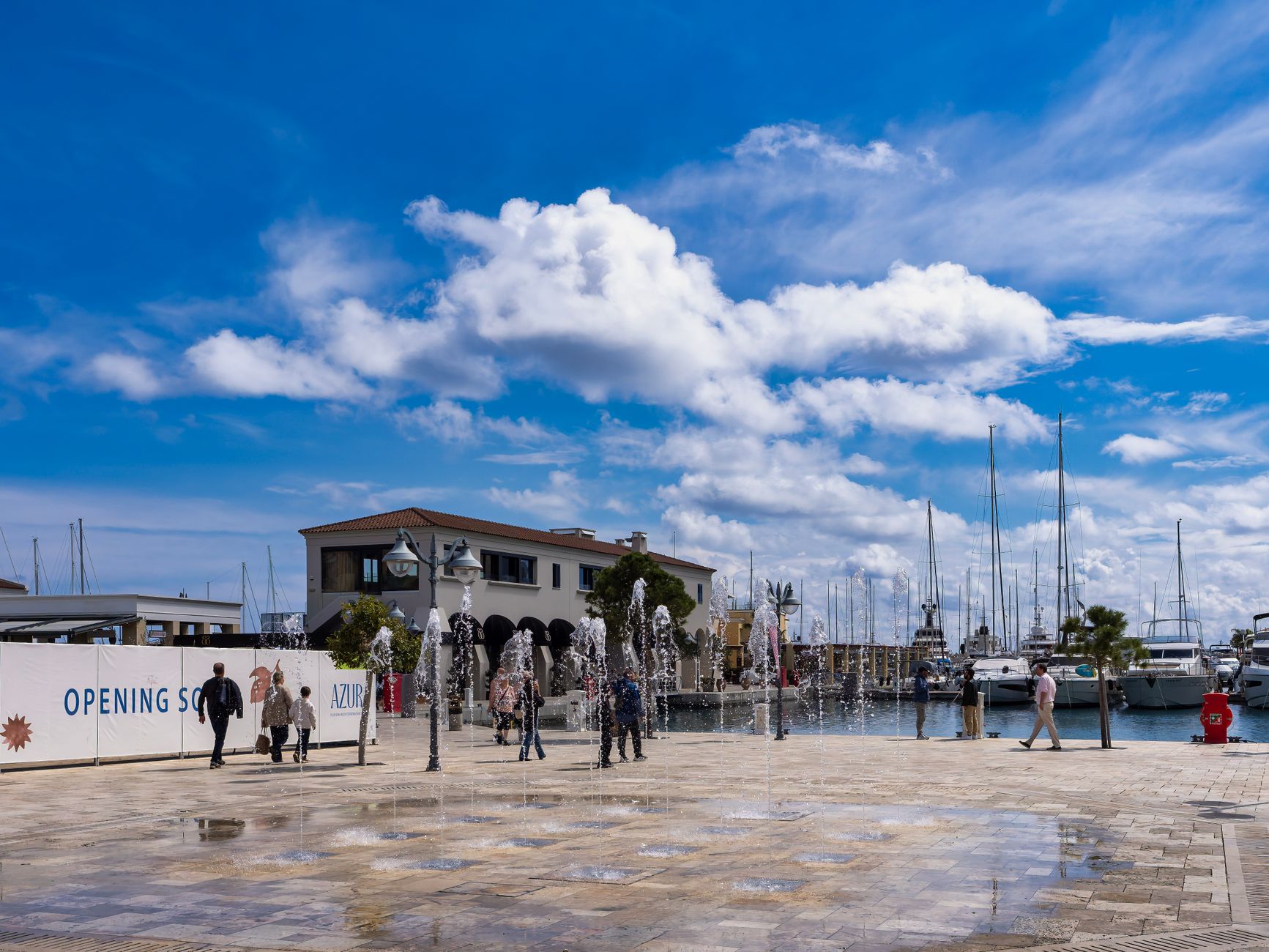
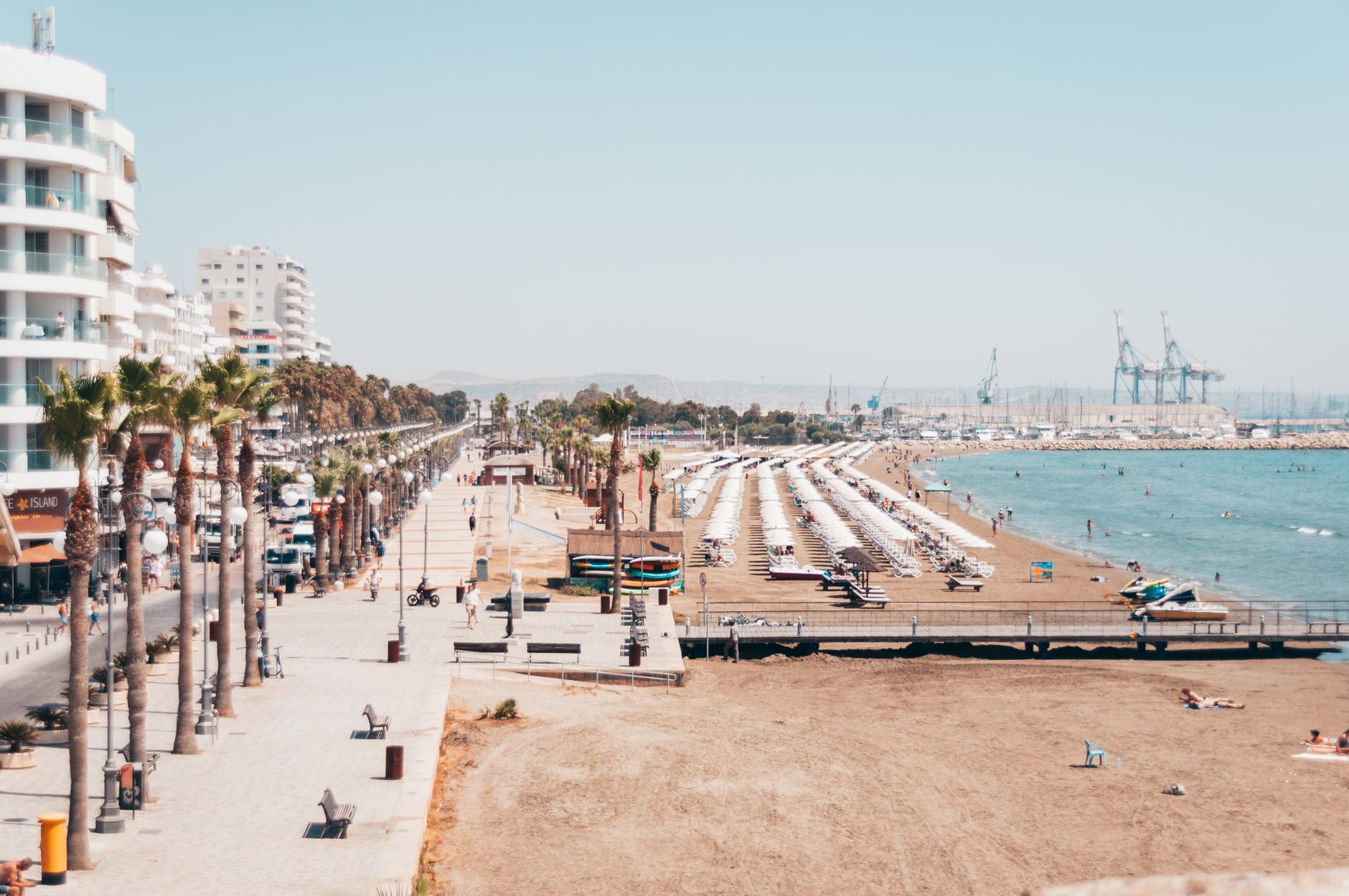
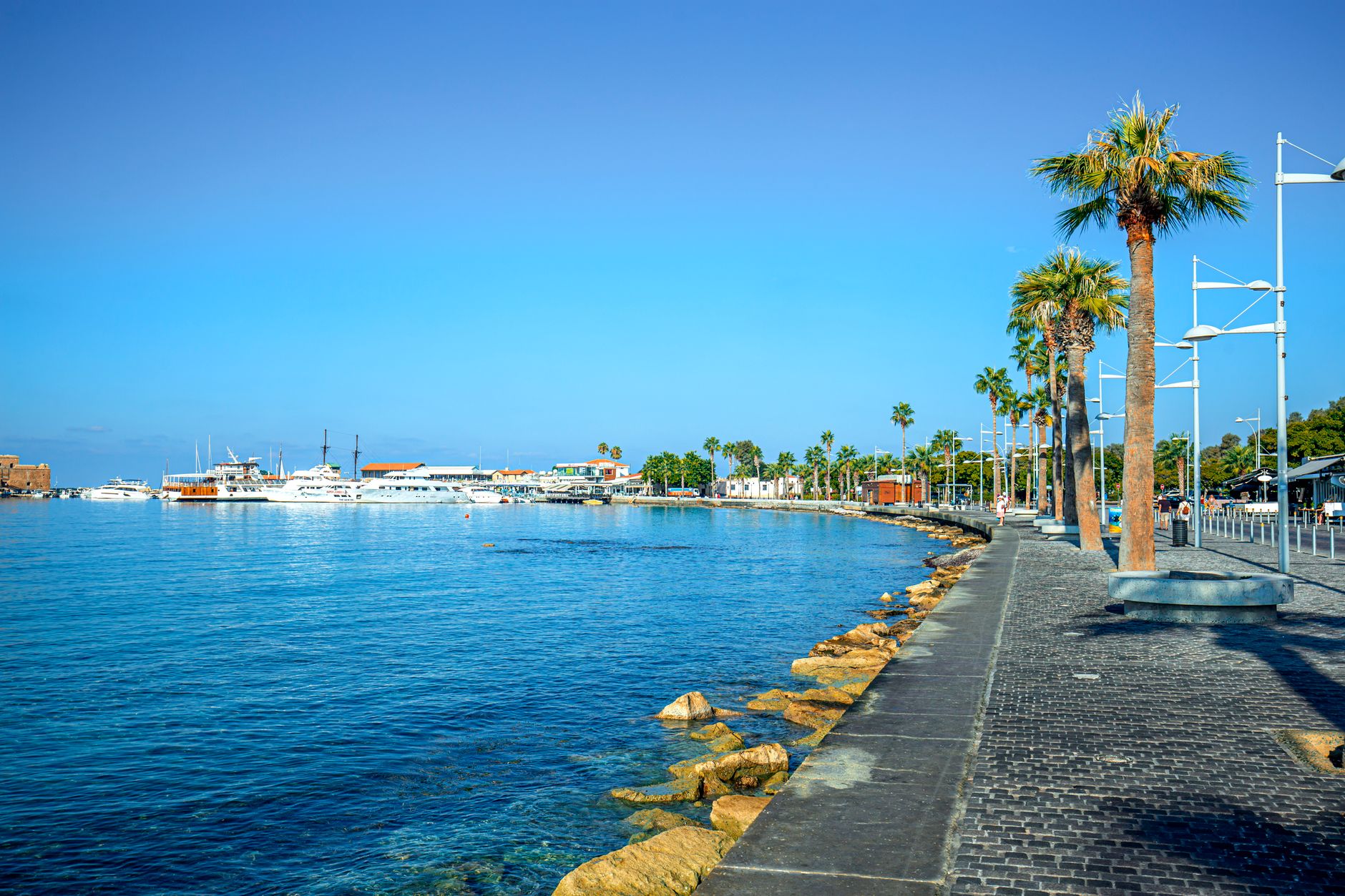
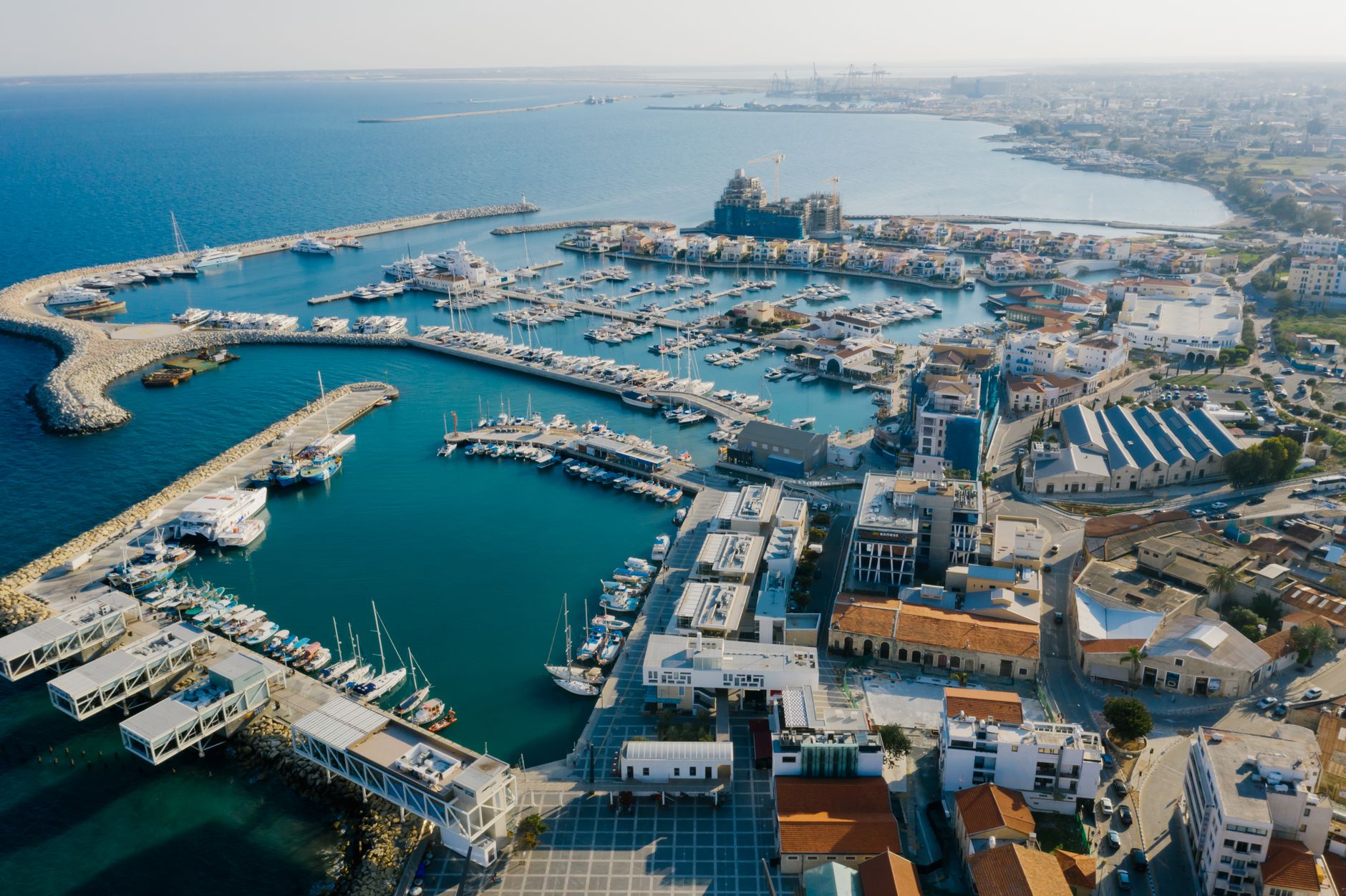
Limassol sits on Cyprus's southern coast with its back to the Troodos foothills and its face to the sea, and it has been doing that long enough to accumulate a genuinely strange mix of layers: a medieval castle that started as a Byzantine basilica, a neo-Byzantine bishop's residence designed by the same architect who built a merchant family's mansion seven years later, and now Europe's tallest seafront residential tower rising above all of it. The city is Cyprus's main port — a role it inherited only in 1974, when Famagusta closed — and that accident of history explains much of its energy and ambition.
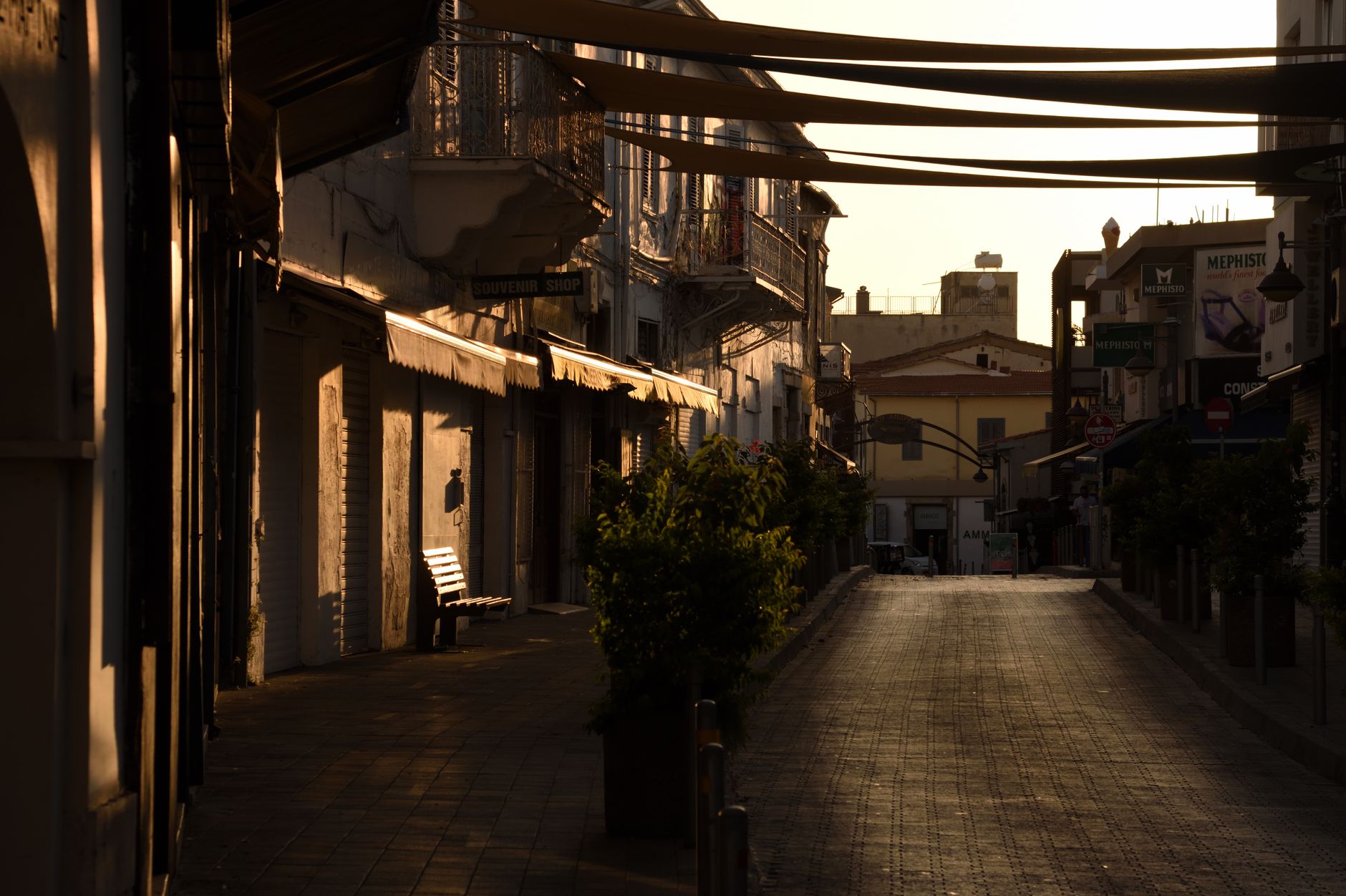
The old city still holds its ground around the castle and Ayia Napa Cathedral, where the streets narrow and the carob warehouses have been repurposed into art foundations. A kilometre of reclaimed seafront — the Molos — connects that older core to a coastline that is, depending on where you stand, either quietly residential or emphatically new.
How Limassol came to be
The name Nemesos appears in writing for the first time in the tenth century, though settlement here goes back further — the castle's foundations began as a Christian basilica around the fourth century. The pivotal year was 1191, when Richard the Lionheart arrived on 1 May, married Berengaria of Navarre here, and promptly sold the island to the Knights Templar for 100,000 bezants. Guy of Lusignan, a French Catholic lord from Poitou, ultimately took control and built the first proper castle around 1193. His dynasty ruled Cyprus for nearly three centuries, and Limassol flourished under them.
Venice bought the island from Queen Catherine Cornaro in 1489, then dismantled the castle in 1539 — the Ottomans rebuilt it from the same stones after 1570. British administration arrived in 1878, bringing roads and infrastructure. The closure of Famagusta's port in 1974 made Limassol the republic's chief port almost overnight, setting off a growth that has not really stopped since.
Who and what shaped it
People who shaped it
Landmark buildings
See Limassol in motion
Plan your visit
On the map
When to go
Summers are long, dry and genuinely hot, with July and August regularly exceeding 35°C on the coast. From October through April the temperature drops to something more forgiving — mild and often sunny, though January and February bring occasional rain and cooler evenings that make a coat worthwhile.
Right now
Background & history adapted from Wikipedia (CC BY-SA) · specs from Wikidata (CC0) · weather from Open-Meteo · map data © OpenStreetMap contributors · photos from Wikimedia Commons / Unsplash with per-image credit. No third-party reviews or social posts reproduced.