
Lhaviyani Atoll (Faadhippolhu)

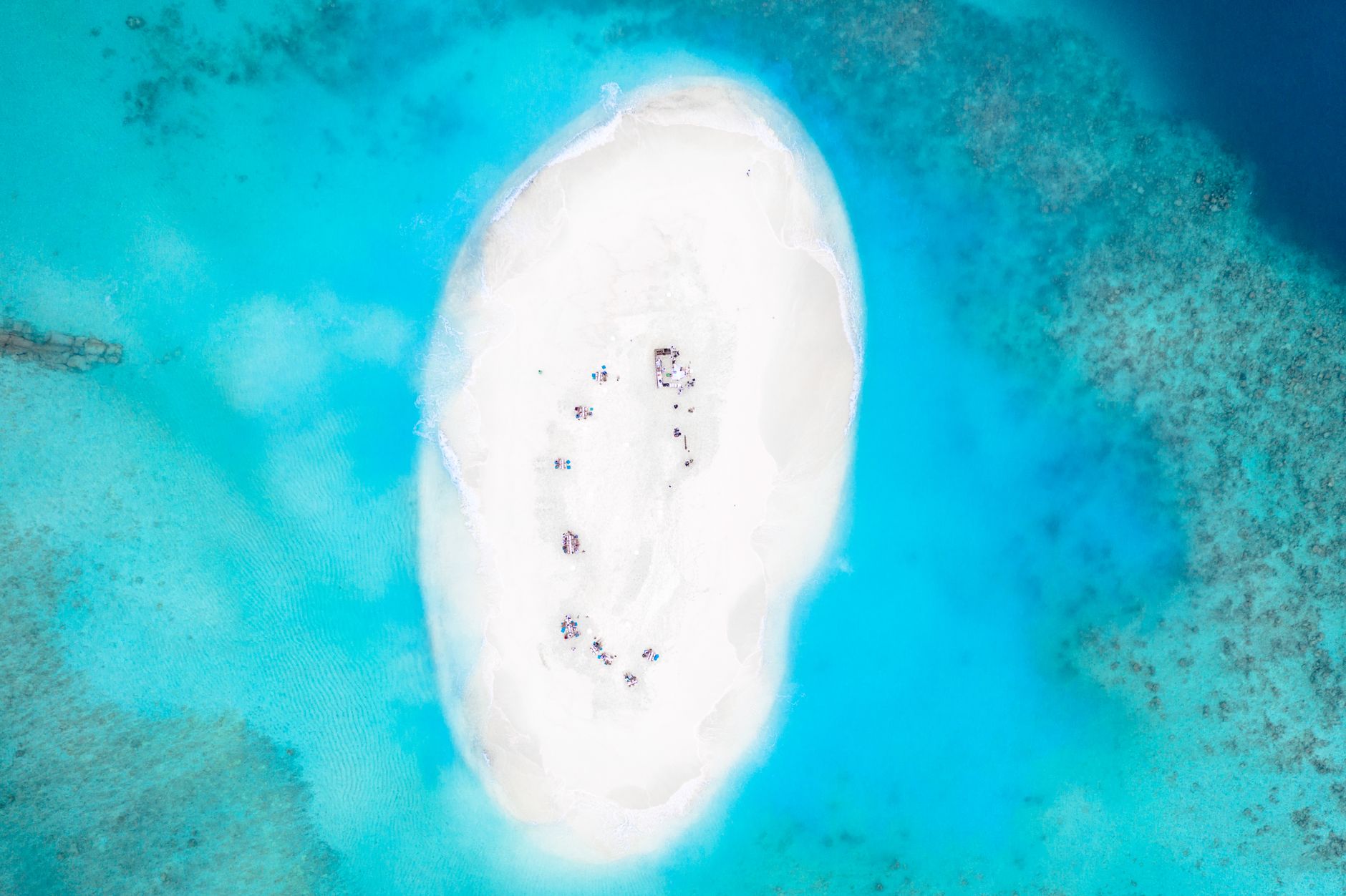
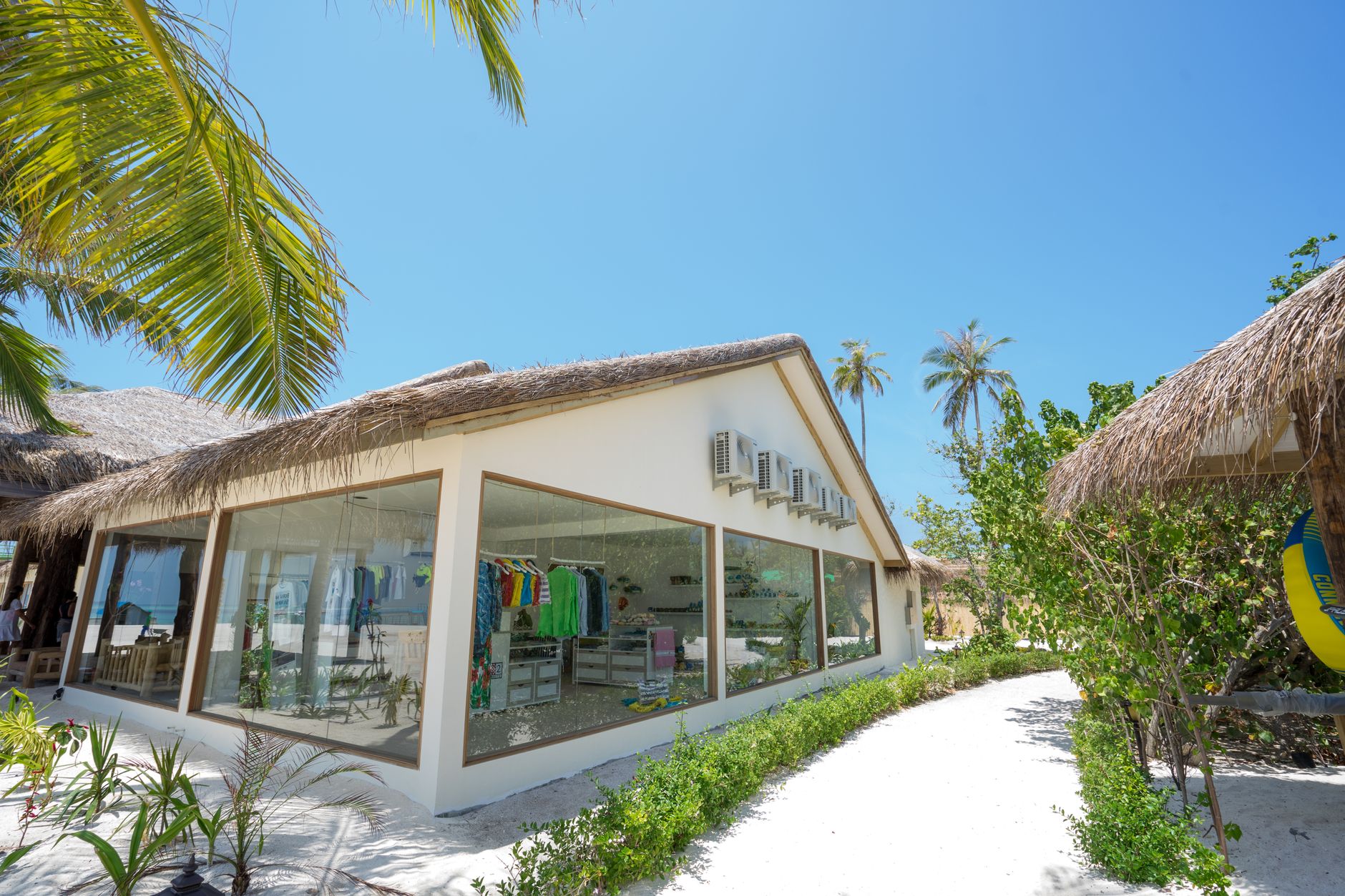
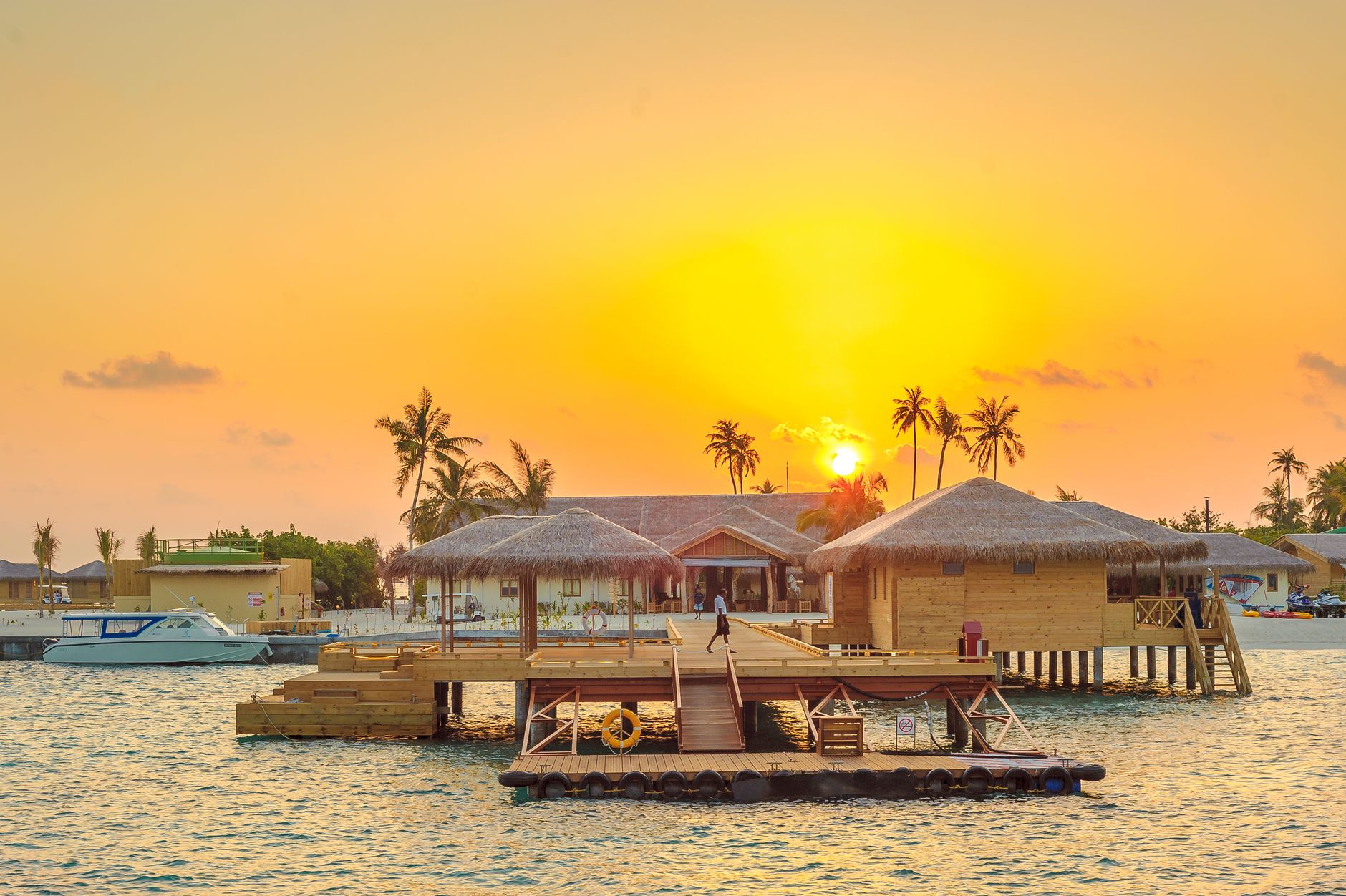
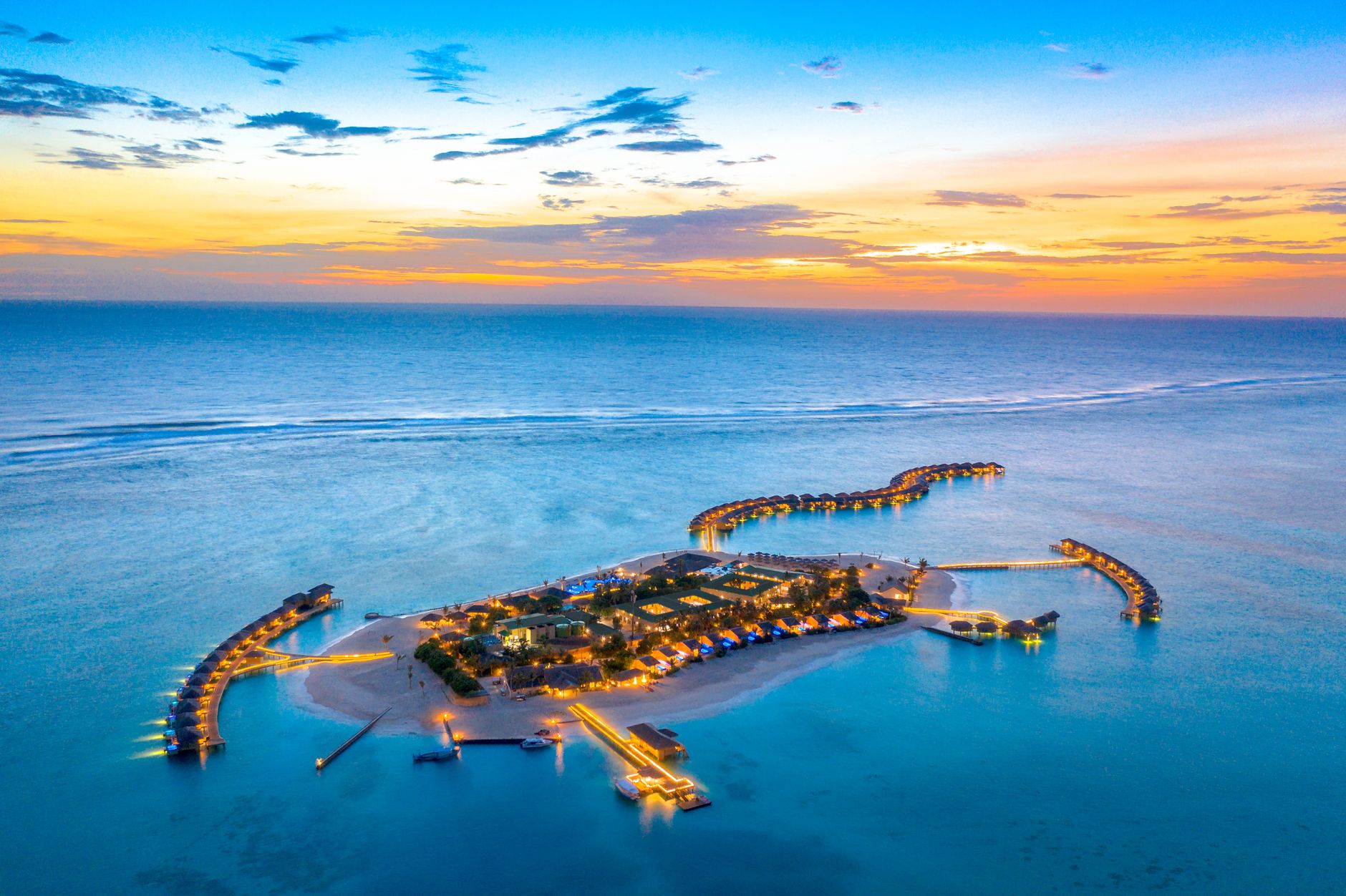
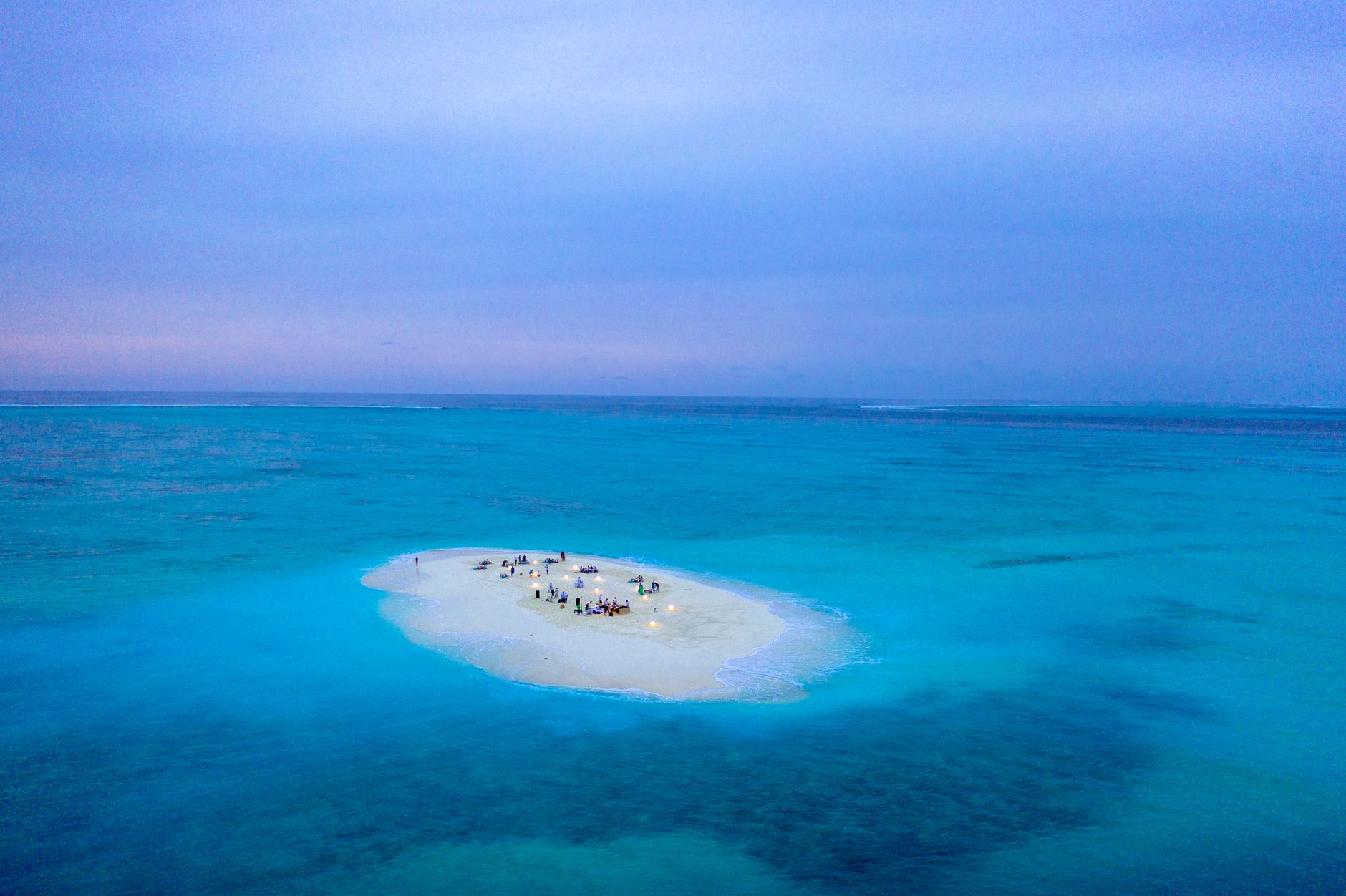
Lhaviyani Atoll sits roughly 140 kilometres north of Malé, a loose scatter of reef and sand where the Indian Ocean does most of the talking. Ten luxury resorts occupy private islands here, yet the atoll's capital, Naifaru — whose name translates as Island of Palms — is still a working fishing community of around 4,000 people, its craftsmen shaping dhonis by hand the way their families have for generations.
Underwater, the atoll earns its reputation honestly. Kuredu Express is a drift channel where grey reef sharks school in groups of twenty or more on an incoming tide. Fushivaru Thila draws manta rays to a cleaning station on the pinnacle's upper shelf. Above the surface, a 400-tonne all-glass restaurant sits 5.8 metres down in a resort lagoon — the largest of its kind in the world.
💛 What travellers fall for
People who return tend to split their time deliberately: a night or two on Naifaru for the mother-of-pearl workshops and a walk past the boat-builders' yards, then out to a resort island for the channel dives. The wreck site off Felivaru — one hull upright, one on its side at thirty metres, both thick with soft coral — rewards a second visit at different tides.
How Lhaviyani Atoll (Faadhippolhu) came to be
The atoll appears in the historical record under the name Faadu Bur, dating to the early 12th-century reign of King Koimala Siri Mahaabarana Mahaa Radun, the first ruler to consolidate authority over all the Maldive islands. Its remoteness later made it a refuge and a power base: in the late 16th century, a challenger named Mohamed Rannabadeyri Thakuru, backed by the Adhi Raja of Cannanore, attacked Malé in an attempt to unseat Sultan Ibrahim III. When the capital held, Rannabadeyri retreated north and governed Faadhippolhu and the surrounding atolls until Sultan Muhammad Imaduddin I ended his hold between 1620 and 1648.
More recent history is quieter but telling. The island of Maafilaafushi was resettled in the 1980s specifically to ease overcrowding in Malé — a reminder that Lhaviyani has long absorbed the pressures felt elsewhere in the archipelago. In 2012 the atoll was designated a UNESCO Biosphere Reserve, and in February 2022 Madivaru Airport opened, cutting transfer times and connecting local islands to the wider network for the first time.
Who and what shaped it
People who shaped it
Landmark buildings
See Lhaviyani Atoll (Faadhippolhu) in motion
Plan your visit
On the map
When to go
January through April is the driest window — February averages just 40 mm of rain — and the northeast monsoon keeps surface conditions calm with strong underwater visibility. The southwest monsoon (May to October) brings rougher seas and heavier rain, but also pushes plankton into the channels, which is exactly what draws manta rays to Fushivaru Thila's cleaning stations.
Right now
Background & history adapted from Wikipedia (CC BY-SA) · specs from Wikidata (CC0) · weather from Open-Meteo · map data © OpenStreetMap contributors · photos from Wikimedia Commons / Unsplash with per-image credit. No third-party reviews or social posts reproduced.