
León
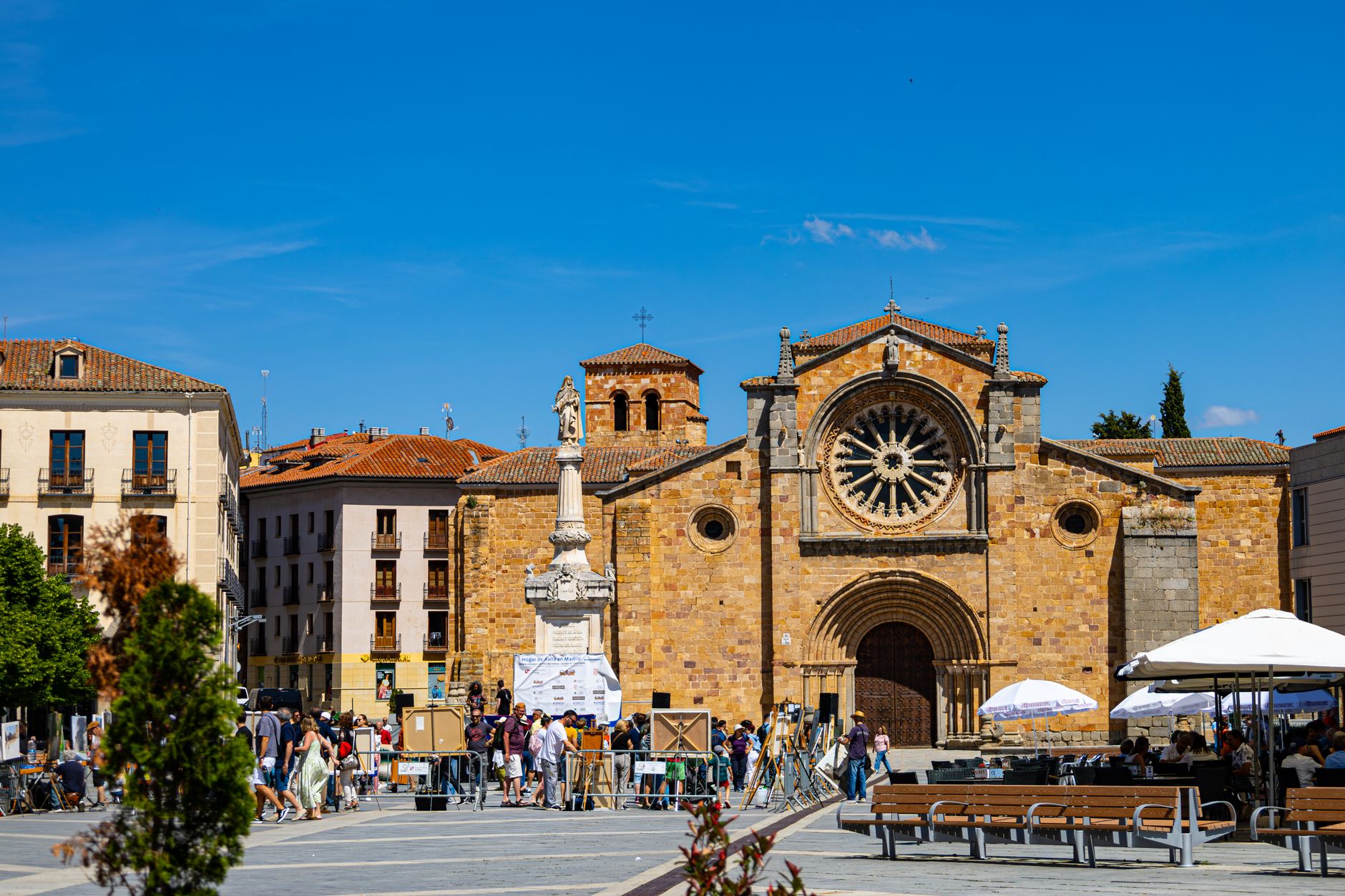
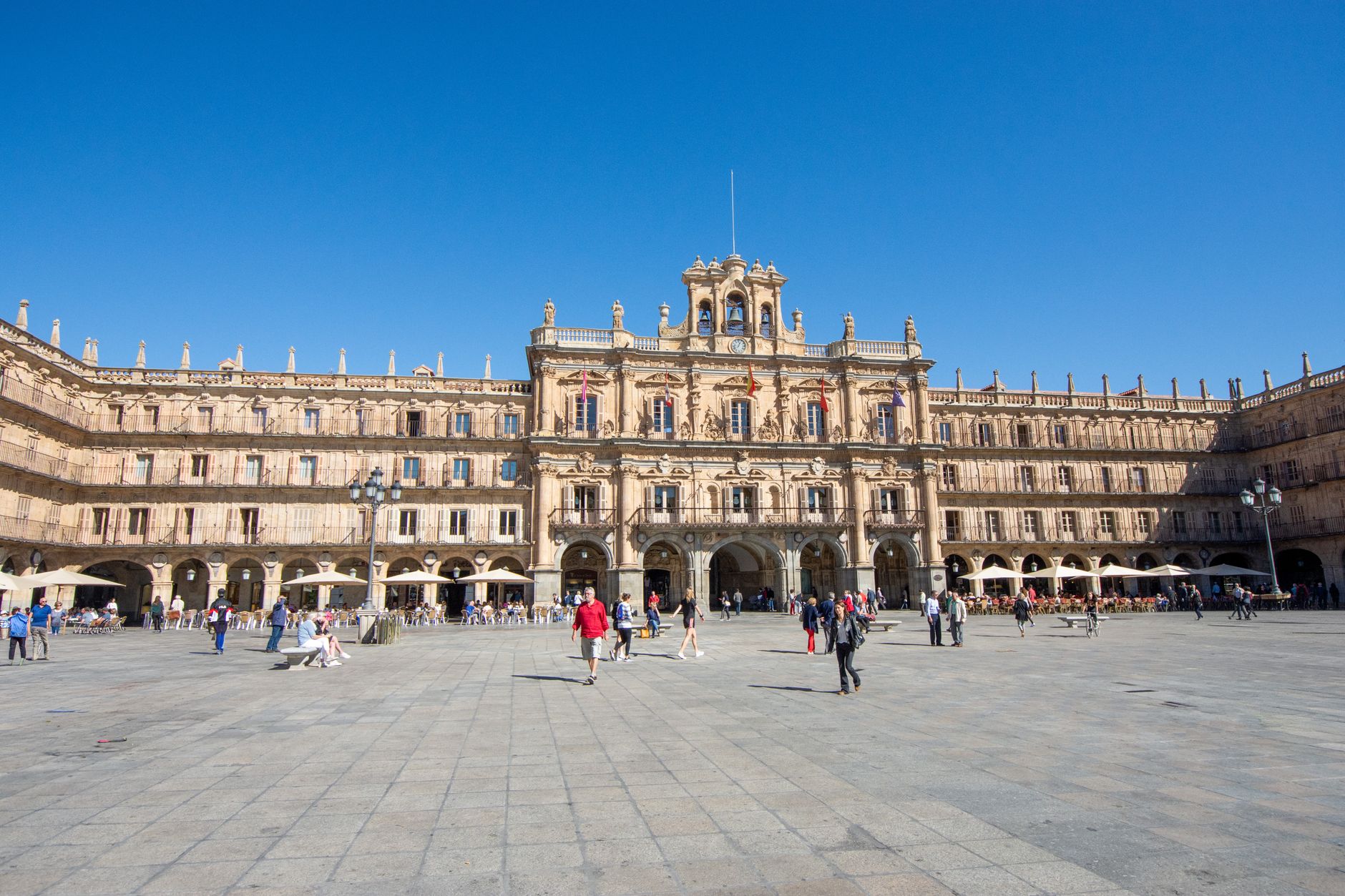
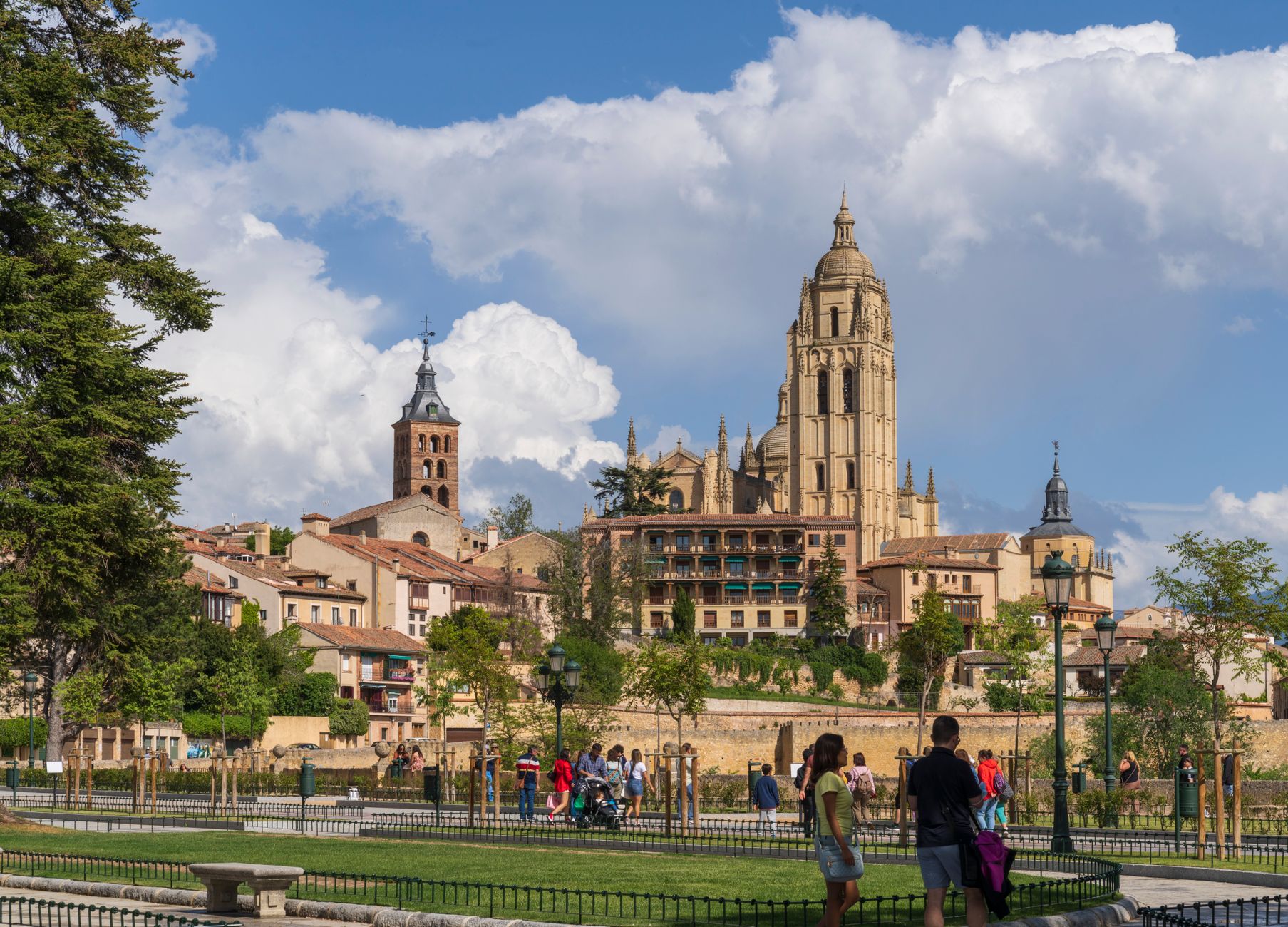
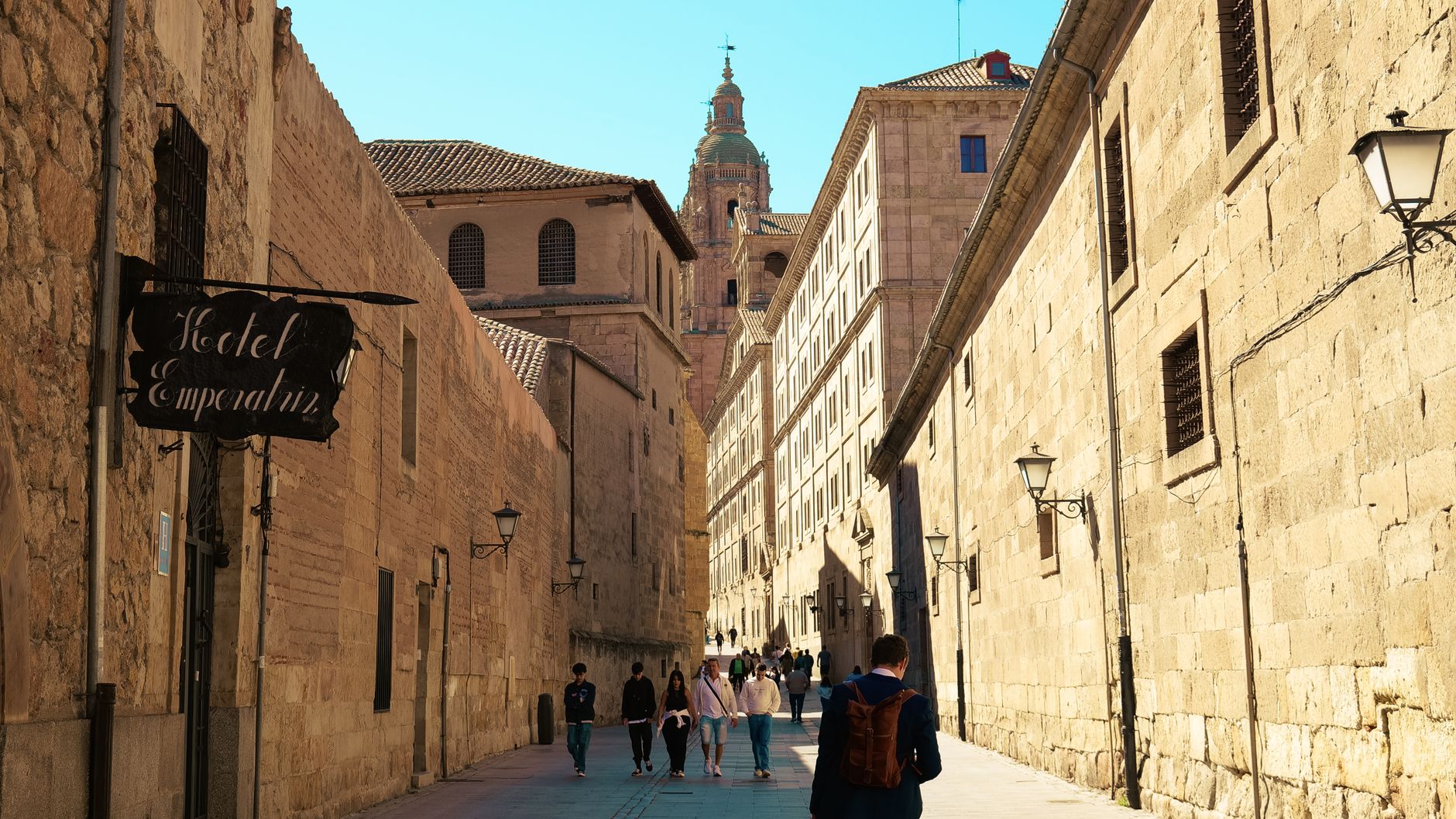
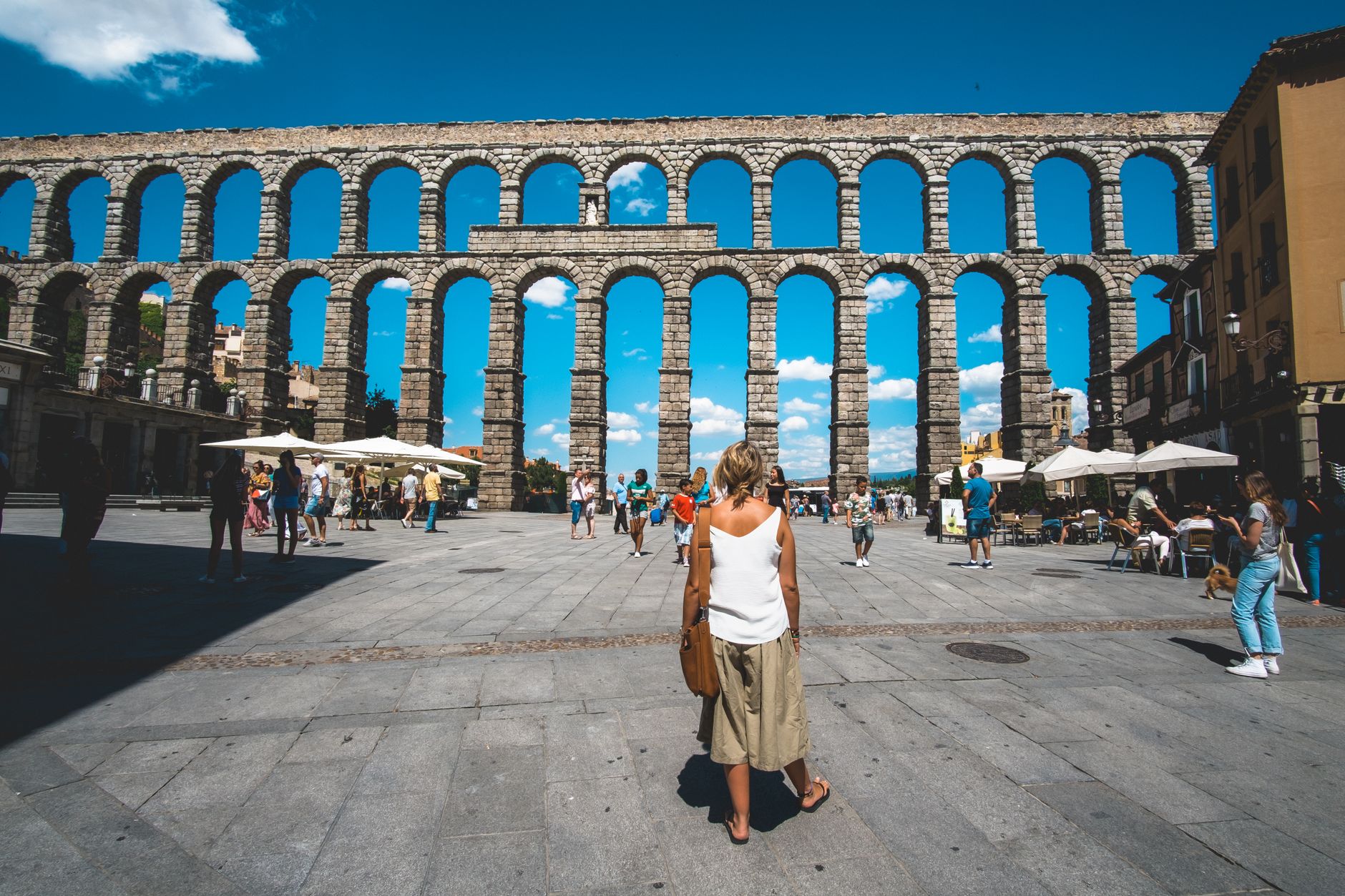
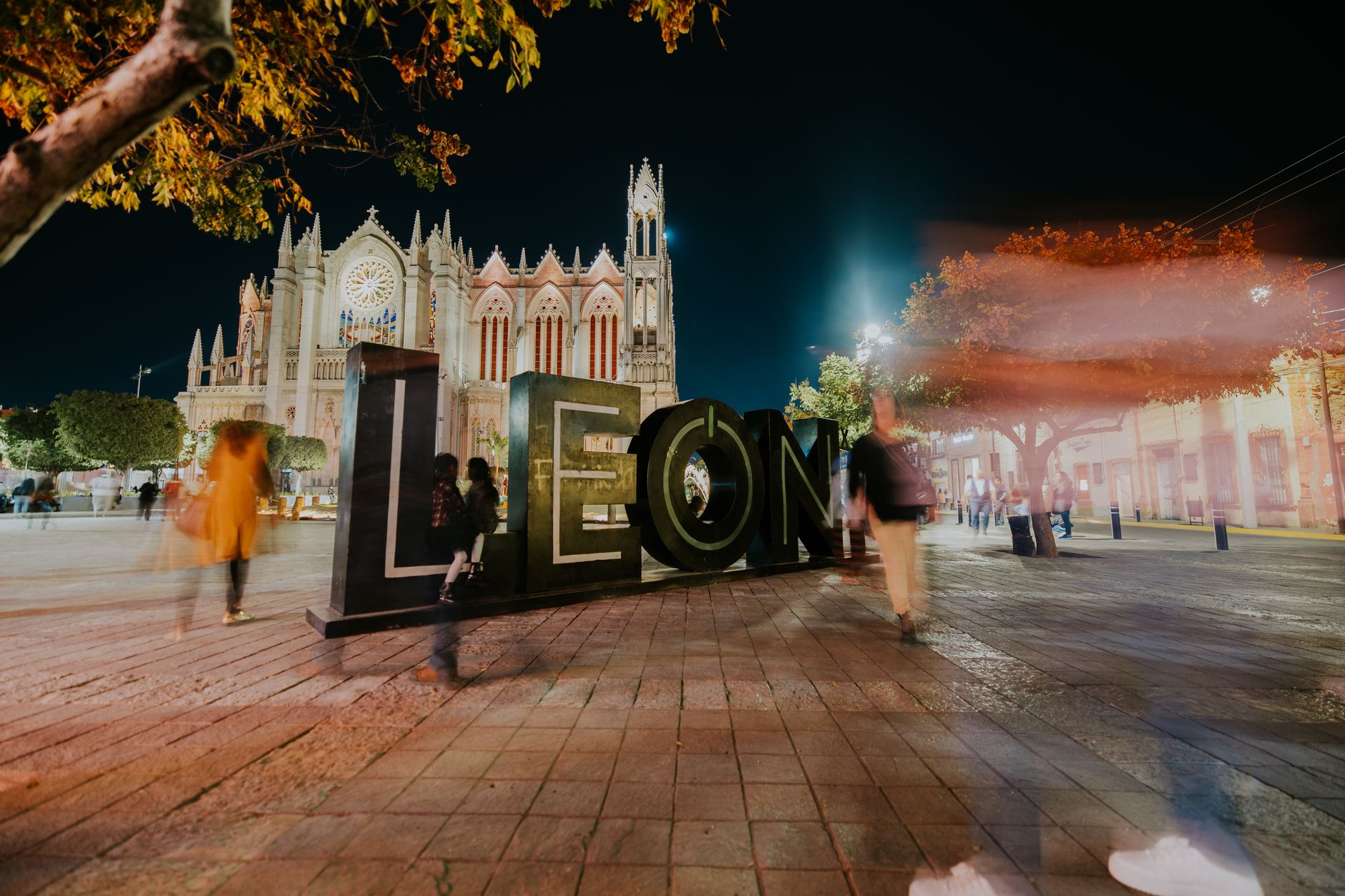
León wears its history on its skin. The cathedral alone — a low, cream-coloured mass that took nearly seventy years to build and remains the largest in Central America — anchors the city's central park like a geological fact. Rubén Darío, the poet who reshaped the Spanish language, is buried in its crypt. That combination of weight and ambition runs through the whole city: colonial churches on almost every block, a university founded in 1813, and streets that saw some of the hardest fighting of the 1979 revolution.
León is Nicaragua's intellectual and political nerve — the city where power was contested, poets were born, and dictators were shot. It rewards slow walking and genuine curiosity.
How León came to be
The city Francisco Hernández de Córdoba founded in 1524 no longer exists. Earthquakes and volcanic eruption forced its abandonment in 1610, and the ruins — León Viejo — sat largely buried until excavations began in 1960. They were declared a UNESCO World Heritage Site in 2000. The current city was rebuilt that same year on the site of an indigenous Sutiaba settlement, and it grew into Nicaragua's colonial capital and the seat of its first bishop.
The 19th century brought independence and then rivalry: León's Liberal faction and Granada's Conservatives fought bitterly enough that Managua was chosen as a neutral capital in 1852. The tensions ran into the 20th century — dictator Anastasio Somoza García was shot by young poet Rigoberto López Pérez here in 1956, and Sandinista forces took the city in street fighting in 1979.
Who and what shaped it
People who shaped it
Landmark buildings
See León in motion
Plan your visit
On the map
When to go
León is hot year-round, averaging above 31°C (88°F), so plan accordingly. The dry season runs roughly December through March — the most comfortable window for walking the city; the rest of the year brings heavy rainfall, with the wettest months from June through October.
Right now
Background & history adapted from Wikipedia (CC BY-SA) · specs from Wikidata (CC0) · weather from Open-Meteo · map data © OpenStreetMap contributors · photos from Wikimedia Commons / Unsplash with per-image credit. No third-party reviews or social posts reproduced.