
Region

Las Palmas de Gran Canaria
Las Palmas de Gran Canaria
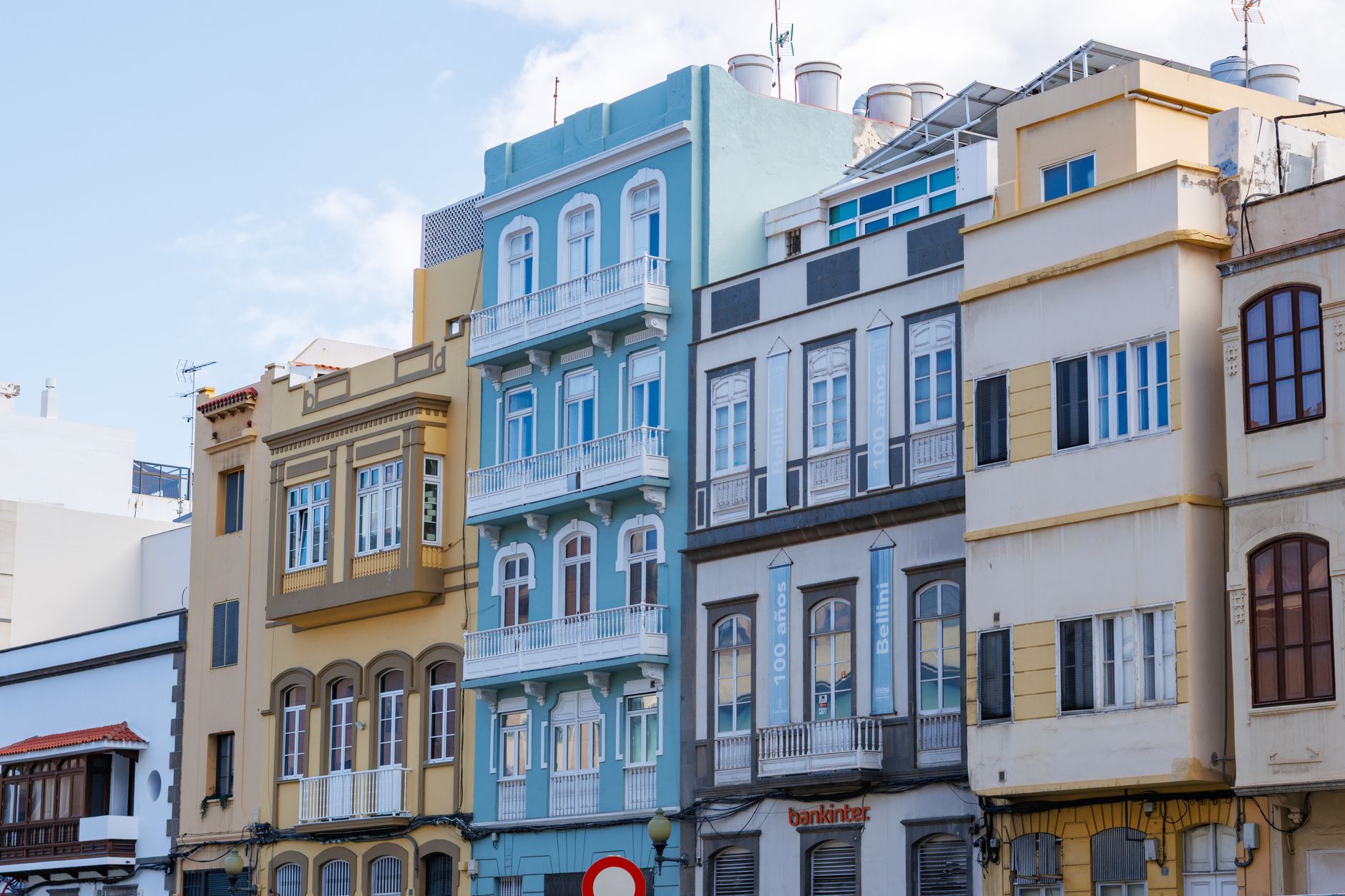
Photo by Boys in Bristol Photography on Pexels
Las Palmas de Gran Canaria
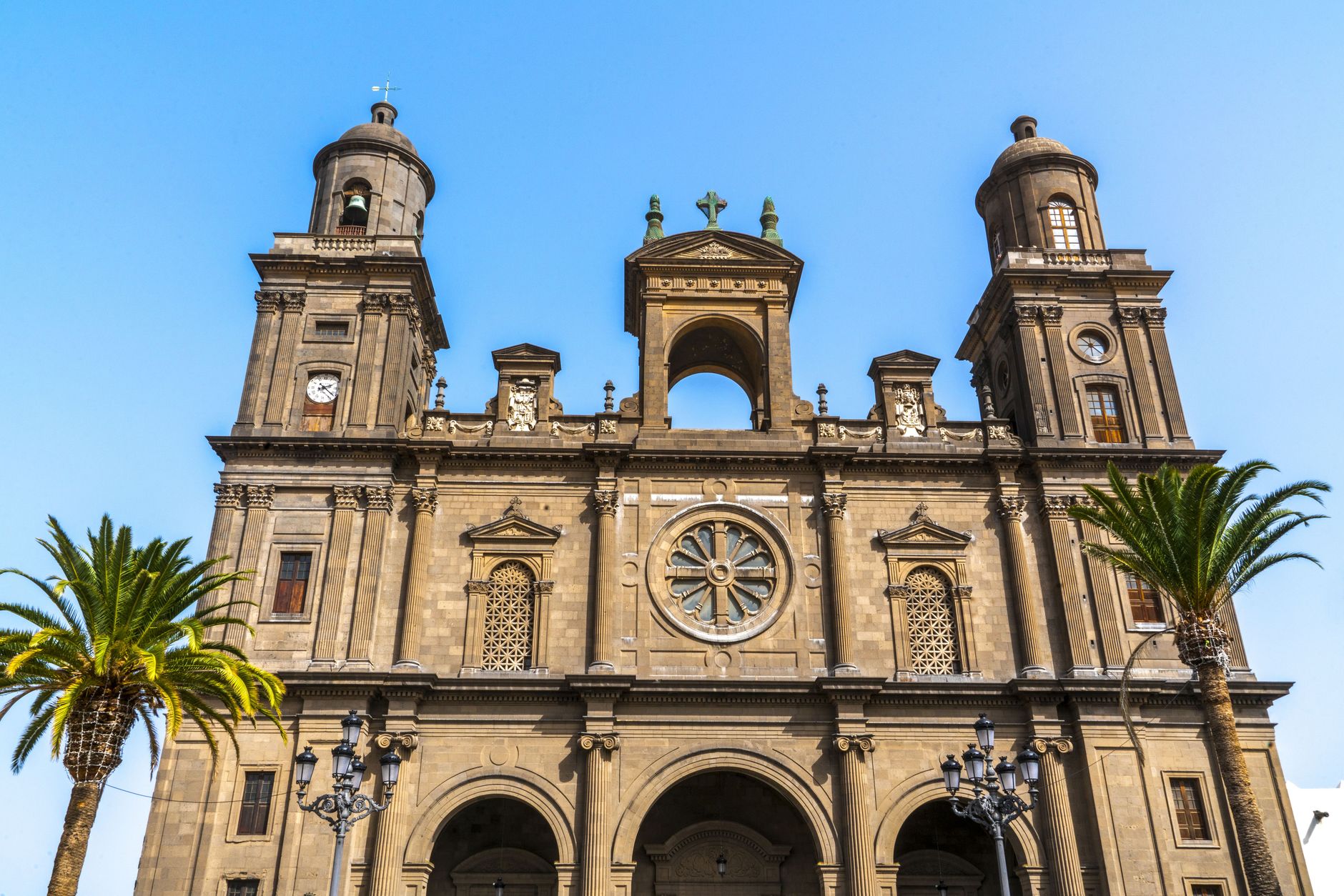
Photo by Canary Vista ES on Pexels
Las Palmas de Gran Canaria
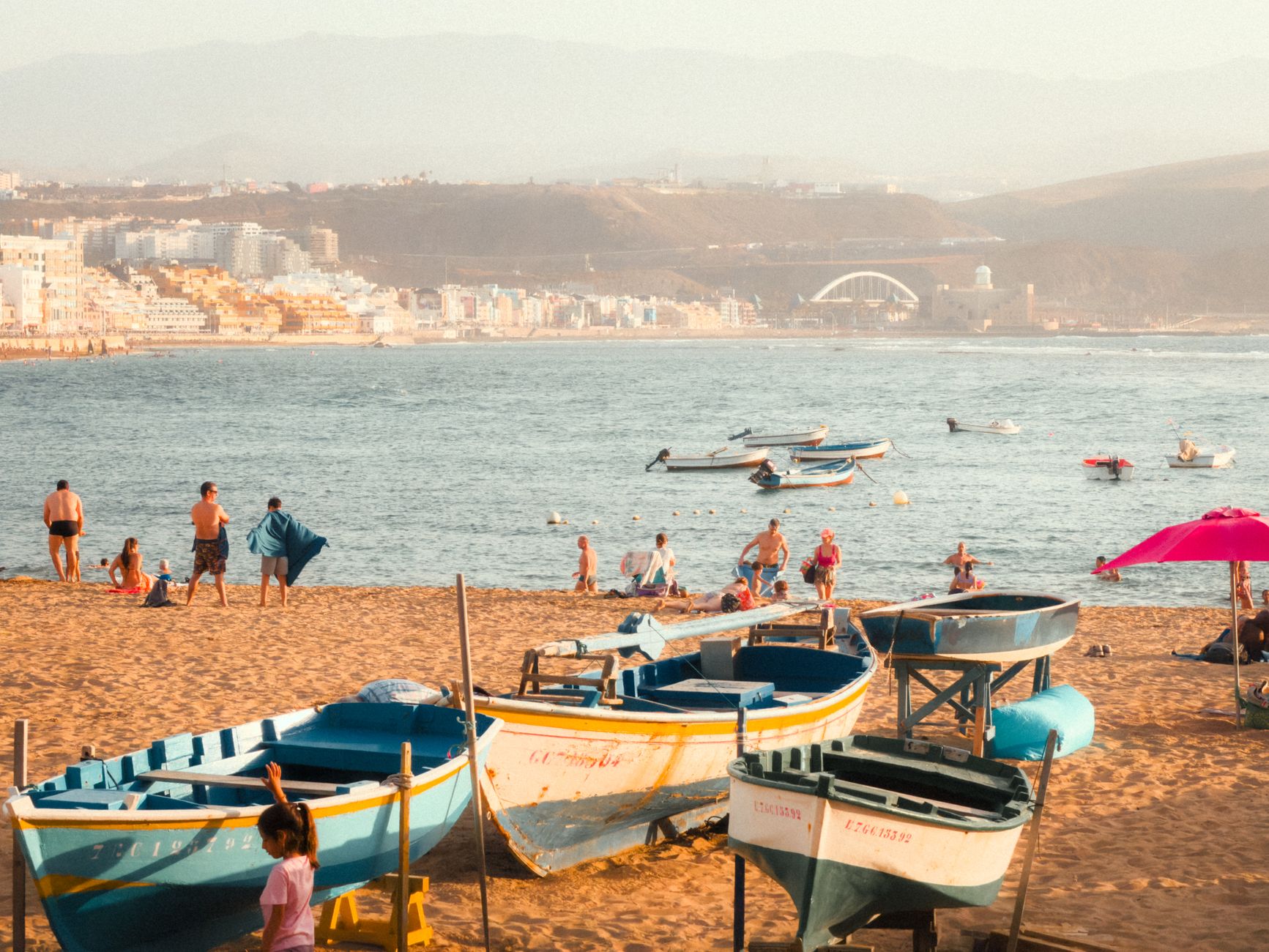
Photo by Canary Vista ES on Pexels
Las Palmas de Gran Canaria
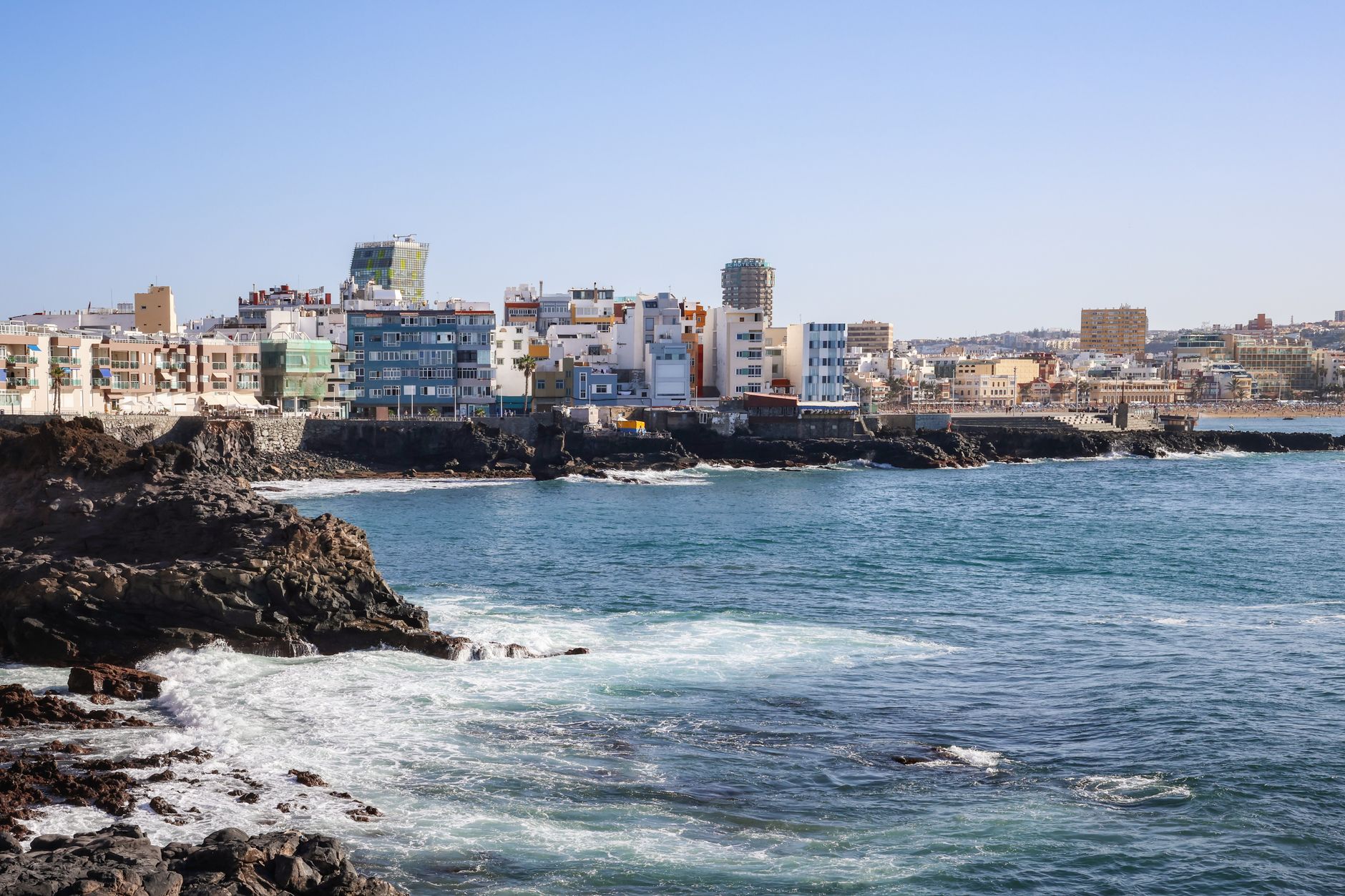
Photo by Marian Florinel Condruz on Pexels
Las Palmas de Gran Canaria
Photo by Atlantic Ambience on Pexels
Las Palmas de Gran Canaria
Photo by Canary Vista ES on Pexels

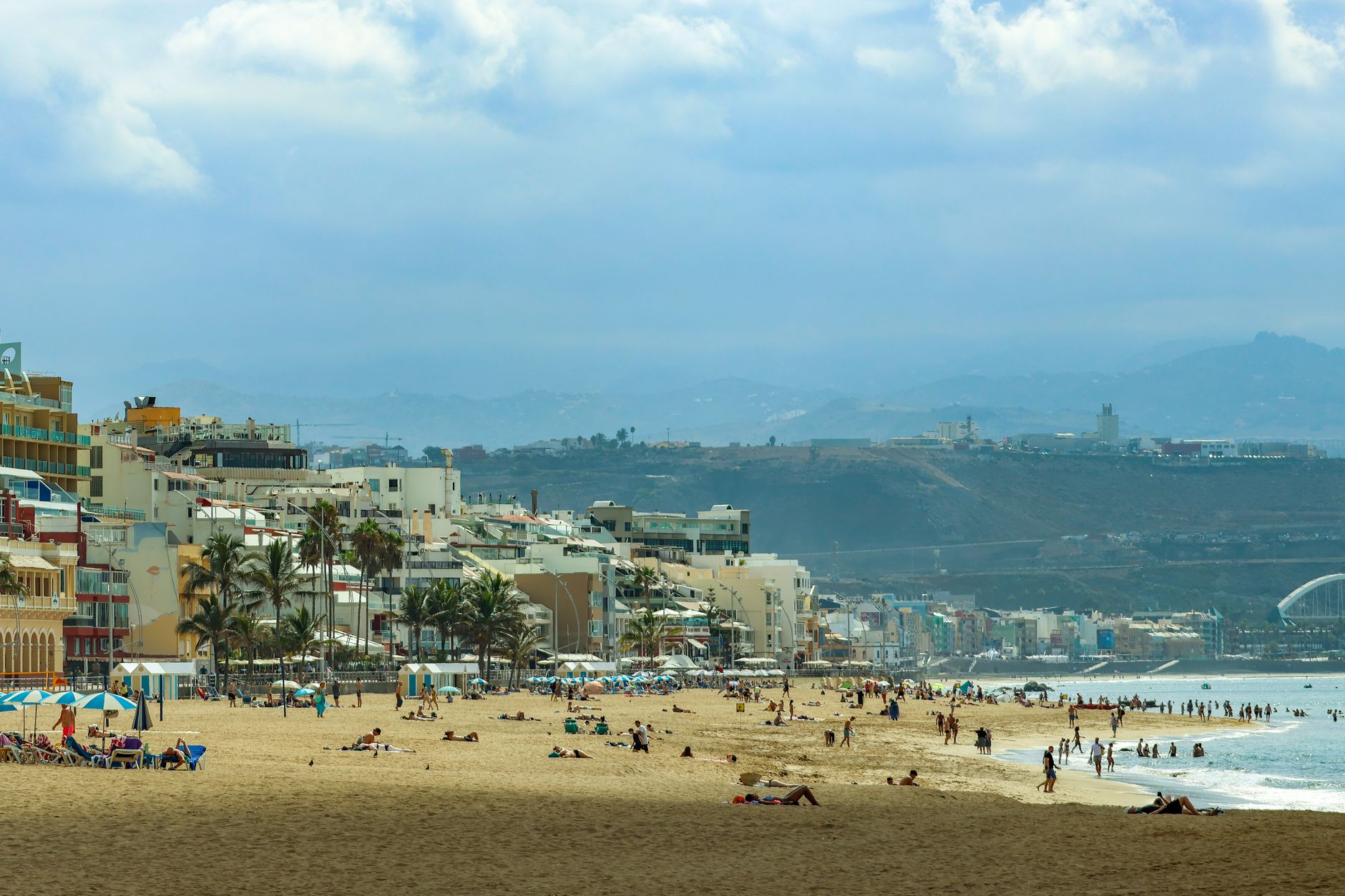
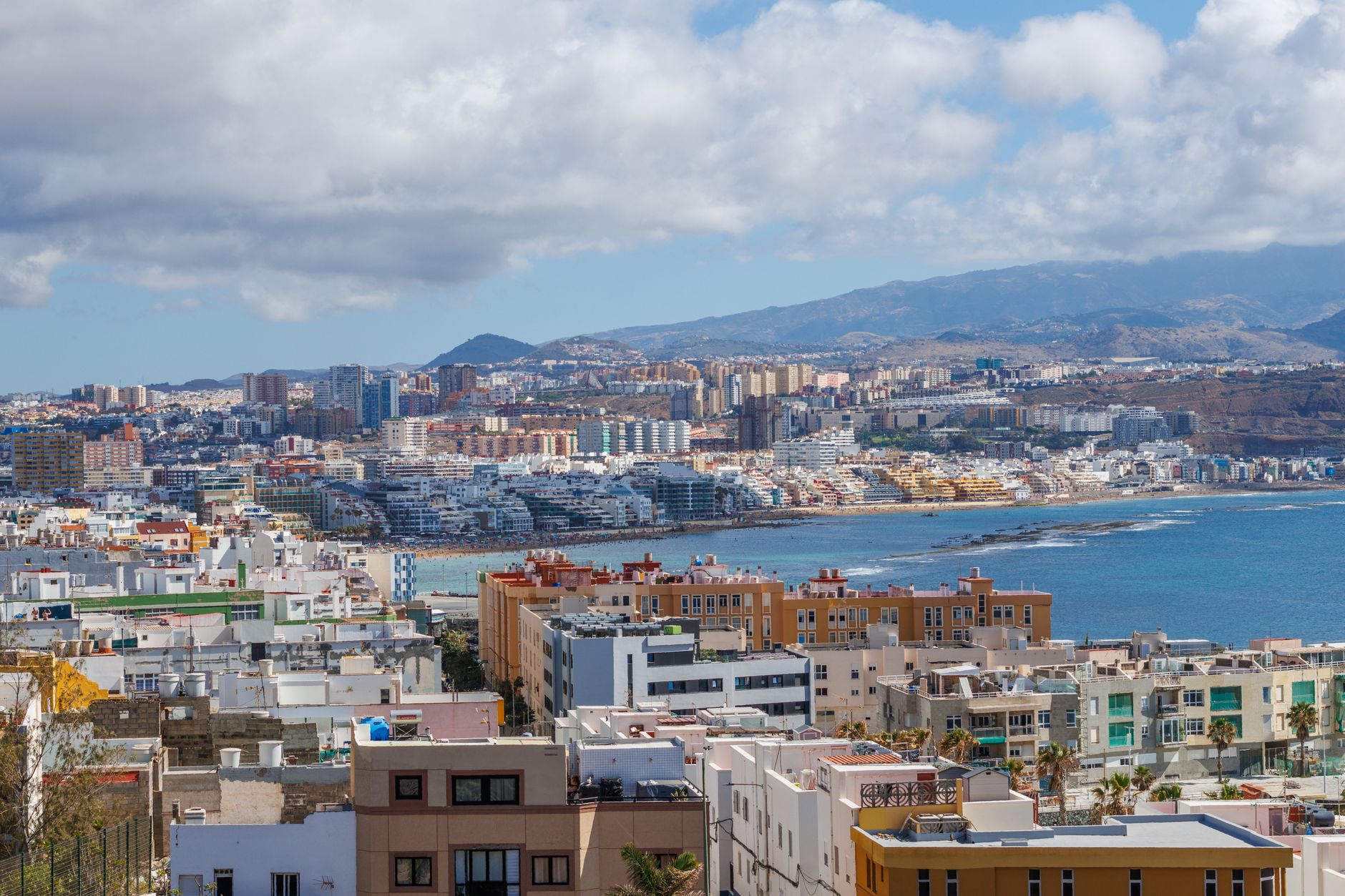
Las Palmas de Gran Canaria sits at the northeastern tip of its island with one foot in the Atlantic and one in five centuries of recorded crossings. The city's oldest quarter, Vegueta, still holds streets laid out in the late 1400s, and the Cathedral of Santa Ana — begun in 1497 — anchors a plaza where eight bronze dogs have stood watch since 1895. This is a working capital, not a resort town: the Gran Canaria Philharmonic plays in a concert hall that faces the sea, the Museo Canario has been collecting pre-Hispanic archaeology since 1879, and Las Canteras, the main beach, runs for more than three kilometres right through the city.

Good to know
Airport express bus 60 runs between Gran Canaria Airport and the city from 05:15 to 22:15. The municipal bus network (Guaguas Municipales) covers the city on 40 lines, 24 hours a day, 365 days a year — a TransGC contactless card keeps things simple. Vegueta and Triana are best explored on foot.
The story

How Las Palmas de Gran Canaria came to be

The city was founded on 24 June 1478, when Castilian commander Juan Rejón established a military camp he called Real de Las Palmas — named for the palms growing there. It grew quickly into a strategic node: Las Palmas served as headquarters for the Spanish conquest of Tenerife and La Palma, and in 1492 Christopher Columbus put in at the port to repair one of his ships before pressing on toward the Americas. The Castillo de la Luz, the oldest fortress in the Canary Islands, was raised in the late 15th century partly in response to raids by Dutch and English pirates — a 1599 Dutch fleet of 74 ships attacked the city directly.

For centuries Las Palmas functioned as a provisioning stop on the Atlantic trade routes, which shaped both its architecture and its outward-looking character. In 1927, the old single Province of the Canary Islands was divided in two, and Las Palmas became the capital of the eastern province, governing Gran Canaria, Lanzarote and Fuerteventura — a role it still holds.

People & landmarks

Who and what shaped it

People who shaped it

Juan Rejón
Founded Las Palmas on 24 June 1478 as head of the invading Castilian army.
Christopher Columbus
Anchored in Las Palmas port in 1492 to repair a ship before his first voyage to the Americas.
Óscar Tusquets
Architect who designed the Auditorio Alfredo Kraus, opened 1995.
Laureano Arroyo Velasco
Architect who designed many Canarian Modernism buildings in early 20th century Las Palmas.
Fernando Navarro Navarro
Architect who designed many Canarian Modernism buildings in early 20th century Las Palmas.

Landmark buildings

Cathedral of Santa Ana
Begun 1497, declared national historical and artistic monument in 1974; entrance 6€ adults.
Casa de Colón
Believed residence of Columbus in 1492 while his ship was repaired.
Museo Canario
Founded 1879, holds valuable collection of Canary archaeological objects across 16 halls.
Vegueta
Historic quarter with oldest houses from late 15th century; on UNESCO tentative World Heritage list.
Auditorio Alfredo Kraus
Opened 1995, designed by Óscar Tusquets, overlooks Las Canteras Beach, home to Gran Canaria Philharmonic.
Castillo de la Luz
Oldest fortress in Canary Islands, erected late 15th century against pirate raids; now houses Martín Chirino Foundation.
Quegles Building
From 1900, emblematic architectural element on Pérez Galdós Street.
Plaza de Santa Ana
Origins in 16th century, revamped 19th century; eight bronze dog sculptures have guarded entrance since 1895.
Las Canteras Beach
Main beach with 3+ kilometre promenade; held EU blue flag distinction since 1989.
Caldera de Bandama
Extinct volcanic crater over 100m diameter and 200m+ deep, approximately 15km from capital.
Viera y Clavijo Botanic Gardens
Located 7km from capital, open daily 10:00–18:00.
Practical

Plan your visit

On the map

When to go

Gran Canaria's position in the Atlantic keeps temperatures mild year-round: winters rarely feel cold, summers rarely feel brutal, and the city averages around 300 days of sun. The trade winds pick up in summer and can make the northeast coast breezy; spring and autumn tend to be the most settled.

Right now

25°C
Partly cloudy
Fri
26°
22°
Sat
25°
22°
Sun
26°
22°
Mon
26°
22°
Weather data: Open-Meteo

Background & history adapted from Wikipedia (CC BY-SA) · specs from Wikidata (CC0) · weather from Open-Meteo · map data © OpenStreetMap contributors · photos from Wikimedia Commons / Unsplash with per-image credit. No third-party reviews or social posts reproduced.

Top