
Larnaca
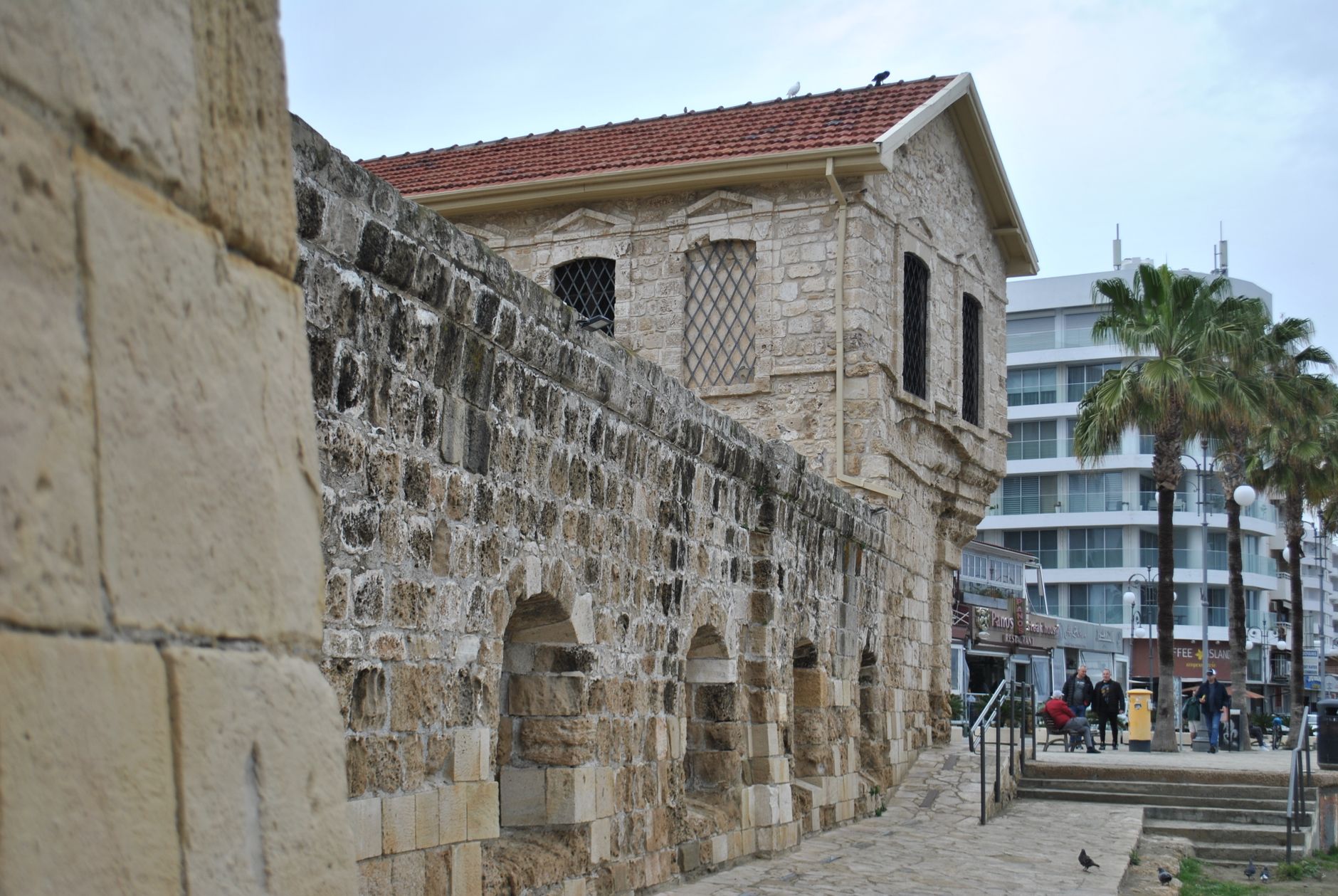
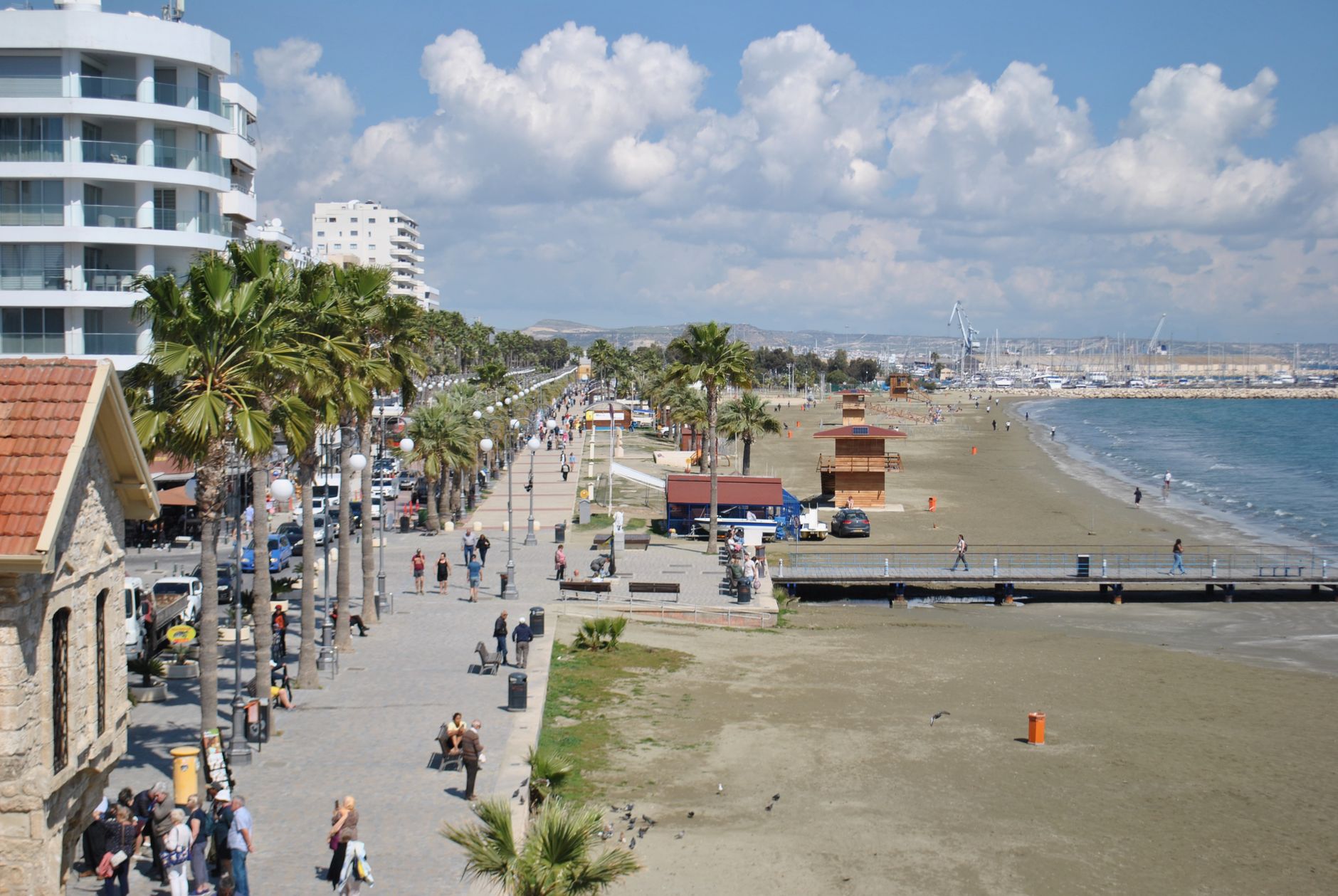
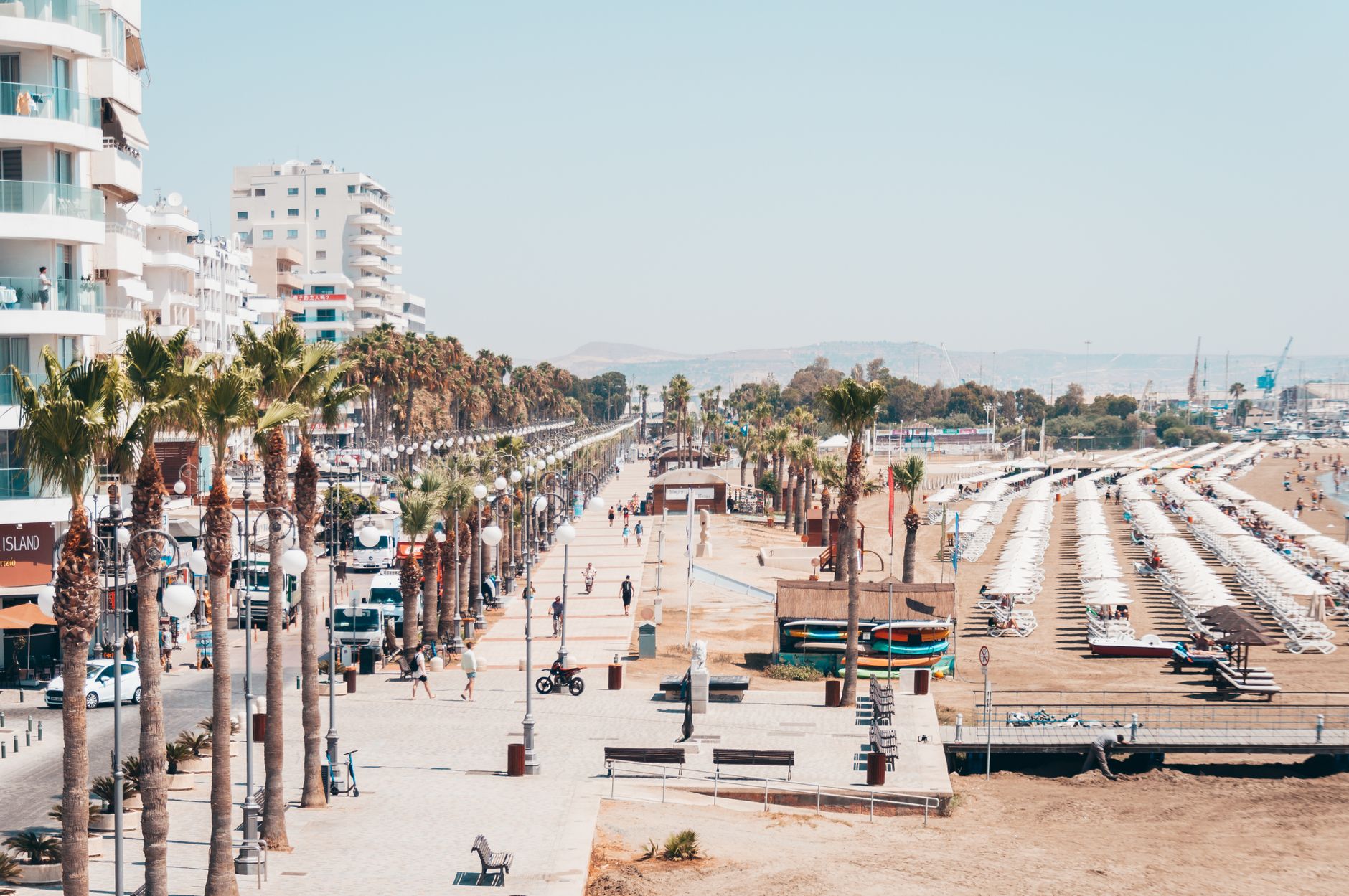
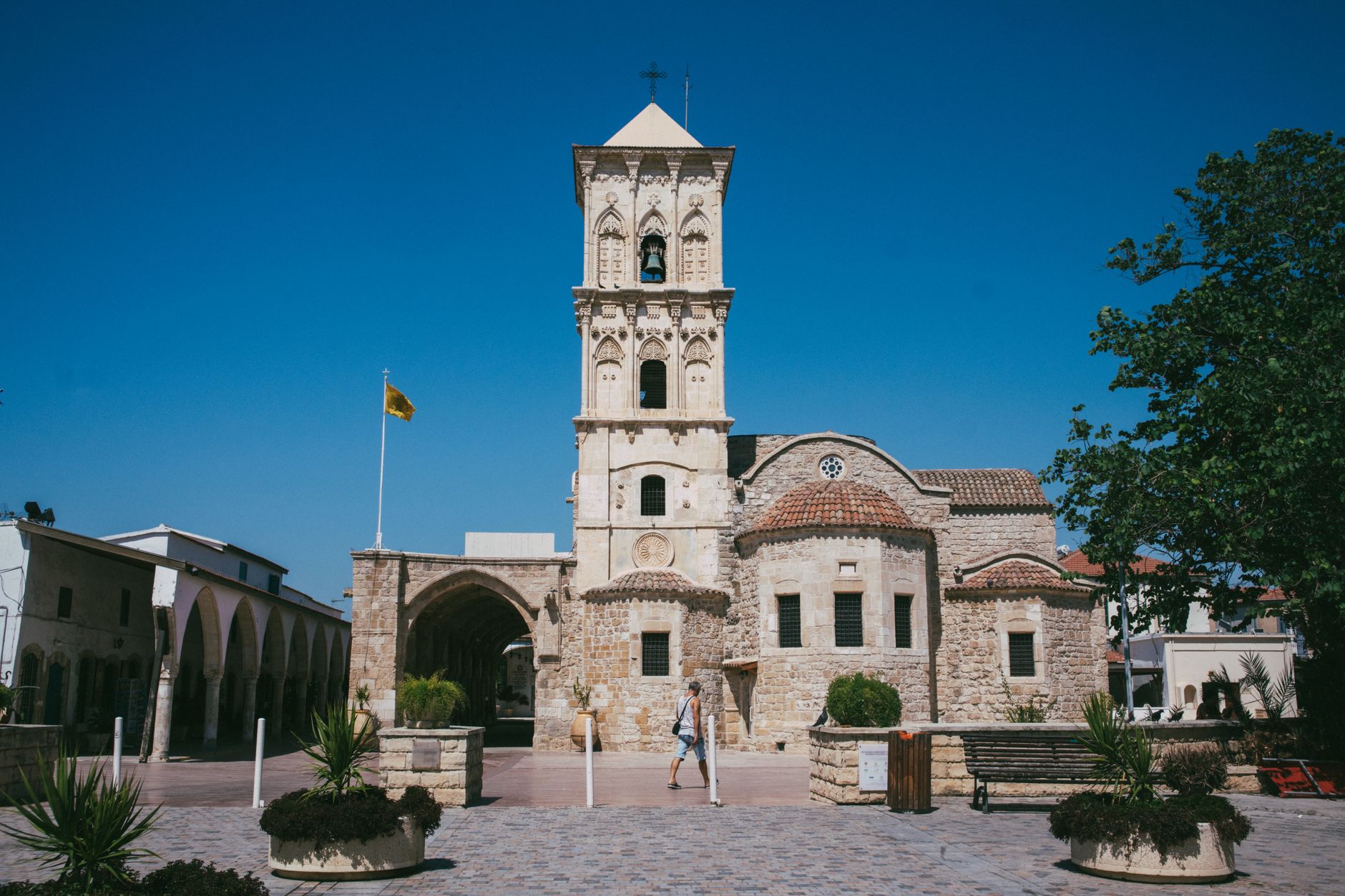
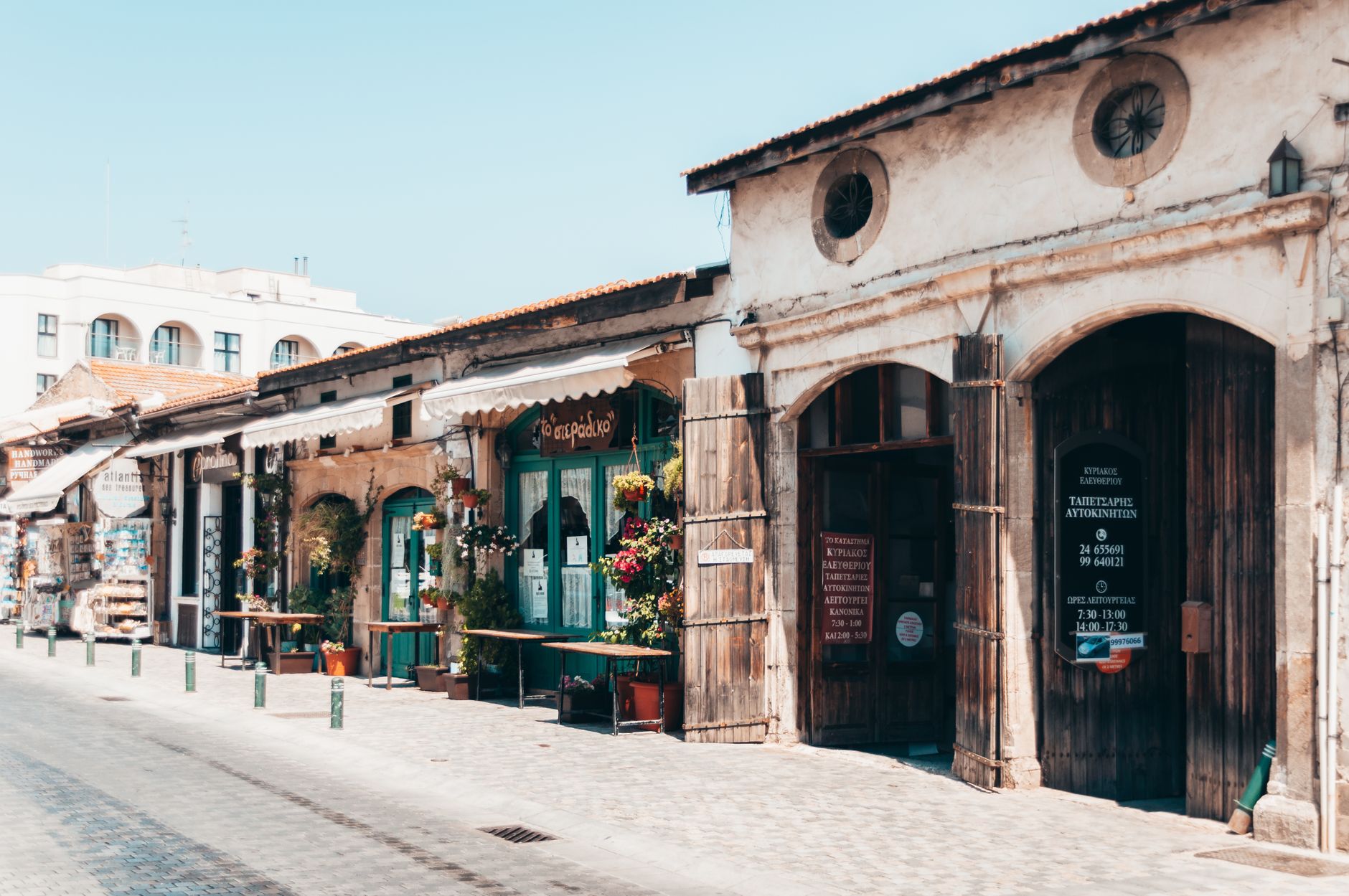
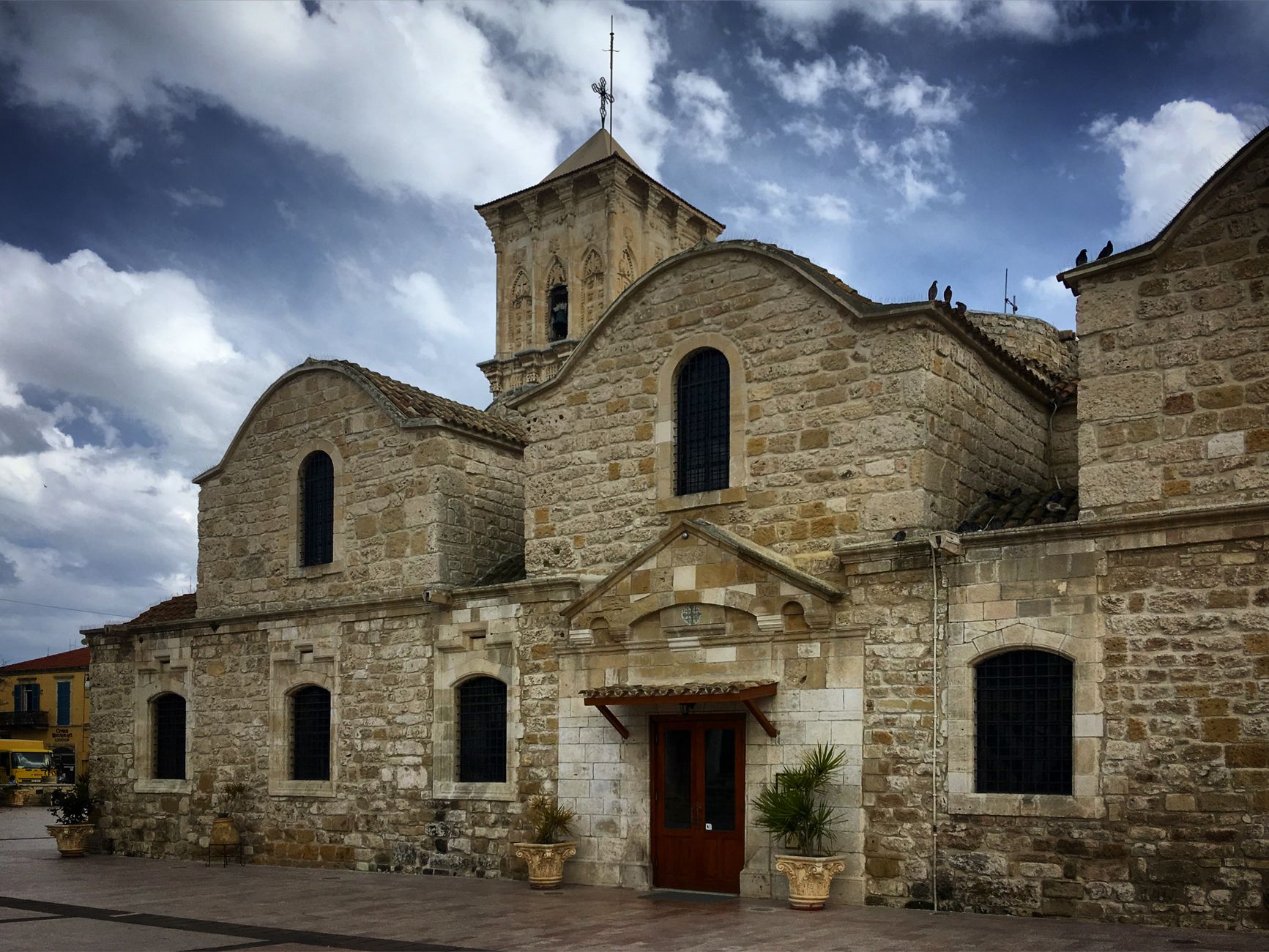
Larnaca sits at the eastern end of the Mediterranean with a name that translates, soberly, as 'funerary urn' — a nod to the ancient tombs that still lie beneath its streets. That kind of layering is everywhere here: a Byzantine church built over a saint's actual tomb, a medieval castle that doubled as an Ottoman prison, a mosque constructed above the grave of a woman considered kin to the Prophet.
The city is Cyprus's main point of entry, and most visitors move through quickly. The ones who stay find a seafront promenade lined with palms, archaeological sites reaching back to the Bronze Age, and a pace that rewards a slower look.
How Larnaca came to be
The city began as ancient Citium, founded by Mycenaean settlers in the 13th century BCE. Phoenician temples rose here, cyclopean walls were laid, and — around 334 BCE — Zeno of Citium was born, the man who would go on to found Stoicism in Athens. The Byzantines rebuilt the city; the Lusignans fortified it; the Ottomans arrived in 1571 and held it for three centuries, leaving behind a mosque, a converted church, and an aqueduct whose arches still stand.
Britain took control in 1878 and used Larnaca as the island's main port of entry. The city's modern shape was largely fixed by 1974, when the Turkish military intervention closed the port of Famagusta and sent roughly 40,000 Greek-Cypriot refugees south — swelling a city of 25,000 almost overnight.
Who and what shaped it
People who shaped it
Landmark buildings
See Larnaca in motion
Plan your visit
On the map
When to go
Summers run long and dry, with highs around 32°C, ten hours of daily sun, and barely a drop of rain between June and September — the sea reaches 24°C by August. Winters are mild but genuinely wet, with January lows around 12°C and up to twelve rainy days a month; the shoulder months of April–May and October–November offer warm days without the full force of summer heat.
Right now
Background & history adapted from Wikipedia (CC BY-SA) · specs from Wikidata (CC0) · weather from Open-Meteo · map data © OpenStreetMap contributors · photos from Wikimedia Commons / Unsplash with per-image credit. No third-party reviews or social posts reproduced.