
Region

Lanzarote

Lanzarote
Photo by Javier Balseiro on Pexels
Lanzarote
Photo by Mathias Reding on Pexels
Lanzarote
Photo by MÍTTICA. Galanteo y Coquetería on Pexels
Lanzarote
Photo by alleksana on Pexels
Lanzarote
Photo by Media Lens King on Pexels
Lanzarote
Photo by Mathias Reding on Pexels

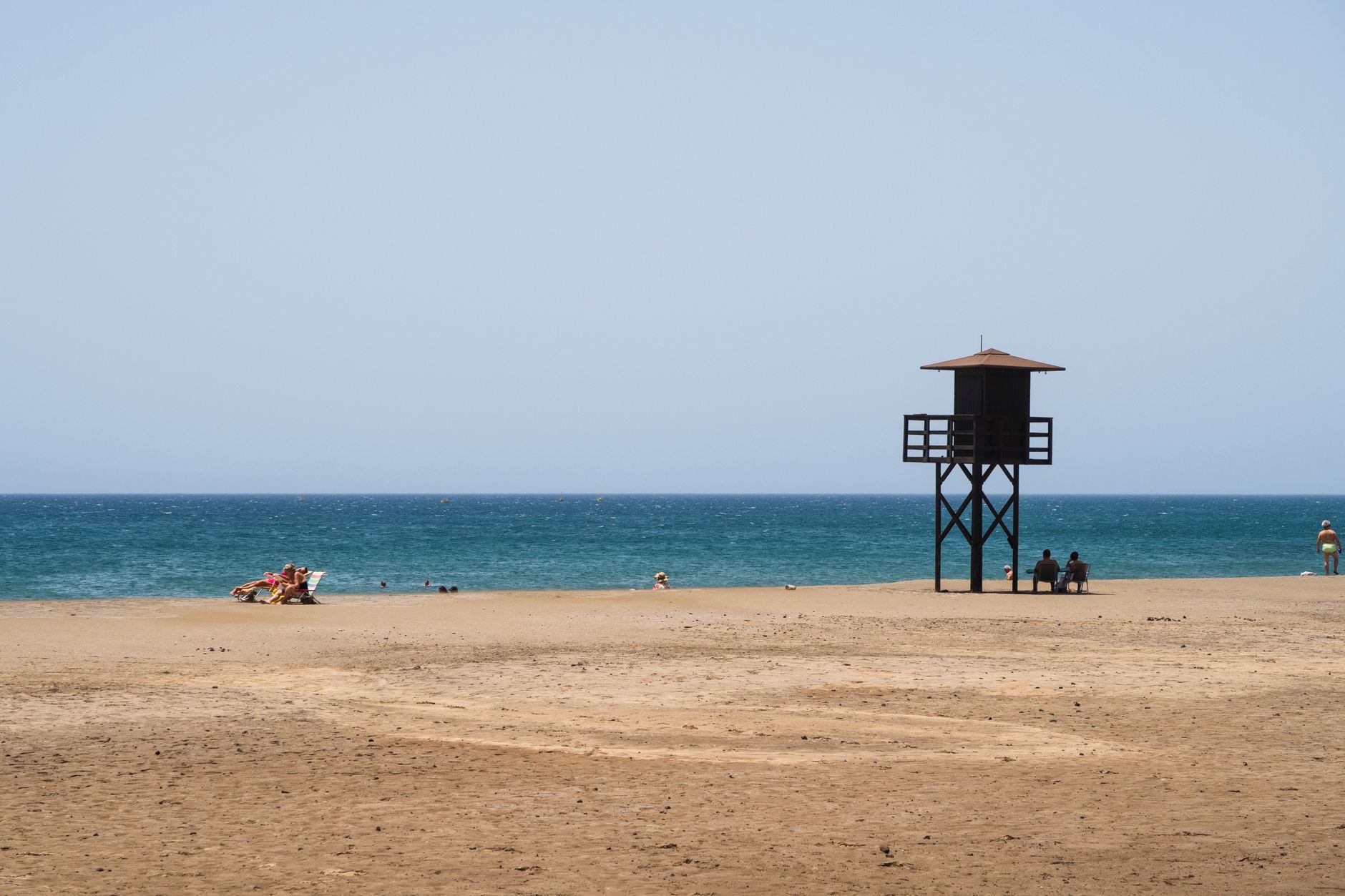
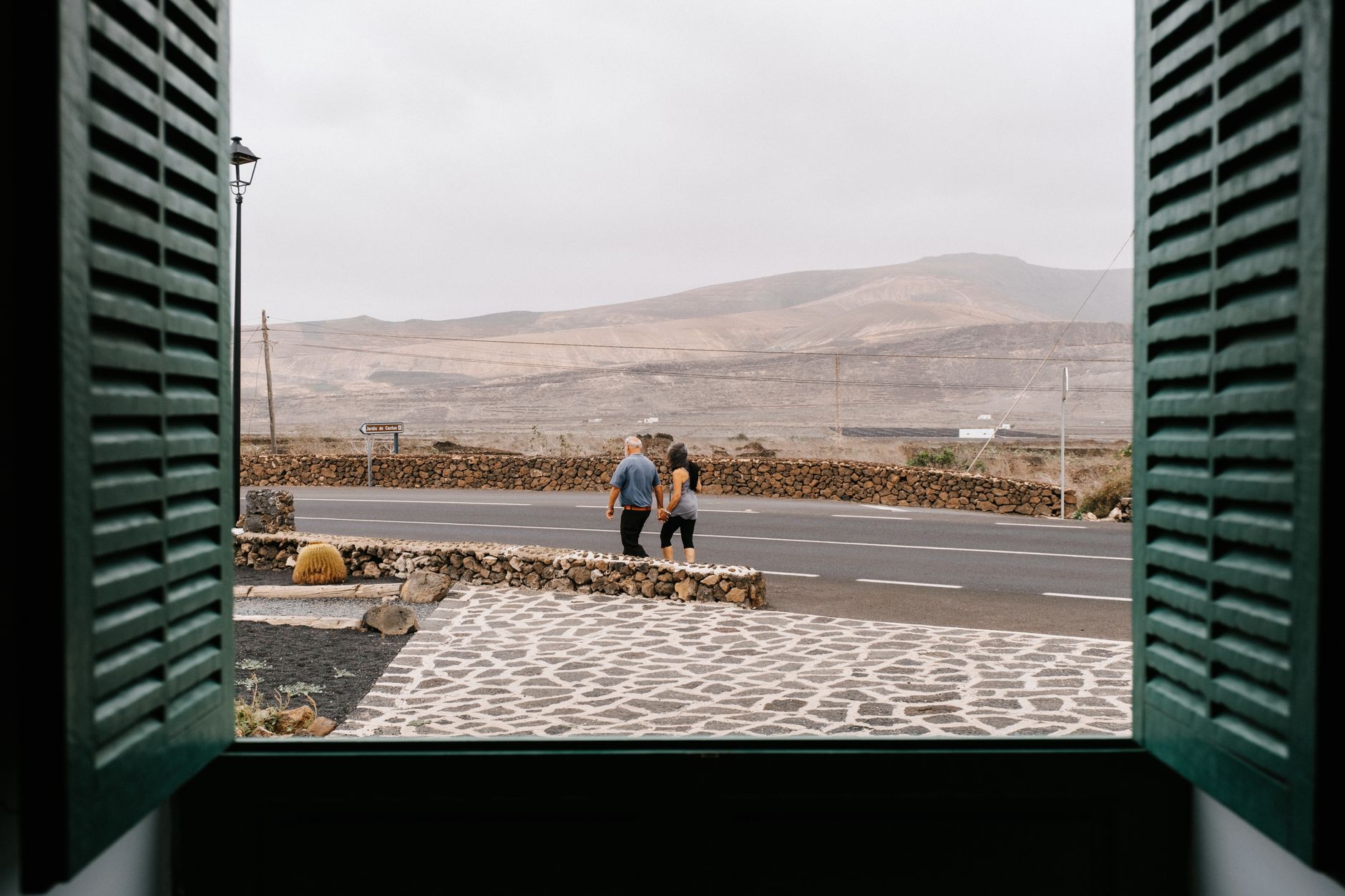
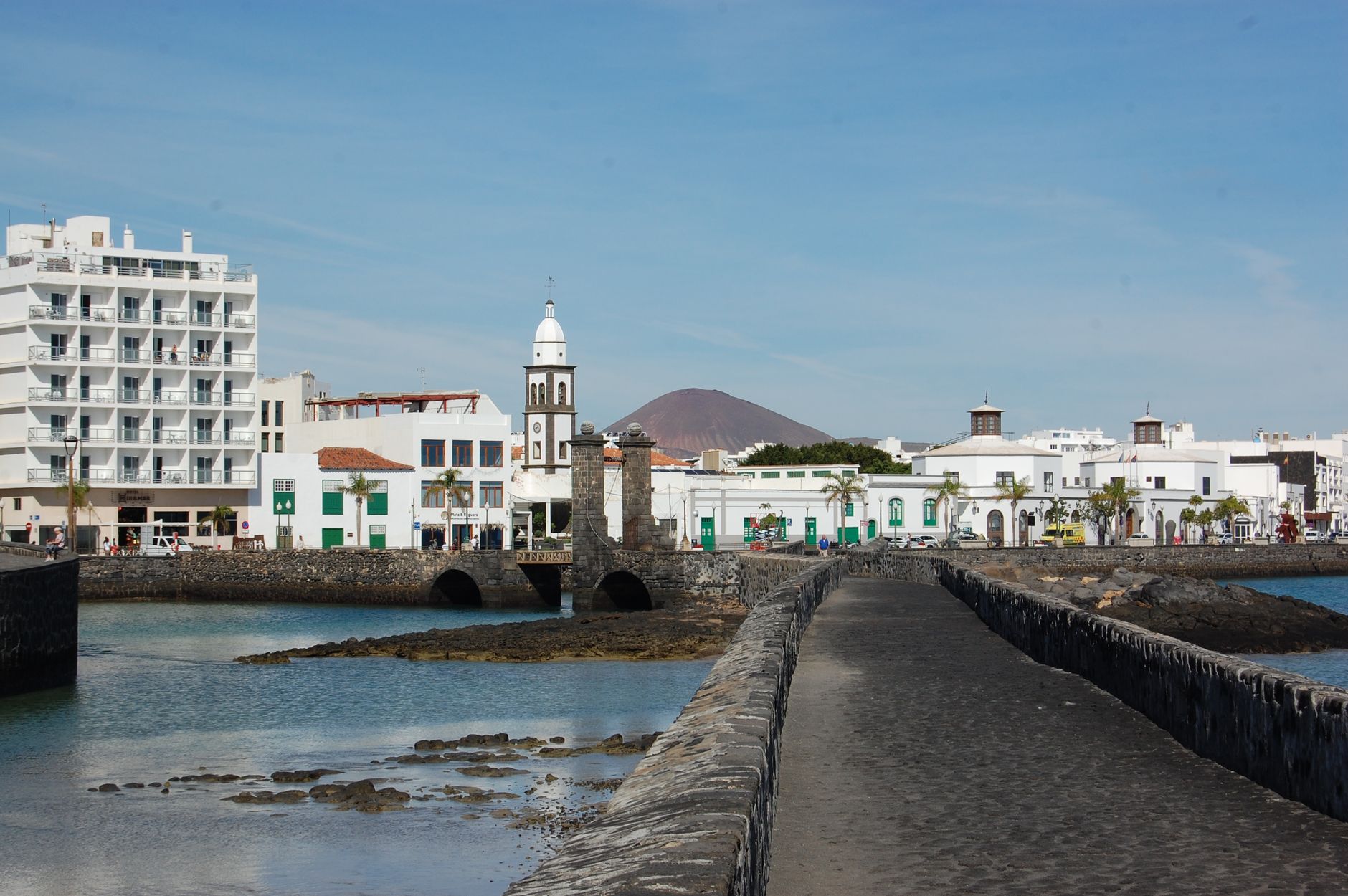
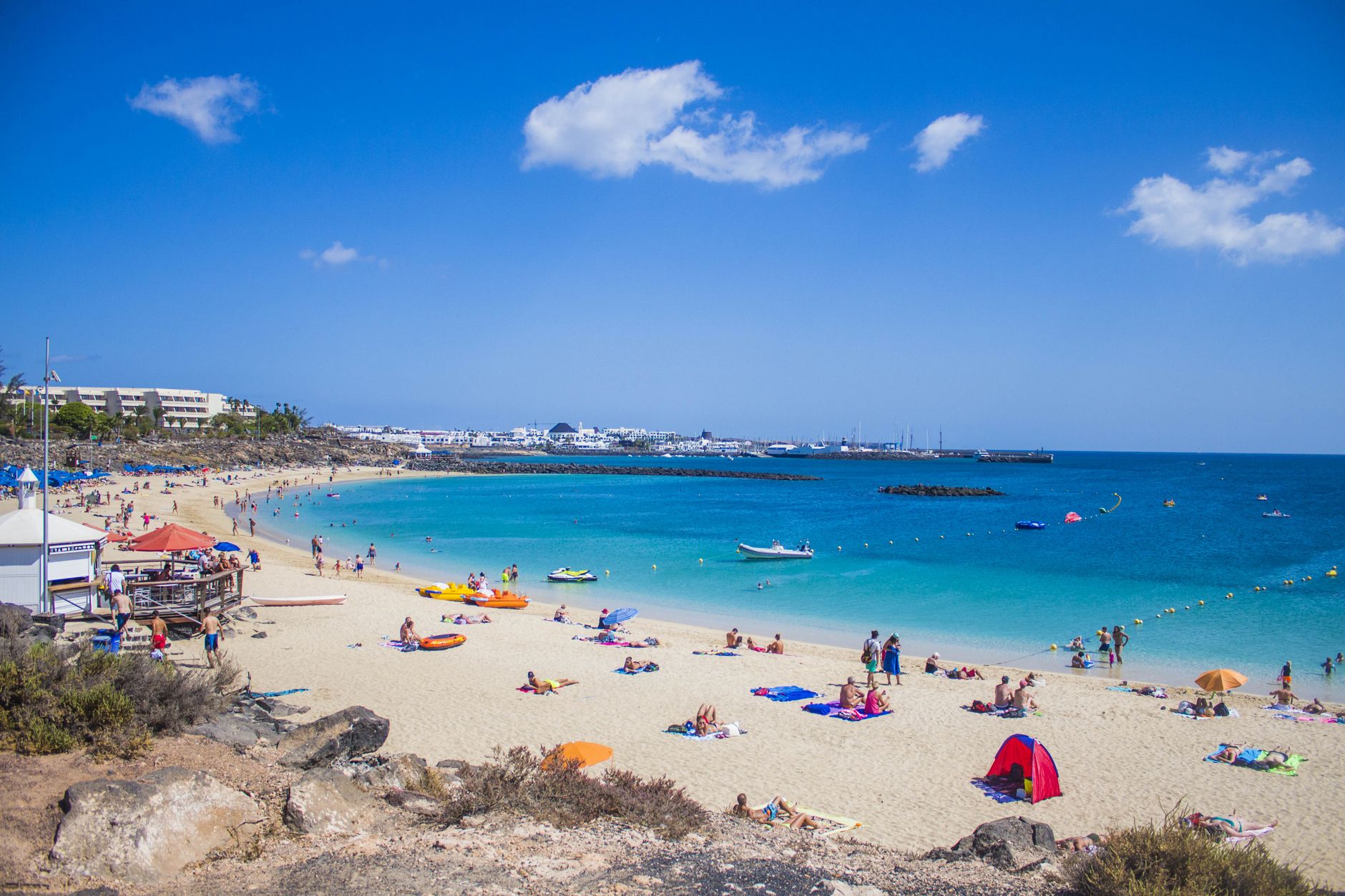
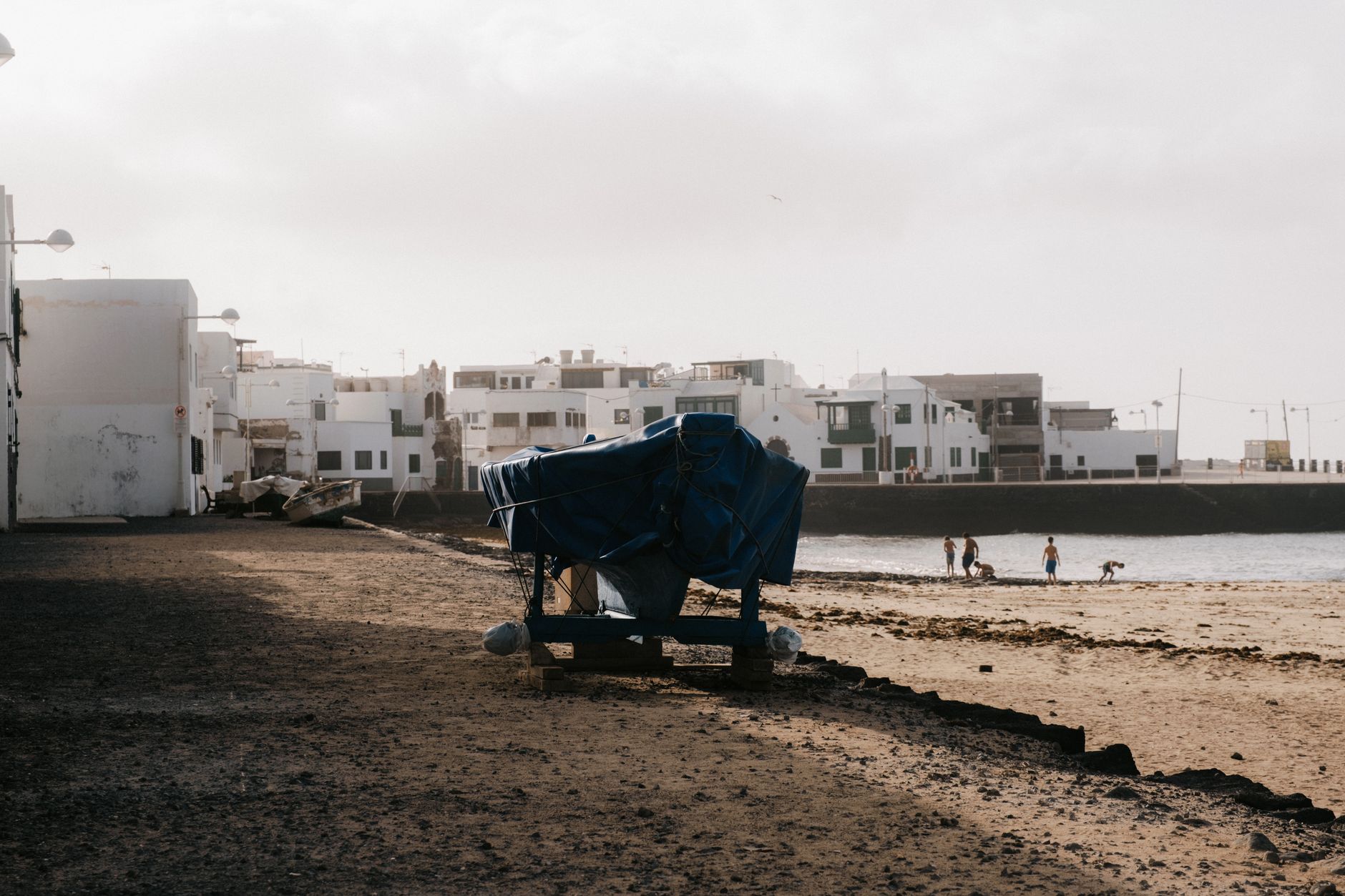
Lanzarote is the Canaries island that looks like somewhere a rover might land. The surface is black and rust-red lava fields, interrupted by pale cube houses and more than a hundred volcanic cones — the aftermath of eruptions that ran for nearly six years in the eighteenth century and reshaped the island entirely. It is an Atlantic island with a North African soul: the Berber Majos were here long before any European ship appeared on the horizon.

What keeps Lanzarote from feeling like a geological curiosity is the work of one man, the artist César Manrique, who spent decades persuading the island's authorities to build low, build in harmony, and leave the landscape alone. His fingerprints are on almost every worthwhile building here.

Good to know
Lanzarote Airport (ACE) sits five kilometres from the capital, Arrecife. The island is compact enough to drive end to end in under an hour, so a hire car opens everything up. Crowds thin considerably outside July and August, and the shoulder months reward you with the same light and far fewer people.
The story

How Lanzarote came to be

The island's first inhabitants, the Majos — a Berber people from North Africa — arrived around 1000 BC and left behind a pastoral culture that survived for millennia. European attention came in 1312, when the Genoese navigator Lancelotto Malocello landed here; the island's name is thought to derive from his. The Spanish conquest followed in 1402, led by the Norman knight Jean de Béthencourt with backing from the Castilian crown.

The event that defines the landscape arrived much later: between 1730 and 1736, a sequence of volcanic eruptions buried a quarter of the island's farmland under lava. The scars never healed — and Timanfaya National Park preserves them deliberately. In 1966, César Manrique returned from New York and began shaping a different kind of future, one that treated the volcanic terrain as an asset rather than a wound. That philosophy earned Lanzarote UNESCO Biosphere Reserve status in 1993.

People & landmarks

Who and what shaped it

People who shaped it

César Manrique
Artist and architect (1919–1992) who championed sustainable tourism and shaped Lanzarote's development after returning in 1966.
Juan de Béthencourt
Norman knight who led the Spanish conquest of Lanzarote in 1402 with support from King Henry III of Castile.
Lancelotto Malocello
Genoese navigator who arrived in 1312; the island's name is believed to derive from him.

Landmark buildings

Jameos del Agua
Volcanic cave complex designed by César Manrique where art and nature converge.
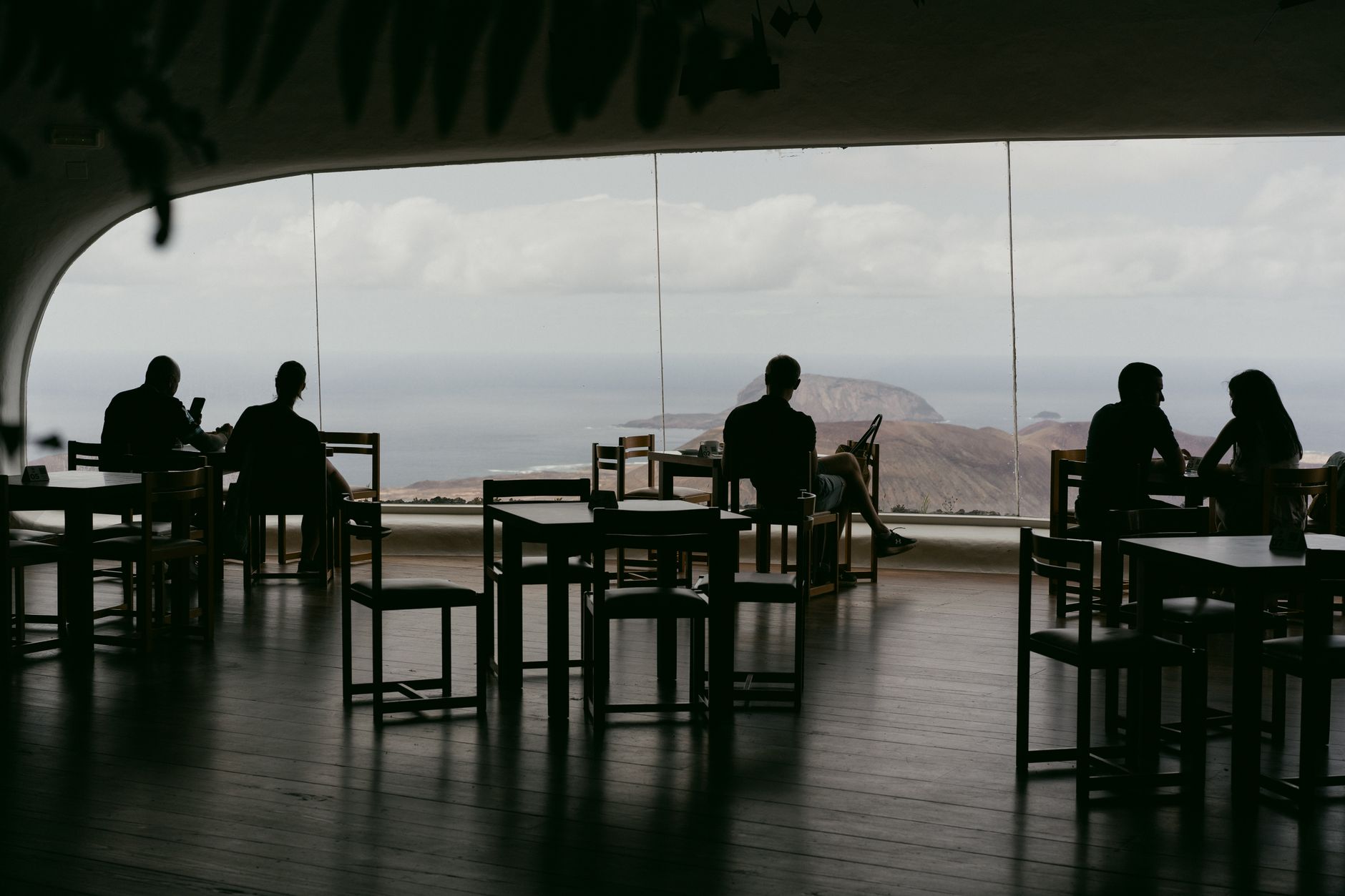
Mirador del Río
Clifftop viewpoint completed in 1973, designed by Manrique and architect Eduardo Cáceres, carved into rock overlooking the Chinijo Archipelago.
Timanfaya National Park
Volcanic landscape covering the southwest with over 100 cones, shaped by eruptions between 1730–1736.
Jardín de Cactus
Cactus garden in Guatiza housing over 10,000 plants from around the world.
Castillo de San José
Former military fortress now housing the International Museum of Contemporary Art (MIAC).
Casa Museo del Campesino
Farmhouse redesigned by Manrique into a cultural center with workshops, exhibitions, and the Monument to Fertility.
El Diablo Restaurant
Restaurant inside Timanfaya designed by Manrique with geothermal-powered grill integrated into the volcanic landscape.
Cueva de los Verdes
Volcanic cave system created by lava flows from the eruption of Monte Corona.
César Manrique House-Museum
Manrique's residence at Taro de Tahiche, carved from lava caverns, showcasing his architectural and artistic work.
Lagomar Museum
Building designed by Manrique and Jesús Soto, also known as the Omar Sharif House.
Hotel Meliá Salinas
Landmark hotel designed by Fernando Higueras with landscape and color elements by Manrique, exemplifying art-nature philosophy.
Practical

Plan your visit

On the map

When to go

Lanzarote sits close enough to the African coast that it stays warm and dry year-round, with summer temperatures in the high twenties Celsius and winters that rarely drop below fifteen. A steady trade wind keeps the heat manageable, though it can pick up sharply in spring.

Right now

22°C
Partly cloudy
Fri
26°
21°
Sat
26°
20°
Sun
26°
20°
Mon
26°
21°
Weather data: Open-Meteo

Background & history adapted from Wikipedia (CC BY-SA) · specs from Wikidata (CC0) · weather from Open-Meteo · map data © OpenStreetMap contributors · photos from Wikimedia Commons / Unsplash with per-image credit. No third-party reviews or social posts reproduced.

Top