
Lamanai

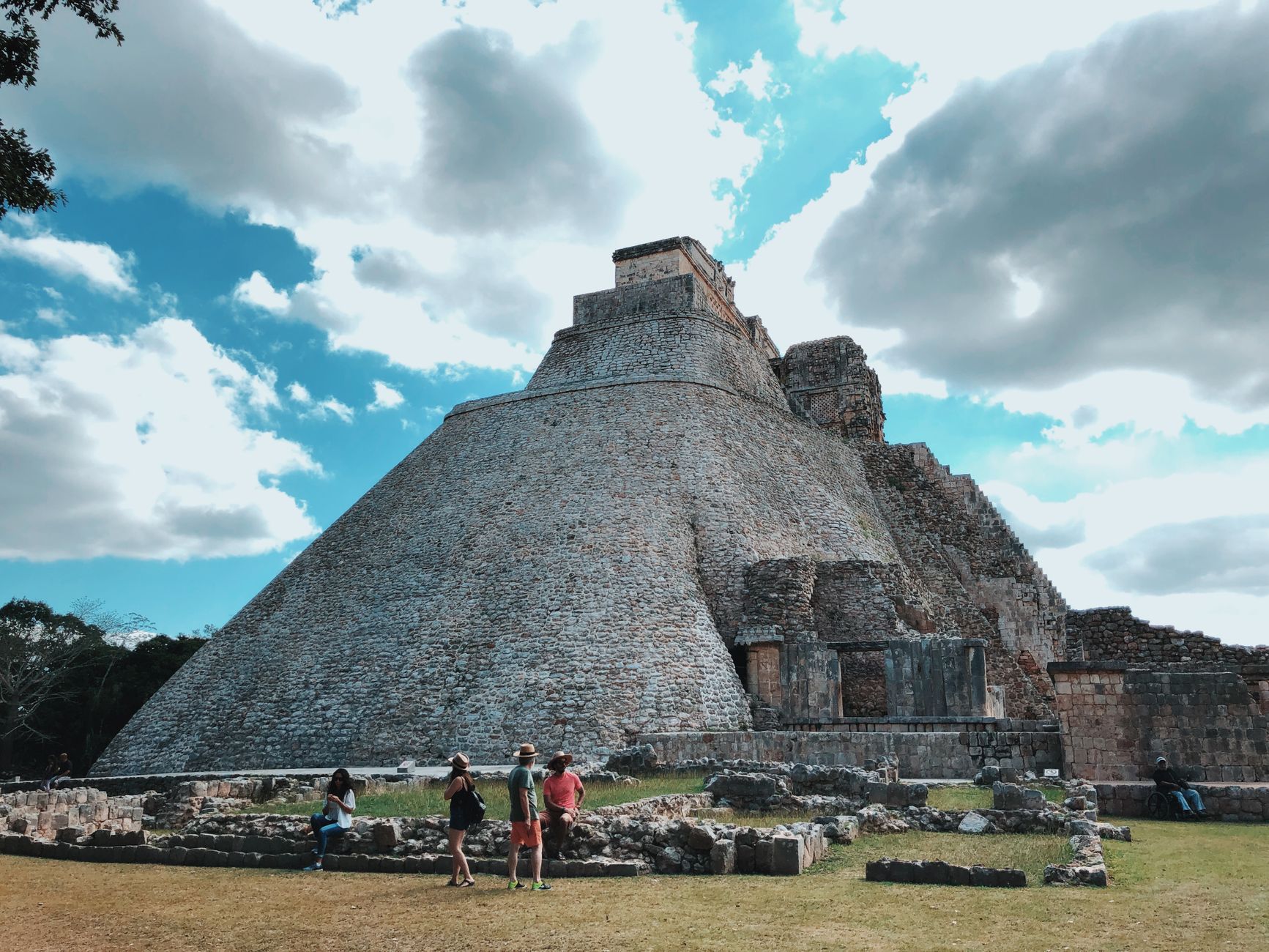
The boat ride up the New River is half the point. For 26 miles you move through a corridor of jungle, past lily pads and roosting egrets, before the trees open onto a site that people have been living in, building on, and fighting over for roughly three thousand years. Lamanai was occupied when the Spanish arrived in the 1540s, and it kept going — through colonial churches, a 19th-century sugar operation, and eventual abandonment — long after most Maya centres had gone quiet.
Today the ruins sit on the western bank of the New River Lagoon in the Orange Walk District. The High Temple rises 33 metres above the forest floor, the stucco masks on the Mask Temple still carry the faces of human-deity figures wearing crocodile headdresses, and the site remains an active archaeological project.
How Lamanai came to be
Settlement here dates to around 900 B.C., making Lamanai one of the longest-continuously-occupied sites in the Maya world. The High Temple (Structure N10-43) is the largest securely dated Pre-Classic Maya structure known, and the Mask Temple holds a substructure from around 200 B.C. nested inside the later pyramid. Spanish missionaries arrived in 1544 and built two churches using cut stone from existing Maya buildings; in 1640 the Maya burned them down. By the 1860s a sugar operation had started up at the southern end of the site — the ruined mill still stands — but malaria and collapsing sugar prices finished it within years.
Thomas Gann first reported the site in 1917. Serious excavation began in 1974 under David Pendergast of the Royal Ontario Museum and ran until 1986. Conservation continues today under Elizabeth Graham and Scott Simmons of the Lamanai Archaeological Project.
Who and what shaped it
People who shaped it
Landmark buildings
See Lamanai in motion
Plan your visit
On the map
When to go
Temperatures sit in the low-to-upper 80s Fahrenheit year-round with persistent humidity, so mornings are your ally. Dry season runs late November through May — February and March are the most reliably clear — while the green season brings afternoon showers that tend to clear quickly.
Right now
Background & history adapted from Wikipedia (CC BY-SA) · specs from Wikidata (CC0) · weather from Open-Meteo · map data © OpenStreetMap contributors · photos from Wikimedia Commons / Unsplash with per-image credit. No third-party reviews or social posts reproduced.