
Lake Turkana

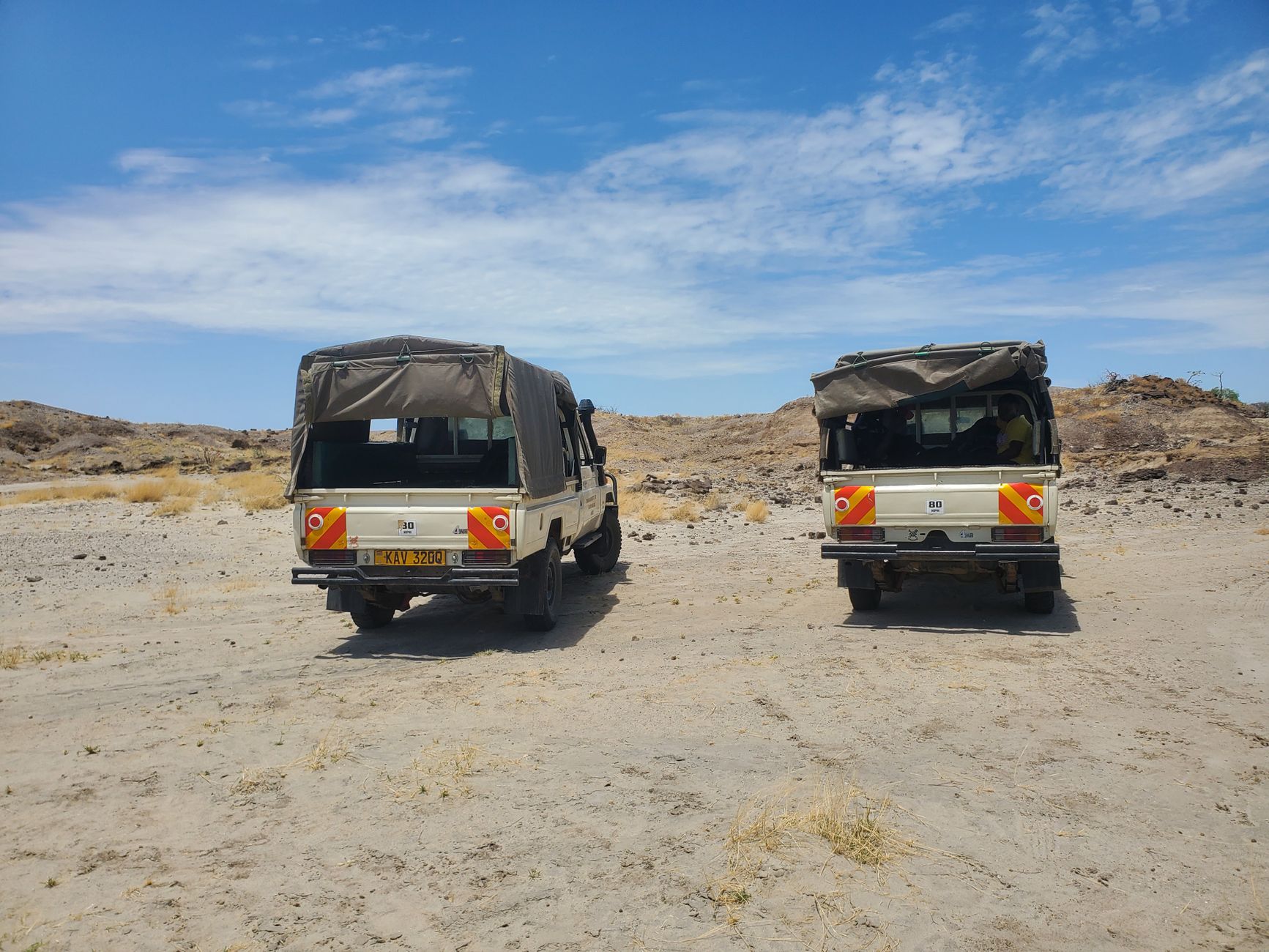
Six hundred and sixty-five kilometres north of Nairobi, Lake Turkana sits in the Great Rift Valley like a shard of jade dropped into a landscape of lava fields and wind-scoured desert. It is the world's largest permanent desert lake, and the world's largest alkaline lake — a body of water so vast it has its own weather, its own moods, its own particular green that shifts toward grey when the wind comes up from the south.
Along its shores, the El Molo — one of Kenya's smallest ethnic groups, numbered in the hundreds — still fish from the same waters their ancestors did. At Koobi Fora on the eastern shore, fossils of more than 200 early humans have been pulled from the sediment. The lake rewards the patient and the curious above all others.
How Lake Turkana came to be
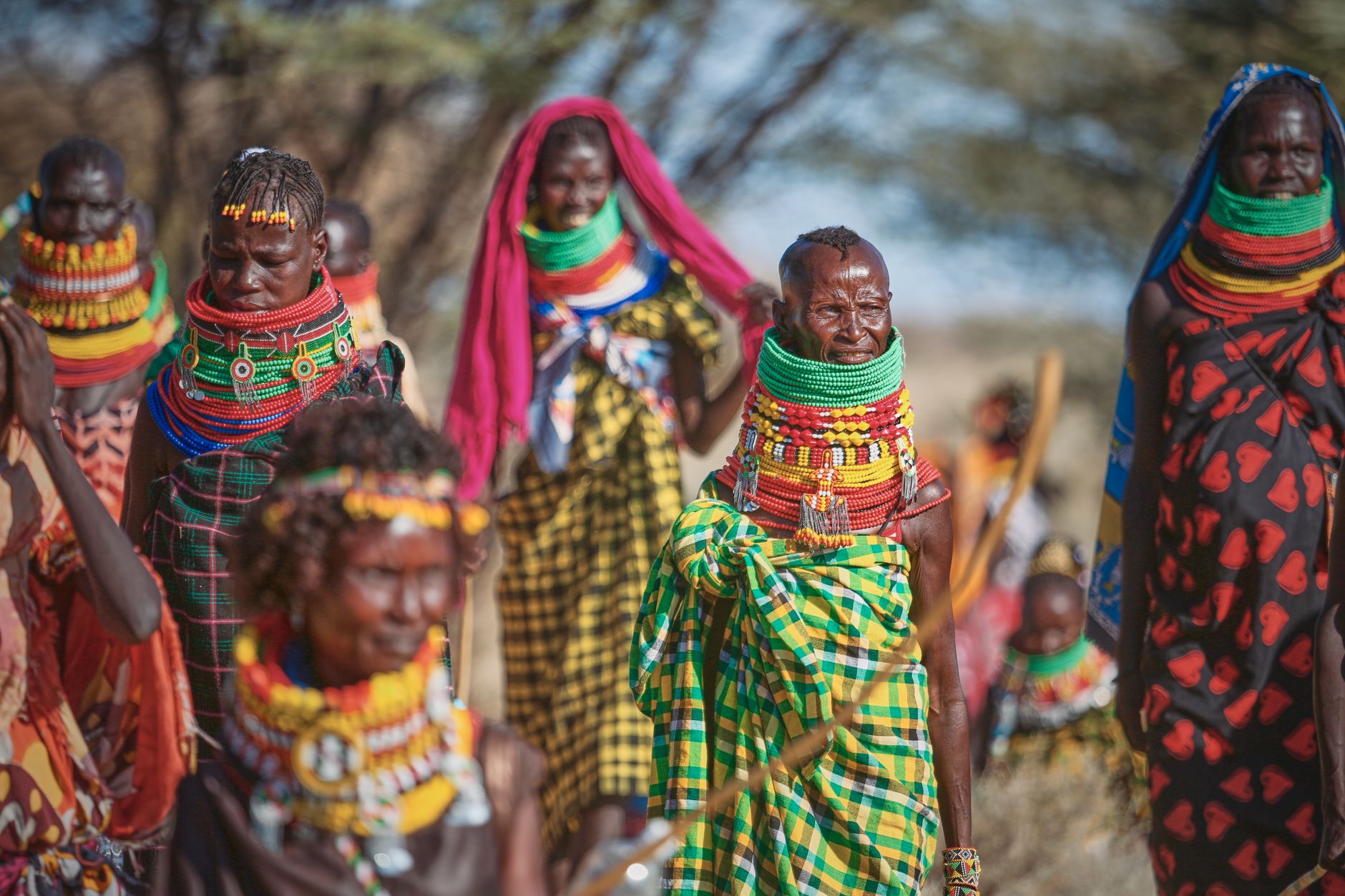
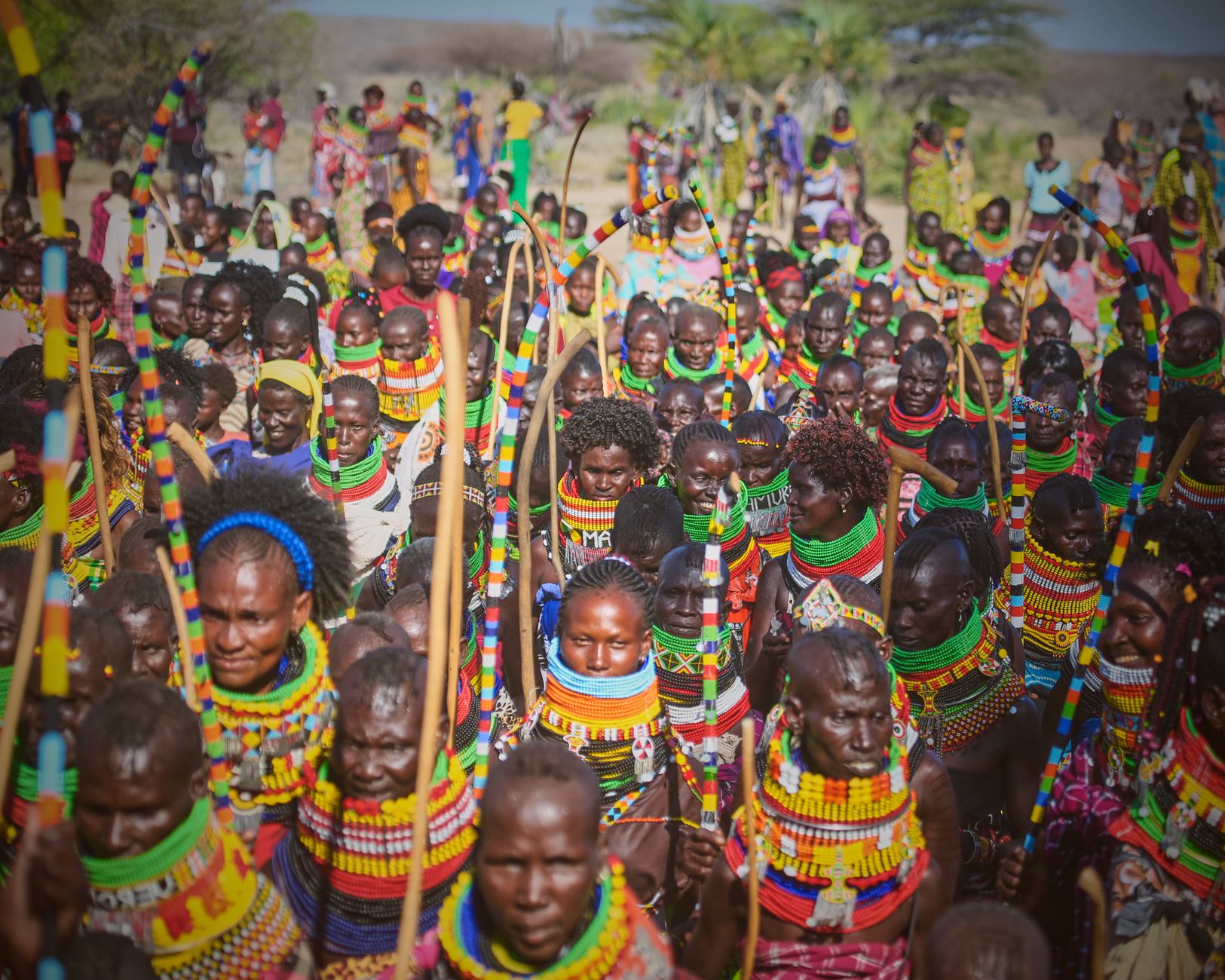
The lake has carried more than one name. When Count Samuel Teleki von Szek and Lieutenant Ludwig von Höhnel reached its shores in June 1888 — the first Europeans to do so — they named it Lake Rudolf, after Austria's crown prince. It kept that name until the 1970s, when Jomo Kenyatta's government renamed it for the Turkana people who had lived along its shores since the early eighteenth century, when a group broke from the Jie and settled near the Tarach River headwaters.
The lake's geological memory runs far deeper. It is only around 200,000 years old in its current form, though far older lakes covered the same basin millions of years before. At Koobi Fora, Richard and Meave Leakey's team unearthed a near-complete fossilized skeleton of a young boy in 1984 — 1.5 million years old. The Lothagam North Pillar Site, a communal cemetery built between roughly 3000 and 2300 BCE, is considered eastern Africa's earliest monumental burial ground.
Who and what shaped it
People who shaped it
Landmark buildings
See Lake Turkana in motion
Plan your visit
On the map
When to go
The region is hot and arid year-round, with temperatures regularly reaching 35–40°C. The south winds — the Turkana's notorious gales — peak between June and September, making lake crossings rough and sand inescapable. October through March is generally calmer and more manageable for travel.
Right now
Background & history adapted from Wikipedia (CC BY-SA) · specs from Wikidata (CC0) · weather from Open-Meteo · map data © OpenStreetMap contributors · photos from Wikimedia Commons / Unsplash with per-image credit. No third-party reviews or social posts reproduced.