
Lake Hayes
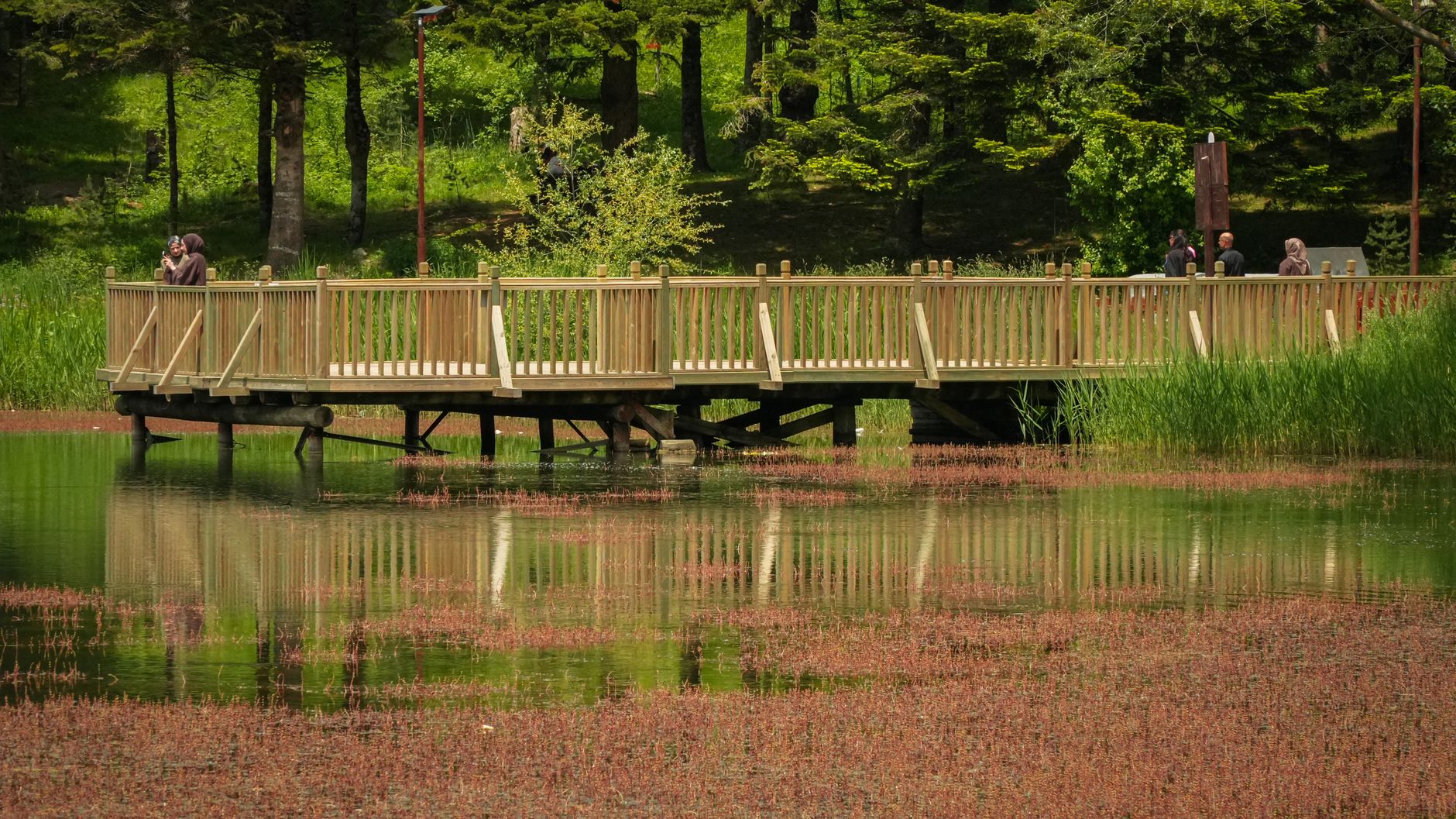
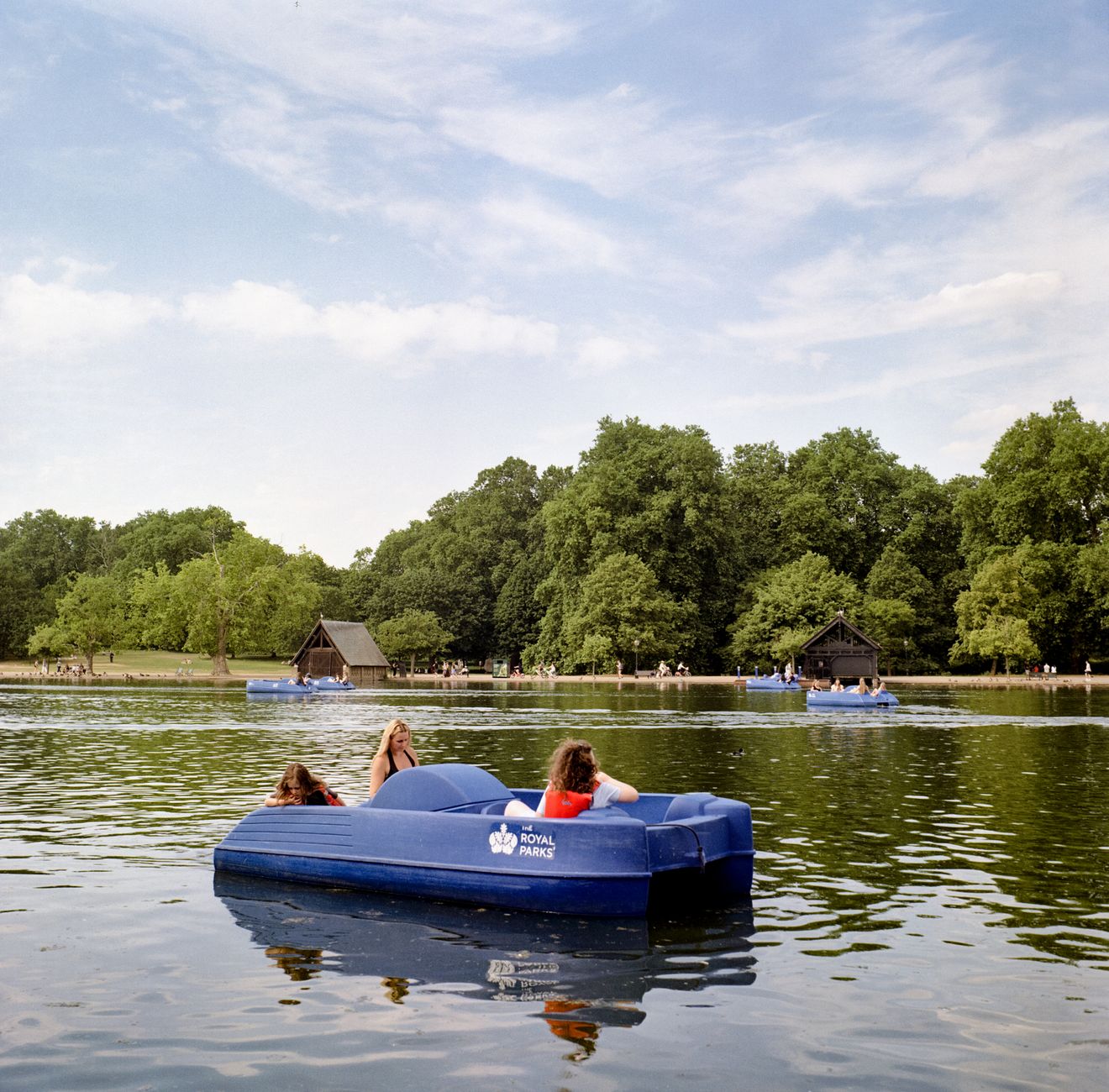
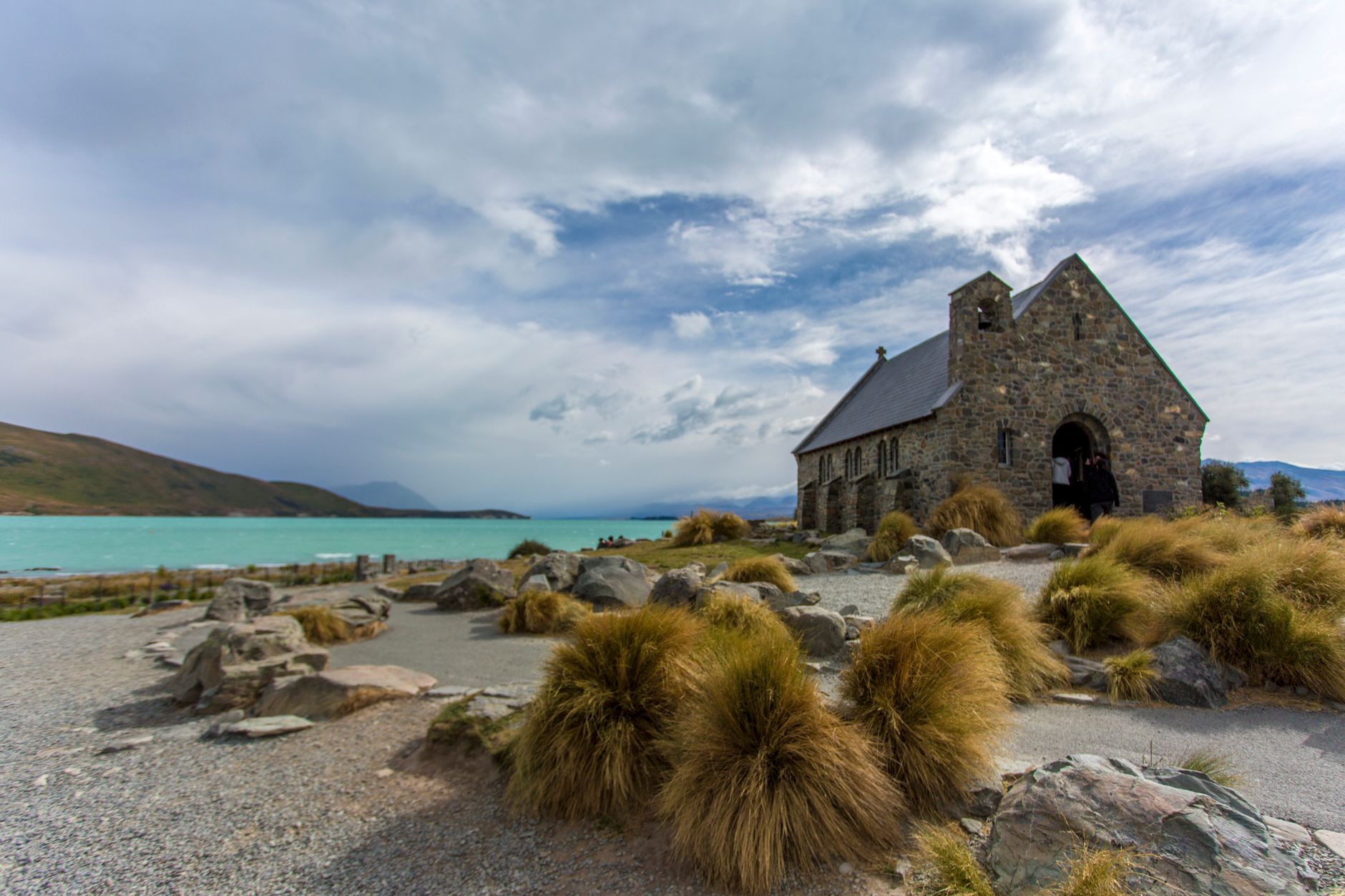
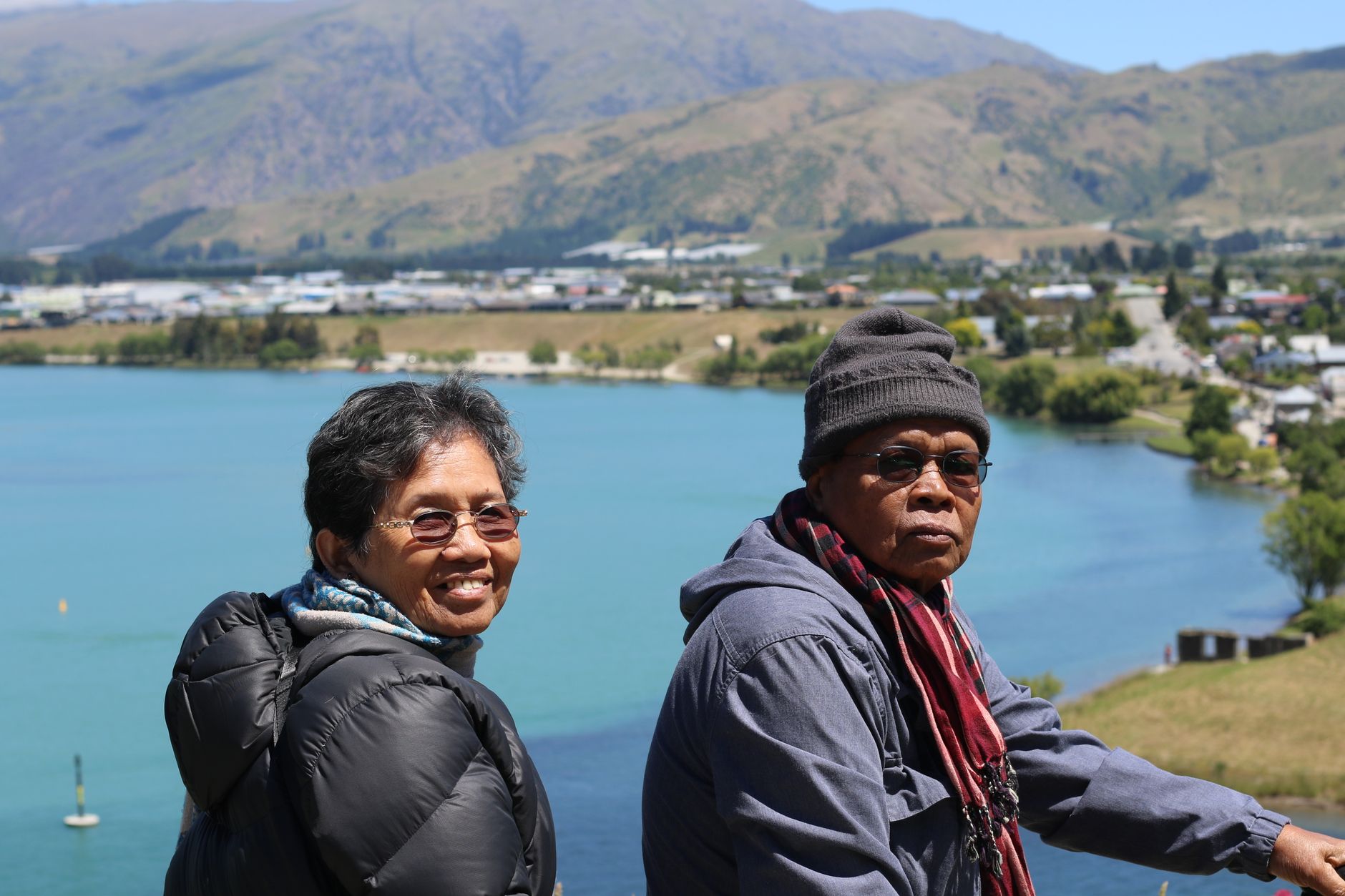
The Māori name for Lake Hayes — Waiwhakaata, meaning 'water that reflects' — tells you exactly what to expect. On a still morning, the Remarkables and the surrounding hills double themselves in the surface so precisely that the photograph you take will look like it was composed. The lake sits in the Wakatipu Basin about fifteen minutes from Queenstown, small enough to walk around in a couple of hours, calm enough for rowing shells and kayaks to move across it without disturbing much.
A 6.5-kilometre loop track follows the shoreline through easy, undulating terrain. Cyclists share it with walkers and runners, so bring a bell if you're on a bike. The northern end has a grassed picnic area, parking, and toilets — a good place to leave the car and let the circuit do the rest.
💛 What travellers fall for
People who come back tend to time it for early January, when the A&P Show takes over the showgrounds on State Highway 6 — a proper agricultural show, not a festival dressed up as one. The second Saturday of January, every year, reliably. After the show, the drive five minutes into Arrowtown for lunch has become its own small tradition.
Deals in Lake Hayes
Book directly at the provider


How Lake Hayes came to be
The lake takes its name from a case of mistaken credit. It was first recorded by European settlers as Hays Lake, after D. Hay, an Australian who arrived in 1859 looking for sheep country. Over time the name shifted to Lake Hayes, the discovery being attributed — incorrectly — to a local character known as Captain 'Bully' Hayes.
The land around the showgrounds was gifted to the Lake County A&P Society around 1910 by the owners of Bendemeer Station, and the Society has been holding its annual show here ever since. In 2015 it marked its 100th show — a quiet measure of how long the farming calendar has been anchored to this particular stretch of ground.
Who and what shaped it
Landmark buildings
See Lake Hayes in motion
Plan your visit
On the map
When to go
Summers are mild rather than warm, with January averages around 12°C, and the lake's basin position means mornings can carry a chill even in high season. Winters are cold and sometimes frosty — July lows dip below zero — and the humidity peaks in June, which can make the hills feel close and grey. Spring and autumn offer the clearest light and the most reliable reflections.
Right now
Background & history adapted from Wikipedia (CC BY-SA) · specs from Wikidata (CC0) · weather from Open-Meteo · map data © OpenStreetMap contributors · photos from Wikimedia Commons / Unsplash with per-image credit. No third-party reviews or social posts reproduced.