
Lake Buena Vista
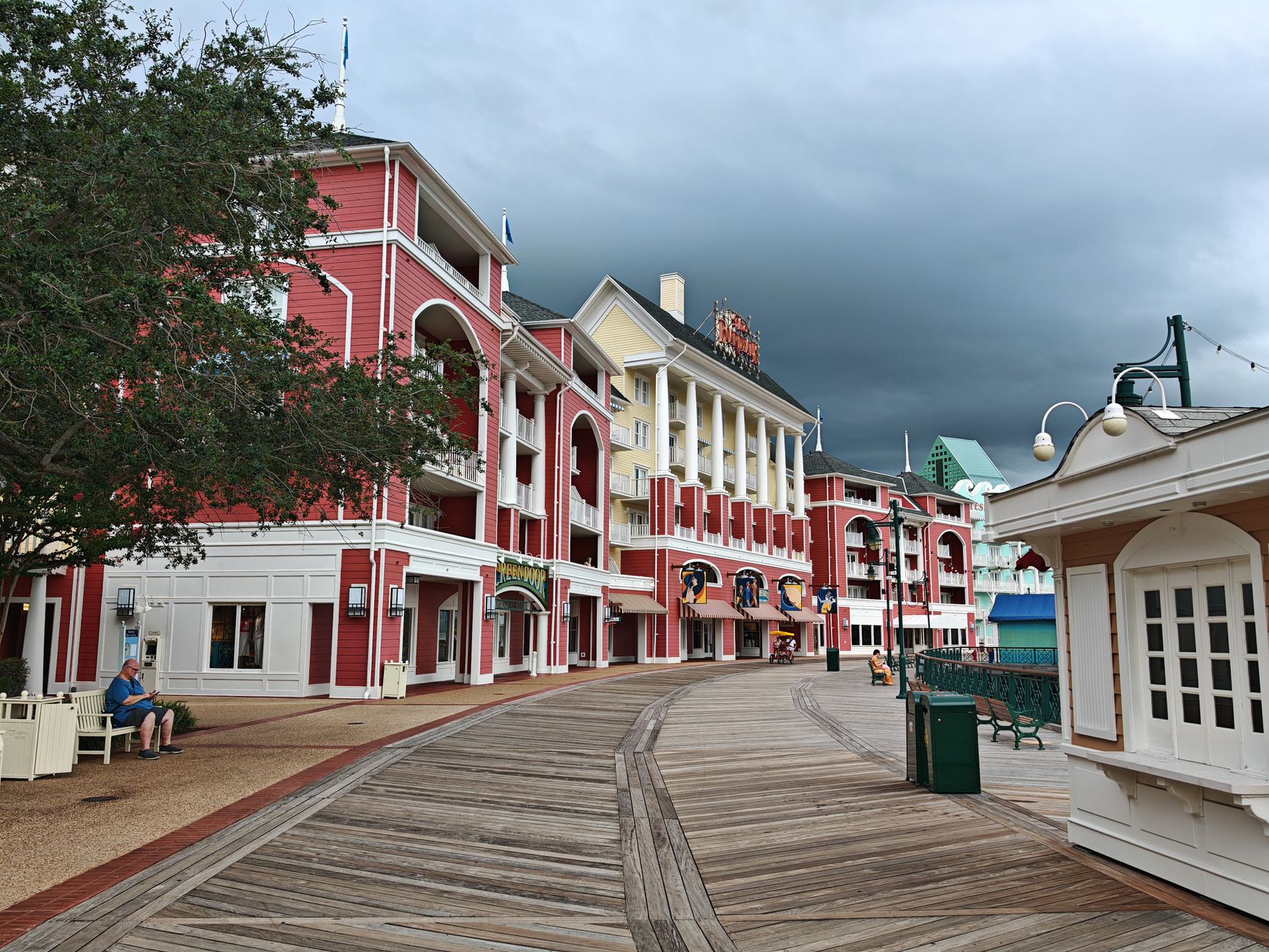
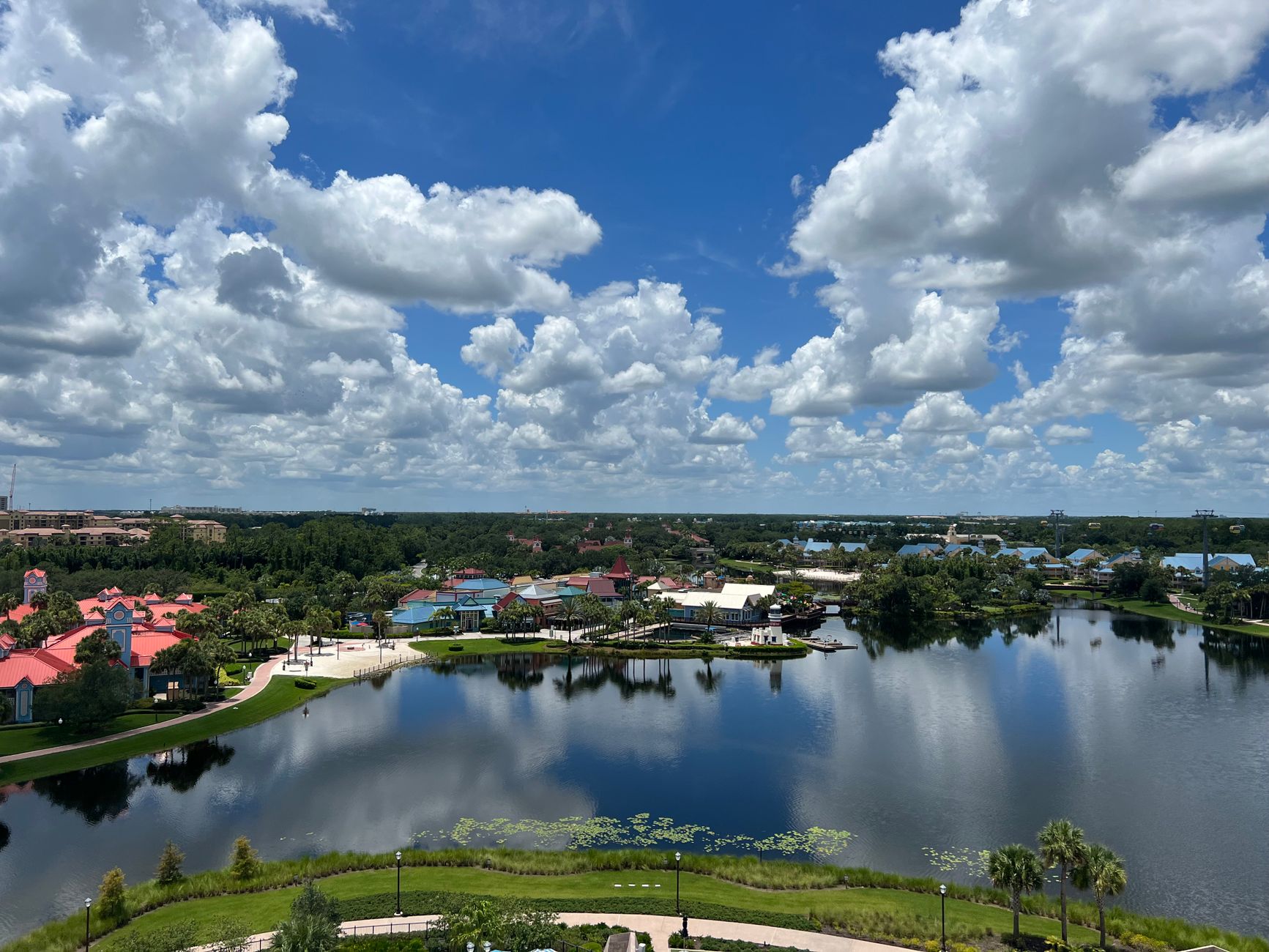




Lake Buena Vista has a permanent population of twenty-four people. That number alone tells you most of what you need to know: this is a city built almost entirely for visitors, a municipality whose residents are largely Disney employees and retirees living inside one of the most engineered landscapes on earth. The city's name traces back not to Florida but to a street in Burbank, California — the address of The Walt Disney Company's headquarters — which gives you a sense of how thoroughly this place was designed from the outside in.
At its center sits Disney Springs, a 120-acre open-air complex that has cycled through four names since opening in 1975. It remains the one part of the Walt Disney World orbit where no ticket is required to enter.
💛 What travellers fall for
People who return regularly tend to arrive at Disney Springs early, before the afternoon heat settles in. The World of Disney store — roughly 51,000 square feet, the largest of its kind — is worth a lap in the morning quiet. The Paddlefish, moored on the water and open for dinner, rewards those who book ahead rather than walk up.
Deals in Lake Buena Vista
Book directly at the provider
How Lake Buena Vista came to be
The city was incorporated on May 12, 1967, as the City of Reedy Creek — a legal vehicle Walt Disney used to secure unprecedented municipal autonomy over his Florida project. Two years later, on July 3, 1969, the boundaries were redrawn and the name changed to City of Lake Buena Vista, borrowing from the Burbank street where Disney's corporate offices stood.
The commercial heart of the city opened as Lake Buena Vista Shopping Village on March 22, 1975, and has been renamed four times since: Walt Disney World Village in 1977, Disney Village Marketplace in 1989, Downtown Disney in 1997, and finally Disney Springs in 2015. The governing structure shifted too — in February 2023, the Florida Legislature replaced the long-standing Reedy Creek Improvement District with the Central Florida Tourism Oversight District.
Who and what shaped it
People who shaped it
Landmark buildings
See Lake Buena Vista in motion
Plan your visit
On the map
When to go
Summers run hot and genuinely humid, with July averaging over 200mm of rain and afternoon thunderstorms arriving on schedule most days from June through August. The sweet spots are March through May and October through November, when temperatures sit in the mid-to-upper twenties Celsius and the air is easier to move through.
Right now
Background & history adapted from Wikipedia (CC BY-SA) · specs from Wikidata (CC0) · weather from Open-Meteo · map data © OpenStreetMap contributors · photos from Wikimedia Commons / Unsplash with per-image credit. No third-party reviews or social posts reproduced.