
La Seu Cathedral
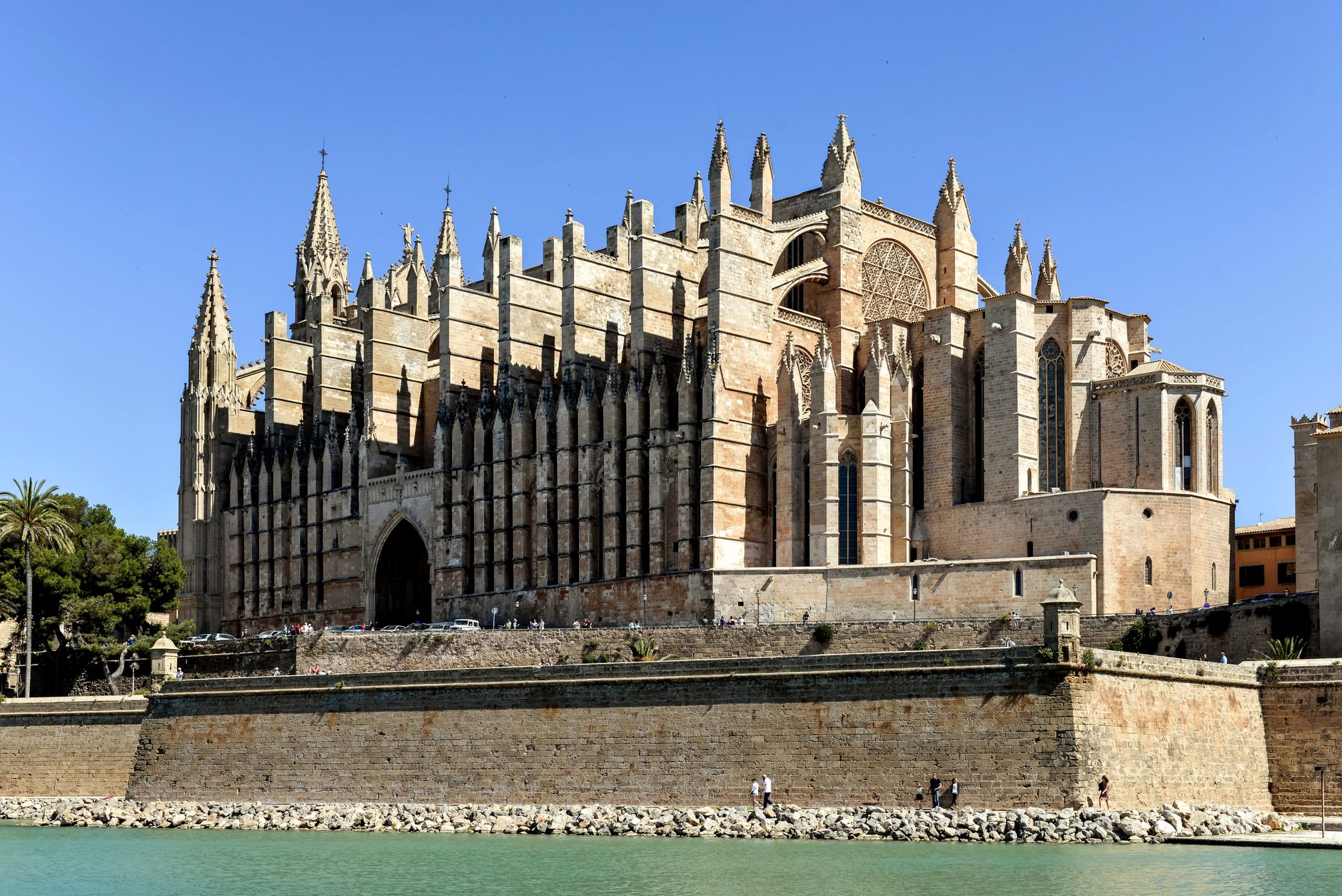
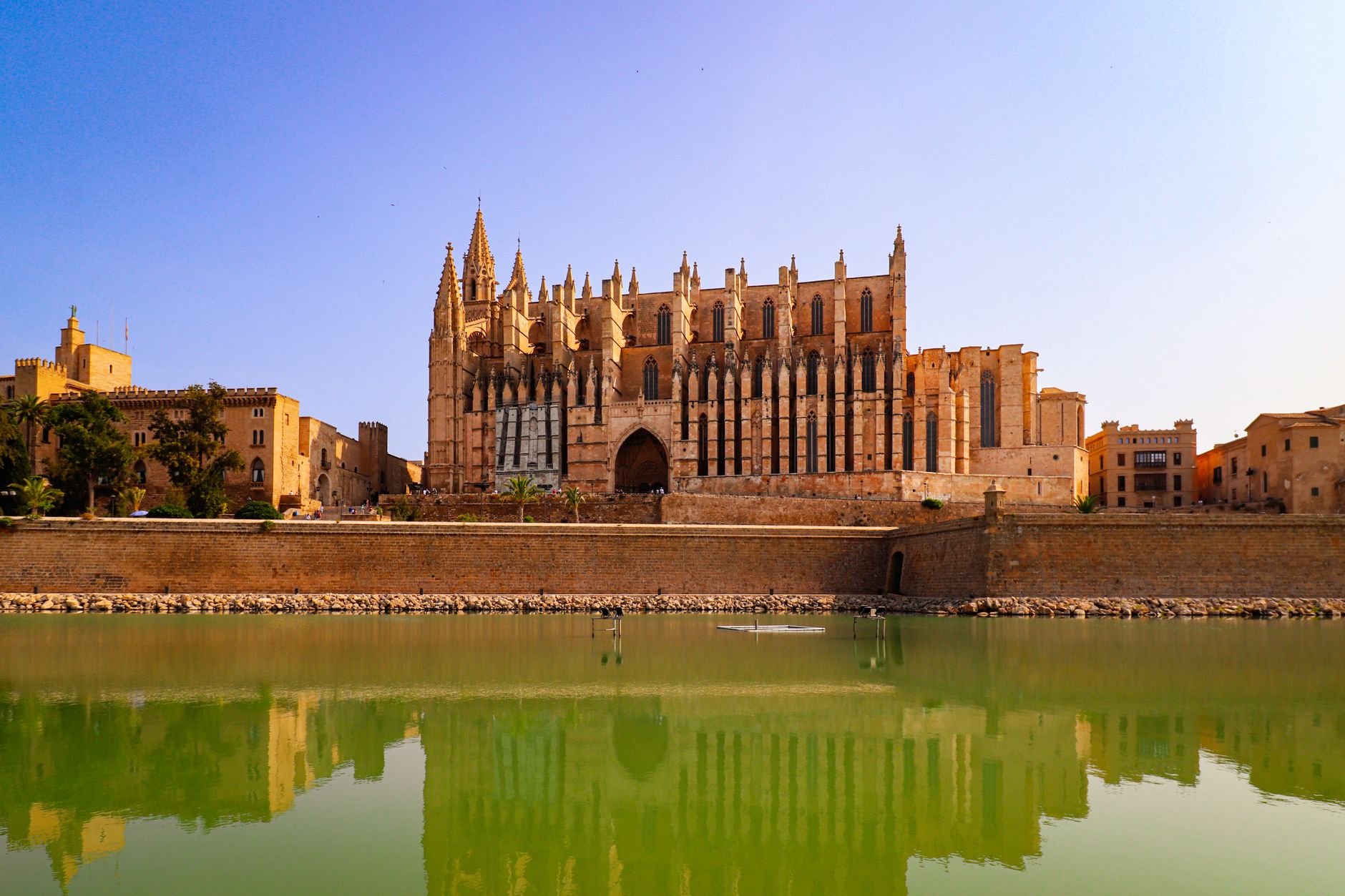
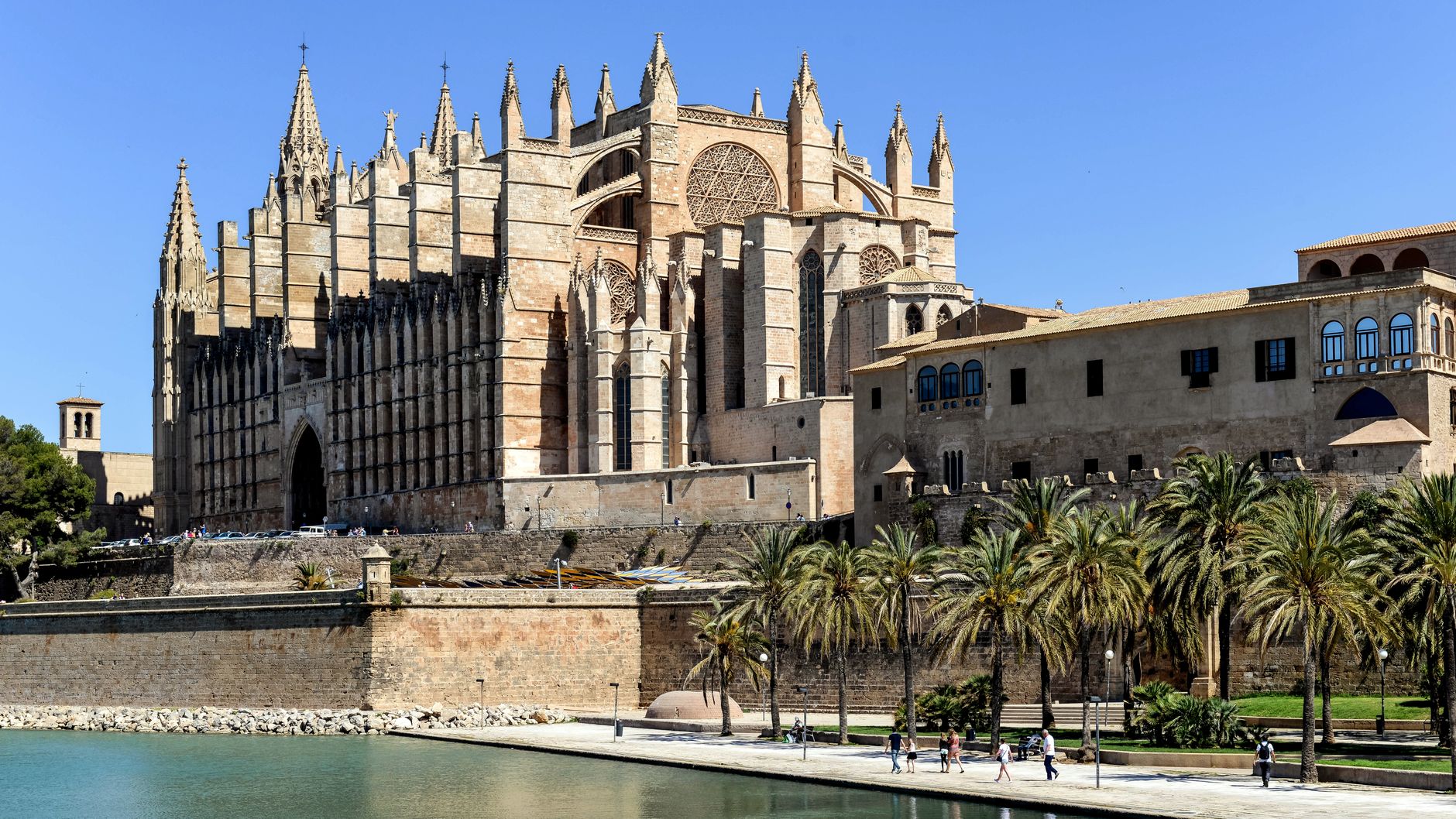
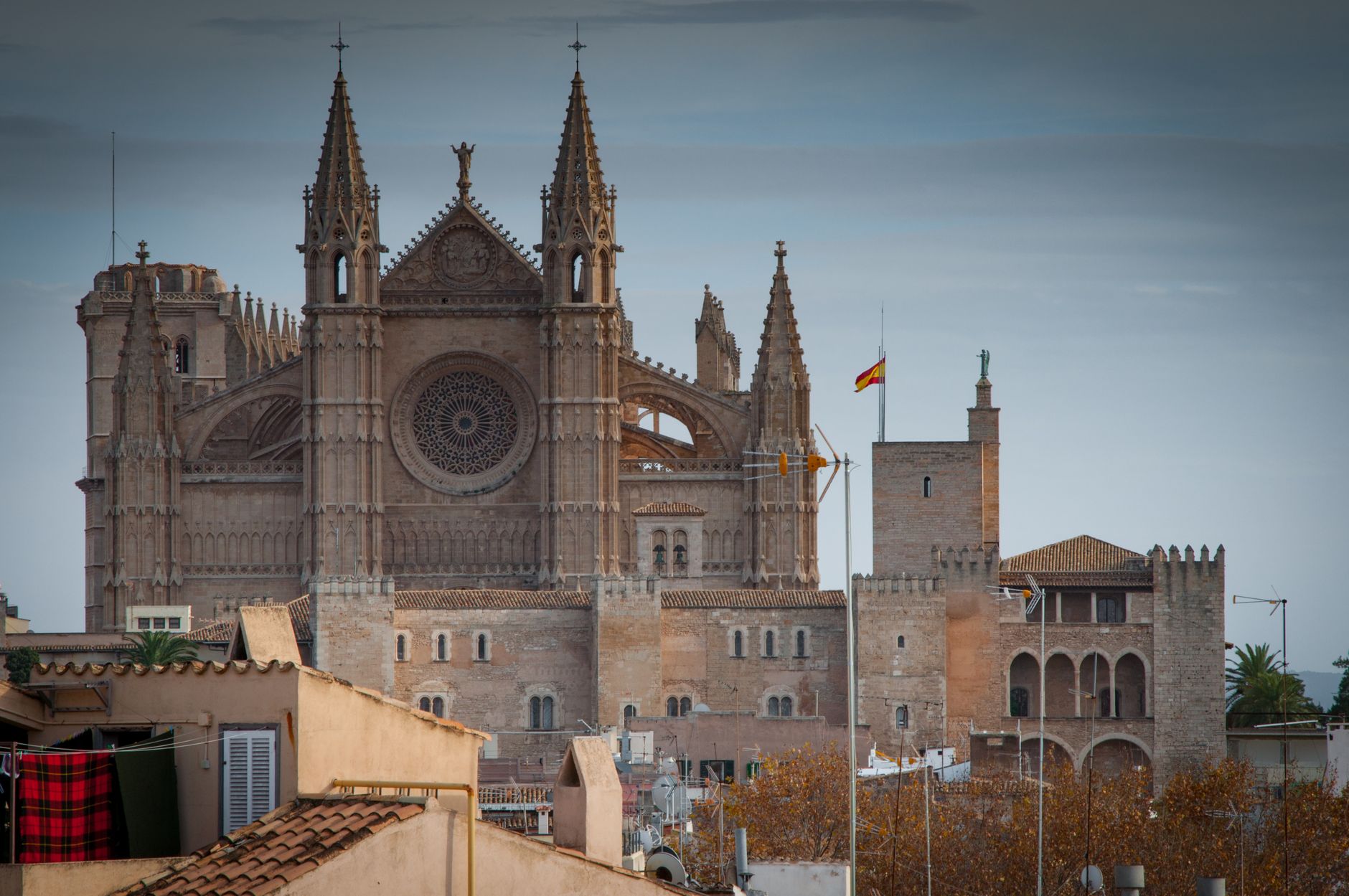
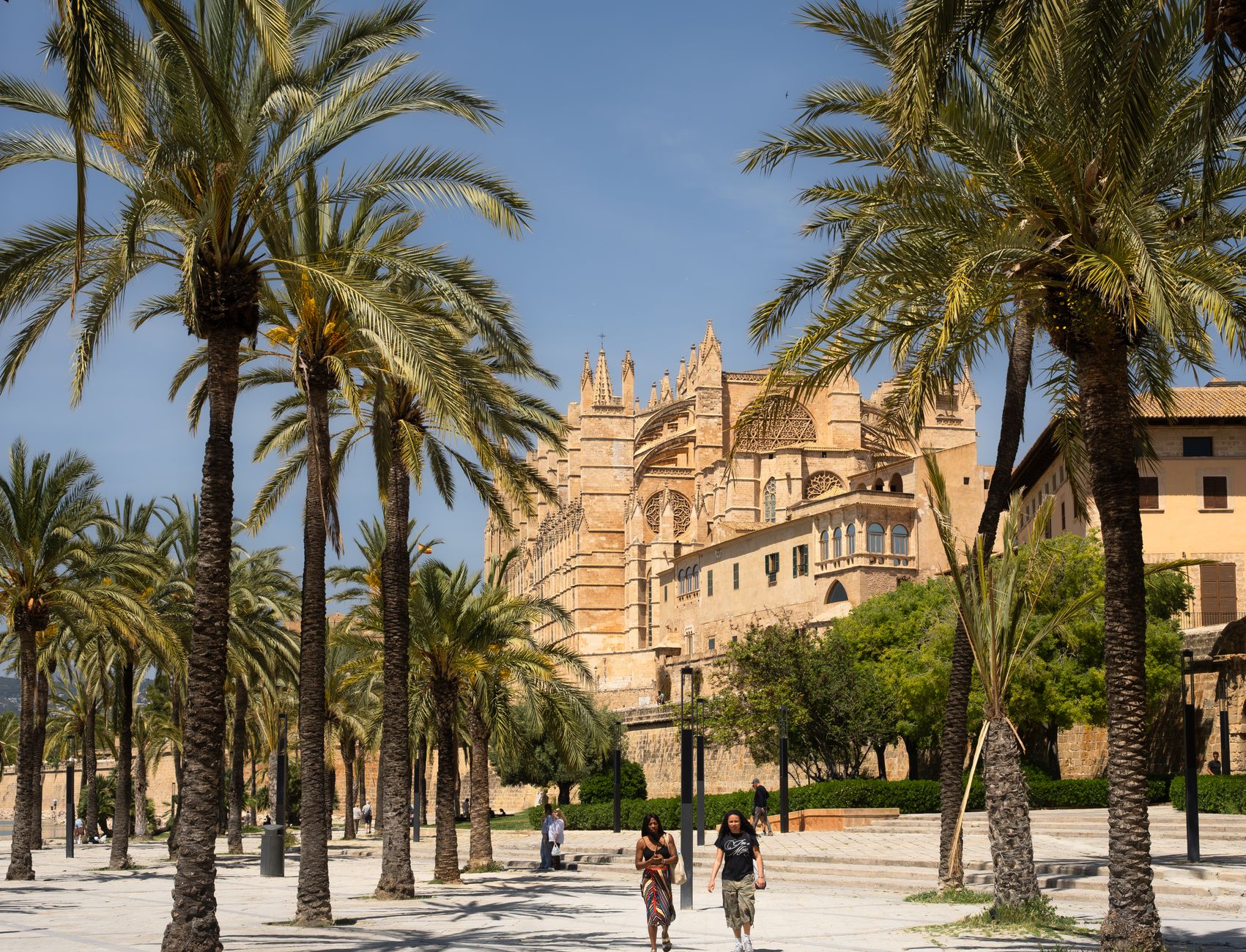
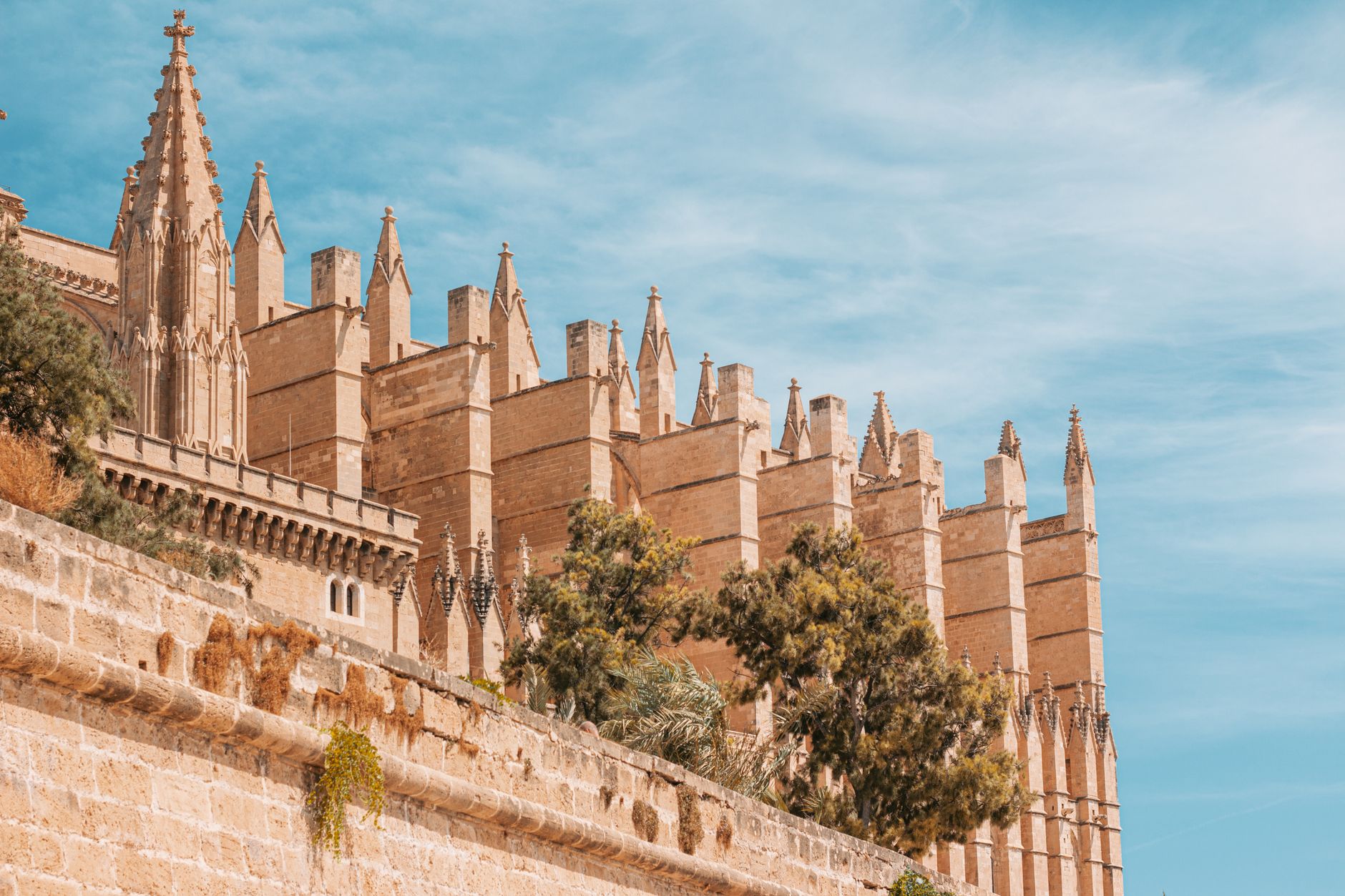
Stand on the waterfront in Palma and La Seu rises above the old city like a stone cliff face, its buttresses catching the Mediterranean light at angles that shift by the hour. The numbers alone stop you short: a central nave 44 metres high, a rose window nearly 14 metres across — the second-largest surviving Gothic rose window anywhere — and a bell, the N'Aloi, that weighs 4.6 tonnes and is the largest mobile bell tolled in Spain.
Inside, the scale is one thing, but the layers are another. Gaudí left his mark on the altar canopy. Miquel Barceló covered an entire apse in Italian ceramic, replaced the stained glass with grisaille panels meant to read like the floor of the sea. Seven centuries of hands, and the building keeps accumulating.
💛 What travellers fall for
People who come back tend to time a visit for a weekday morning in winter, when the hours run to 3:15 PM and the crowds are thin enough to stand under the rose window without negotiating for space. The Portal del Mirador on the south front — 15th-century scenes from the Last Supper carved in stone — gets overlooked by most visitors heading straight for the main entrance.
Deals in La Seu Cathedral
Book directly at the provider
How La Seu Cathedral came to be
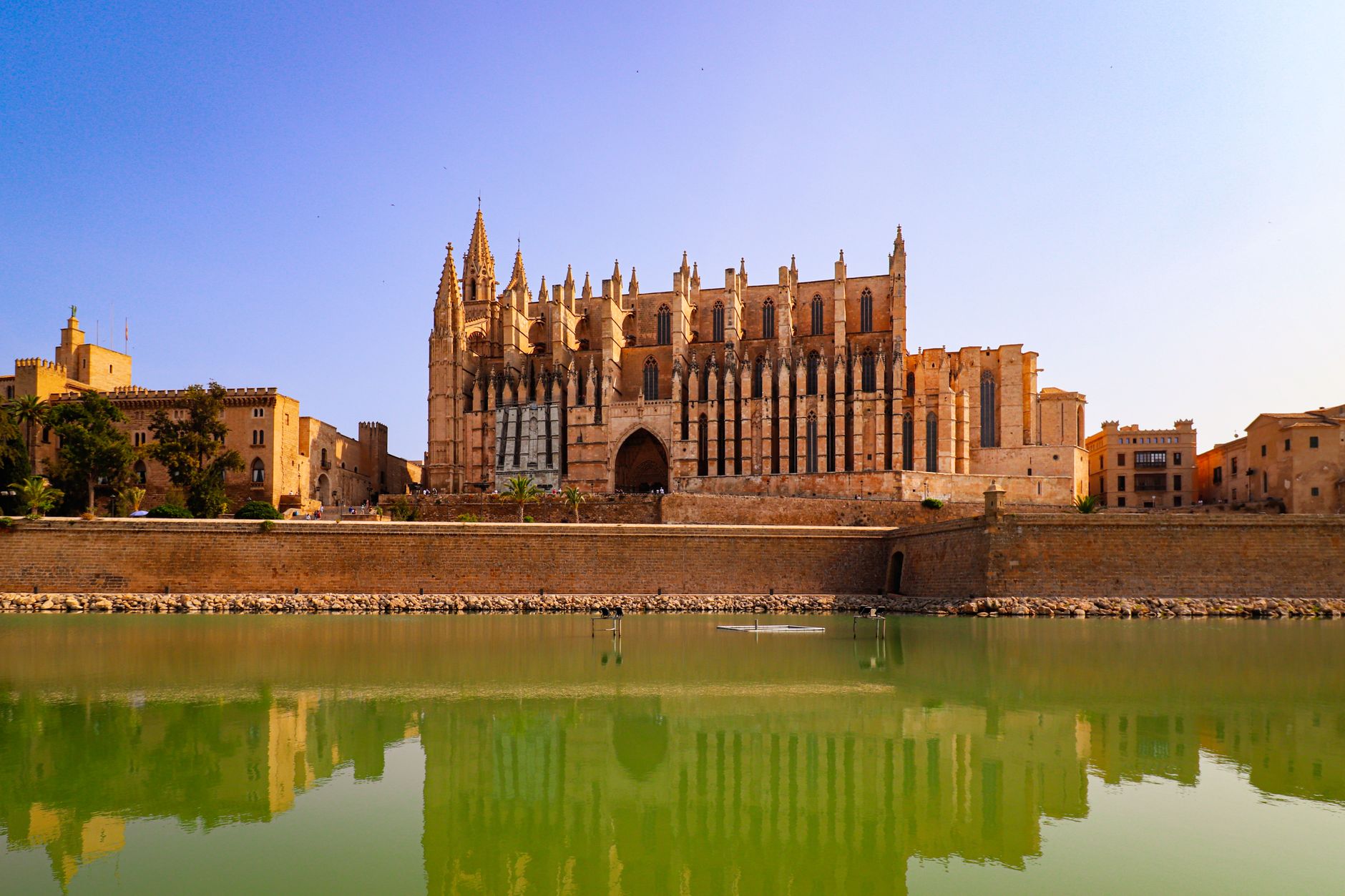
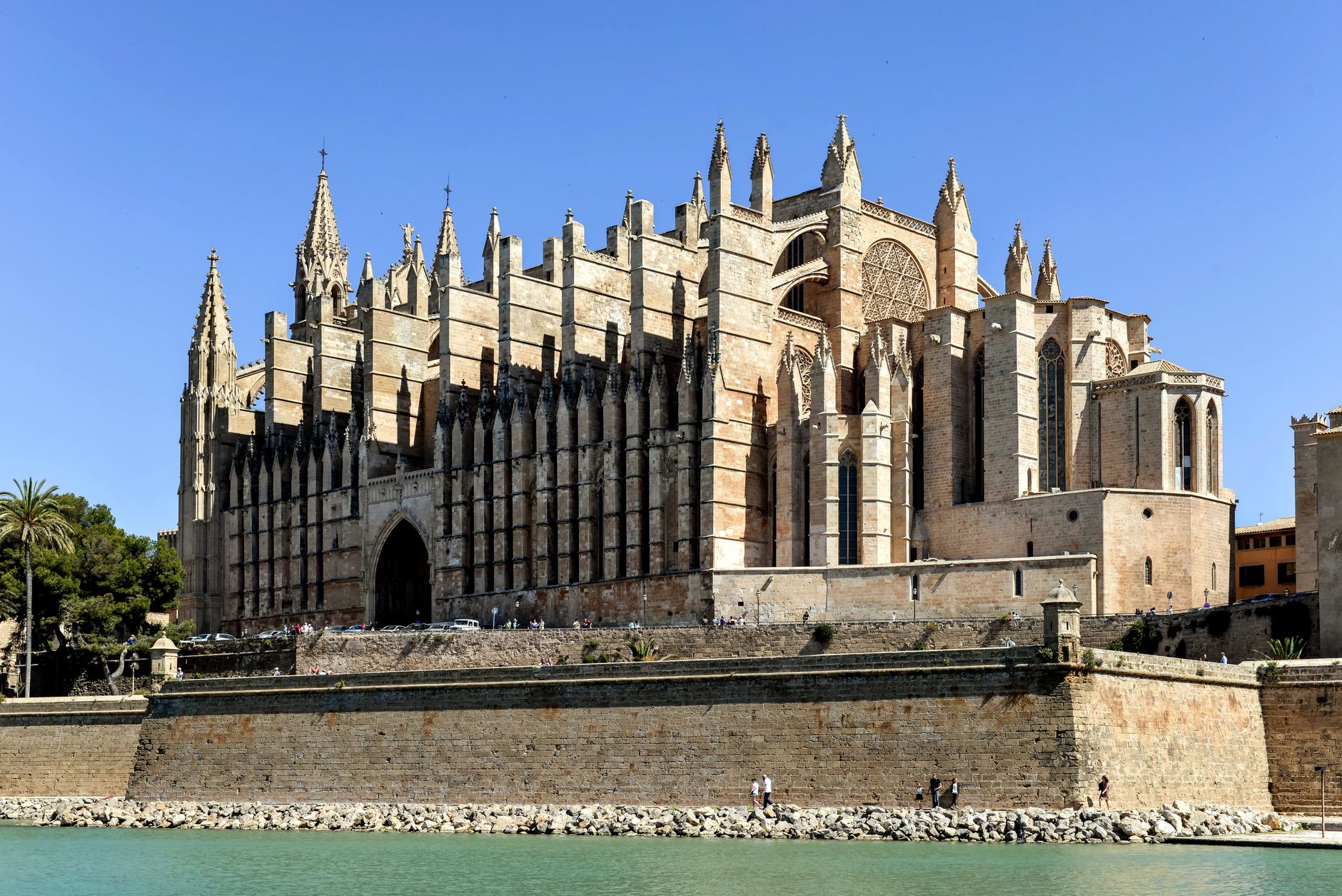
Construction began in 1230, the year after King Jaume I of Aragón wrested Mallorca from the Moors, on a site consecrated by Bishop Pere de Morella. The first architect, Ponç des Coll, started with the Chapel of the Holy Trinity — finished by 1327 and still the oldest surviving part of the building, housing the tombs of Kings Jaume II and III. Jaime Fabre followed, then Jaume Matas and Llorenç Sosquela from 1368 onward, with sculptors arriving from across Europe and as far as the Nordic countries. The bell tower was complete by 1498; the whole edifice finally closed in 1601.
The story didn't end there. An earthquake in 1851 destroyed the west front, and Madrid architect Juan Bautista Peyronnet rebuilt it. Then in 1903, Antoni Gaudí was invited to oversee interior restoration — a commission that ran until 1914, when disputes with local authorities ended his involvement. A century later, between 2001 and 2006, Mallorcan artist Miquel Barceló transformed the Chapel of Sant Pere, rendering the Miracle of Loaves and Fishes in ceramic and sea-coloured glass.
Who and what shaped it
People who shaped it
Landmark buildings
See La Seu Cathedral in motion
Plan your visit
On the map
When to go
Right now
Background & history adapted from Wikipedia (CC BY-SA) · specs from Wikidata (CC0) · weather from Open-Meteo · map data © OpenStreetMap contributors · photos from Wikimedia Commons / Unsplash with per-image credit. No third-party reviews or social posts reproduced.