
La Palma
La Palma is the kind of island where the sky is legally protected. A 1988 law — the first of its kind anywhere in the world — limits light pollution across the island, which is why the Roque de los Muchachos ridge, at 2,426 metres, hosts one of the planet's leading astronomical observatories, including the Gran Telescopio Canarias, the largest optical telescope currently in operation.
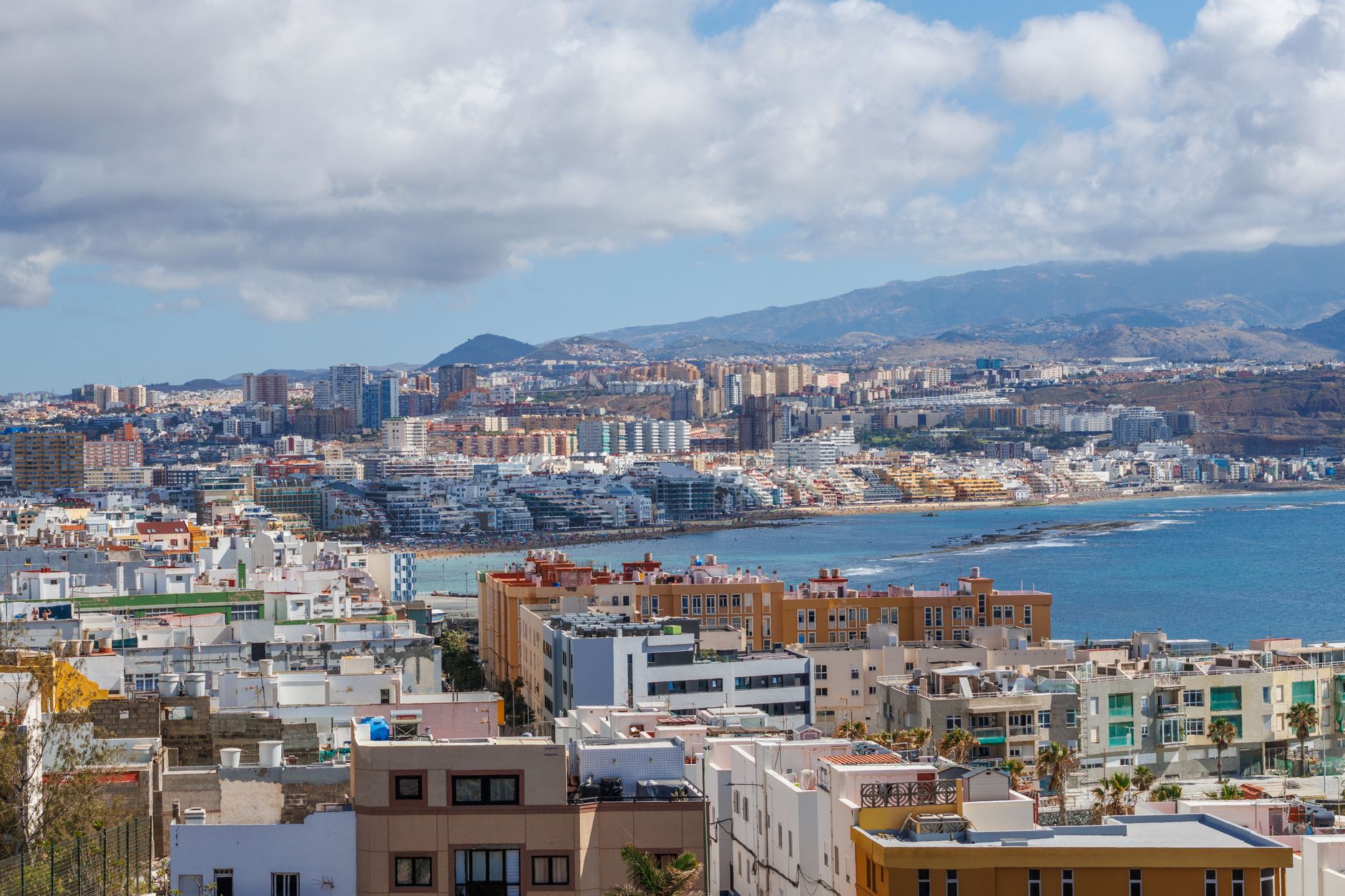
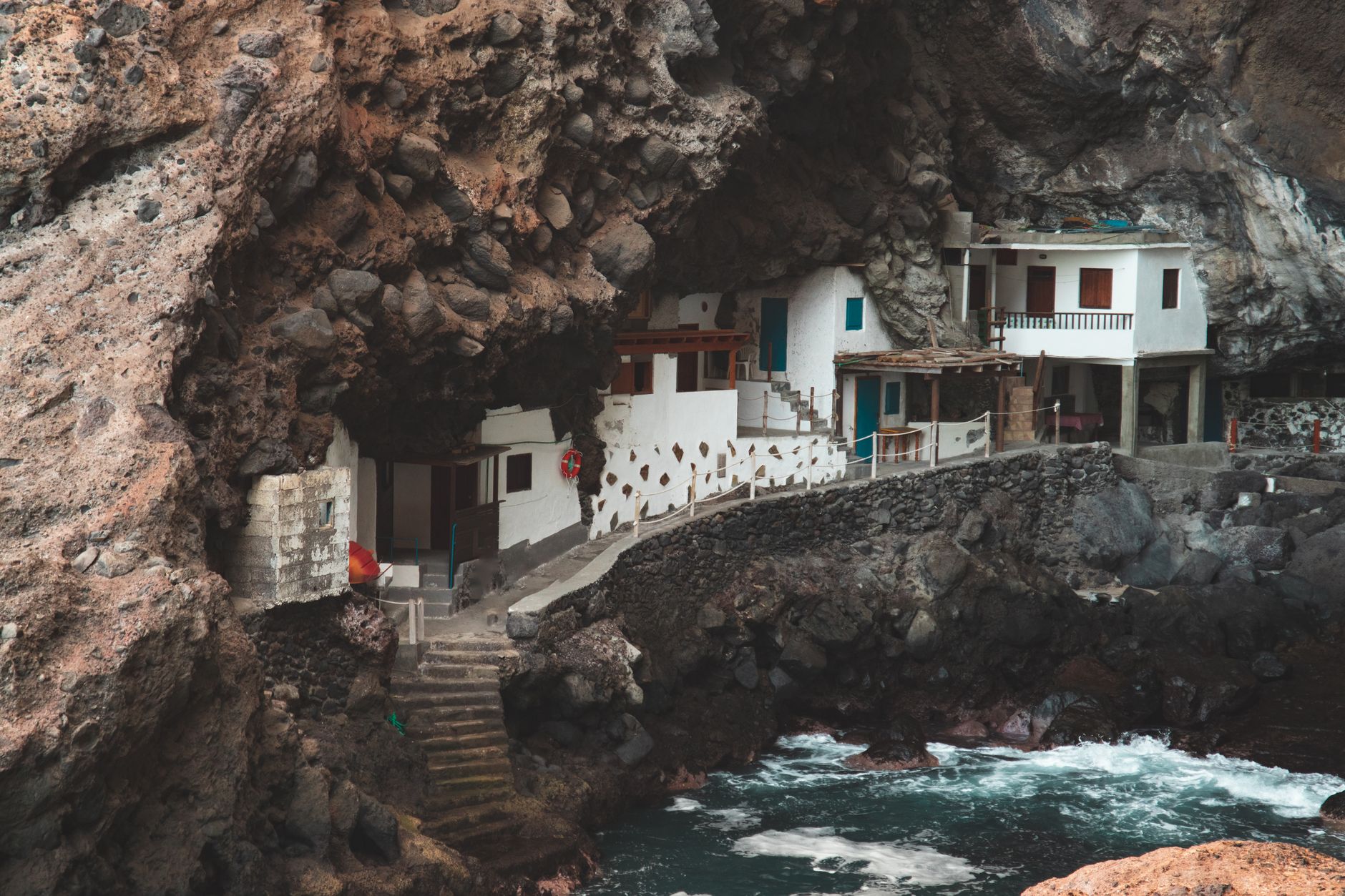
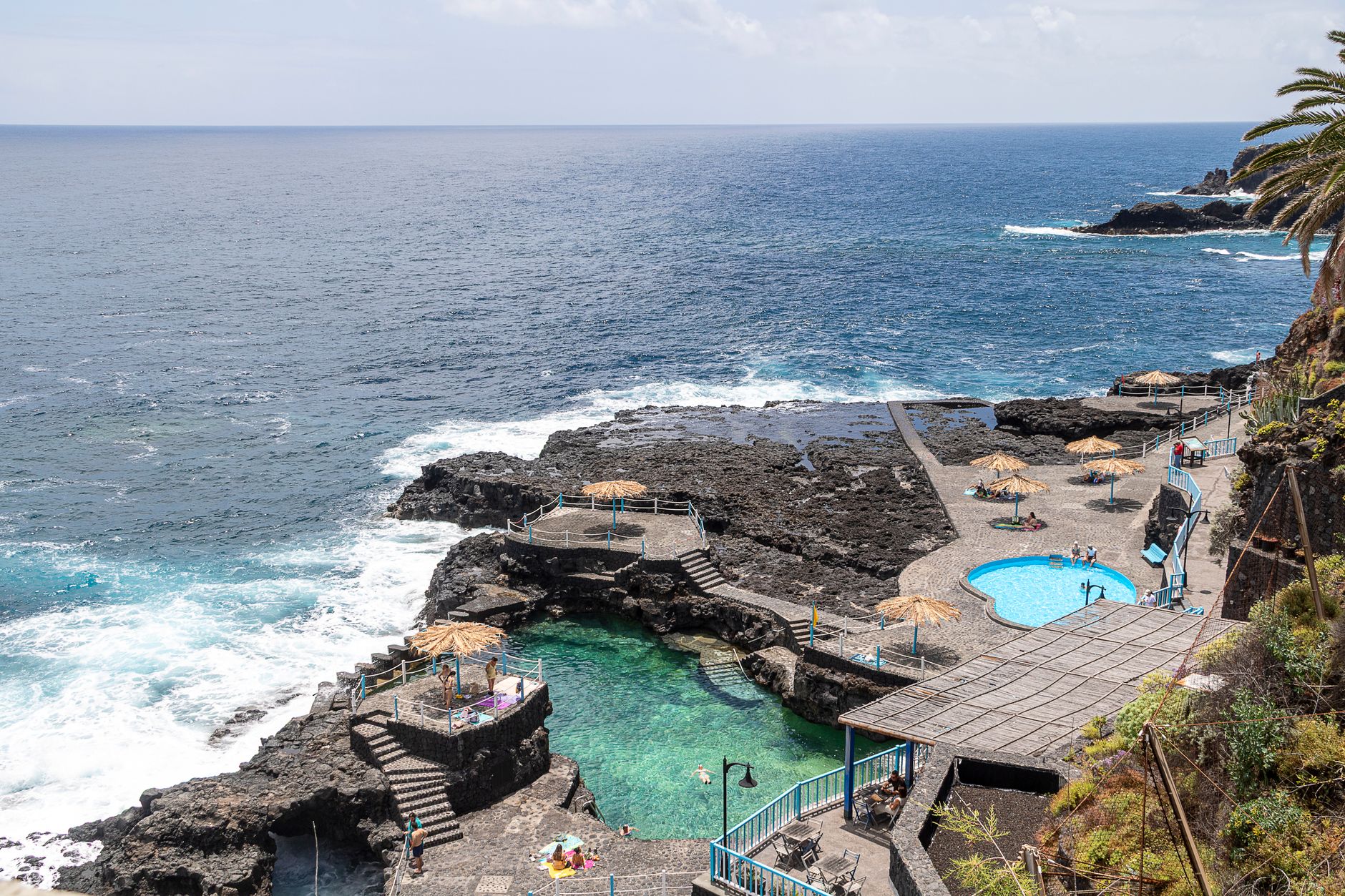
Below the ridge, the island drops through pine forest and banana plantation to a coastline of black volcanic sand. The interior is dominated by La Caldera de Taburiente, a volcanic caldera roughly eight kilometres across and now a national park. In 2021, the Cumbre Vieja eruption reshaped the southwest, destroying over 2,600 buildings — a reminder that this landscape is still actively making itself.
How La Palma came to be
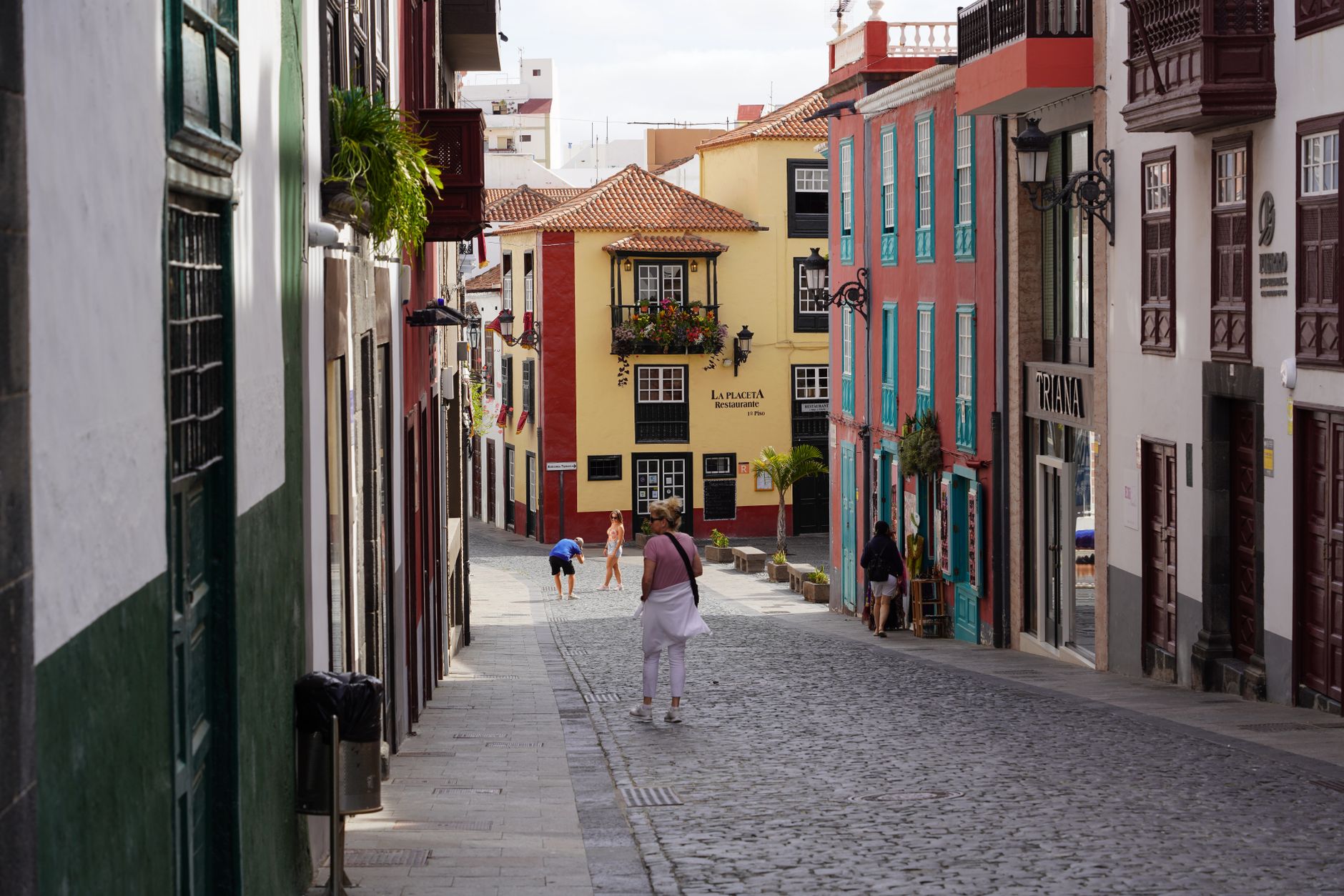
The island's original inhabitants, the Benahoaritas, called it Benahoare — 'my land' — and lived in caves, keeping goats and sheep on the steep terrain. Genoese sailors reached it in 1341, but European settlement came later: Castilian forces landed at Tazacorte in 1492, and by May 3, 1493, the conquistador Alonso Fernández de Lugo had founded Santa Cruz de La Palma and completed the conquest.
The capital's prosperity made it a target. In 1553 the French privateer François Le Clerc plundered and burned it; in 1585 Francis Drake tried and failed to do the same. By December 31, 1893, Santa Cruz de La Palma had become the first city in the Canary Islands to install public electric lighting — a detail that sits in odd, satisfying continuity with the island's later reputation for protecting its darkness.
Who and what shaped it
People who shaped it
Landmark buildings
See La Palma in motion
Plan your visit
On the map
When to go
The coast stays mild year-round — around 26°C in August, closer to 19°C in February — with most rain falling between October and March. Altitude changes everything: the higher you go, the cooler and wetter it gets, so pack a layer if you're heading up toward Roque de los Muchachos whatever the season.
Right now
Background & history adapted from Wikipedia (CC BY-SA) · specs from Wikidata (CC0) · weather from Open-Meteo · map data © OpenStreetMap contributors · photos from Wikimedia Commons / Unsplash with per-image credit. No third-party reviews or social posts reproduced.