
La Gomera
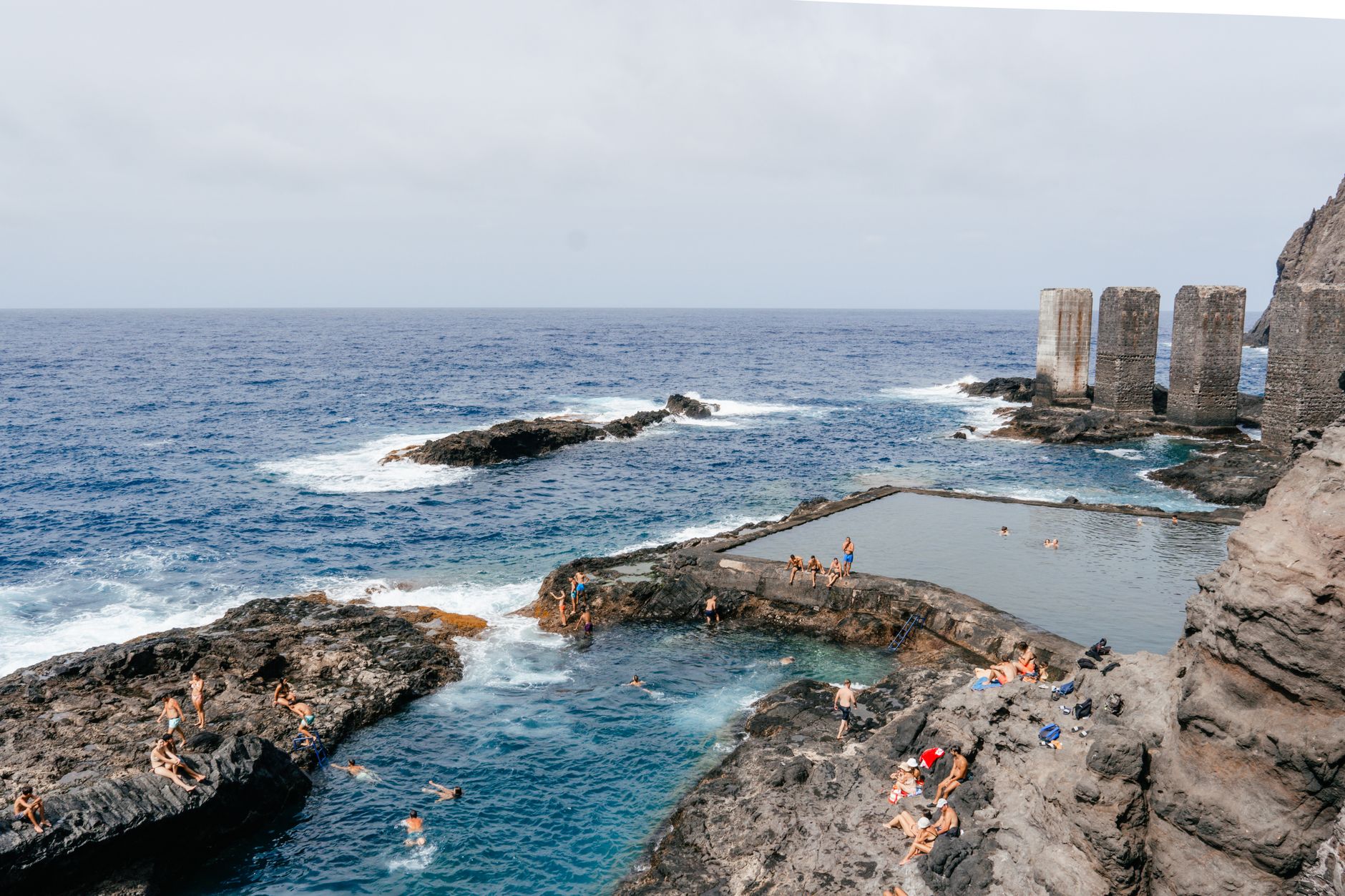
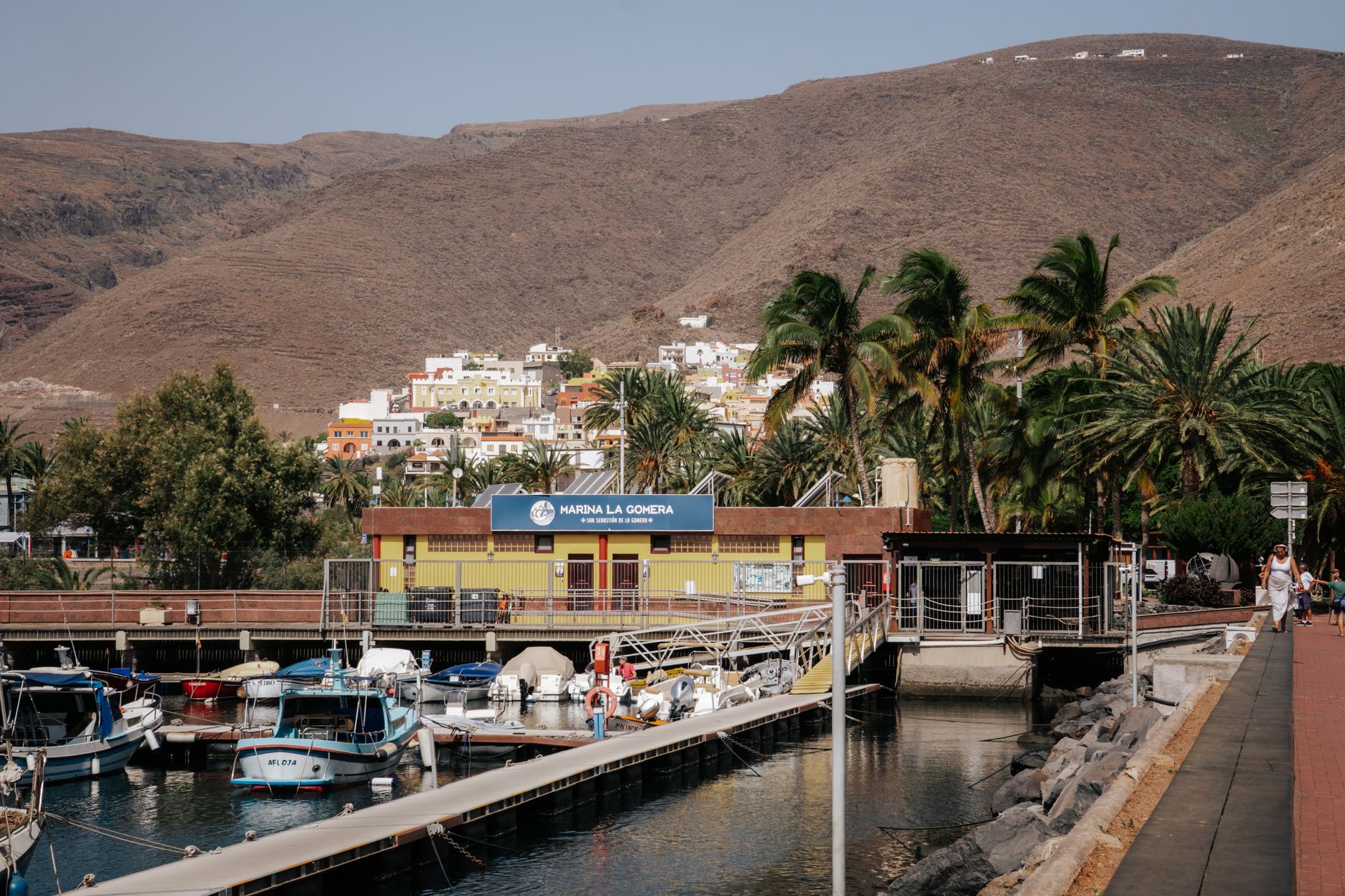
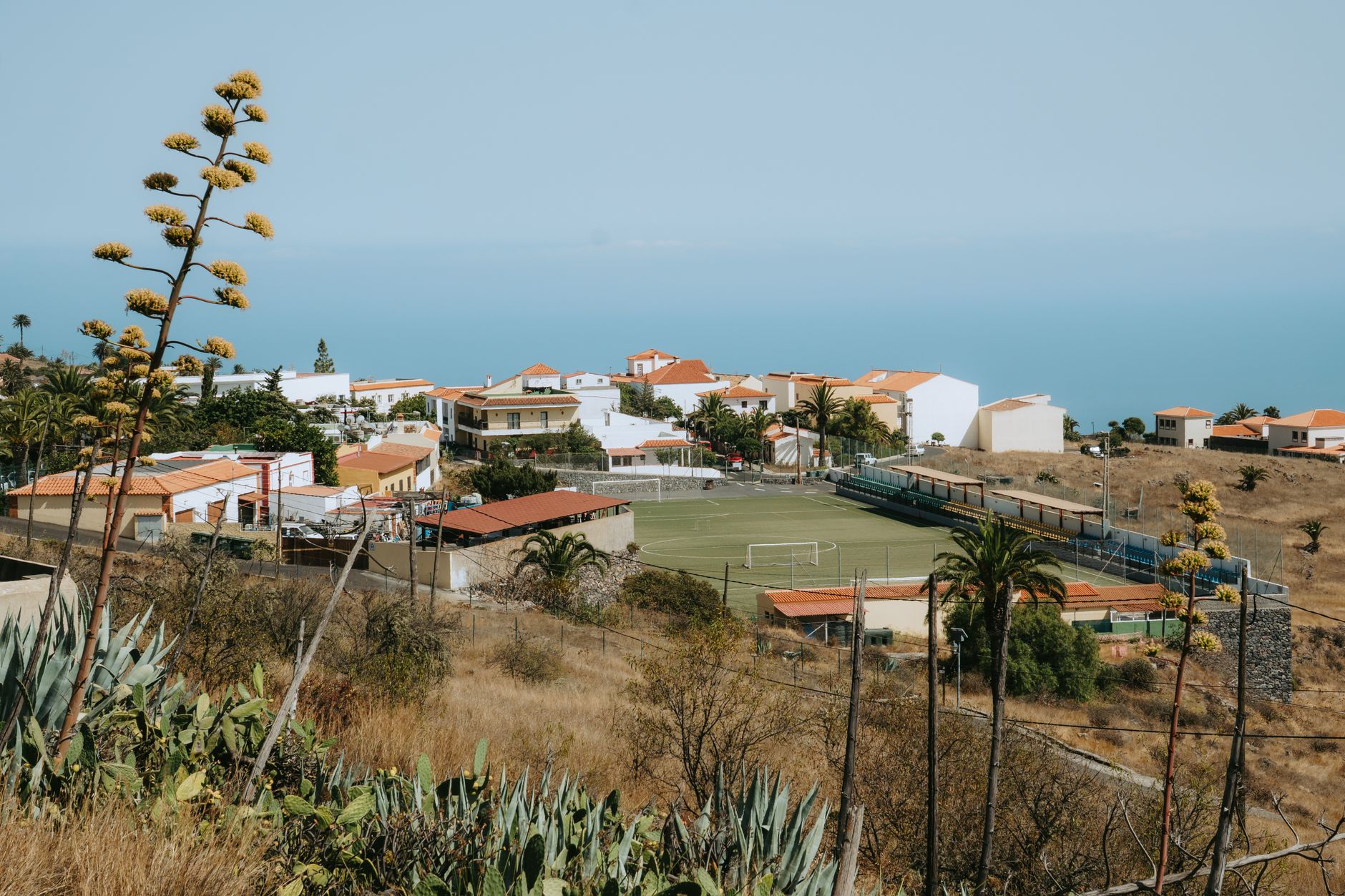
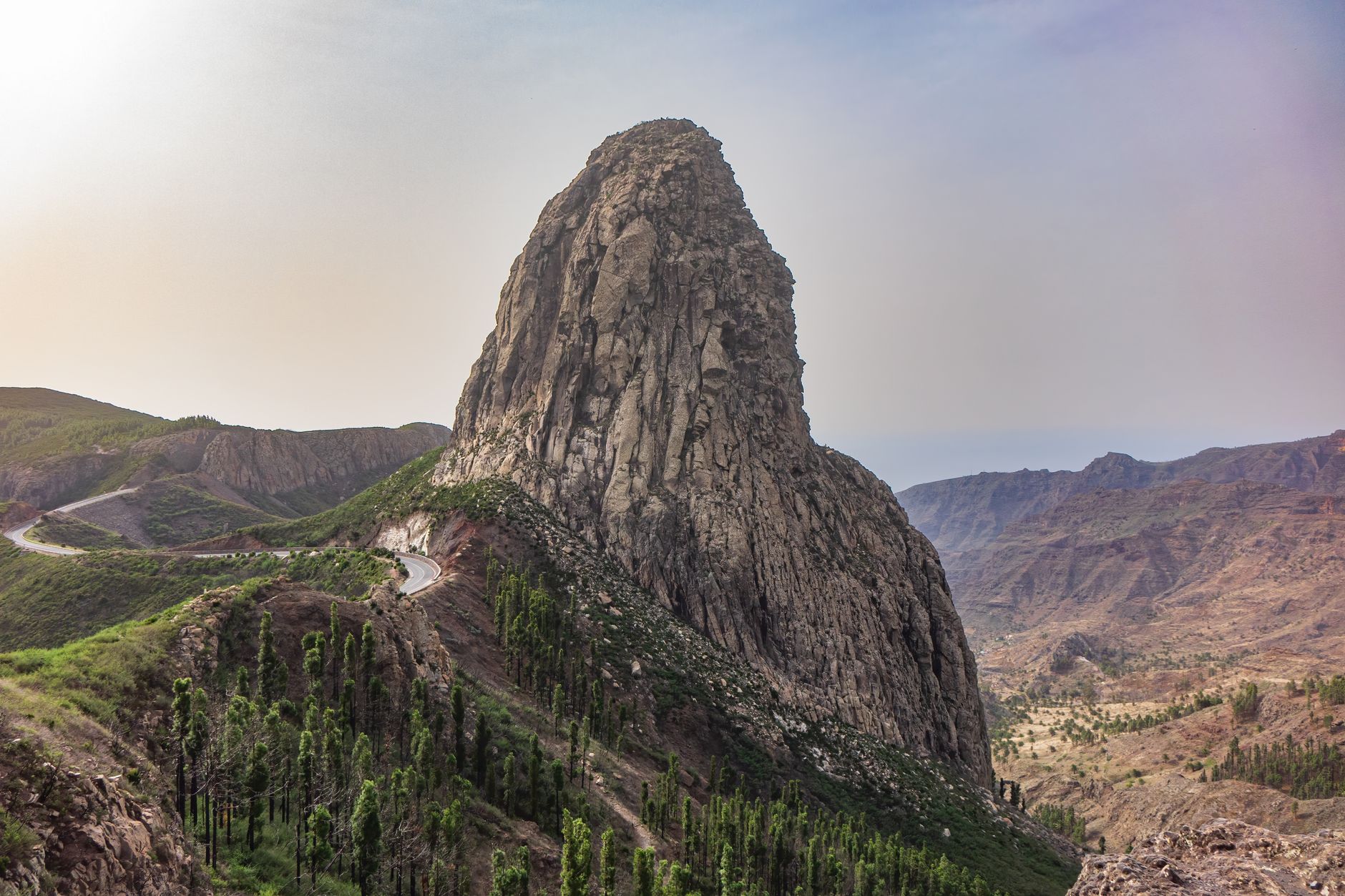
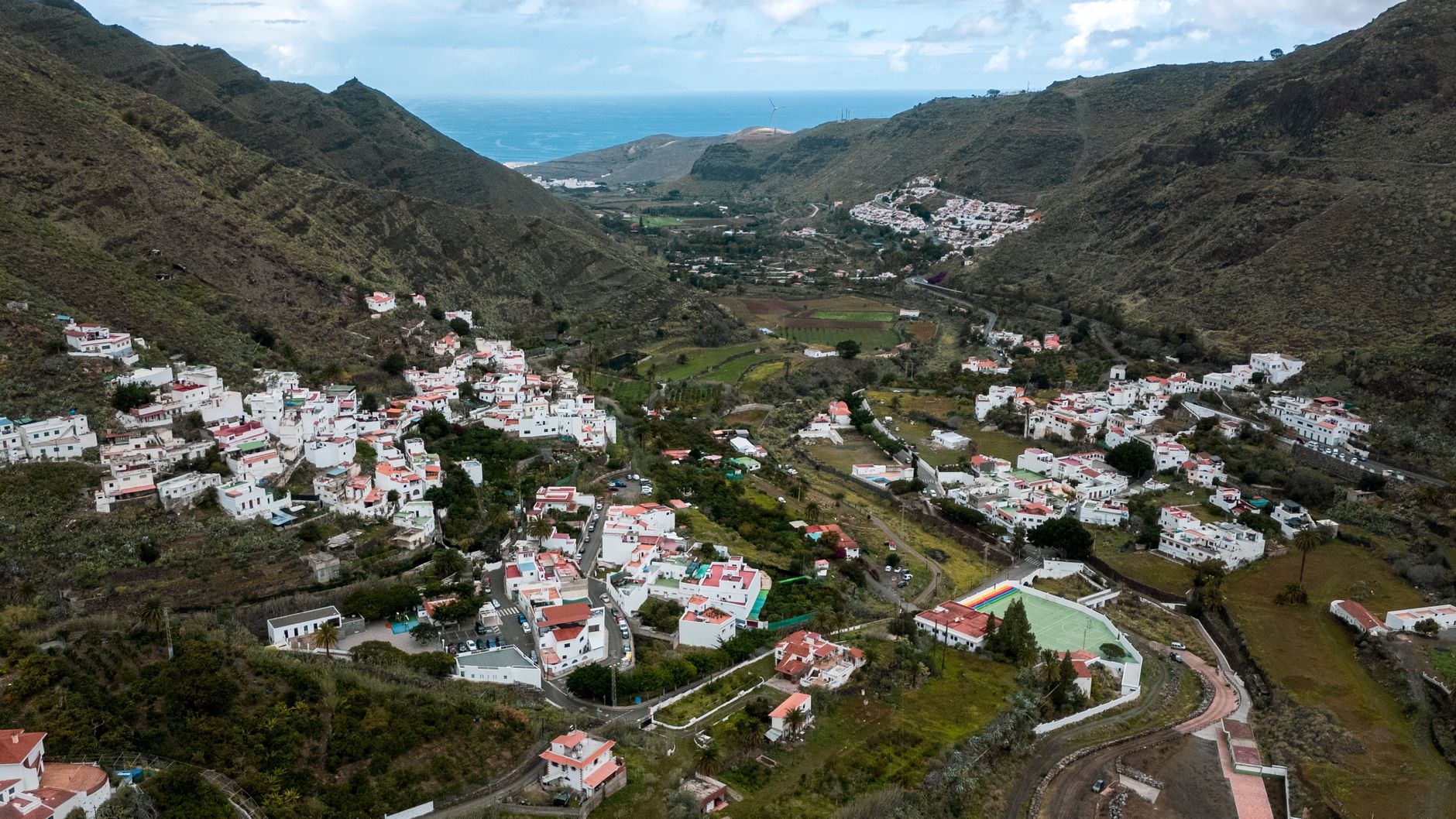
La Gomera is the Canary Island that most visitors see only from a ferry deck — a dark, corrugated silhouette rising sharply from the Atlantic — and then leave without quite understanding what they passed up. The island is old in a way you can feel: no eruption in two million years, its volcanic cones worn down to bare rock spires called Los Roques, its interior so deeply creased by ravines that entire villages went centuries communicating by a whistled language instead of words.
At the centre, Garajonay National Park covers 40 square kilometres of laurisilva — a laurel forest so dense and cloud-soaked it belongs to an era before the ice ages. Around the edges, the land drops hard to the sea.
How La Gomera came to be
The island's recorded human story begins around the 1st century AD with settlers crossing from North Africa, long before Europeans arrived. By the 15th century, La Gomera was divided into four cantons — Ipalán, Agana, Orone and Mulagua — each with its own governance. Hernán Peraza the Elder founded San Sebastián around the mid-1400s and built the Torre del Conde in 1450, the only medieval tower still standing anywhere in the Canary Islands. His son, Hernán Peraza the Younger, was later killed in the Gomeran Rebellion of 1488, when the islanders stormed the tower.
The event that fixed La Gomera in the wider world came four years later. Christopher Columbus made San Sebastián his final port of call before crossing the Atlantic in 1492, provisioned here with the support of Beatriz de Bobadilla y Ossorio, Countess of La Gomera. He stayed a month rather than the planned four days, then sailed west on 6 September. He returned to provision again in 1493. A seigneurial regime outlasted both of them, running on the island until the 19th century.
Who and what shaped it
People who shaped it
Landmark buildings
See La Gomera in motion
Plan your visit
On the map
When to go
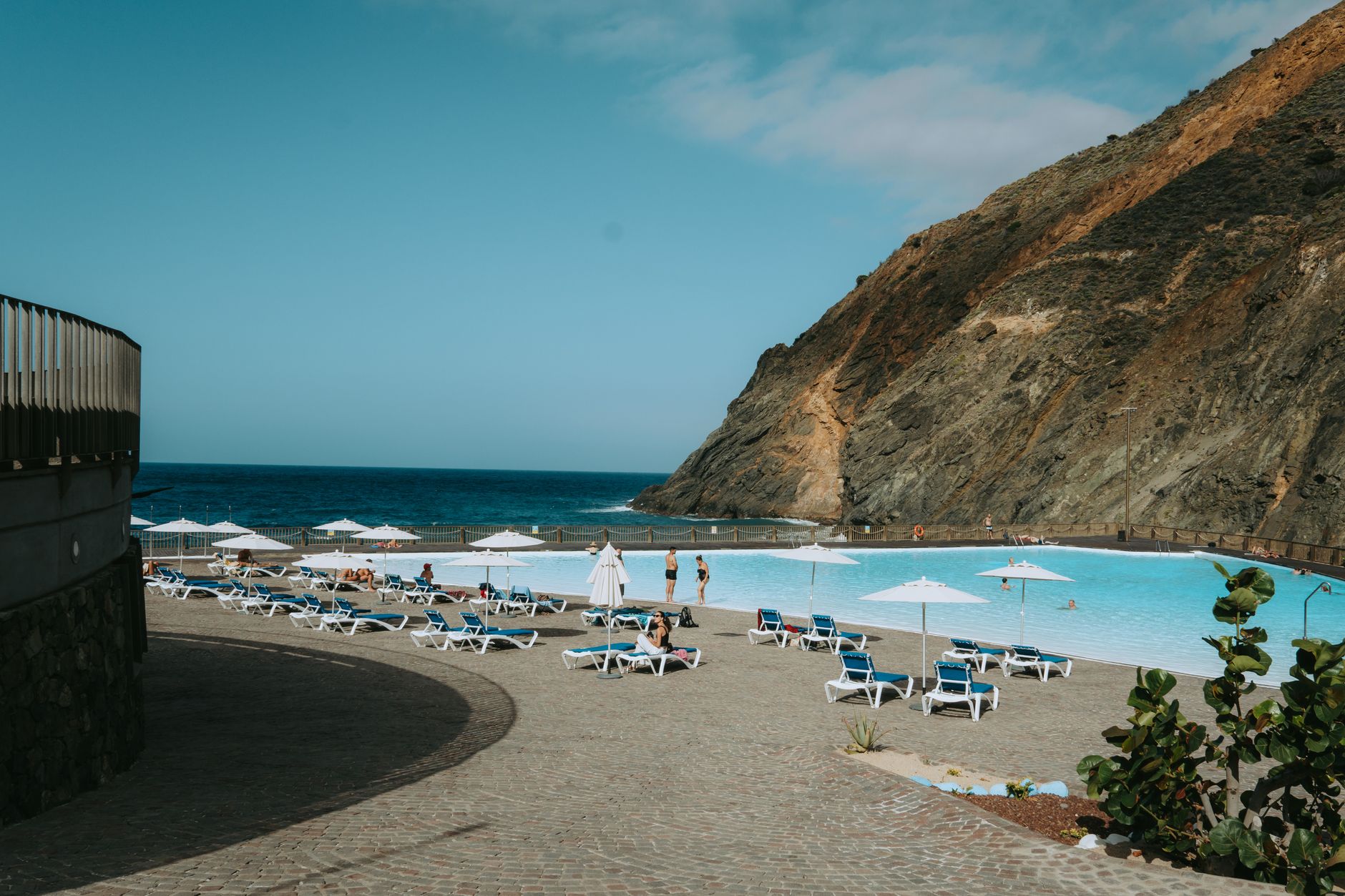
The north and centre of the island — including the Garajonay forest — stay cool, misty and green year-round, often wrapped in cloud even in summer. The southern coast around Playa Santiago is noticeably drier and sunnier; if you want warmth, that is where to base yourself. Spring and autumn are the most settled seasons for walking.
Right now
Background & history adapted from Wikipedia (CC BY-SA) · specs from Wikidata (CC0) · weather from Open-Meteo · map data © OpenStreetMap contributors · photos from Wikimedia Commons / Unsplash with per-image credit. No third-party reviews or social posts reproduced.