
Region

Kyrenia

Kyrenia
Photo by URBANSURF on Pexels
Kyrenia
Photo by Mehmet Turgut Kirkgoz on Pexels
Kyrenia
Photo by Tolga Aslantürk on Pexels
Kyrenia
Photo by Tolga Aslantürk on Pexels
Kyrenia
Photo by Tolga Aslantürk on Pexels
Kyrenia
Photo by Tolga Aslantürk on Pexels

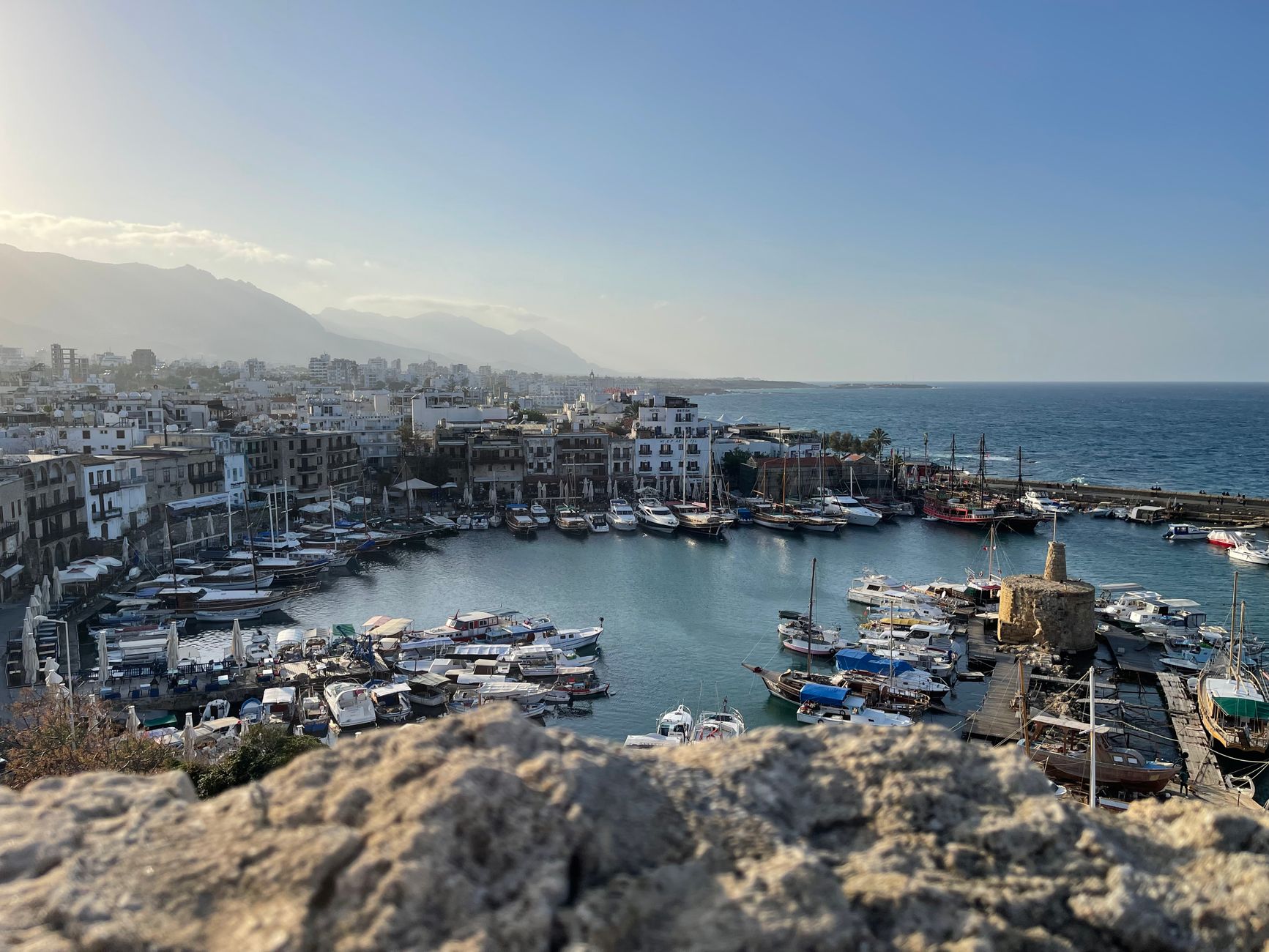
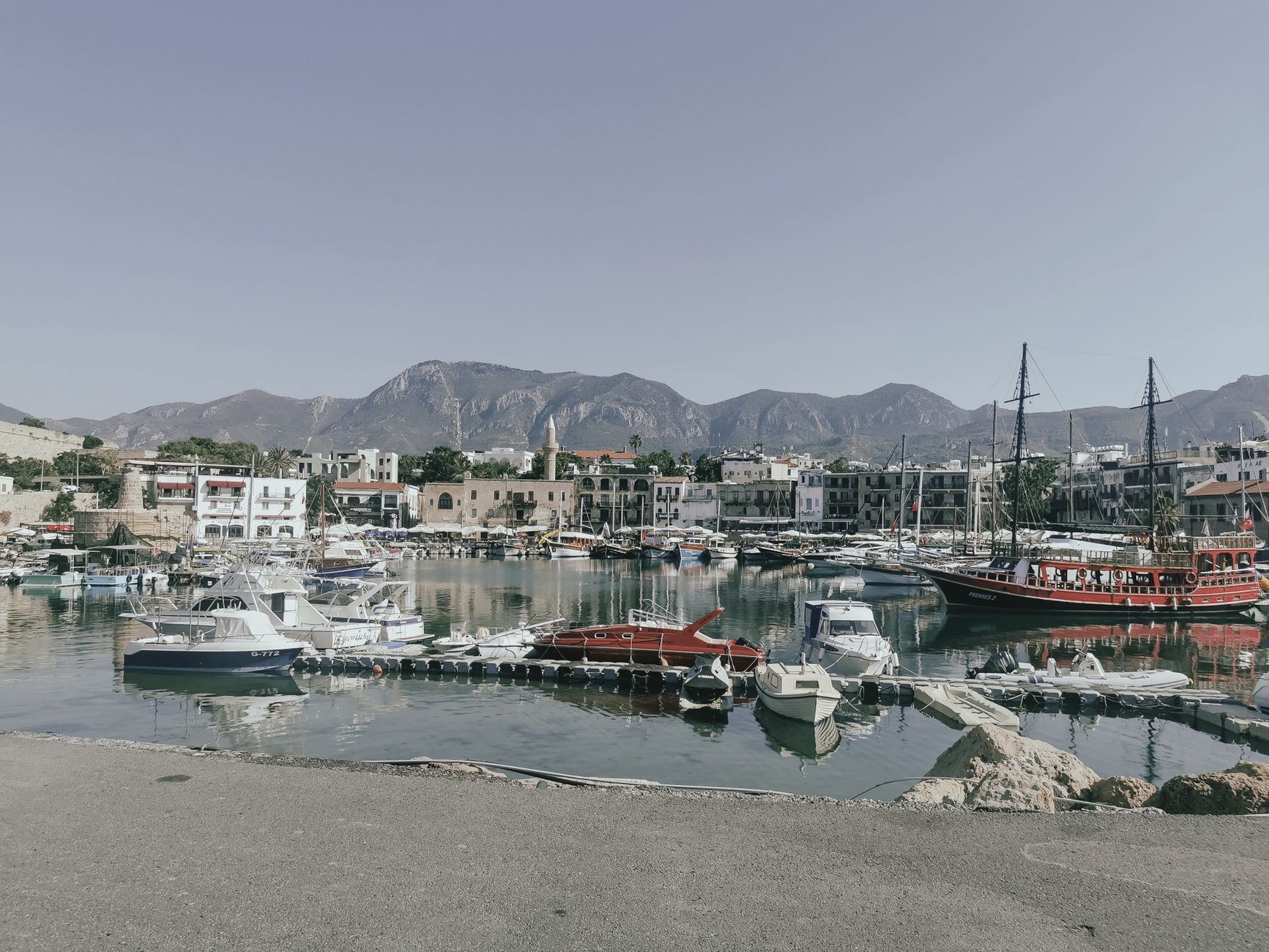
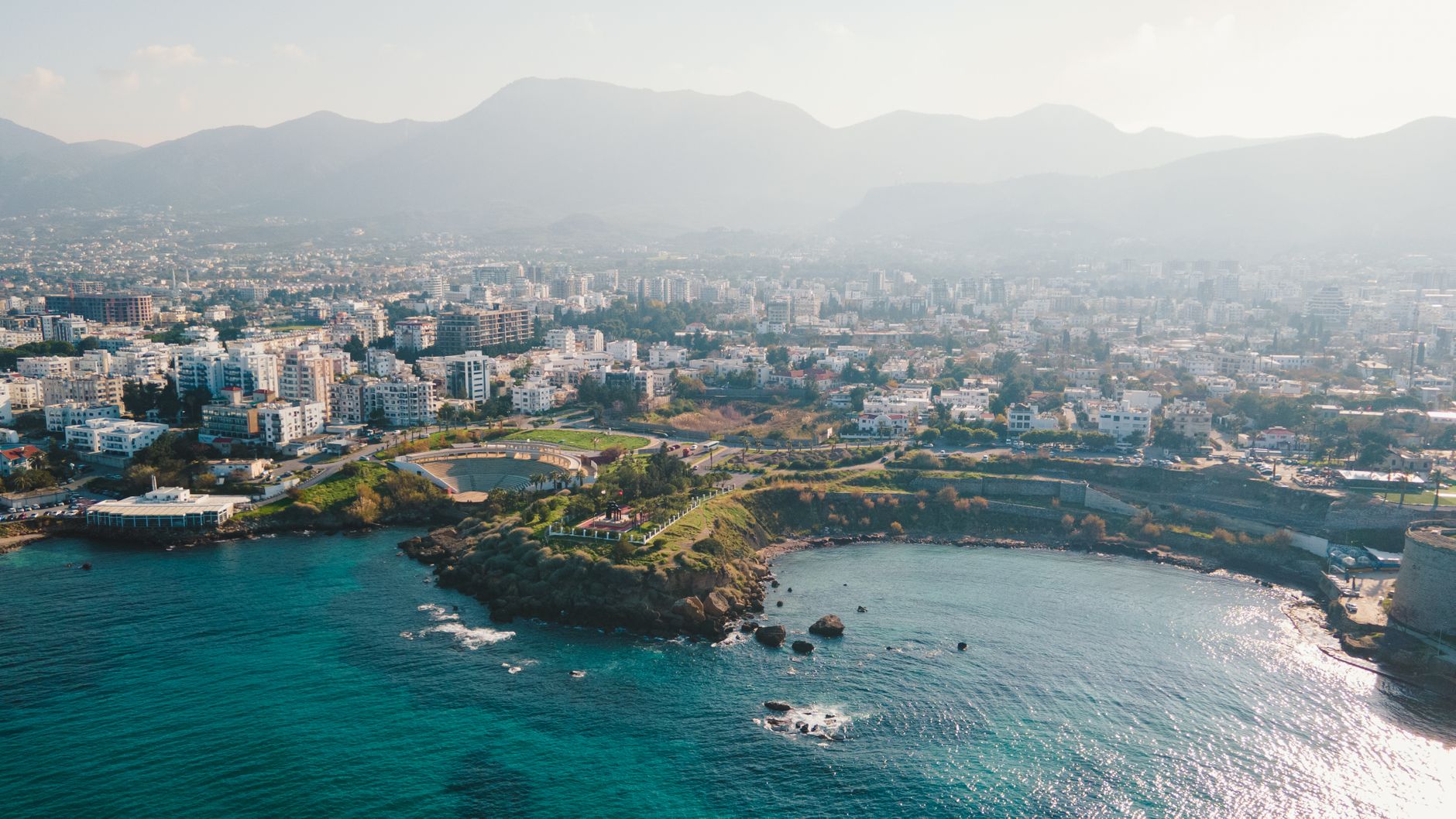
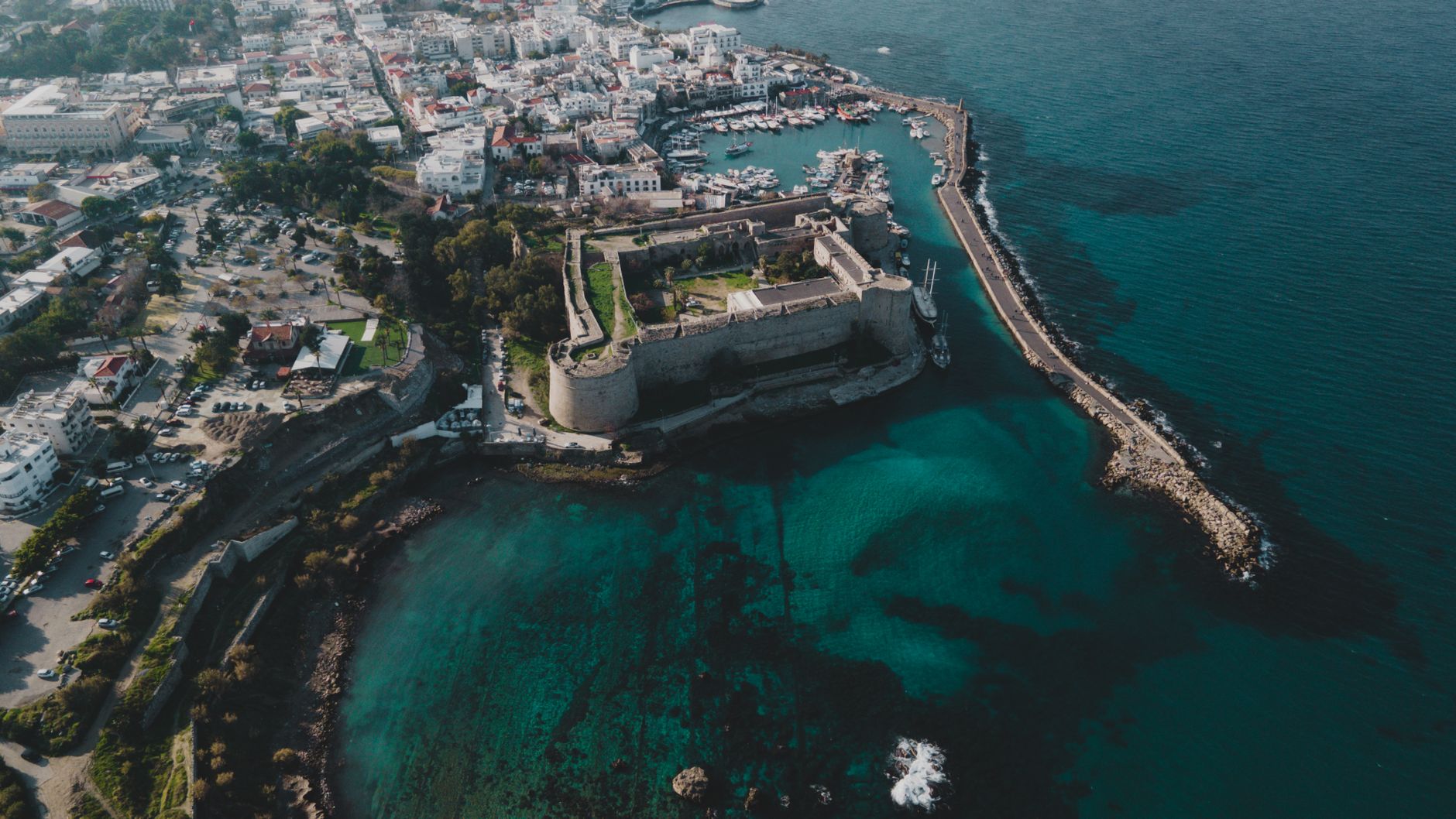
Kyrenia sits on the northern coast of Cyprus beneath a ridge of mountains that hold three castles — Saint Hilarion, Buffavento, and Kantara — strung along the Kyrenia Range like stone punctuation. The harbour below is horseshoe-shaped and lined with old buildings that have been restaurants and warehouses and, before that, things older still. A Greek merchant ship wrecked here in the fourth century BC, and you can stand over its preserved hull inside the castle walls today.

This is a place where the layers are unusually close to the surface. Neolithic settlers, Achaean founders, Romans, Byzantines, Crusaders, Venetians, Ottomans — each left something physical behind, often literally on top of what came before. The result is a region that rewards slow looking more than quick ticking.

Good to know
Kyrenia is in Northern Cyprus, politically separated from the south since 1974 and accessible via the Lokmacı/Ledra crossing from Nicosia, or by ferry from Mersin, Turkey (roughly 2.5 hours). Dolmuş minibuses connect towns along the coast every 20–30 minutes. Spring and autumn are the most comfortable seasons for moving between sites.
The story

How Kyrenia came to be

Egyptian records from the reign of Ramesses III place Kyrenia in written history as far back as the twelfth century BC, though archaeological evidence of settlement reaches back to the Neolithic. Greek tradition credits its founding to Achaean settlers — Cepheus and Praxandrus — arriving after the Trojan War and naming the place after their hometown in Achaea.

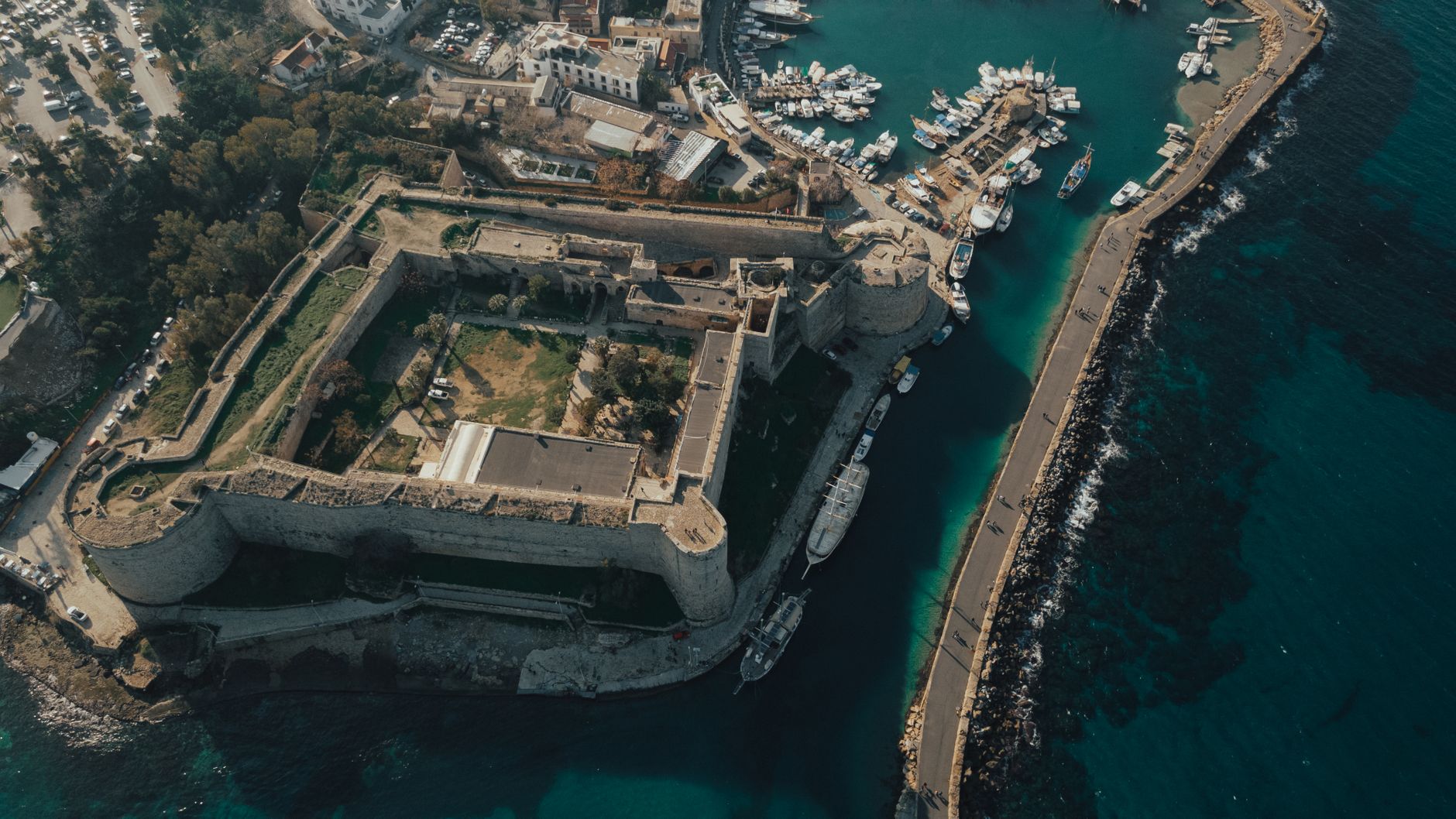
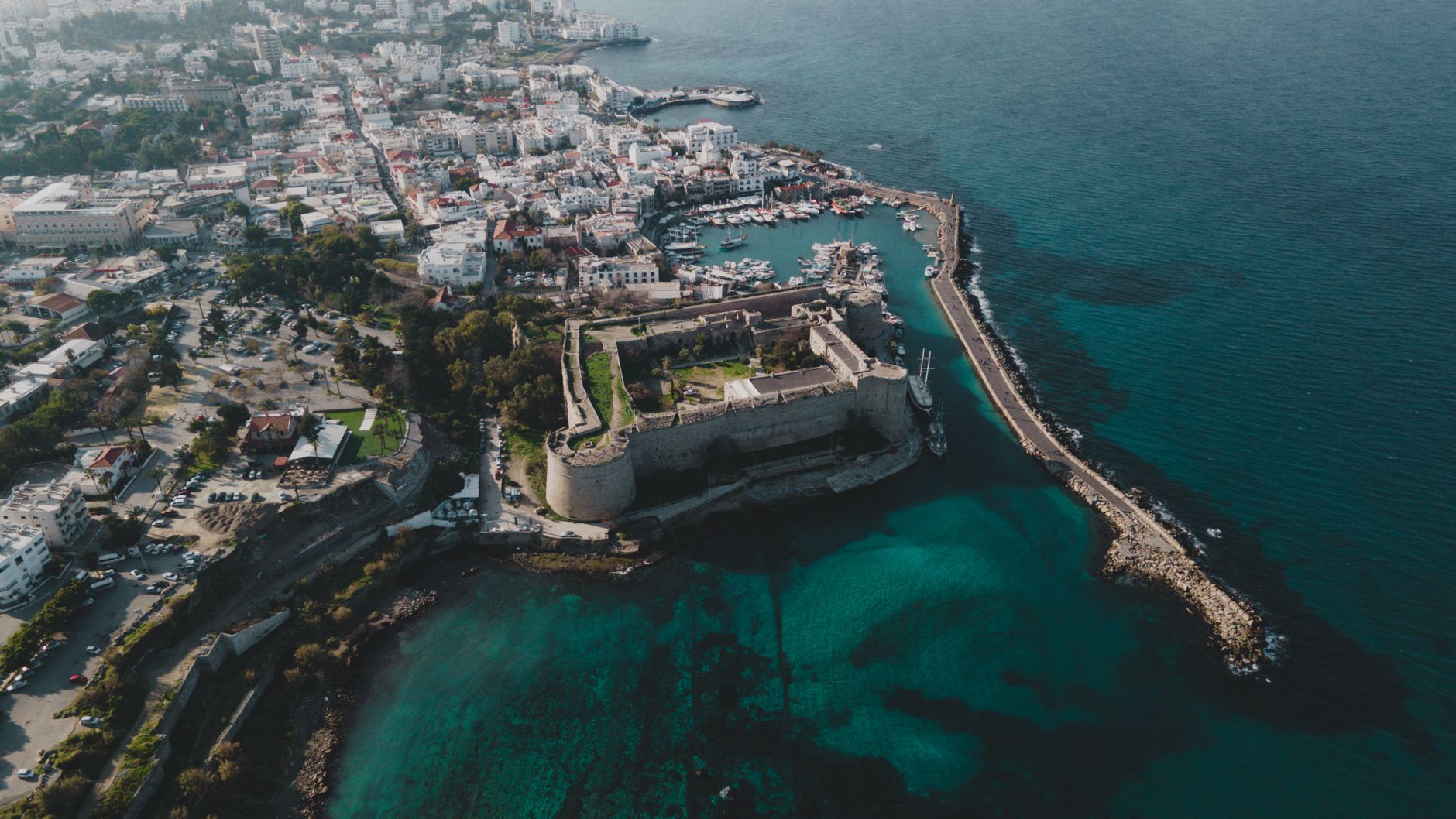
The castle that anchors the harbour today began as a Roman fortification, was built up by the Byzantines, and was substantially reshaped by John d'Ibelin around 1208 under Frankish rule. The Venetians gave it its current form in 1540, enlarging it to absorb cannon fire — a defensive logic that didn't ultimately hold when the Ottomans took the city in 1571. The region has been under Turkish administration since 1974.

People & landmarks

Who and what shaped it

People who shaped it

Cepheus
Achaean founder who arrived at Kyrenia's north coast after the Trojan War, bringing settlers from Achaea.
Andreas Kariolou
Greek-Cypriot diver who discovered the 4th-century BC merchant shipwreck outside Kyrenia harbour in 1965.
John d'Ibelin
Expanded Kyrenia Castle around 1208 under Frankish rule, enhancing its role as strategic stronghold and prison.
Sadik Pasha
Ottoman Admiral whose tomb is located within Kyrenia Castle.

Landmark buildings

Kyrenia Castle
16th-century Venetian fortress built over Crusader foundations; contains 12th-century chapel and Shipwreck Museum; open to public since 1960.
Kyrenia Shipwreck Museum
Exhibits preserved hull of Greek merchant ship from 4th century BC, laden with millstones and wine amphorae, discovered in 1965.
Saint Hilarion Castle
Originally a monastery founded c. 800, converted to castle perhaps by 1100; dominates Kyrenia and visible for miles along the coast.
Bellapais Abbey
Founded c. 1200 by King Aimery de Lusignan for Augustinian canons; 13th-century Gothic monastery considered one of the finest Gothic buildings in the Near East.
Buffavento Castle
Thought constructed by Byzantines following Arab raids; served as prison during Lusignan rule, called 'Château du Lion'.
Kantara Castle
First mentioned in historical records in 1191 when Richard I captured the island; part of the Kyrenia Range castle chain.
Archangelos Michael Church
19th-century Greek church with distinctive white bell tower; now serves as museum housing 18th–19th-century Orthodox icons from North Cyprus.
Antiphonitis Church
Built in 12th century as part of former monastery; features unique eight-pillared central dome.
Kyrenia Old Harbour
Horseshoe-shaped harbour with traditional wooden boats, yachts, and promenade lined with cafes and restaurants in historic stone buildings.
Chrysokava Quarries & Catacombs
Early Christian martyrs used old quarries east of Kyrenia Castle as catacombs and cut-rock cemeteries; among the island's most important Early Christian remains.
Practical

Plan your visit

On the map

When to go

Summers are hot and dry, with temperatures regularly above 35°C — the castle walls offer little shade. Spring (March–May) and autumn (September–November) bring mild days and clear skies well-suited to moving between the mountain castles and the coast. Winters are short and cool, occasionally wet, but the sites stay open and the crowds thin considerably.

Right now

☀️
29°C
Clear
Fri
37°
28°
Sat
36°
28°
Sun
35°
26°
Mon
34°
26°
Weather data: Open-Meteo

Background & history adapted from Wikipedia (CC BY-SA) · specs from Wikidata (CC0) · weather from Open-Meteo · map data © OpenStreetMap contributors · photos from Wikimedia Commons / Unsplash with per-image credit. No third-party reviews or social posts reproduced.

Top