
Kuching
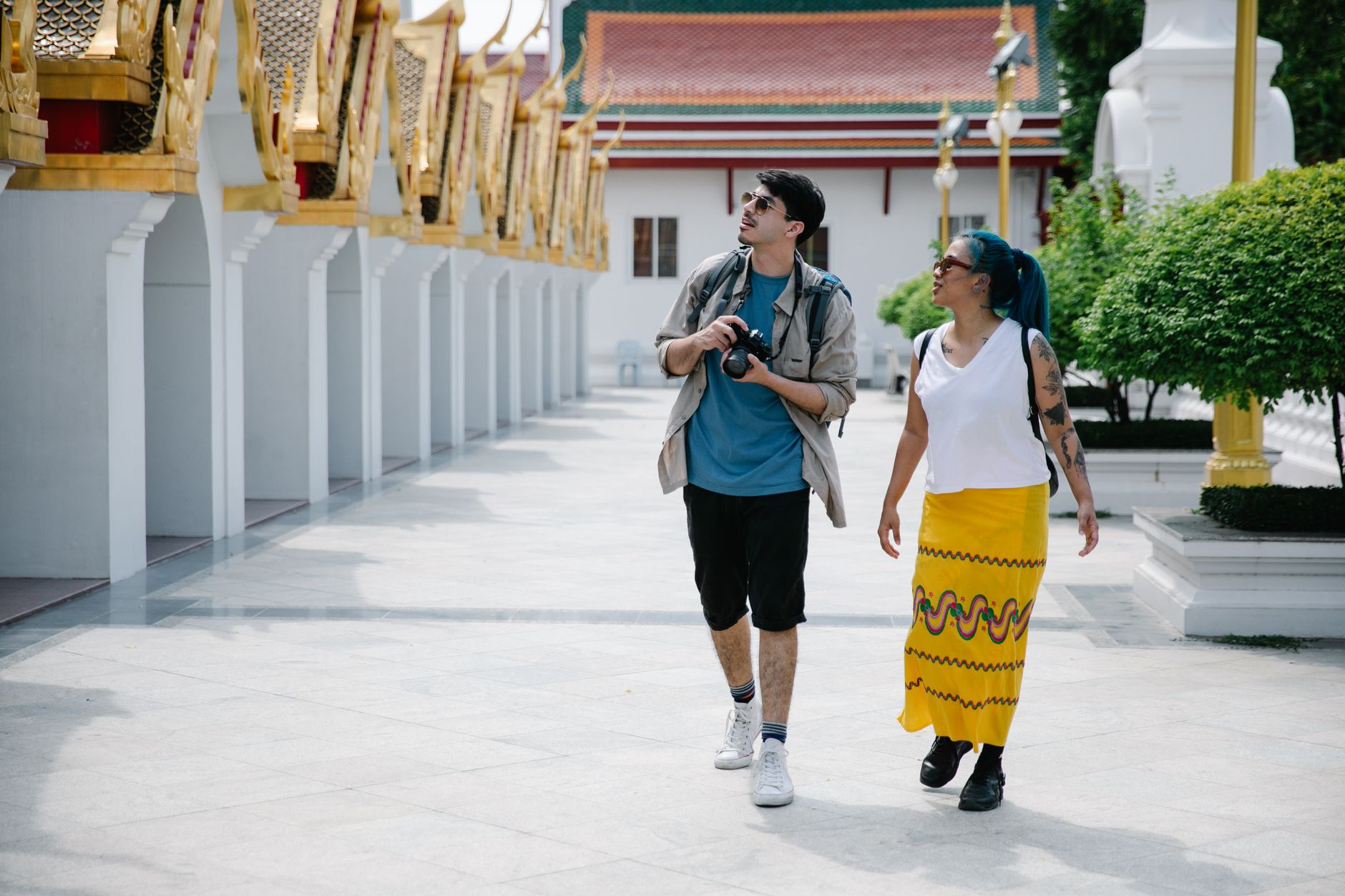
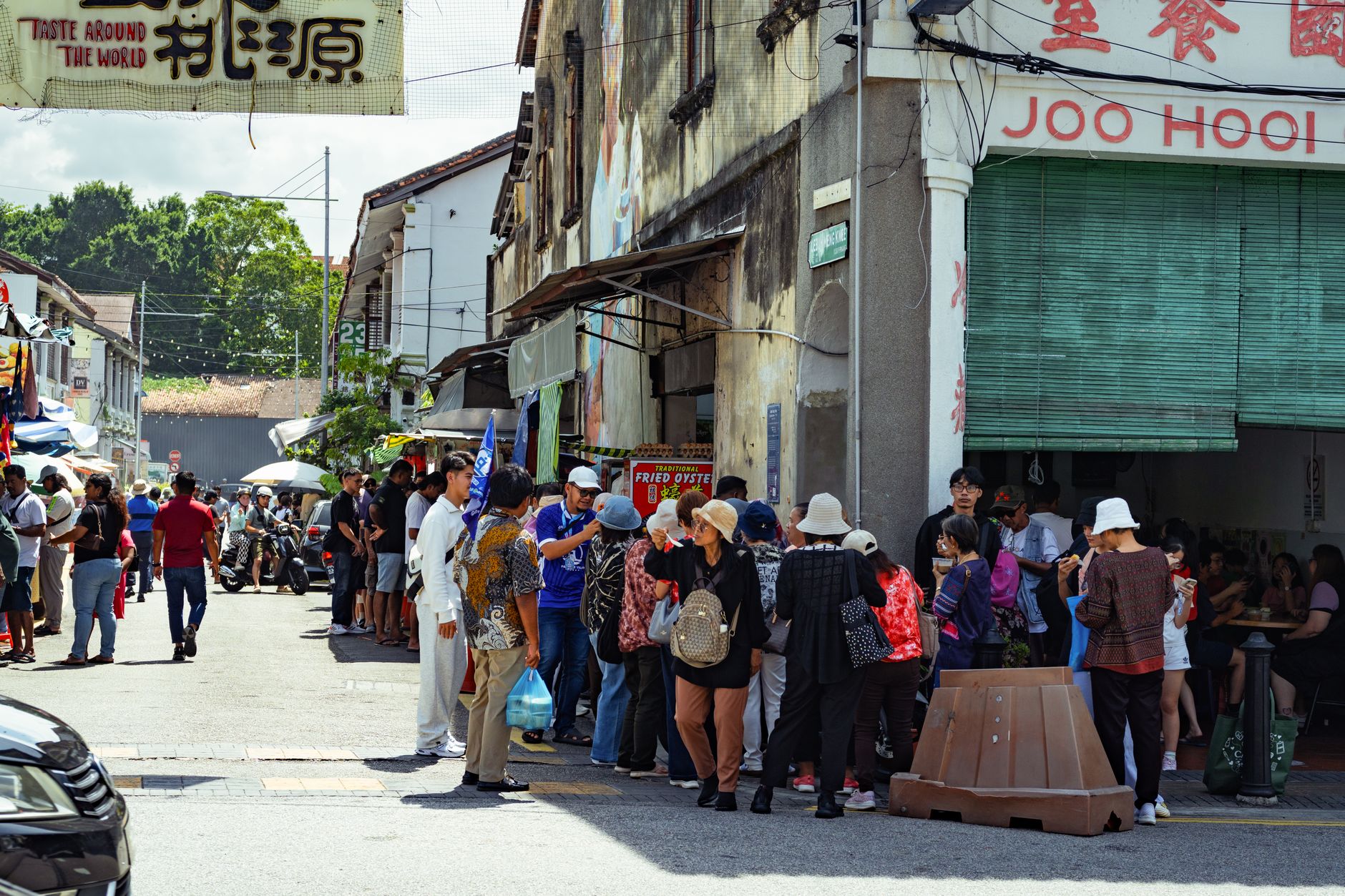
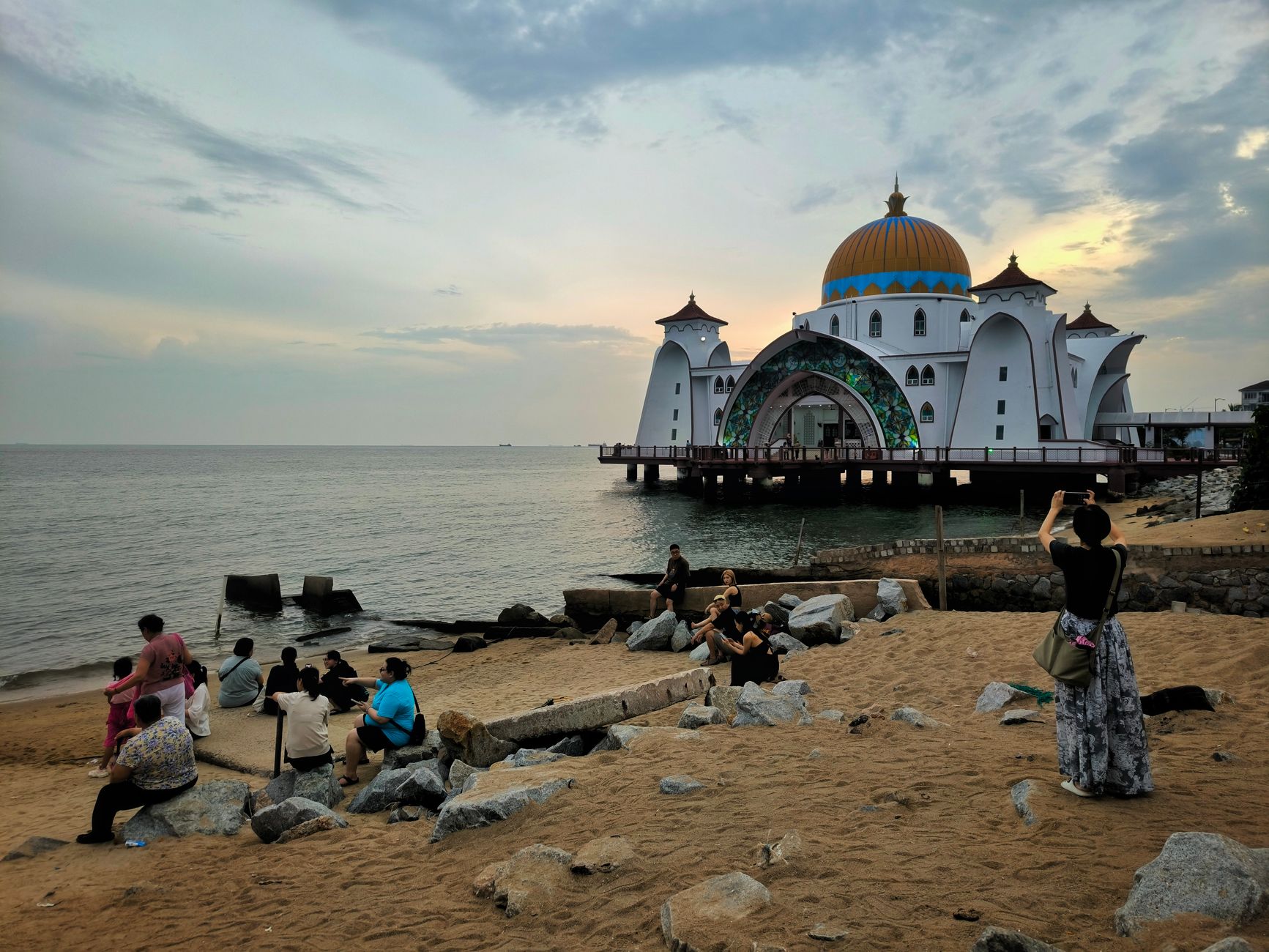
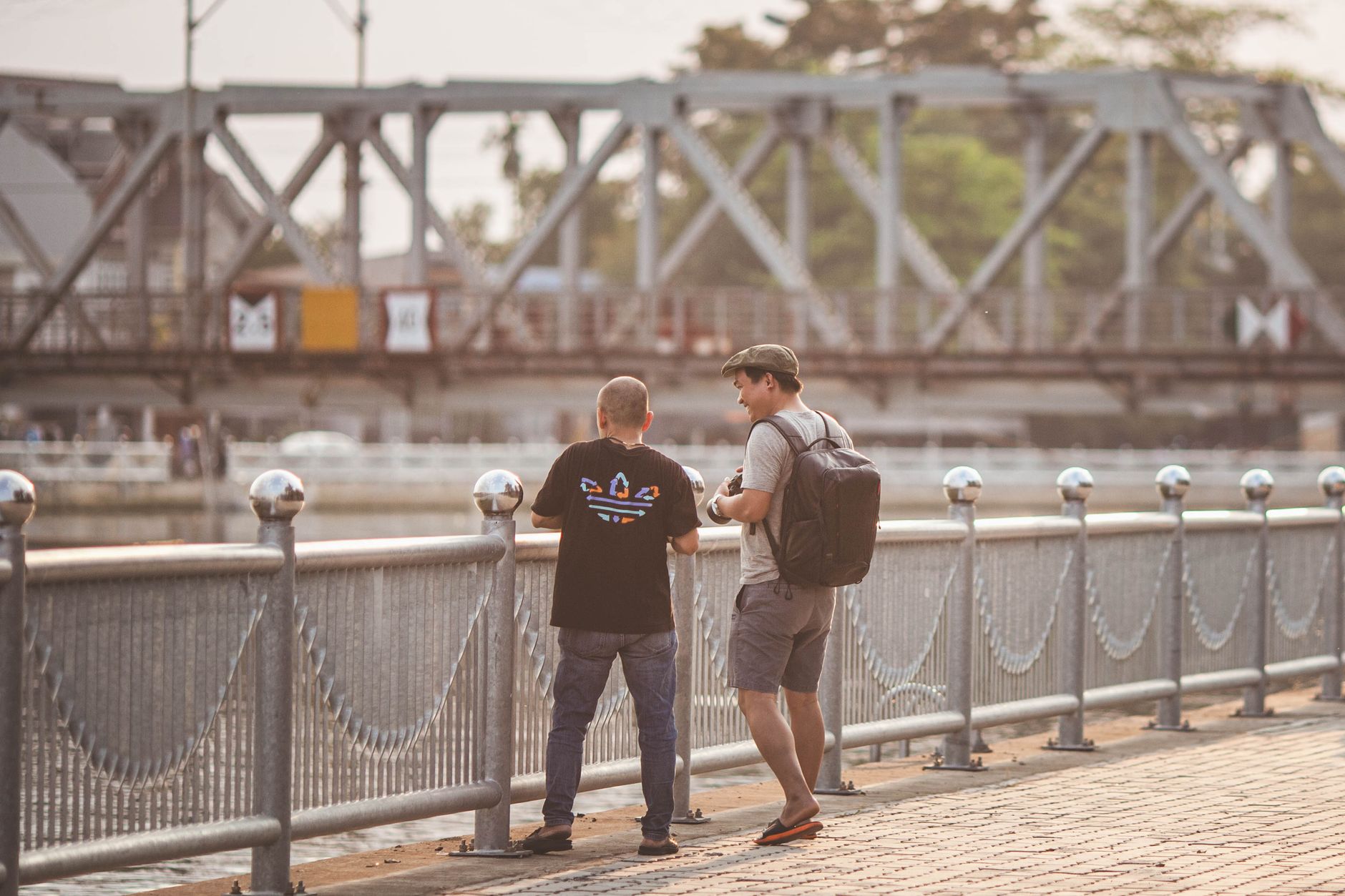
Kuching announces itself with a cat statue on the waterfront — 1.5 metres of painted concrete, erected in 1990, deadpan and oddly charming. The city's name may or may not mean 'cat' in Malay, and locals seem content to let the debate run. What's not in dispute is that Kuching is the capital of Sarawak, a Malaysian state that occupies the northwest shoulder of Borneo, and that it carries its layers — Brooke-era colonial buildings, Chinese shophouses on Main Bazaar, Taoist temples, a riverside promenade — with more ease than most cities of its size.
This is the gateway to a part of the world that rewards slow attention. The Sarawak River divides the city, the Astana sits on the far bank, and the Sarawak Museum has been cataloguing Bornean culture since 1891. UNESCO recognised parts of Kuching as a World Heritage Site in 2015.
How Kuching came to be
The settlement on the Sarawak River predates its most famous arrival: a Bruneian-era outpost existed here by 1827. The story that defines the city, though, begins in 1839, when James Brooke — a British adventurer with a private vessel and considerable nerve — arrived in Sarawak. By 1841, after helping the Brunei Sultanate suppress an inland rebellion, he was ceded the territory and became Rajah. The Brooke dynasty, three generations of 'White Rajahs', shaped the city's architecture and institutions for over a century.
Charles Brooke, the second Rajah, built the Astana in 1870 as a wedding gift to his wife Margaret. His successor, Charles Vyner Brooke, ceded Sarawak to the British Crown on 1 July 1946. Kuching became part of the Federation of Malaysia in 1963 and was formally granted city status on 1 August 1988.
Who and what shaped it
People who shaped it
Landmark buildings
See Kuching in motion
Plan your visit
On the map
When to go
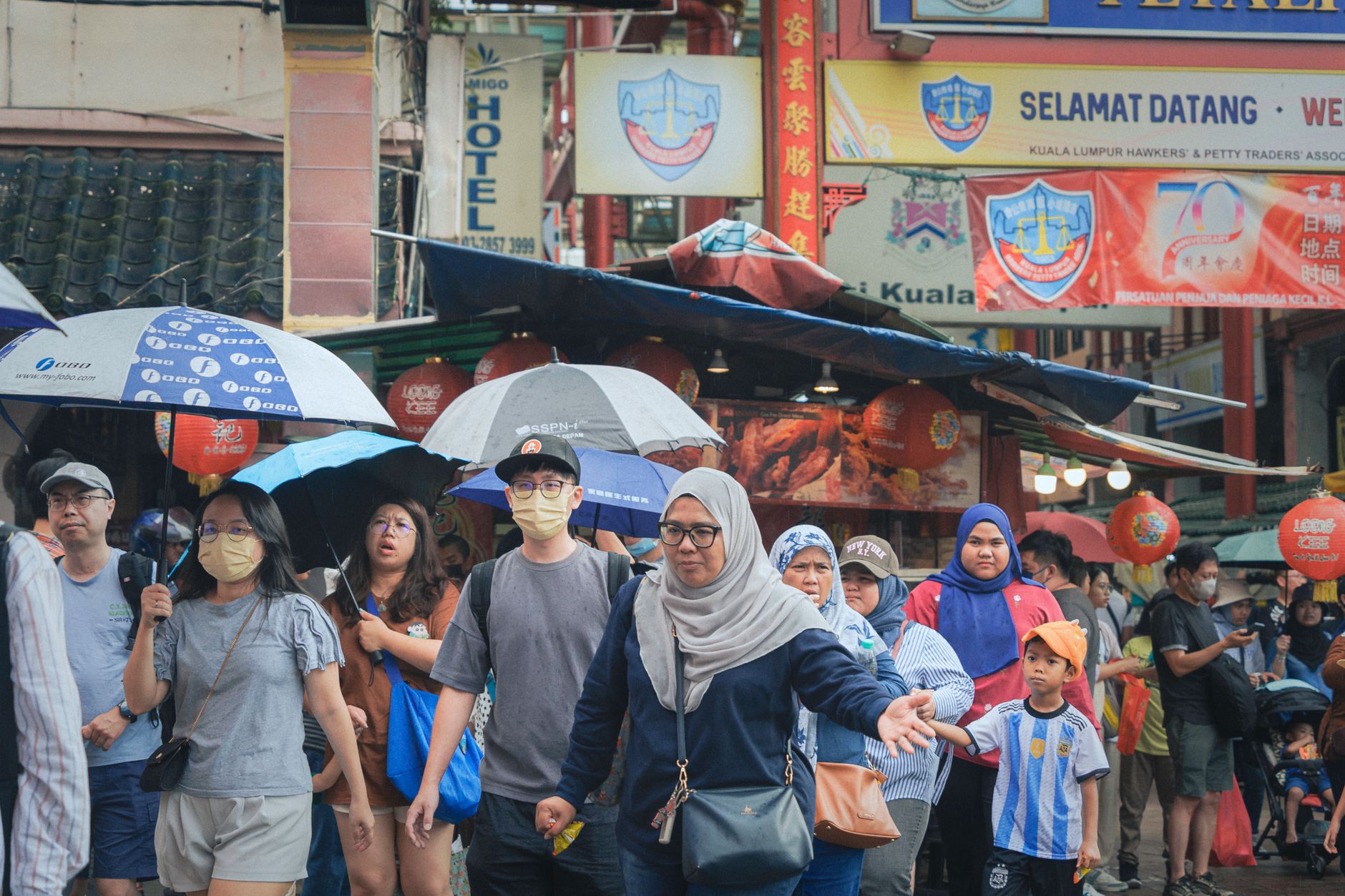
Kuching is equatorial — hot and humid every month, with no true dry season. Rain can arrive at any time of year, often as a heavy afternoon downpour that clears quickly; a light layer and a compact umbrella are worth carrying whenever you go out.
Right now
Background & history adapted from Wikipedia (CC BY-SA) · specs from Wikidata (CC0) · weather from Open-Meteo · map data © OpenStreetMap contributors · photos from Wikimedia Commons / Unsplash with per-image credit. No third-party reviews or social posts reproduced.