
Kuala Lumpur
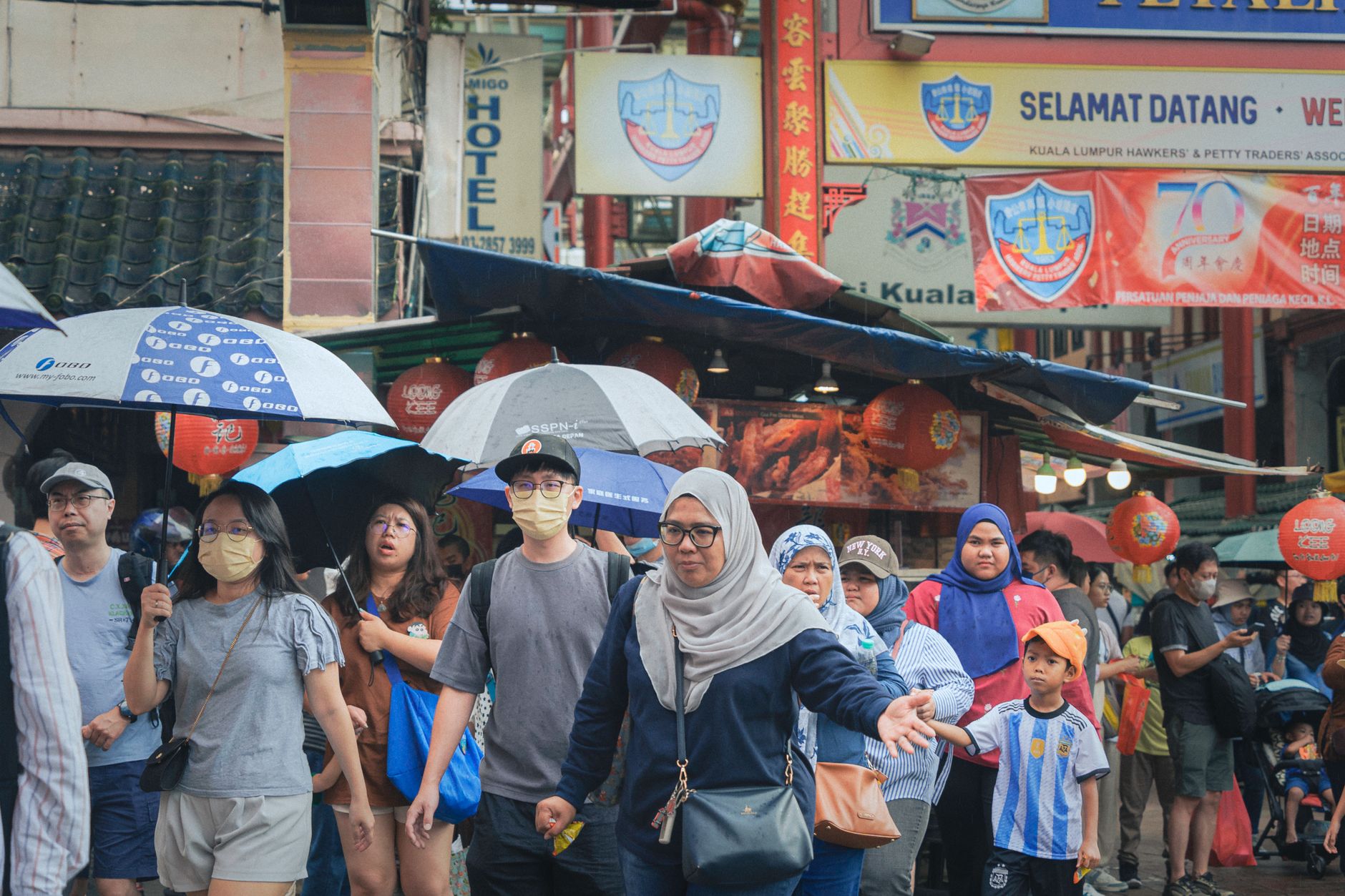
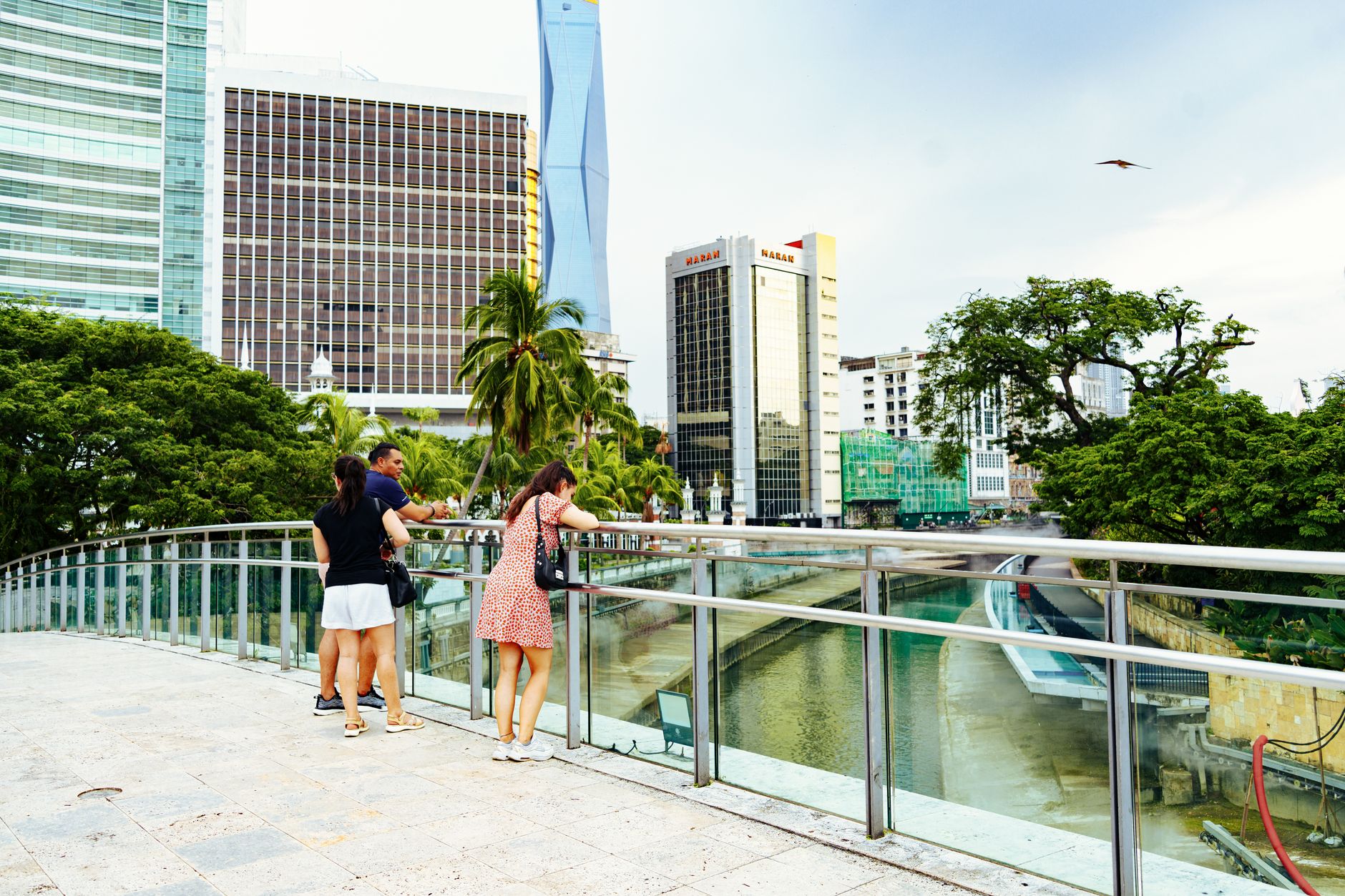
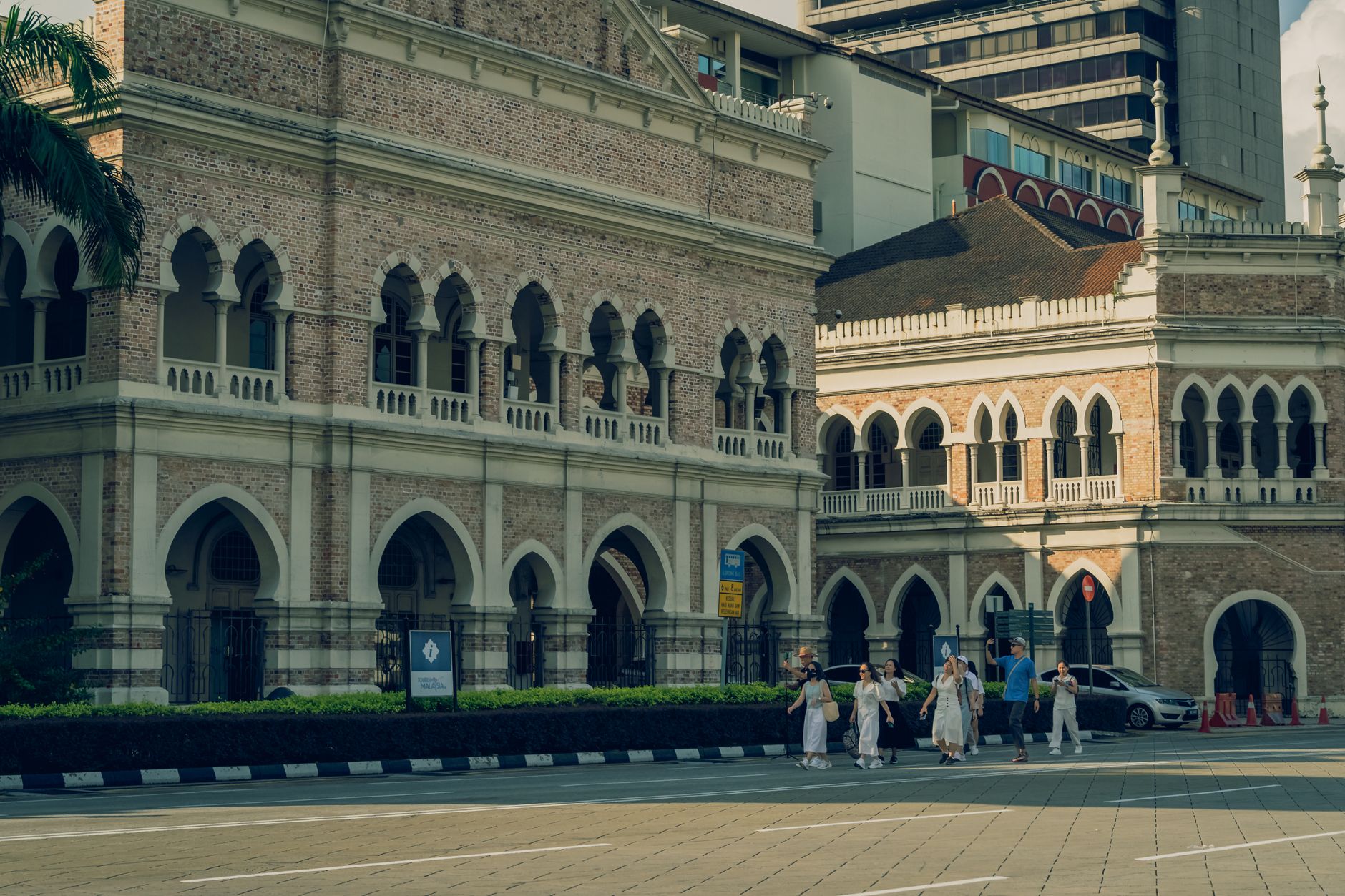
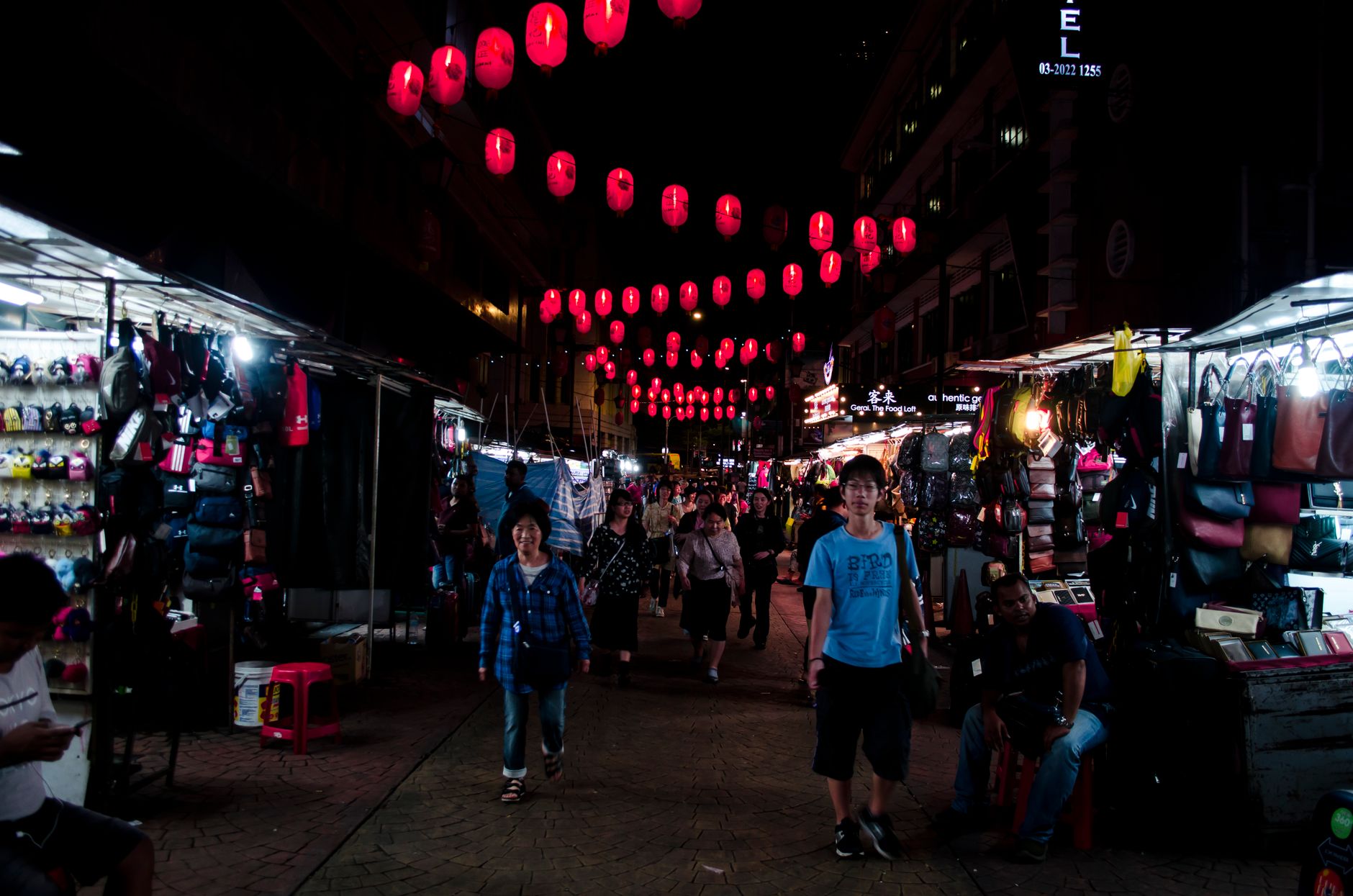
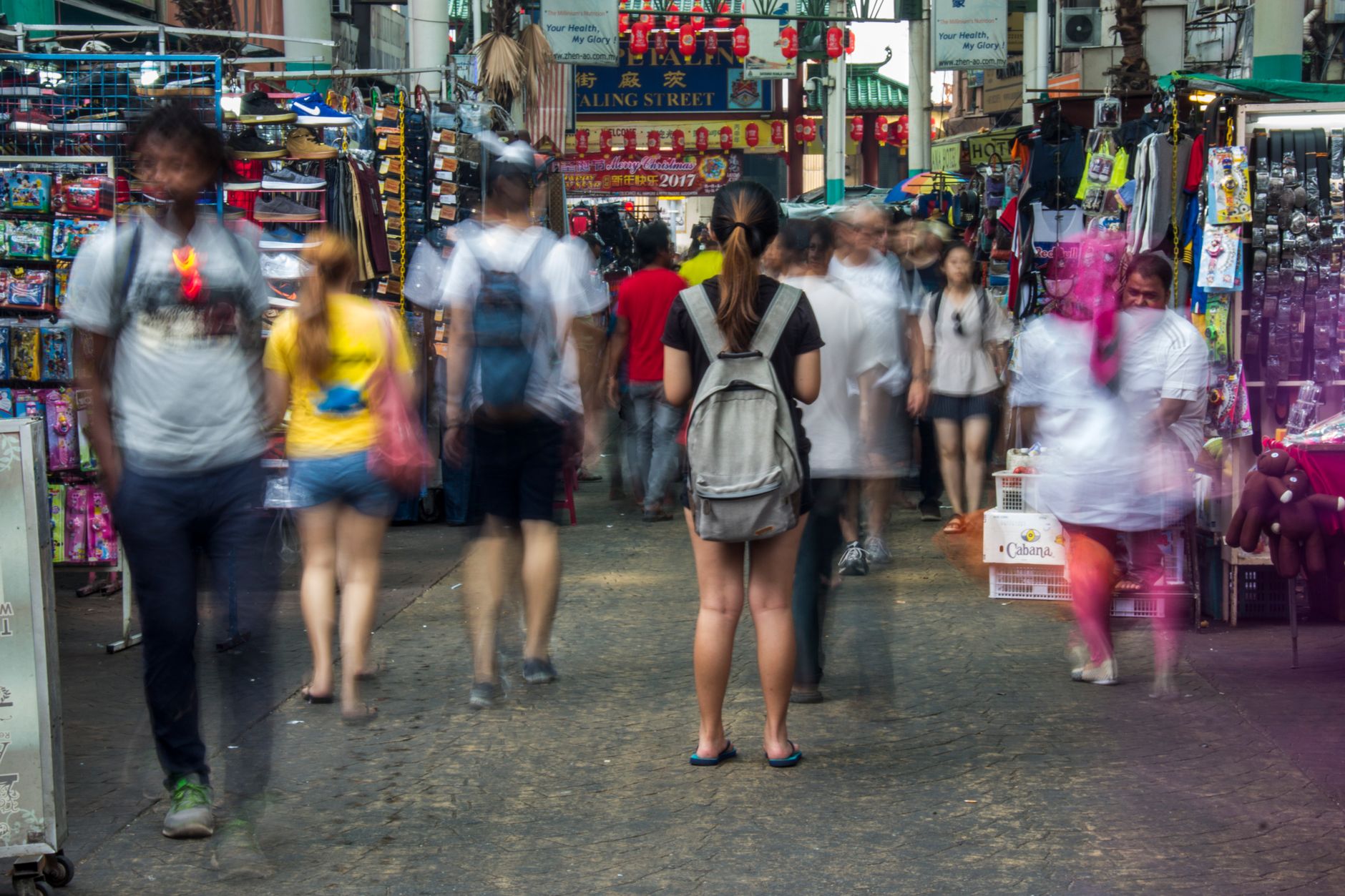
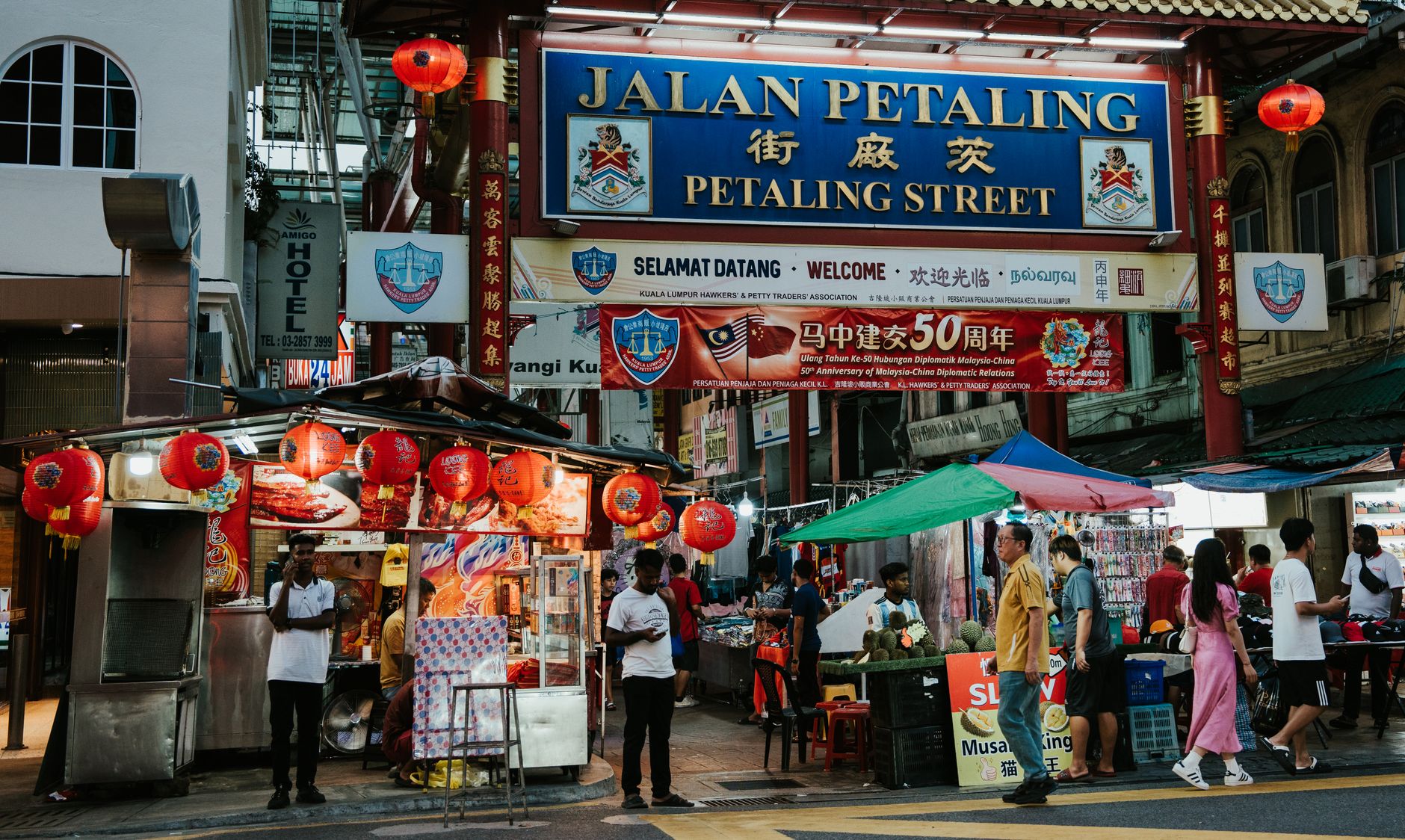
The name says it plainly: Kuala Lumpur means 'muddy confluence', and the city has never quite lost that quality of things converging and mixing. Two rivers still meet near the old colonial core, where a Moorish railway station faces down glass towers and a cricket ground became the place where a nation's flag first went up. What holds it together is not a single identity but the layering — Cantonese kopitiam beside a Tamil temple beside a mall the size of a small town.
KL, as everyone calls it, is the entry point for most of Malaysia, and it earns the stop in its own right. The Petronas Twin Towers alone are worth the neck-crane.
💛 What travellers fall for
People who keep coming back tend to sort out the LRT early — it threads the city's main draws without the gridlock. Masjid Jamek station drops you at the old colonial quarter; KLCC station opens directly into Suria KLCC beneath the towers. Evenings, the Petronas Philharmonic Hall runs a reliable programme worth checking before you fly.
How Kuala Lumpur came to be
In 1857, a group of 87 Chinese tin miners sent inland by the Malay chief Raja Abdullah settled at the confluence of the Gombak and Klang rivers. The settlement that grew around the mines was rough enough to need its own frontier justice, which fell to Yap Ah Loy, the third Kapitan Cina, who also opened the town's first school and a shelter for the homeless. It was Yap who made KL the commercial centre of the region.
British Resident Frank Swettenham arrived in 1882, pushed through a railway to Klang, and mandated brick over timber — a practical decision that gave the city its early Moorish-Victorian skyline. KL became capital of the Federation of Malaya at independence in 1957, the moment marked at Merdeka Square when the Union Flag came down at midnight on 31 August. Federal administration shifted to Putrajaya in 1999, but the city's role as Malaysia's economic and cultural centre has never shifted.
Who and what shaped it
People who shaped it
Landmark buildings
See Kuala Lumpur in motion
Plan your visit
On the map
When to go
KL is hot and humid every month of the year — expect temperatures around 28–33 °C regardless of when you arrive. Rain can come in heavy afternoon downpours at any time, so carrying a light layer for air-conditioned interiors is more useful than packing for seasons.
Right now
Background & history adapted from Wikipedia (CC BY-SA) · specs from Wikidata (CC0) · weather from Open-Meteo · map data © OpenStreetMap contributors · photos from Wikimedia Commons / Unsplash with per-image credit. No third-party reviews or social posts reproduced.