
Krkonoše (Giant Mountains)
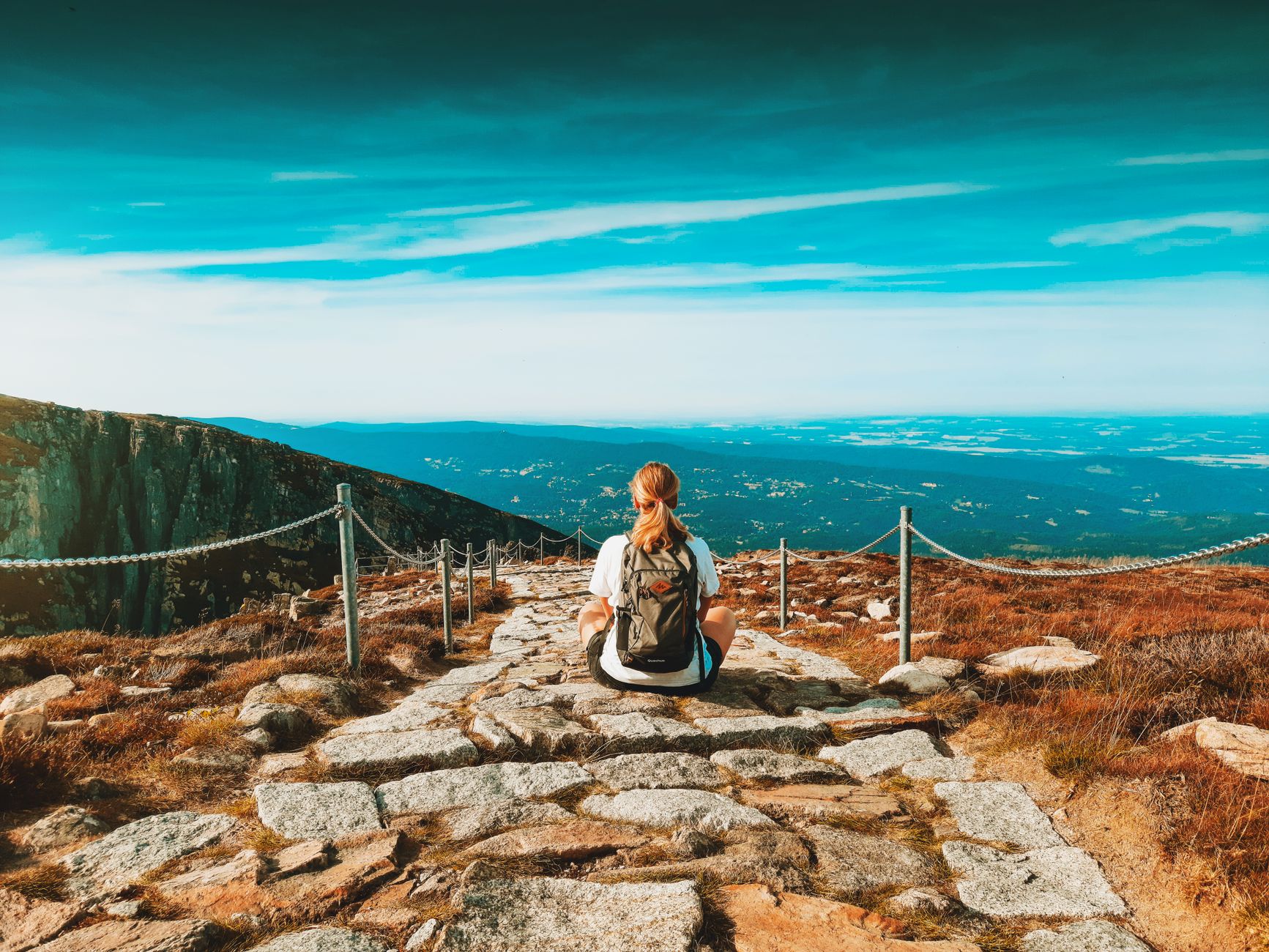
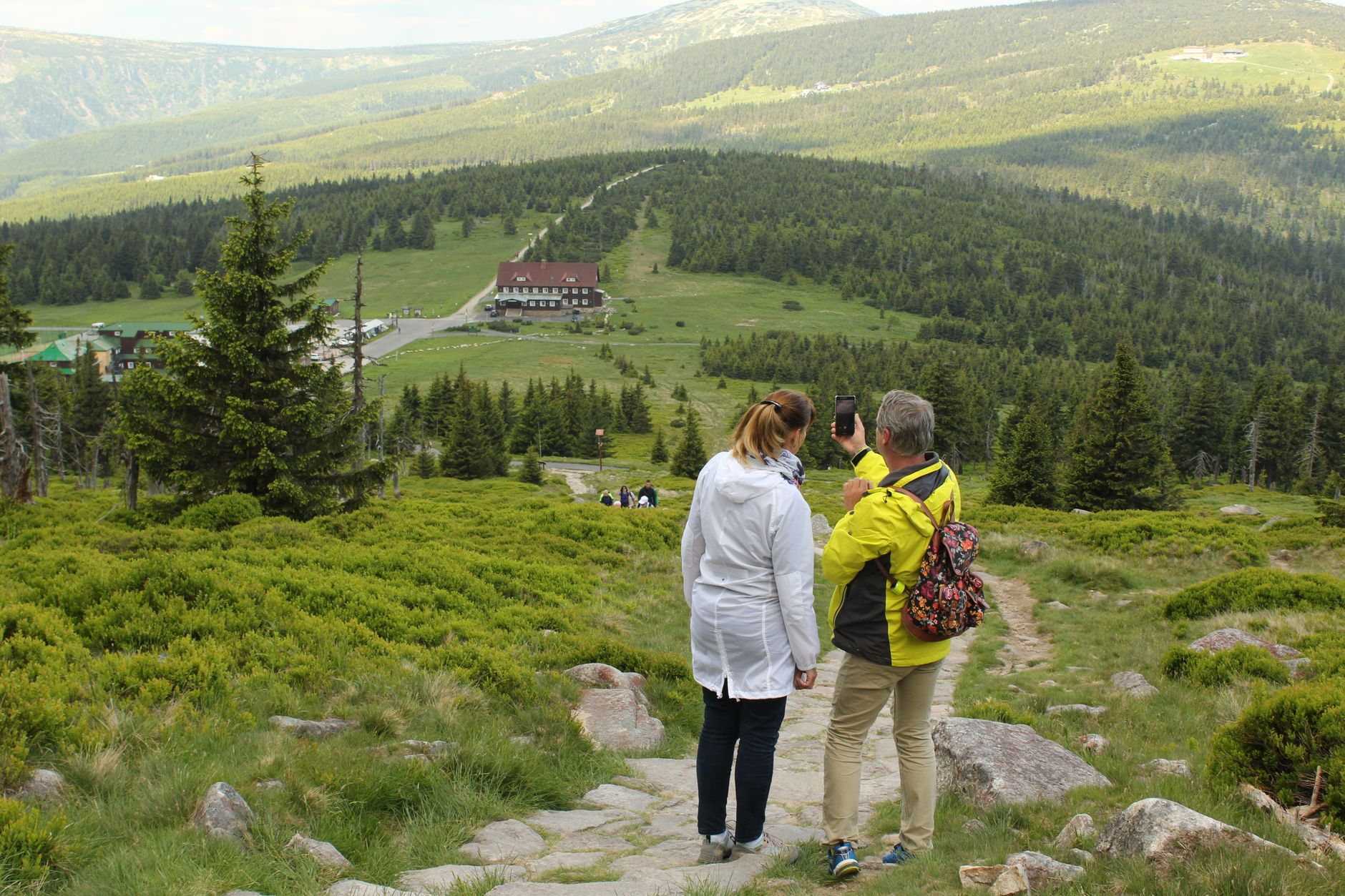
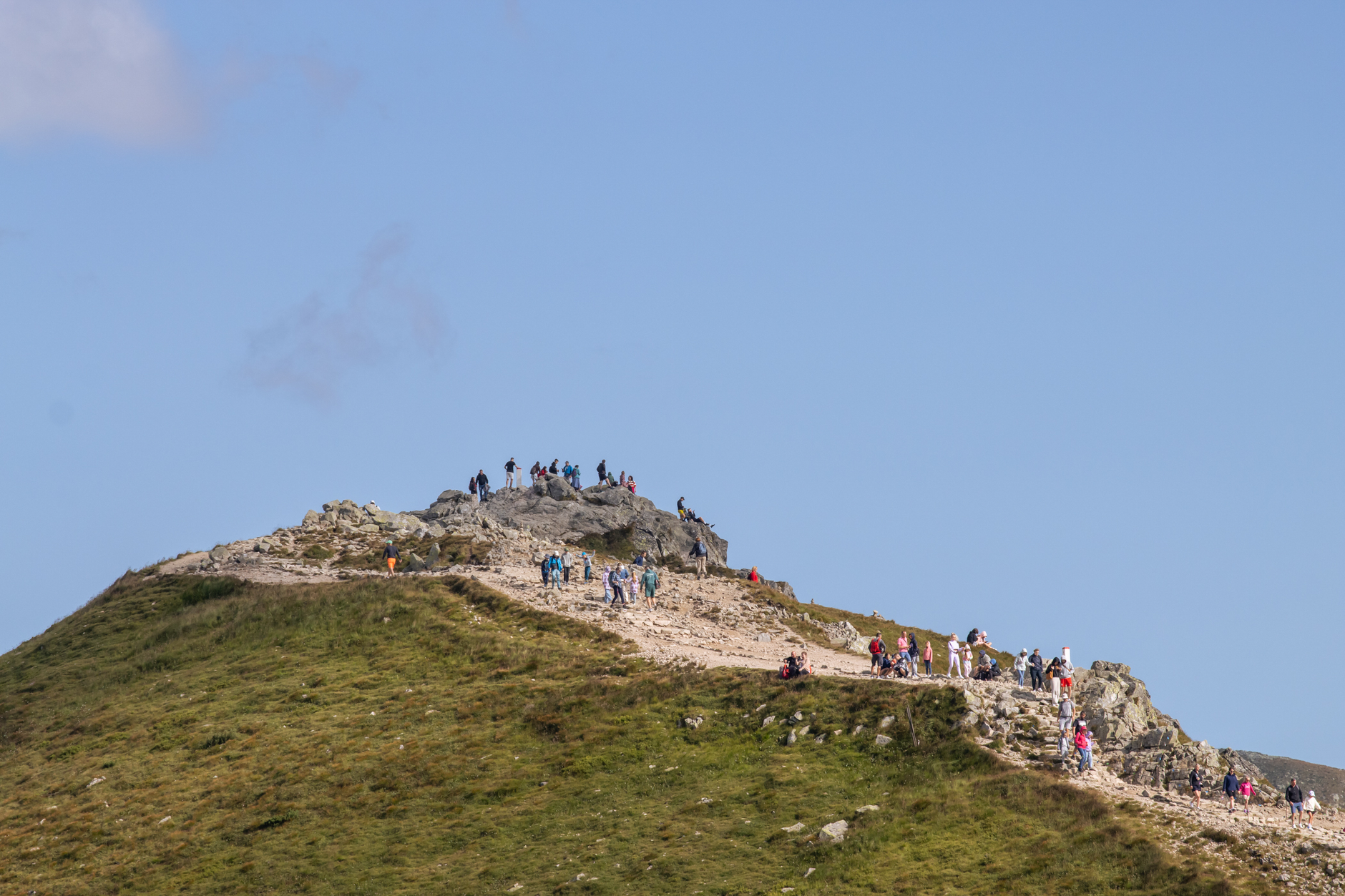
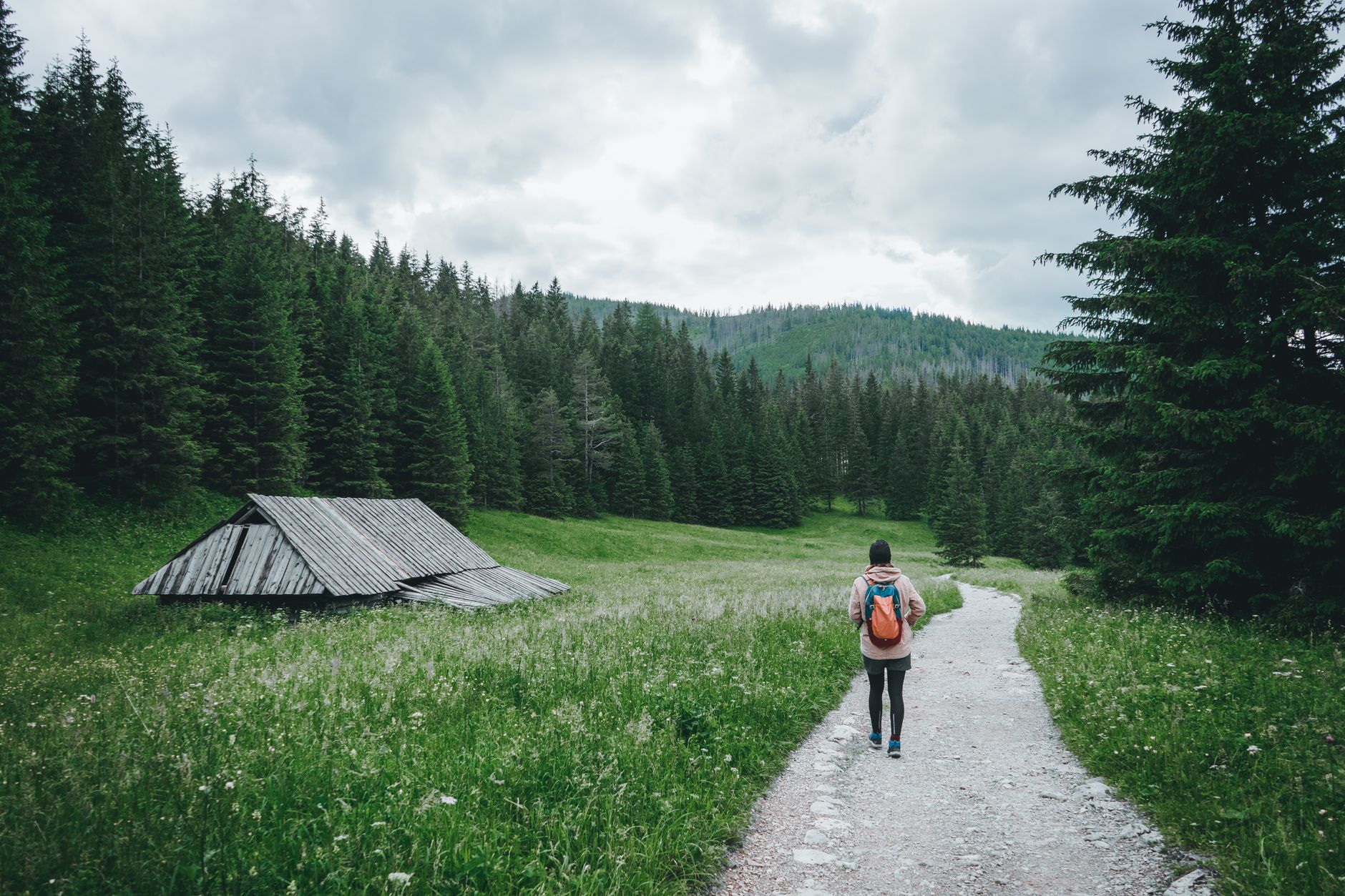
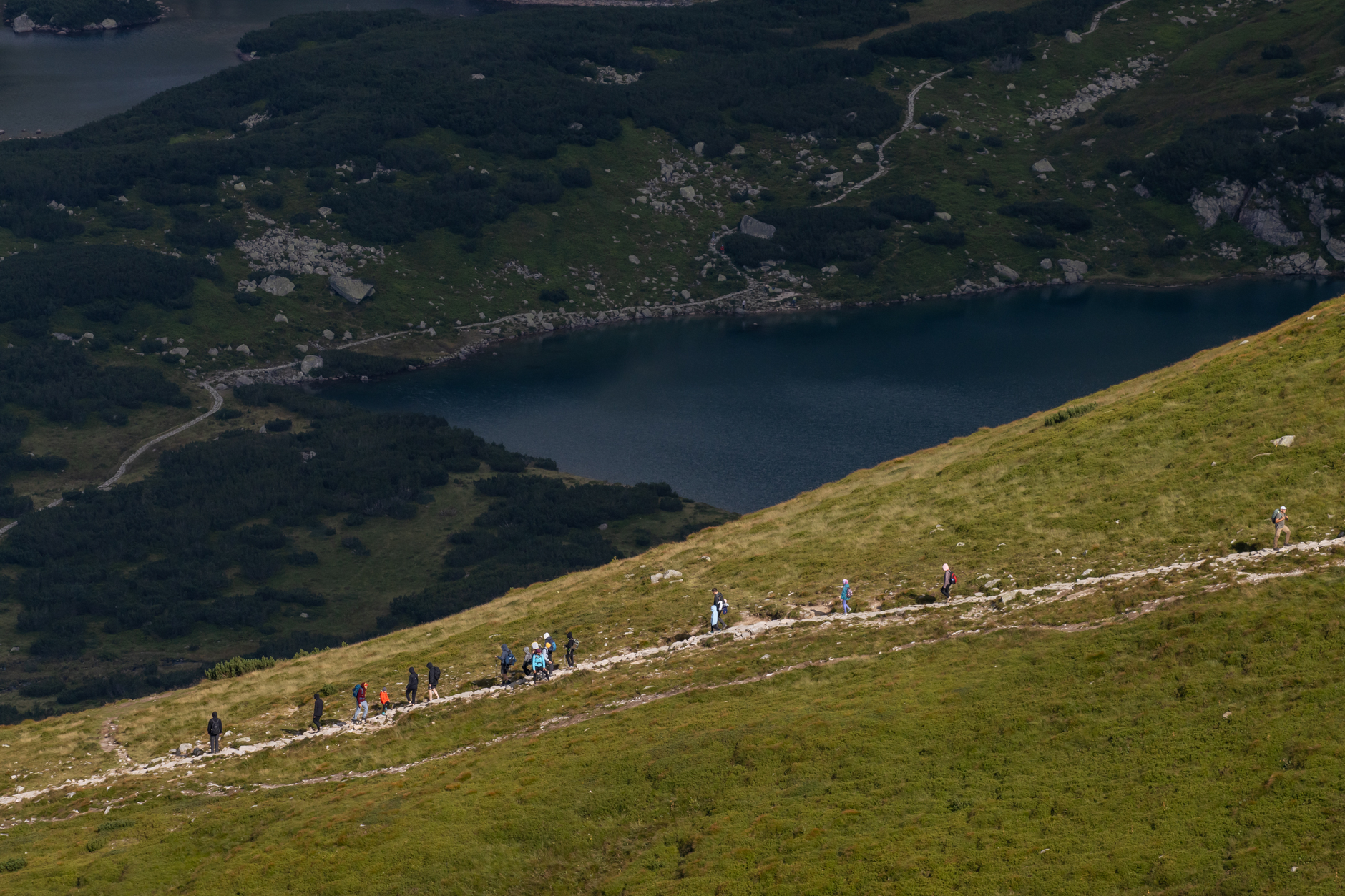
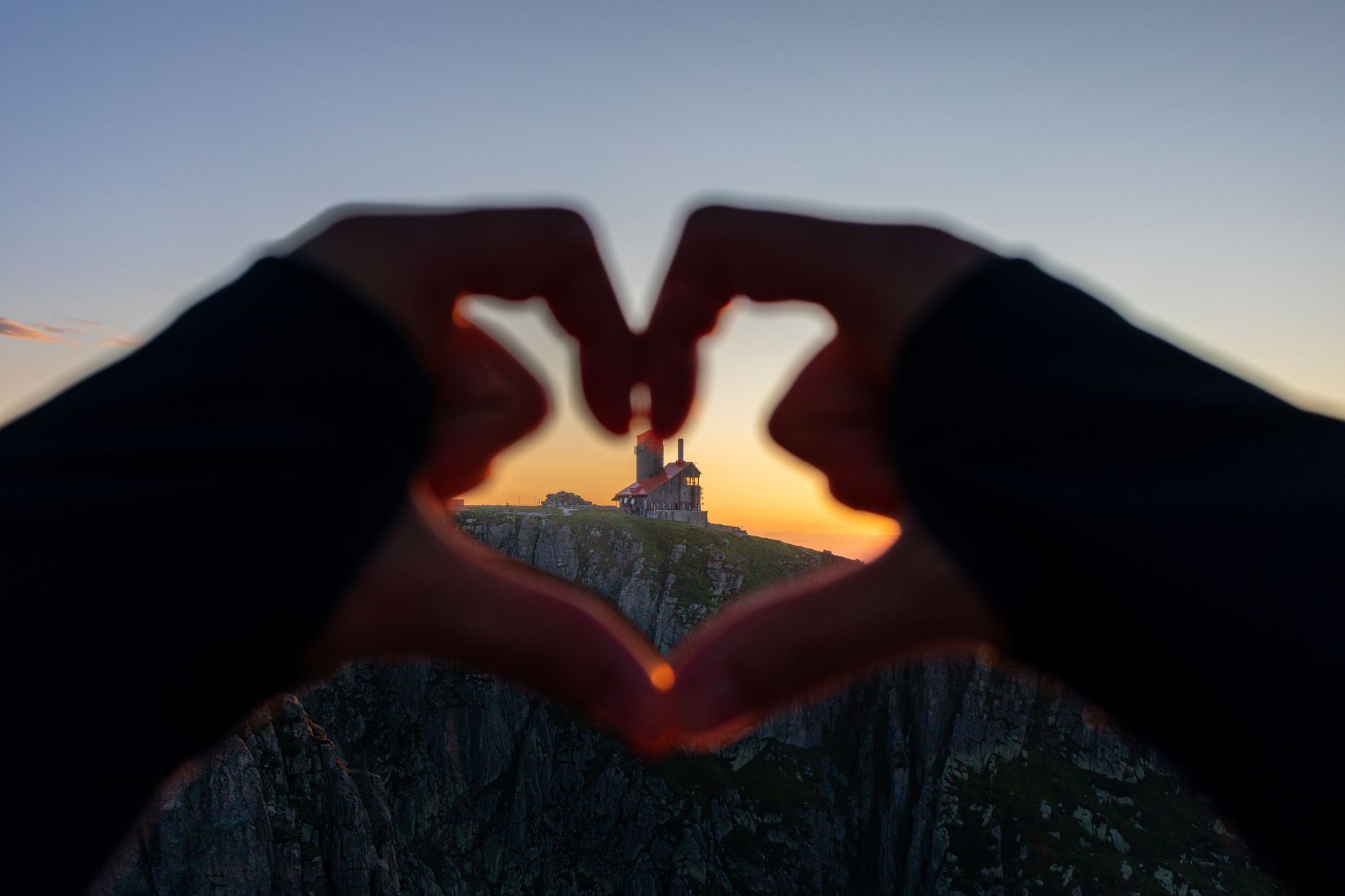
The highest point in the Czech Republic is a rounded, wind-scoured summit called Sněžka — 1,603 metres above sea level, with a post office that has been stamping letters since 1899 and a Chapel of St. Lawrence that predates it by centuries. That combination of the mundane and the ancient is very Krkonoše. The Giant Mountains run along the northern border with Poland, their ridge trails connecting spa towns, lumberjack-era villages and the source of the Elbe, which begins here as a trickle before crossing half a continent.
The Czech side charges no entrance fee, and the network of marked hiking paths stretches some 3,000 kilometres — most of it laid out in the 1890s by hiking clubs before the mountains were declared a national park in 1963. Stay on the paths on the ridge: the regulations are real, and the peat bogs they protect are older than any building you'll see here.
💛 What travellers fall for
People who keep coming back tend to time a visit around the Pančavský waterfall in late spring, when snowmelt pushes it to its full 148-metre drop. They also learn quickly that Labská bouda — the nine-storey ferro-concrete refuge near the Elbe source — is the best place to wait out an afternoon storm on the ridge before finishing the traverse.
How Krkonoše (Giant Mountains) came to be
German miners from Meissen were working the Obří Důl valley by 1511, and a generation later the Carinthian aristocrat Christoph von Gendorf — royal senior captain to King Ferdinand I — obtained the dominion of Vrchlabí and began founding towns in the higher elevations. In 1566, lumberjacks arrived from Tyrol, Carinthia and Styria, leaving an Alpine imprint on the building style you still see in places like Jilemnice's timbered Curious Lane, rebuilt after an 1788 fire.
The mountains had a mythological resident long before any of this: the spirit Krakonoš appeared on Martin Helwig's 1561 map of Silesia as the sole named inhabitant of the range. The name Krkonoše itself was first written down in 1492 and documented on a map by 1518 — older, in other words, than most of the settlements it describes.
Who and what shaped it
People who shaped it
Landmark buildings
See Krkonoše (Giant Mountains) in motion
Plan your visit
On the map
When to go
The ridge has a distinctly oceanic character — wetter and harsher than the Tatras or Šumava — with January temperatures around -7°C on Sněžka and July averaging just 8°C at the summit. Summer brings reliable afternoon cloud and rain; winter delivers serious snow, which is why the resorts exist, but also why ridge walks require proper gear even in June.
Right now
Background & history adapted from Wikipedia (CC BY-SA) · specs from Wikidata (CC0) · weather from Open-Meteo · map data © OpenStreetMap contributors · photos from Wikimedia Commons / Unsplash with per-image credit. No third-party reviews or social posts reproduced.