
Koutu
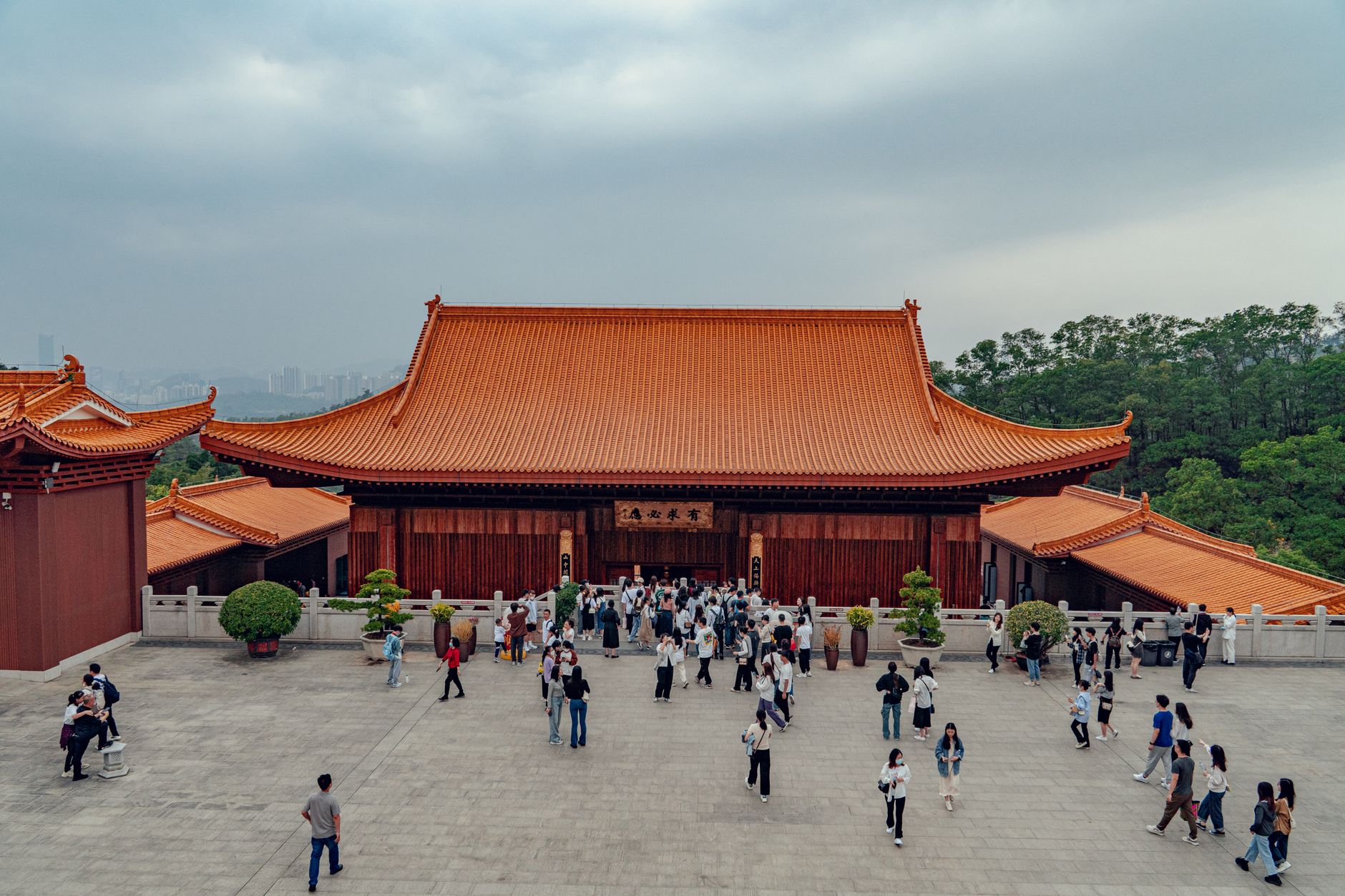
Koutu sits along the southwest shore of Lake Rotorua, a low-key residential suburb where the water is close enough that you can smell it on a still morning. The demographics here tell a story the rest of Rotorua sometimes softens: nearly three-quarters of residents identify as Māori, and the suburb's roots run through Ngāti Whakaue and Ngāti Uenukukopako long before the township of Rotorua existed.
Karenga Marae and its Tumahaurangi meeting house anchor the community, while Te Kura Kaupapa Māori o Te Koutu — a full-immersion Māori school from Year 1 to Year 13 — signals that this is a place actively tending to its language and culture rather than merely preserving them behind glass.
💛 What travellers fall for
People who come back to Koutu tend to mention the same thing: the lake is right there, and without the foot traffic of the central foreshore, you actually get to be near it. Karenga Park is the spot for an unhurried afternoon. Koutu Fish Shop on the road through is the practical dinner answer.
Deals in Koutu
Book directly at the provider

How Koutu came to be
Koutu predates the formal establishment of Rotorua as a township. Ngāti Whakaue and Ngāti Uenukukopako were here first, and Karenga Marae remains a living expression of that continuity. The suburb's connection to the wider colonial infrastructure arrived in 1894, when the Rotorua Branch railway line opened and Koutu got a stop.
The rail story wound down slowly. In 1989, the final 2.4 kilometres into central Rotorua closed, leaving a goods yard near Koutu's industrial edge as the terminus. A passenger service called the Geyserland Express ran from December 1991, terminating at a small platform north of Lake Road, but goods trains stopped in 2000 and the Express was cancelled in October 2001. The tracks remain, quietly rusting.
Who and what shaped it
Landmark buildings
See Koutu in motion
Plan your visit
On the map
When to go
Summers (December–February) are mild rather than hot, with daytime highs around 22–23°C and nights that stay comfortable. Winter drops to lows of around 5°C, and rain arrives throughout the year without a single drenching season — pack a layer and a light waterproof regardless of when you visit.
Right now
Background & history adapted from Wikipedia (CC BY-SA) · specs from Wikidata (CC0) · weather from Open-Meteo · map data © OpenStreetMap contributors · photos from Wikimedia Commons / Unsplash with per-image credit. No third-party reviews or social posts reproduced.