
Konya
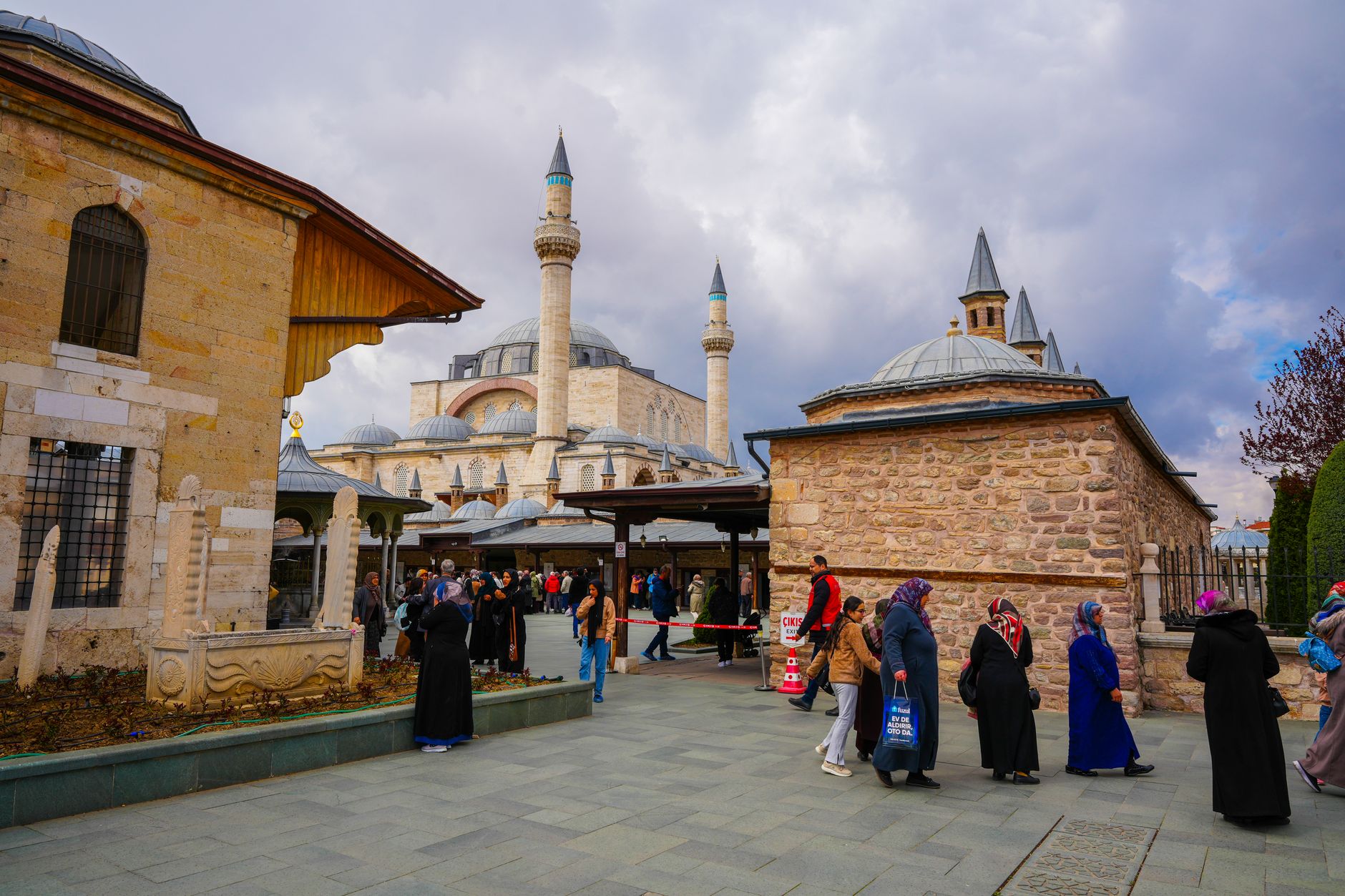
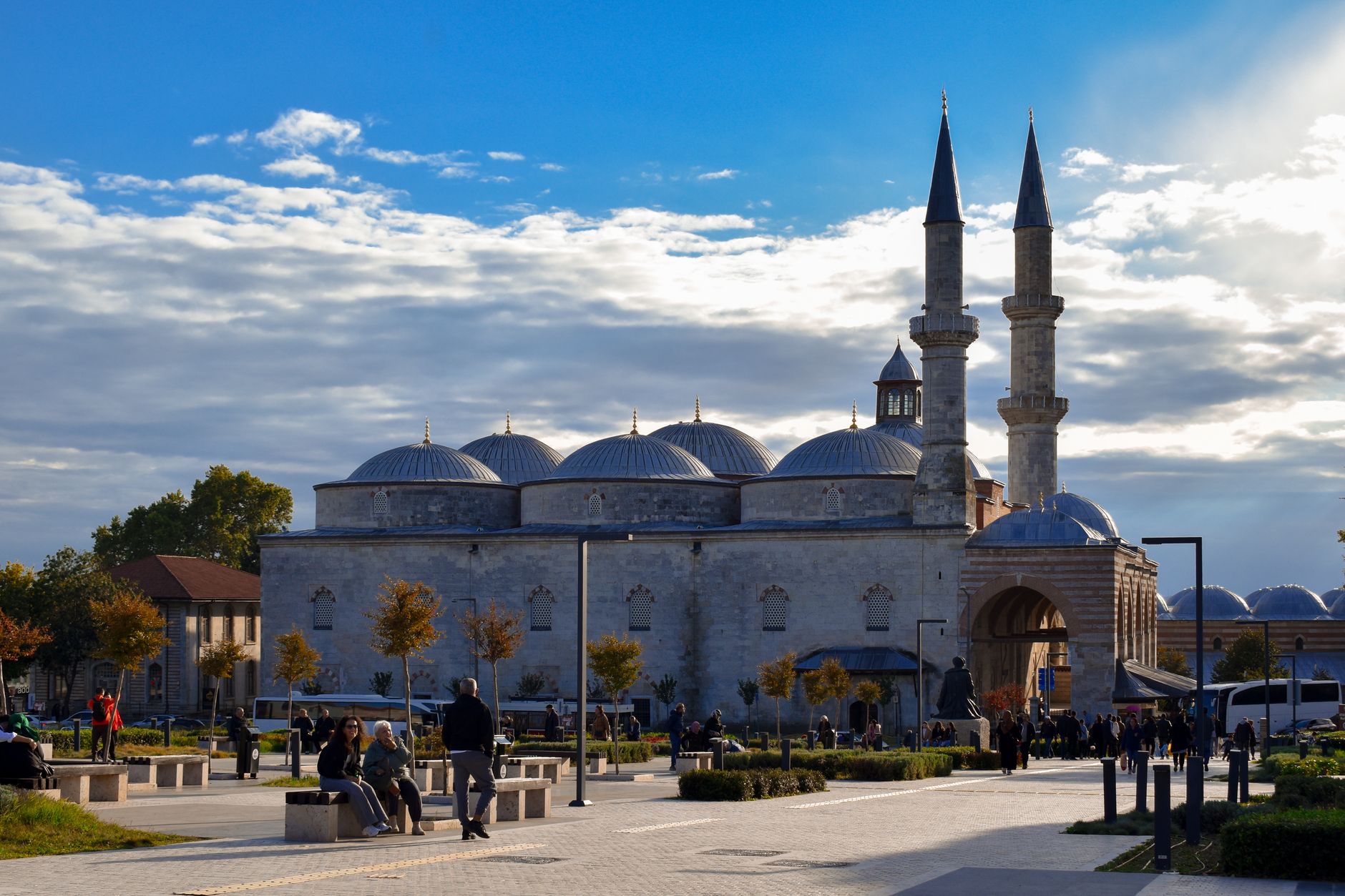
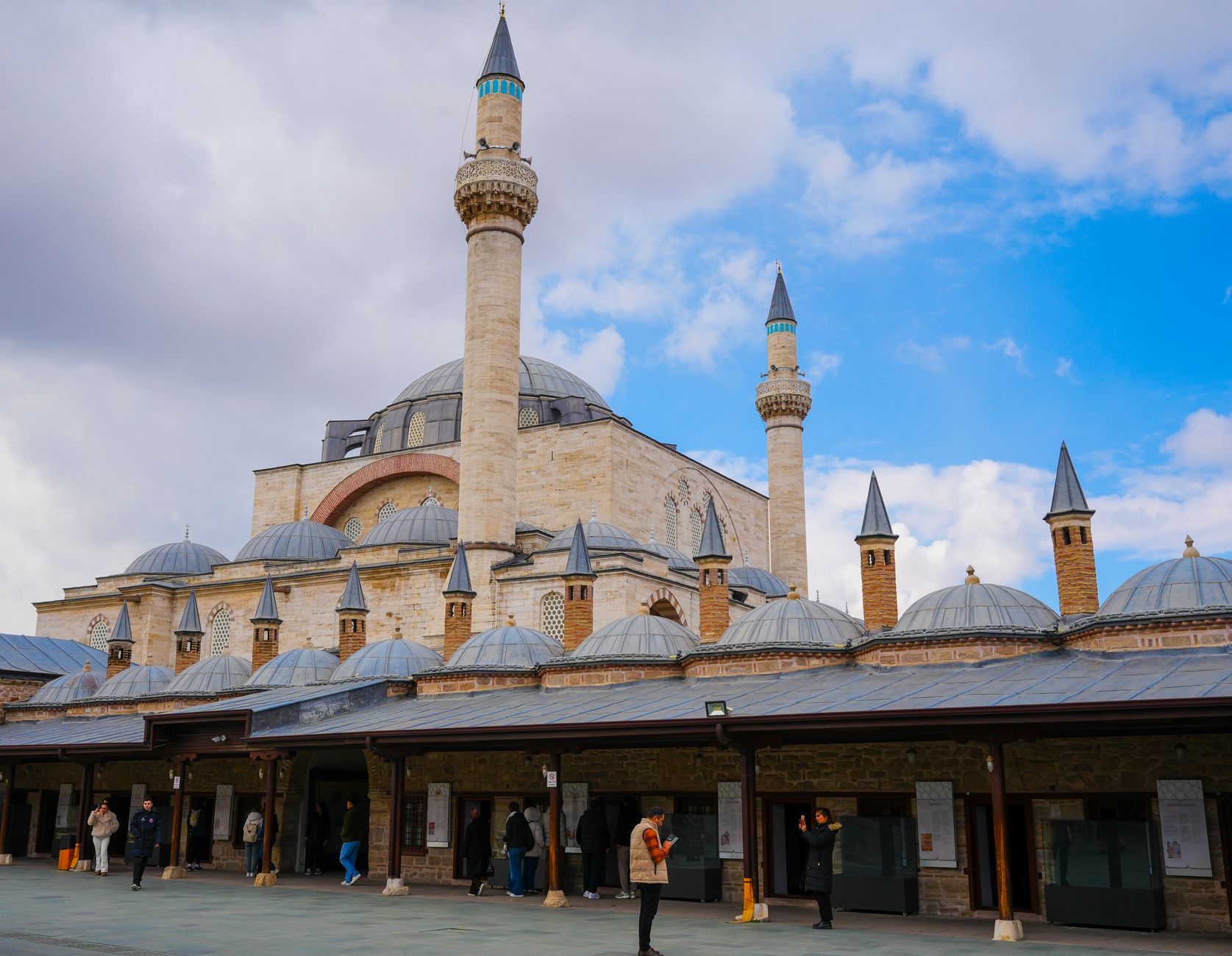
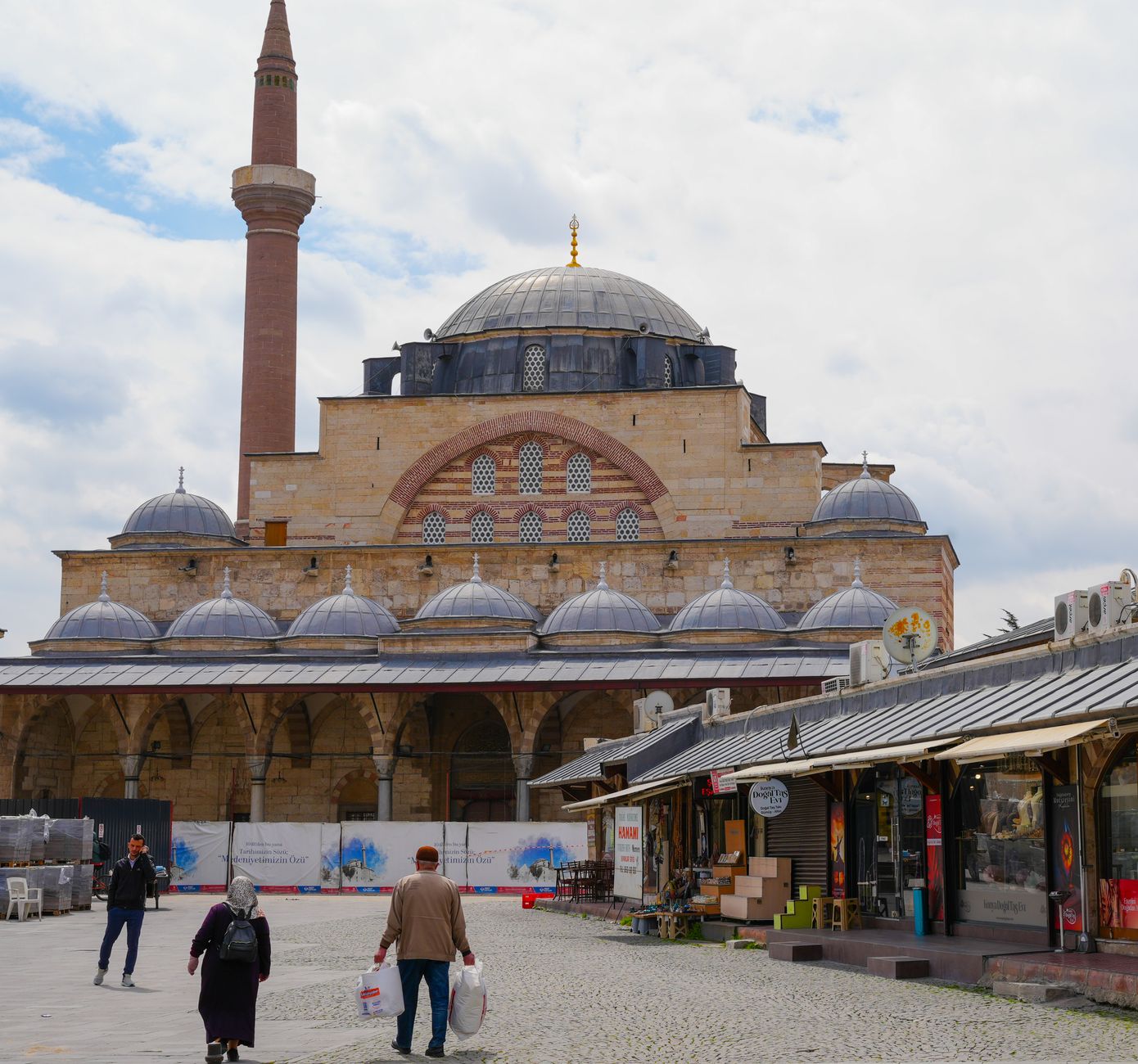
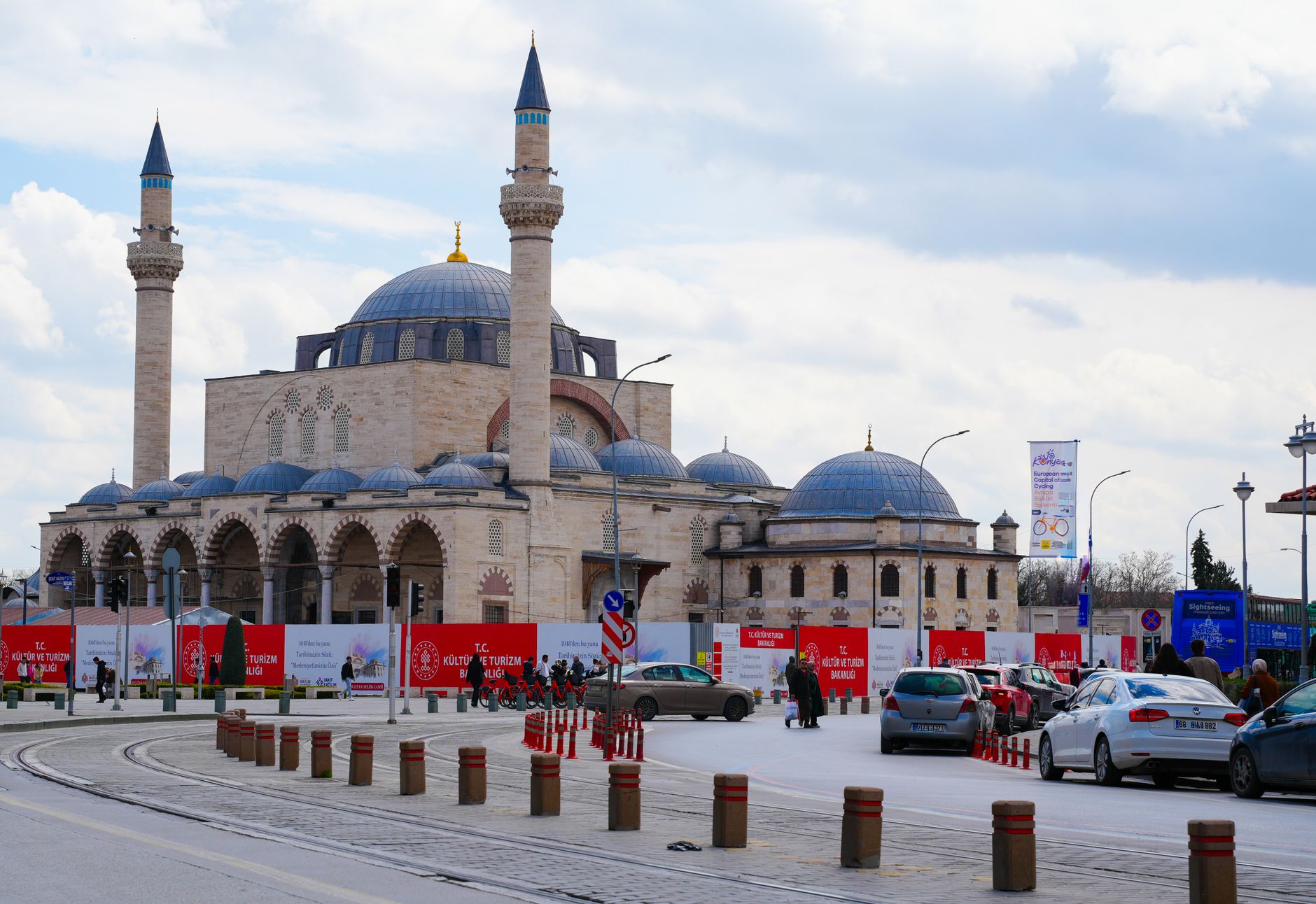
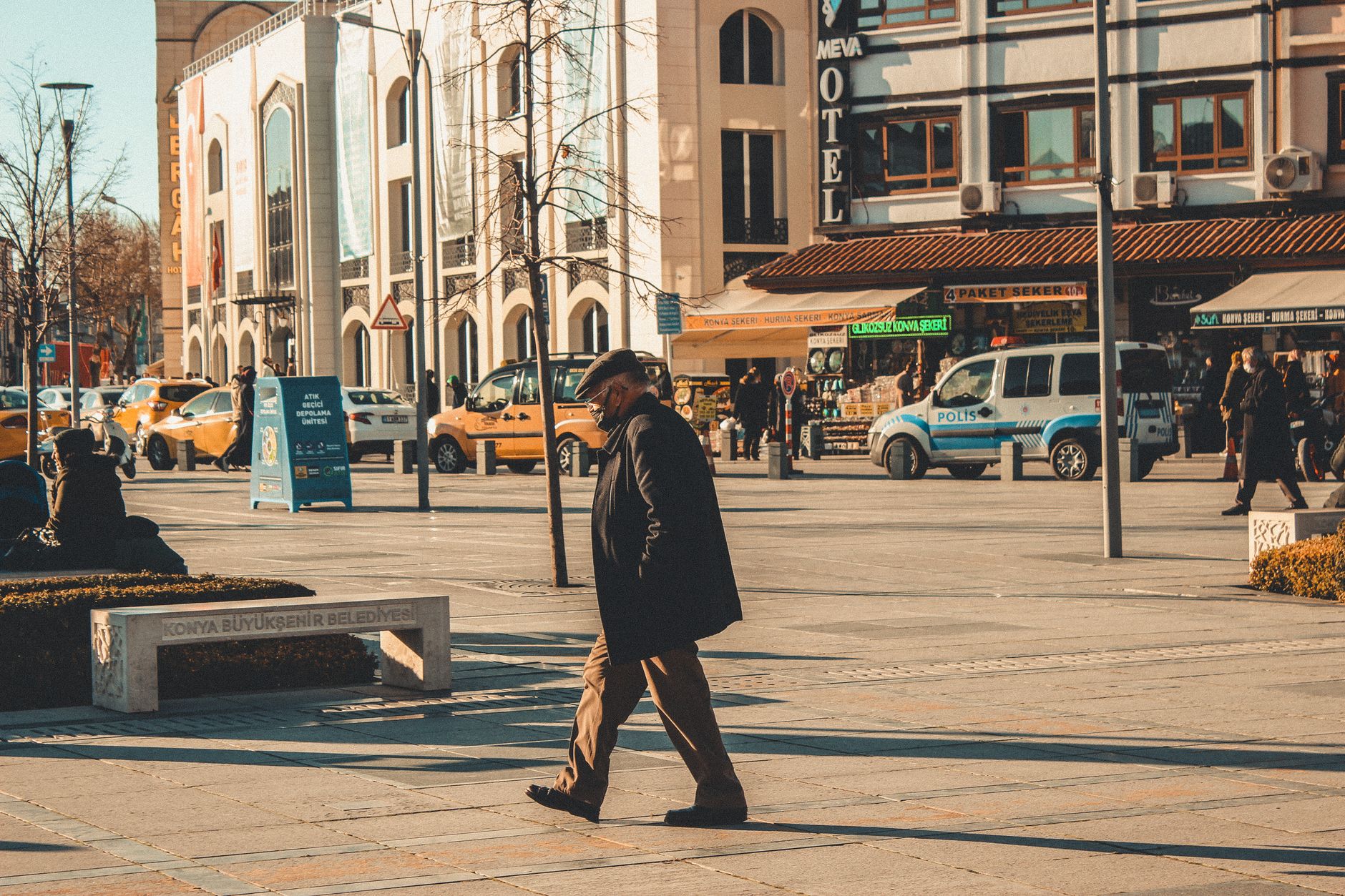
Konya sits on the Anatolian plain at an altitude where the sky feels close and the air, in winter, has a particular sharpness. The city has been continuously inhabited since the third millennium BC — one of the oldest urban centres anywhere — but it is the 13th century that most people come here to find, drawn by the tomb of Rumi, the Persian poet and mystic who died here in 1273 and whose followers founded the Mevlevi order of Whirling Dervishes.
This is not a city that performs for tourists in any obvious way. The Mevlana Museum draws millions of visitors a year, yet the streets around it belong to daily Konya life. The Seljuk mosques and medreses are genuinely old and genuinely used. Çatalhöyük, the Neolithic settlement on the city's outskirts and a UNESCO World Heritage Site, is one of the most significant archaeological sites in the world.
How Konya came to be
The city that Hittite records called Ikkuwaniya was already ancient when Rome folded it into its empire in 17 BC as Iconium. Paul and Silas passed through around AD 50. After Byzantine rule, the Seljuks took the city in 1077 and made it capital of their Sultanate of Rum — a period that produced the Alaaddin Mosque (1221), the Karatay Medrese (1251) and the Ince Minaret Medrese (1279), buildings still standing on the same ground.
Rumi arrived as a refugee from the Mongol advance, settled at the invitation of Sultan Alaeddin Keykubad I, and died here on 17 December 1273. His tekke became a museum in 1917. The Mevlevi order was suspended under Atatürk's secular reforms in 1925; public Whirling Dervish ceremonies were permitted again from 1953.
Who and what shaped it
People who shaped it
Landmark buildings
See Konya in motion
Plan your visit
On the map
When to go
Konya has a semi-arid continental climate: summers are hot and dry, with temperatures regularly above 30°C, while winters are cold and can bring snow. April to June and September to October offer mild days and manageable crowds.
Right now
Background & history adapted from Wikipedia (CC BY-SA) · specs from Wikidata (CC0) · weather from Open-Meteo · map data © OpenStreetMap contributors · photos from Wikimedia Commons / Unsplash with per-image credit. No third-party reviews or social posts reproduced.