
Komodo National Park
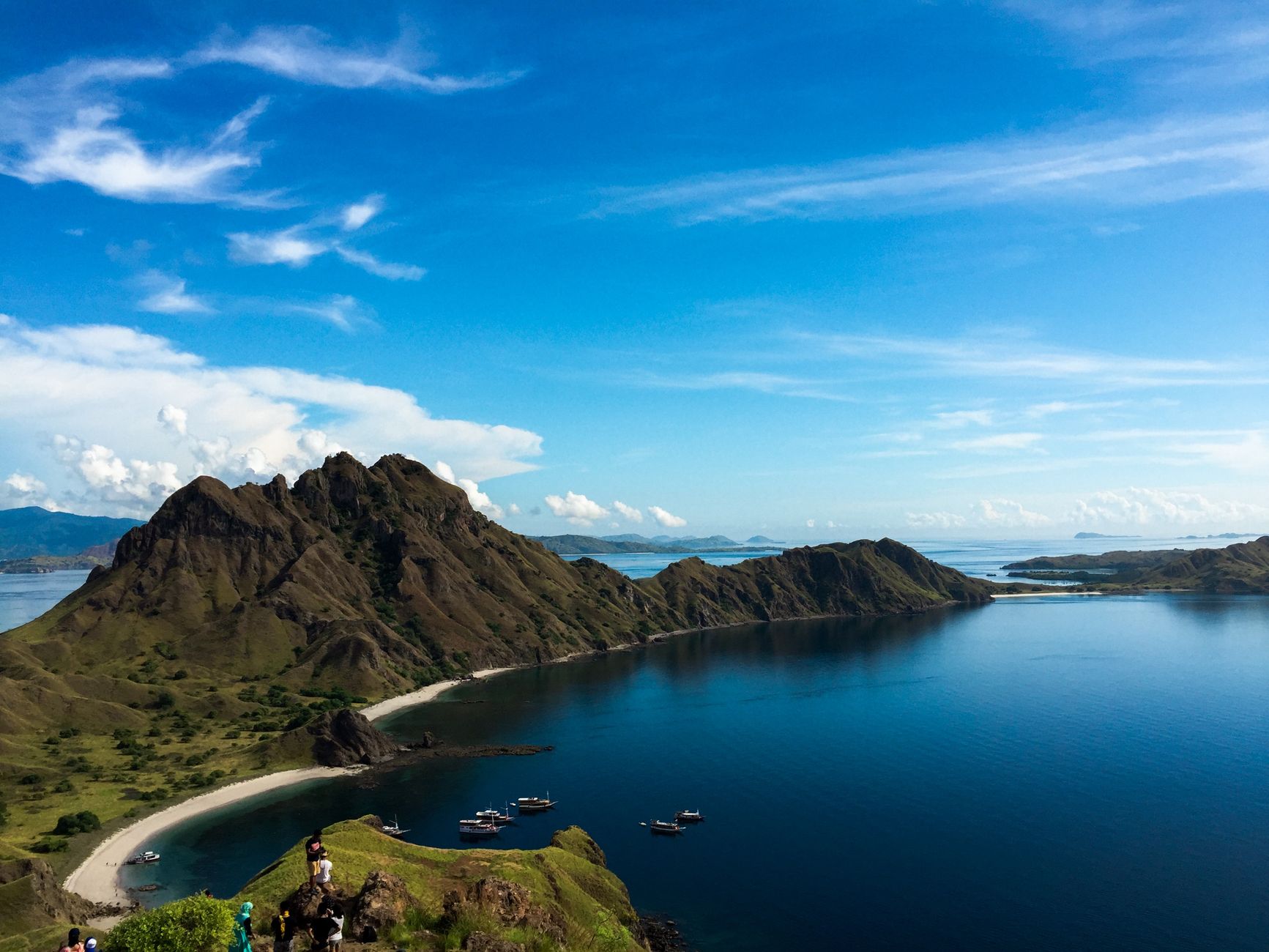
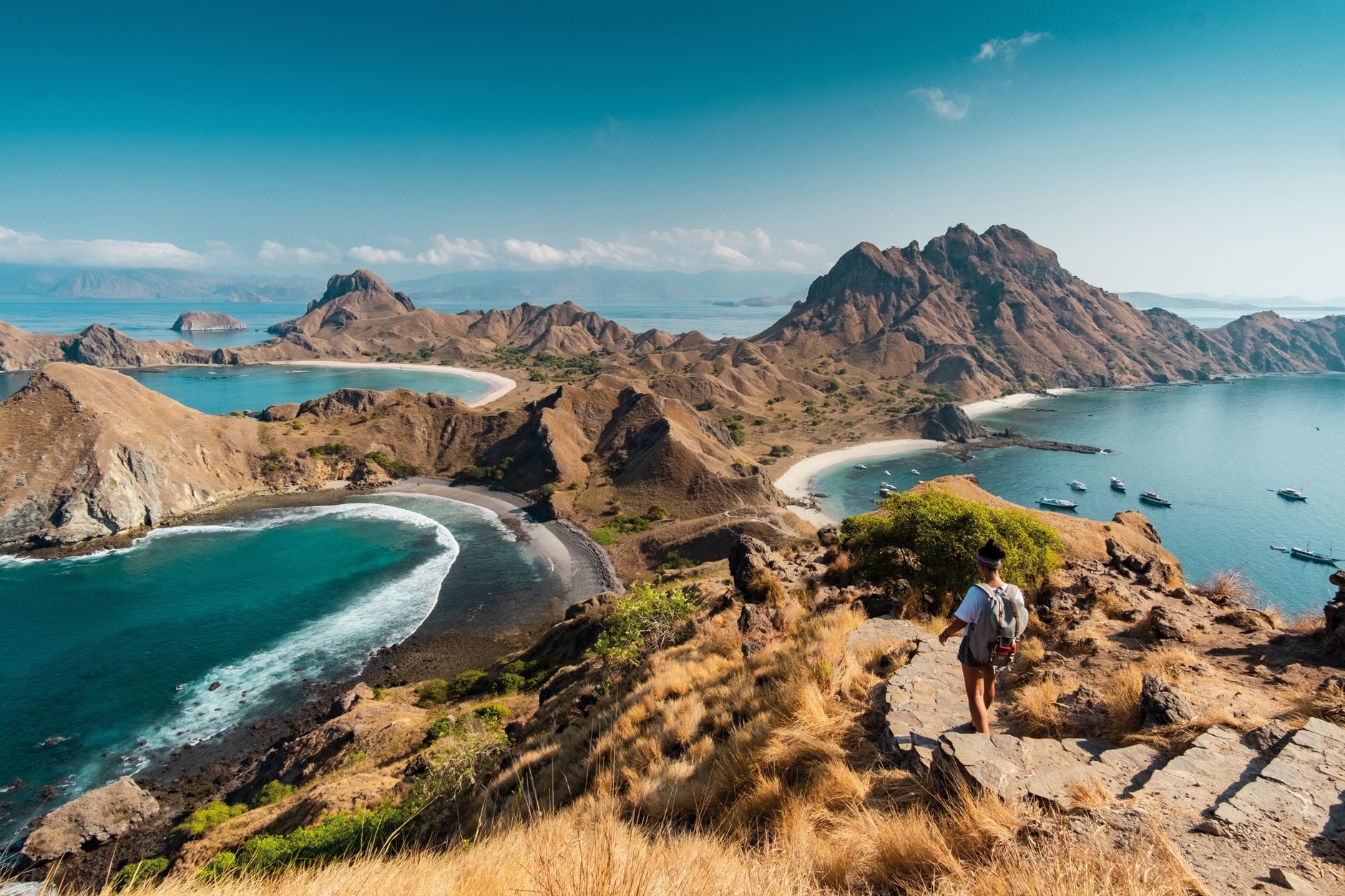
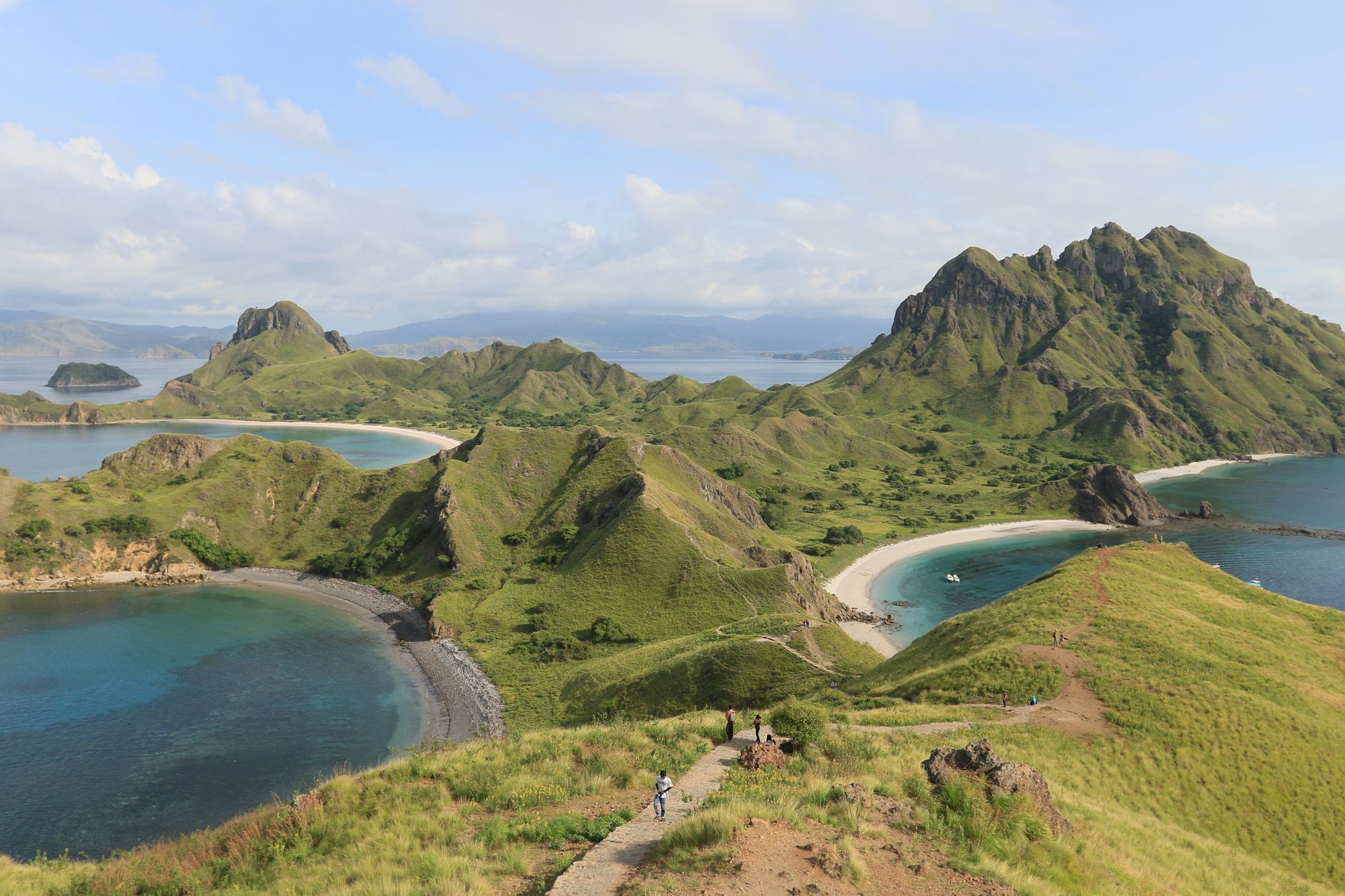
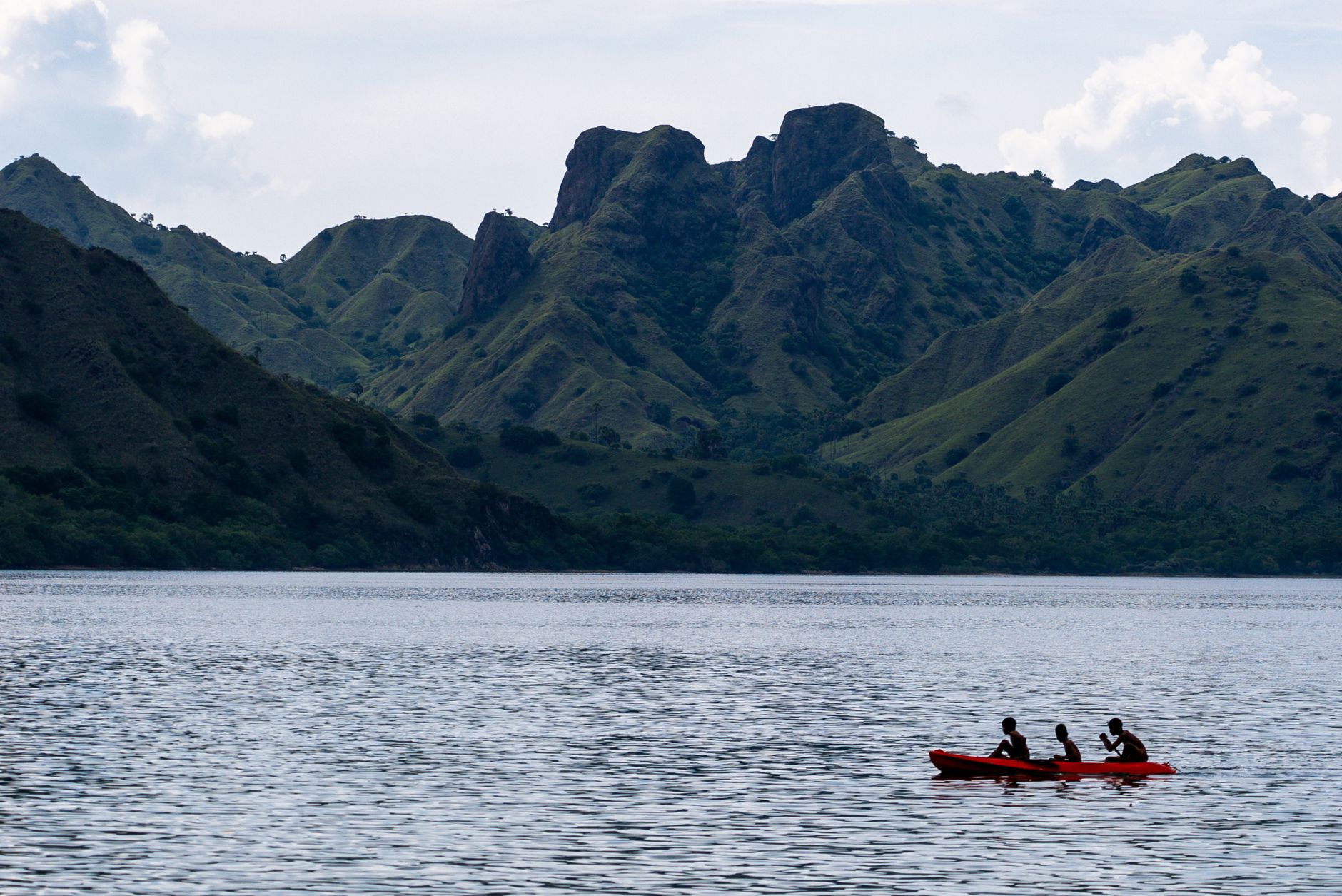
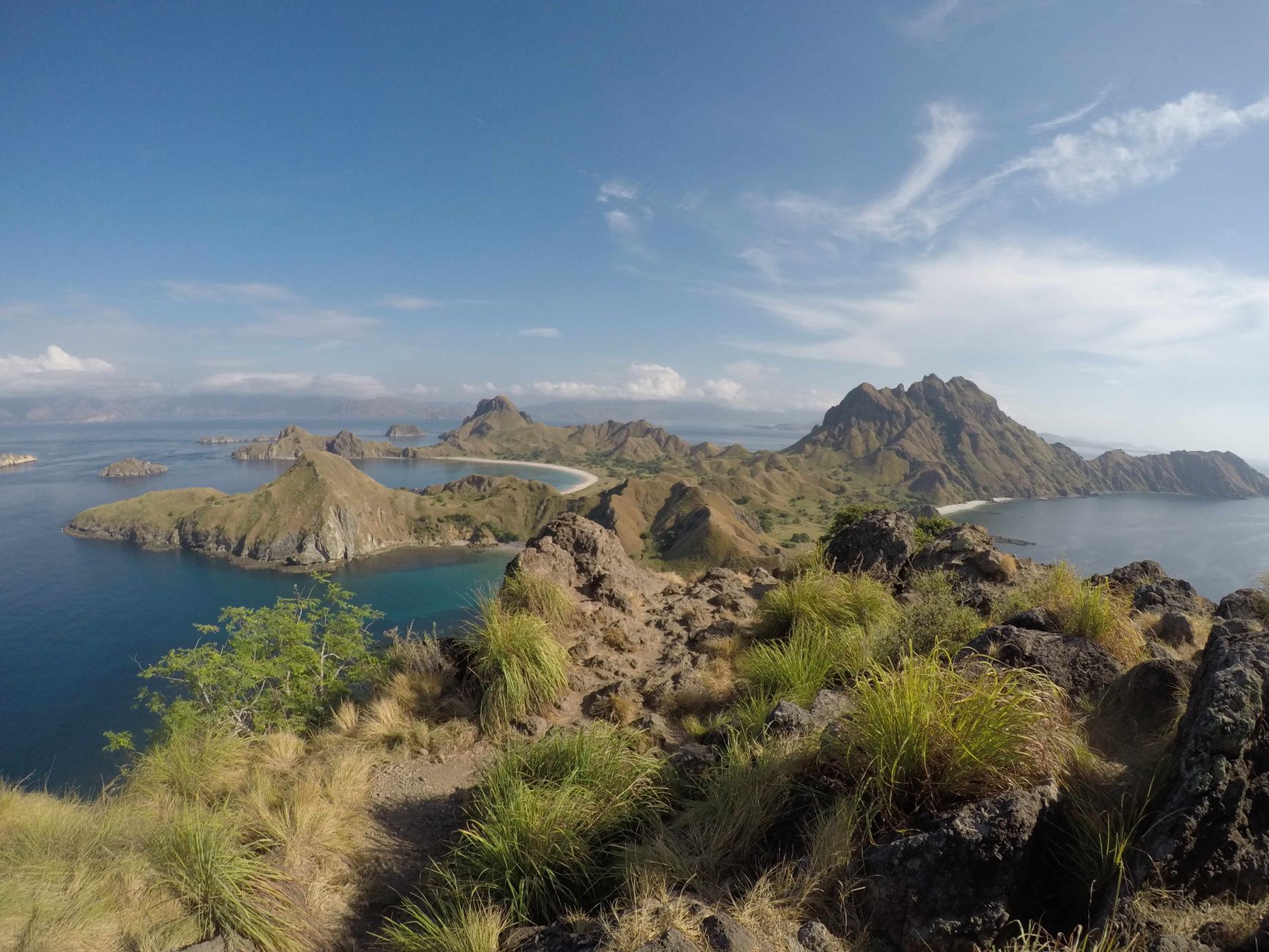
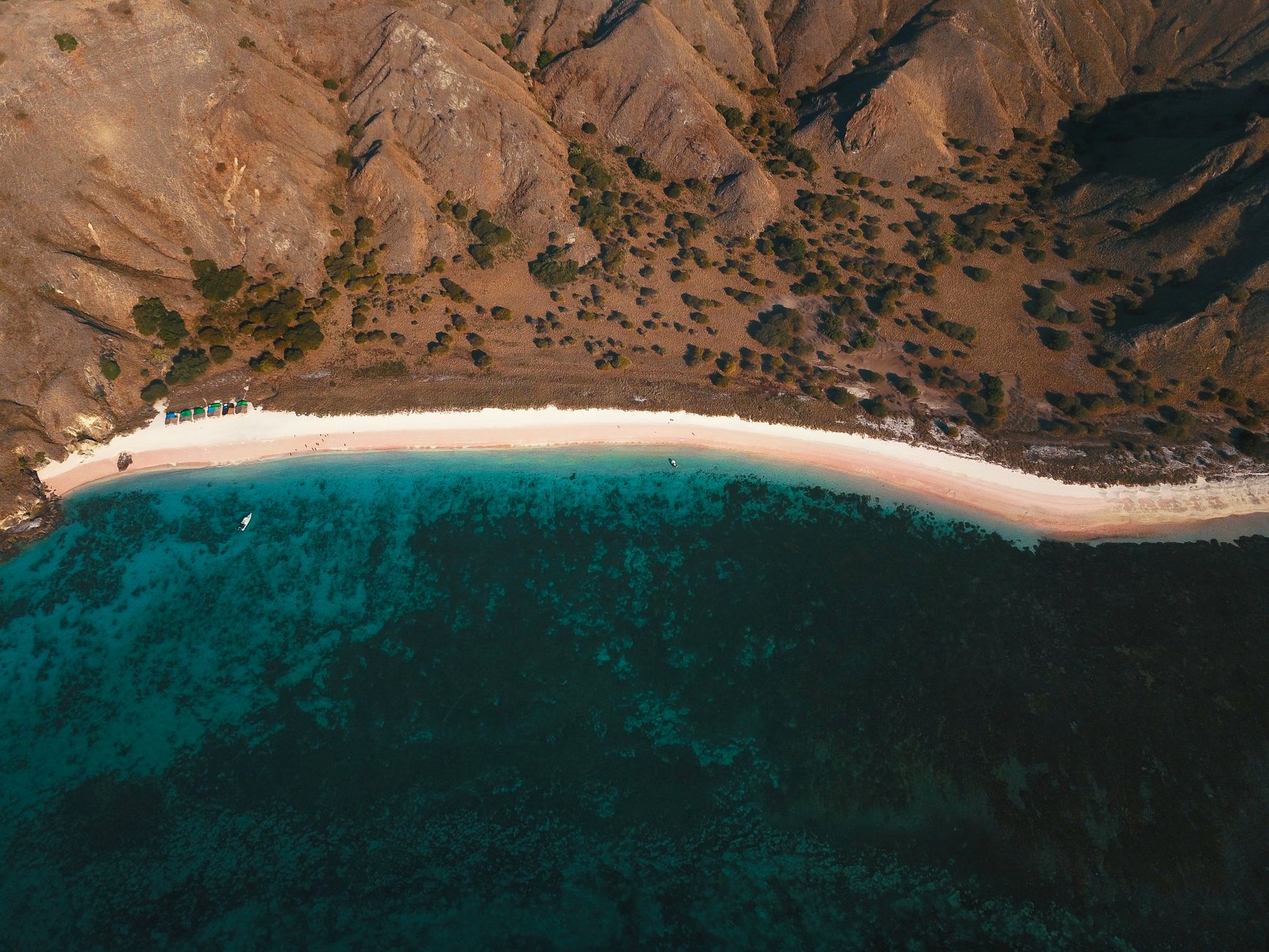
The first thing you notice on Komodo Island is the stillness — and then a dragon crosses the path in front of you, four feet of scaled muscle moving with an unhurried confidence that makes your ranger's wooden forked stick feel somewhat inadequate. Komodo National Park spreads across 219,000 hectares of sea and island in the Lesser Sundas, where the water shifts from turquoise shallows to deep channel blue in the space of a boat length.
The park is three things at once: one of the last places on earth where Varanus komodoensis lives wild, a serious dive destination with current-driven sites like Batu Bolong and Crystal Rock, and an island landscape — Padar's ridgeline above its multi-colored bays, Pink Beach's coral-tinted sand — that rewards the patient traveler who stays a day longer than planned.
💛 What travellers fall for
People who come back tend to do it by liveaboard rather than day-trip speedboat — three days gives you early-morning light on Padar before the crowds, a dusk stop at Kalong Island to watch flying foxes peel off the trees, and dive sites at the slack tide windows that day-trippers always miss. Book your SiORA permits the moment your dates are set.
How Komodo National Park came to be
The Komodo dragon existed outside Western science until 1910, when Dutch colonial lieutenant J.K.H. van Steyn van Hensbroek followed rumors of a giant land crocodile to Komodo Island and confirmed what local people had always known. Zoologist Peter A. Ouwens formally described the species in 1912, naming it Varanus komodoensis. Padar and part of Rinca were designated nature reserves in 1938; Komodo Island followed in 1965.
The national park was established by ministerial decree on March 4, 1980, initially covering 72,000 hectares. By 1984 the marine zone had been incorporated, expanding the park to its current 219,322 hectares. UNESCO added it to the World Heritage List in 1991, and in 2013 it was named one of the New 7 Wonders of Nature. The Ata Modo, the island's indigenous community, have lived alongside the dragons throughout — a relationship that long predates any conservation designation.
Who and what shaped it
People who shaped it
Landmark buildings
See Komodo National Park in motion
Plan your visit
On the map
When to go
The park is tropical and hot year-round. The dry season runs roughly April through October, when seas are calmer and the scrubby savanna landscape turns gold — generally the better window for both trekking and diving. The wet season brings humidity and choppier crossings, though dive visibility can still be excellent in the protected bays.
Right now
Background & history adapted from Wikipedia (CC BY-SA) · specs from Wikidata (CC0) · weather from Open-Meteo · map data © OpenStreetMap contributors · photos from Wikimedia Commons / Unsplash with per-image credit. No third-party reviews or social posts reproduced.