
Kitzbühel
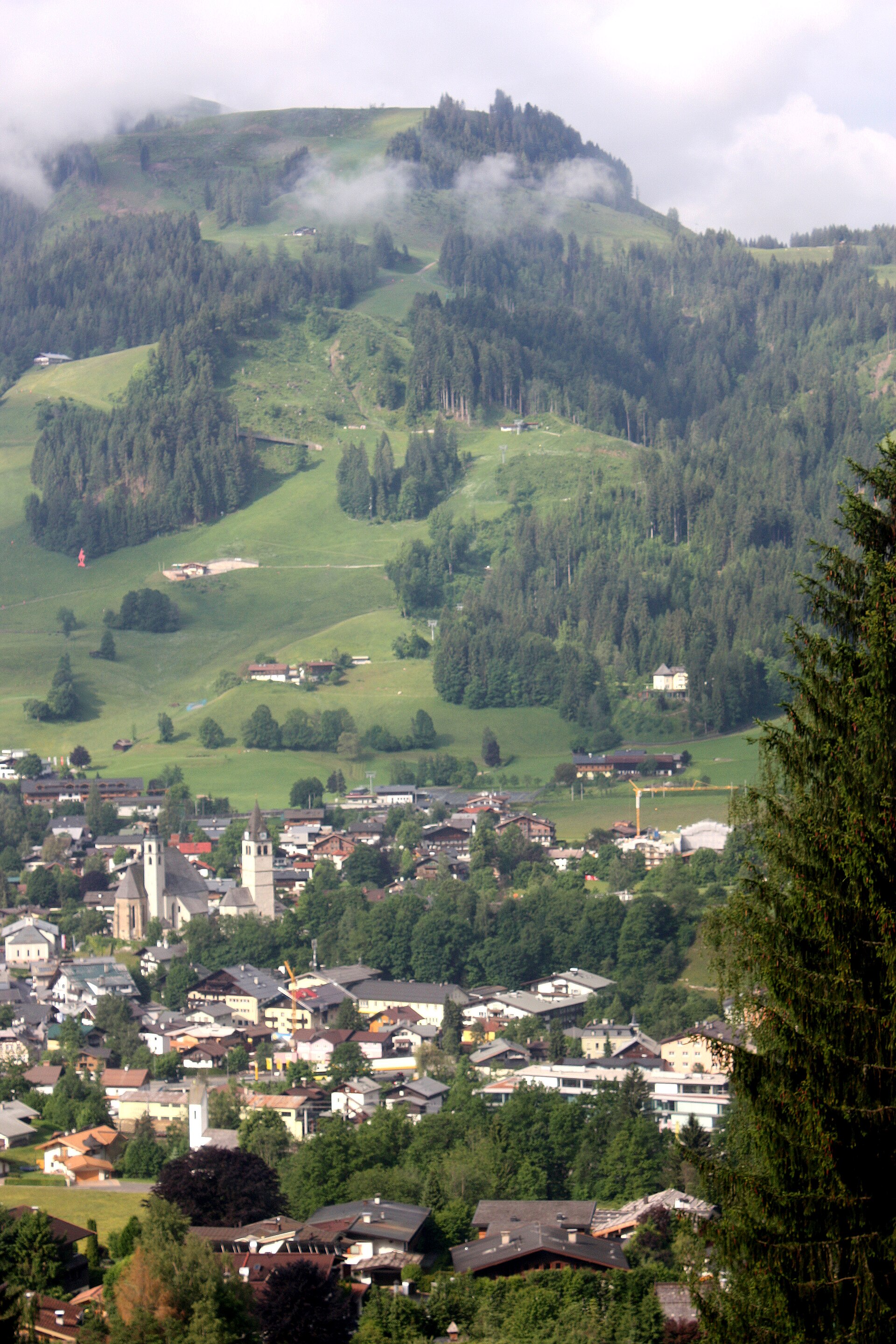
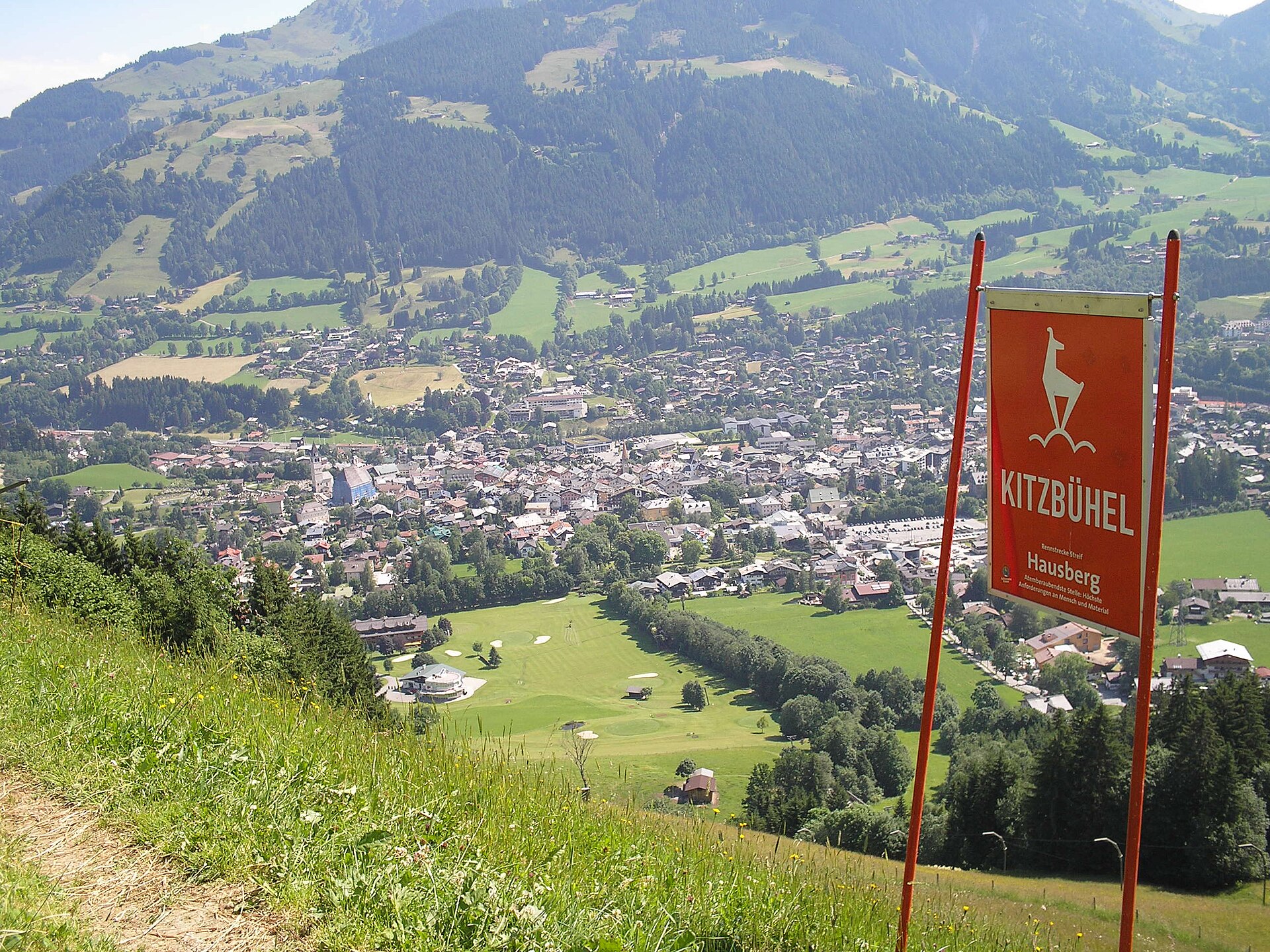
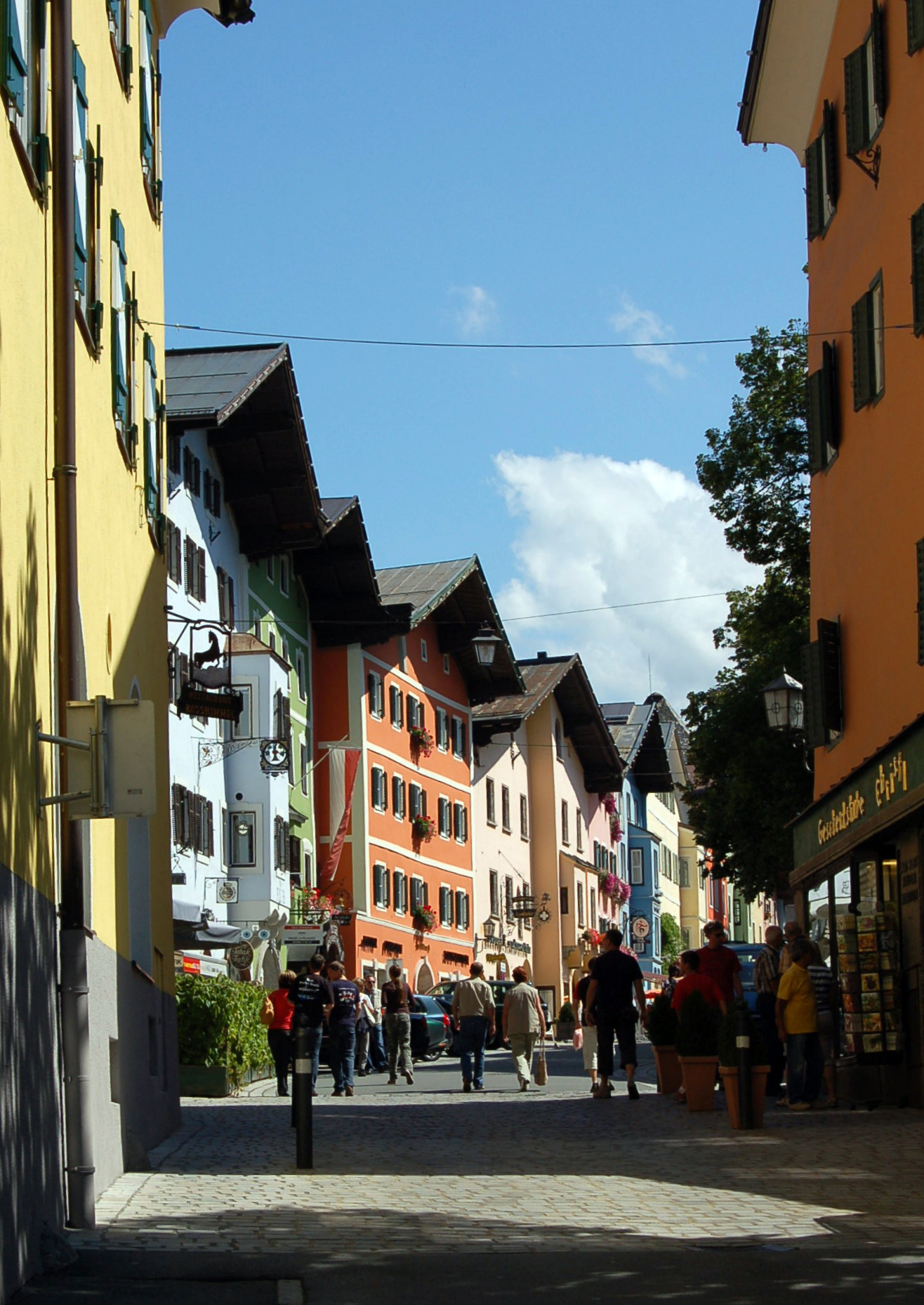
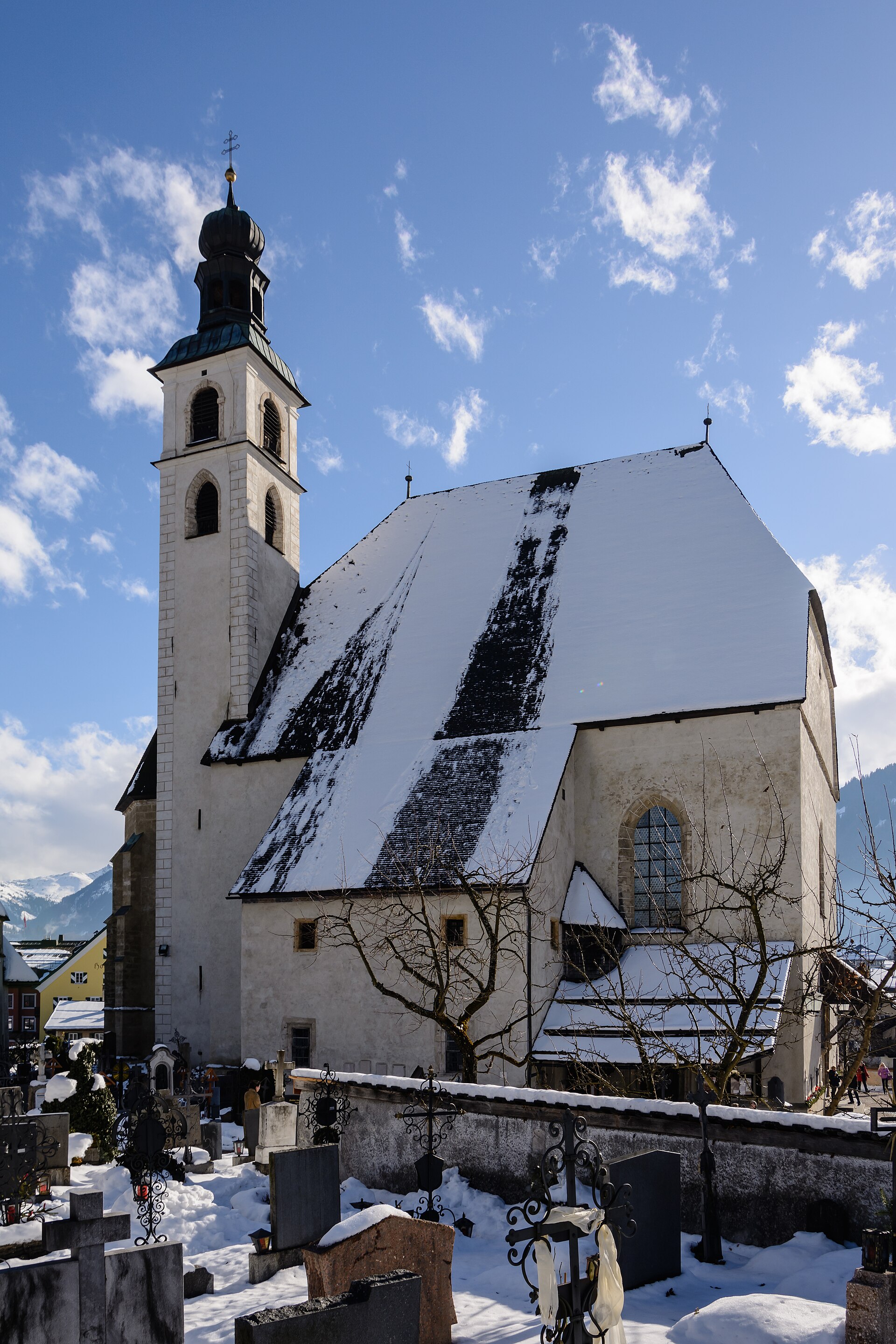
Kitzbühel announces itself with a medieval silhouette — the spire of St. Catherine's, the five-storey Pfleghof tower, pastel facades in shades that the painter Alfons Walde made famous on tourism posters a century ago. The old town walls are still there, and so is the Hahnenkamm, the mountain whose descent has defined serious Alpine skiing since 1894. This is a place that has been two things at once for a long time: a working Tyrolean market town and one of the world's most closely watched ski arenas.
The Streif race course drops off the Hahnenkamm every January with a severity that stops conversation. In summer, the same slopes go quiet and the town turns to cycling, hiking, and the kind of long lunches that feel earned at altitude.
💛 What travellers fall for
People who come back tend to time a visit around the Hahnenkamm race weekend in January — the atmosphere in the old town is unlike anything a normal ski trip produces. They also mention the Museum Kitzbühel on a slow afternoon, and the carillon of St. Catherine's at eleven, which you hear before you see the church.
How Kitzbühel came to be
Illyrians were mining copper here between 1100 and 800 BC, which puts human activity in this valley well before any town existed. The Romans folded the area into the province of Noricum around 15 BC; Bavarian settlers arrived around 800 AD. Duke Ludwig II of Bavaria granted Kitzbühel its town charter on 6 June 1271, and the walls and gates that still partly stand date from that fortified era. The town changed hands over the centuries — held by the bishops of Regensburg and Bamberg under Bavarian dukes — before passing to Tyrol in 1504.
The real pivot came in two stages: the completion of the Salzburg-Tyrol Railway in 1875 opened the town to trade and visitors, and then in March 1893, hotelier Franz Reisch skied down from the Kitzbüheler Horn — the first recorded Alpine ski descent in Austria. Reisch went on to found what became the Ski Club in 1902. By 1929, the Hahnenkammbahn had been built specifically to carry skiers uphill, the first cable car in the world designed for that purpose.
Who and what shaped it
People who shaped it
Landmark buildings
See Kitzbühel in motion
Plan your visit
On the map
When to go
Winters are cold and reliably snowy from late November through March, with temperatures regularly dropping well below freezing at altitude. Summers are mild and green, warm enough for hiking in a light layer but with the possibility of afternoon thunderstorms rolling in from the mountains.
Right now
Background & history adapted from Wikipedia (CC BY-SA) · specs from Wikidata (CC0) · weather from Open-Meteo · map data © OpenStreetMap contributors · photos from Wikimedia Commons / Unsplash with per-image credit. No third-party reviews or social posts reproduced.