
Kishiwada
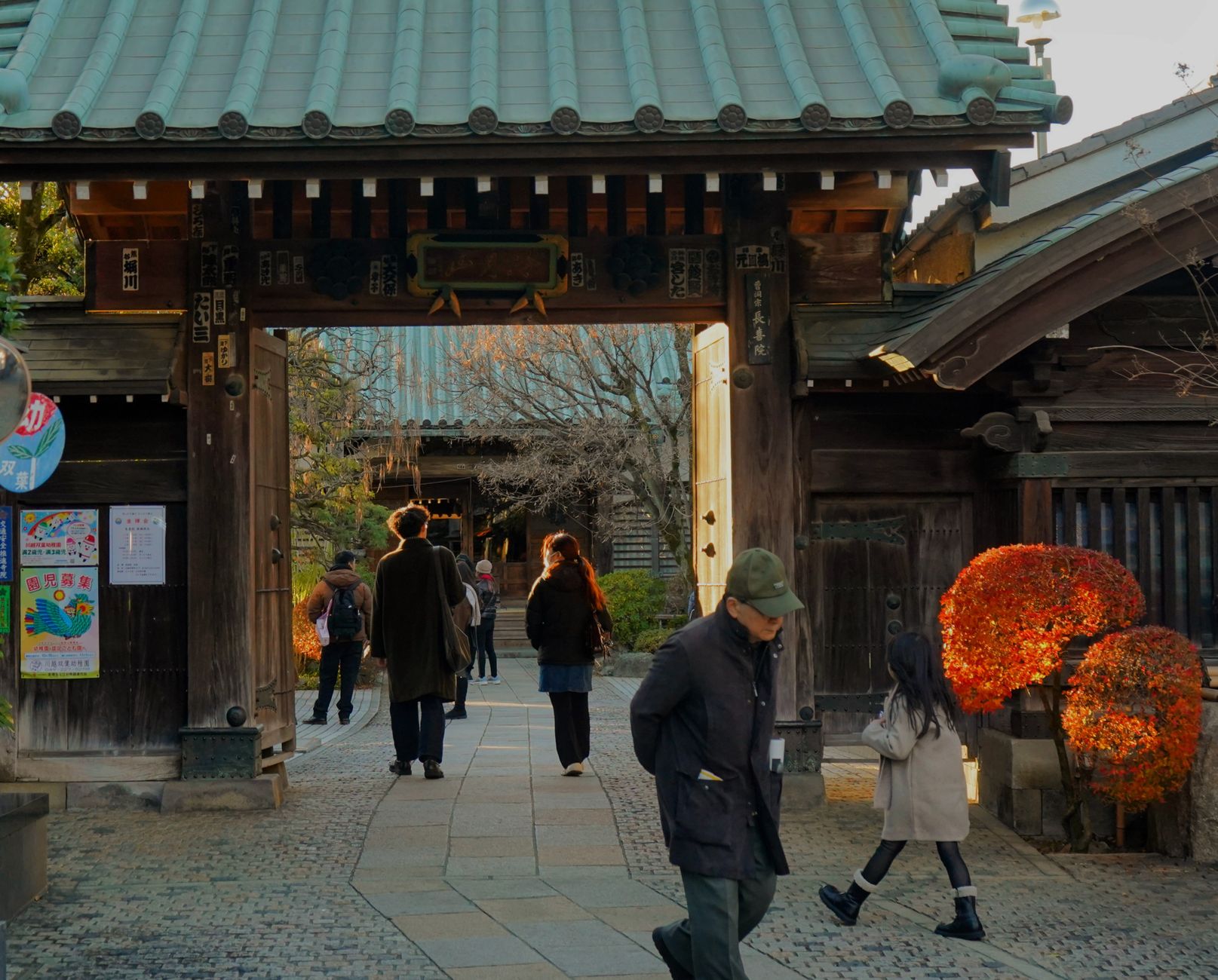
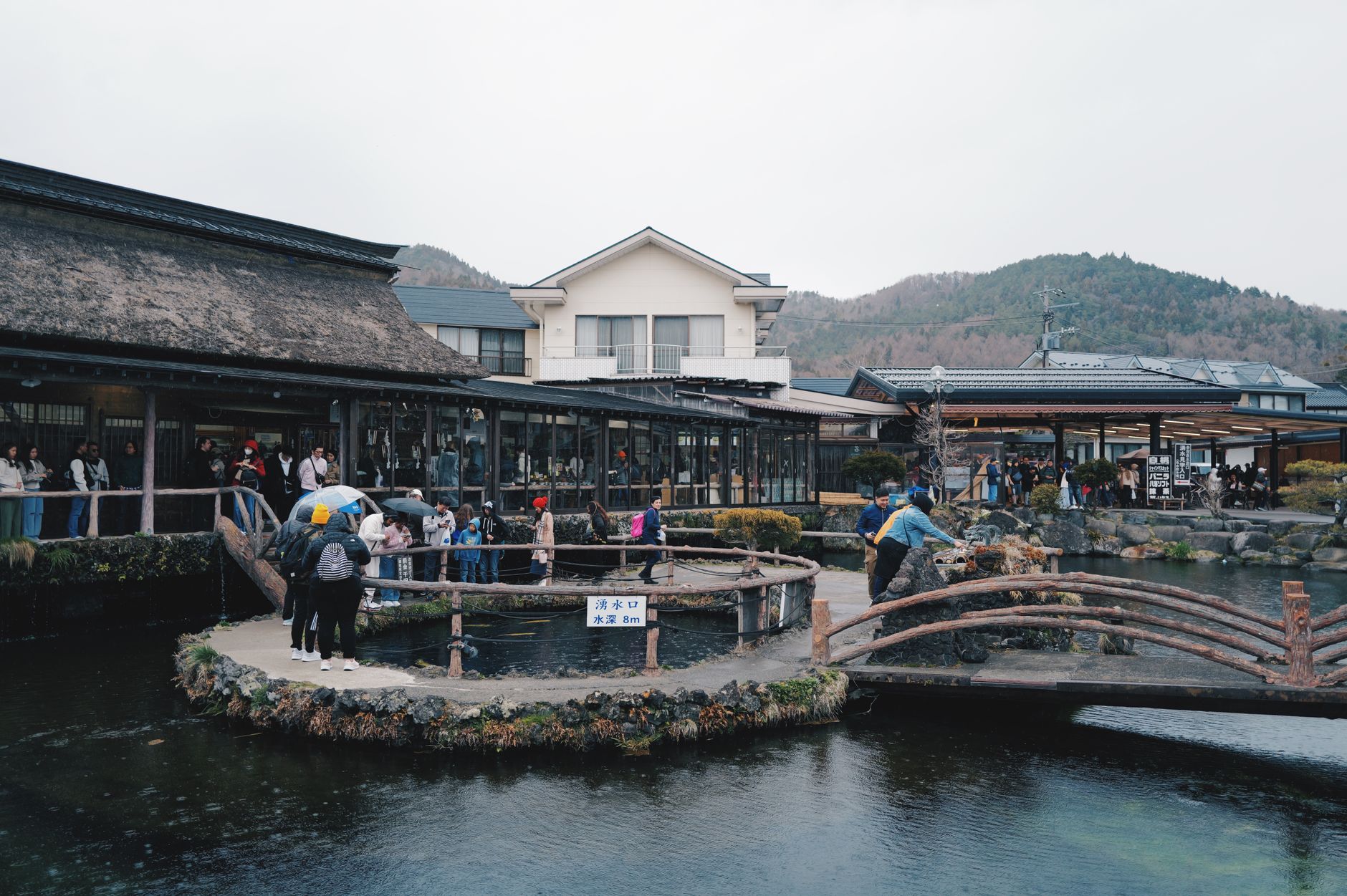
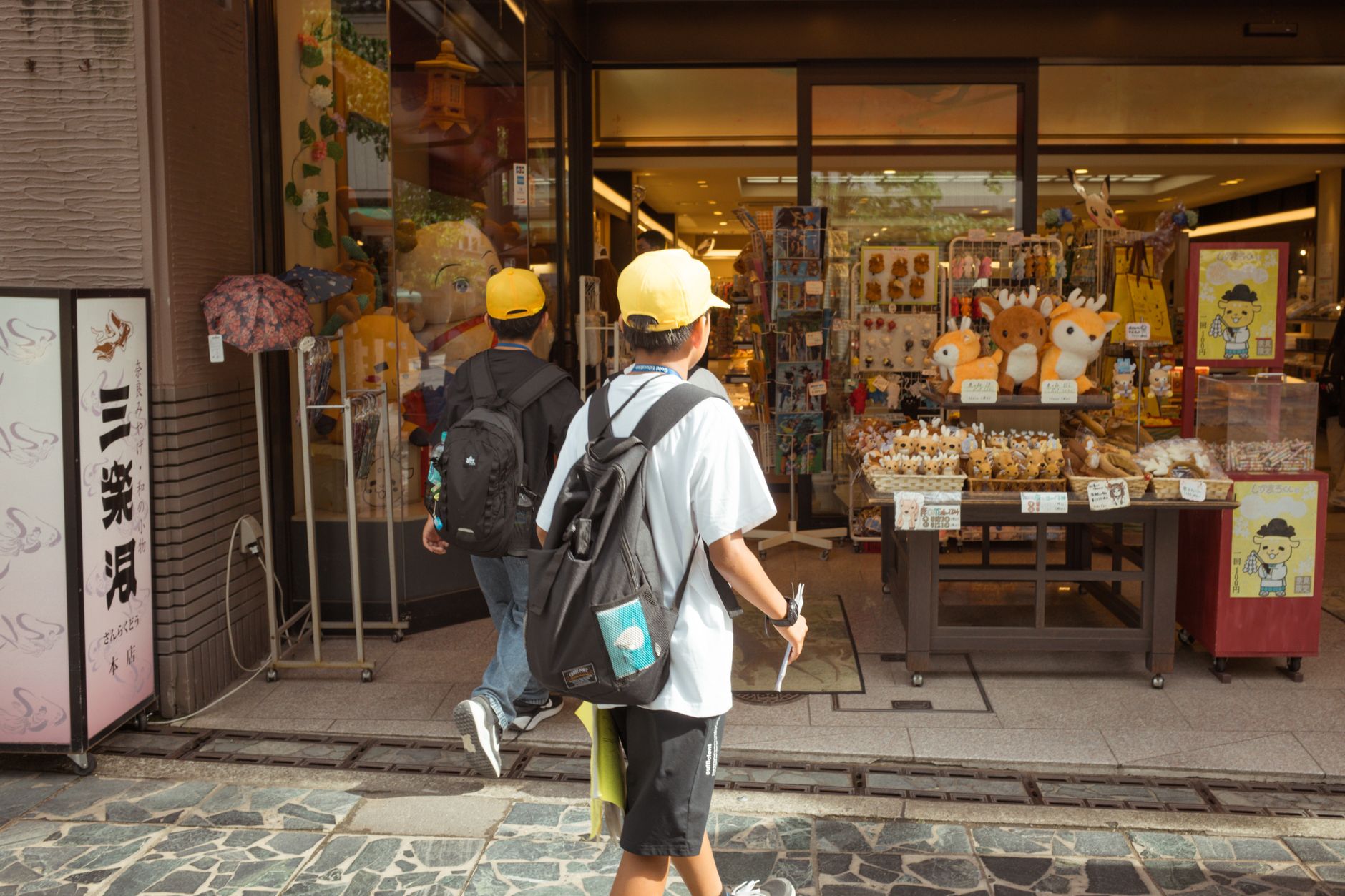
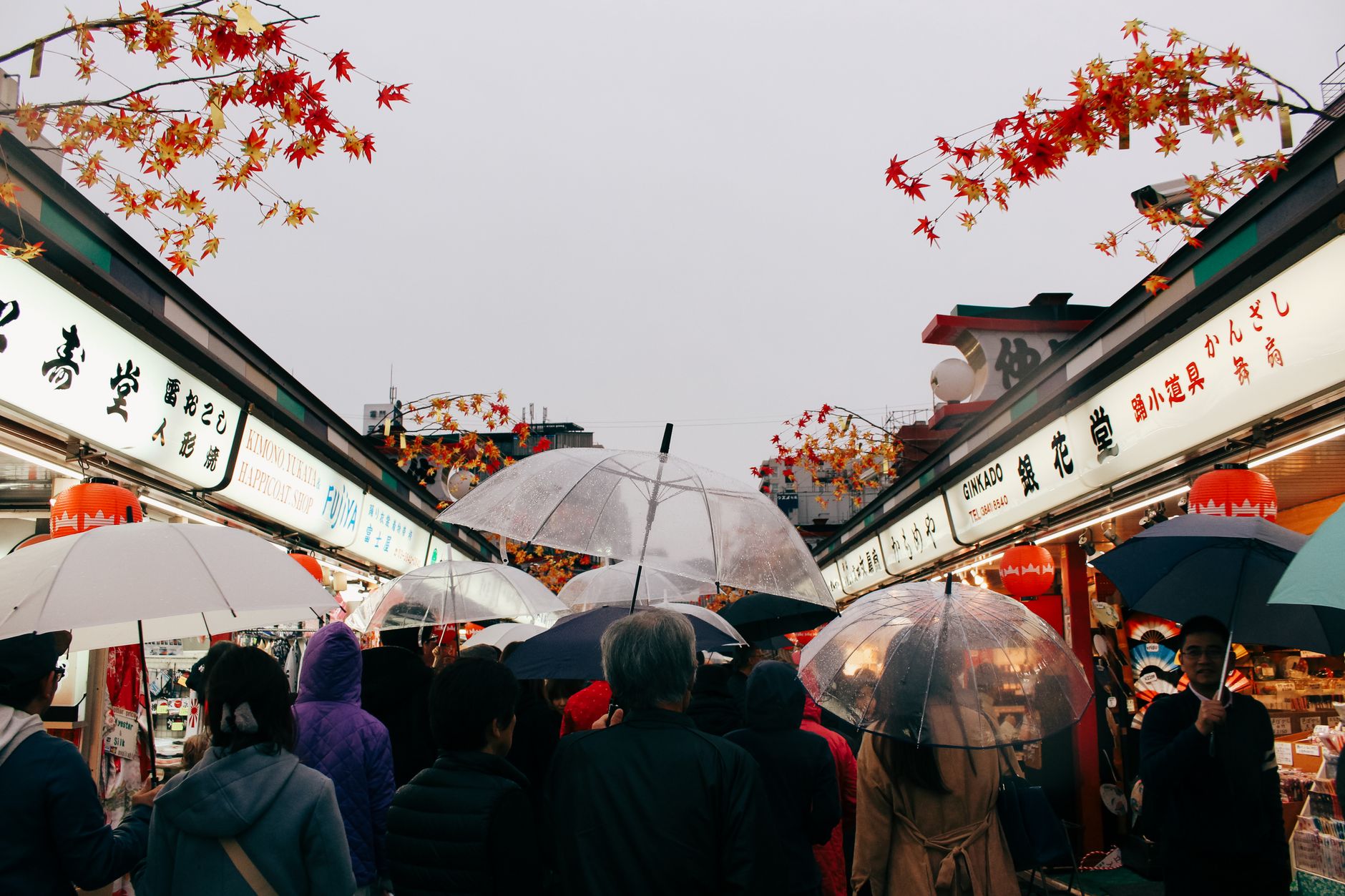
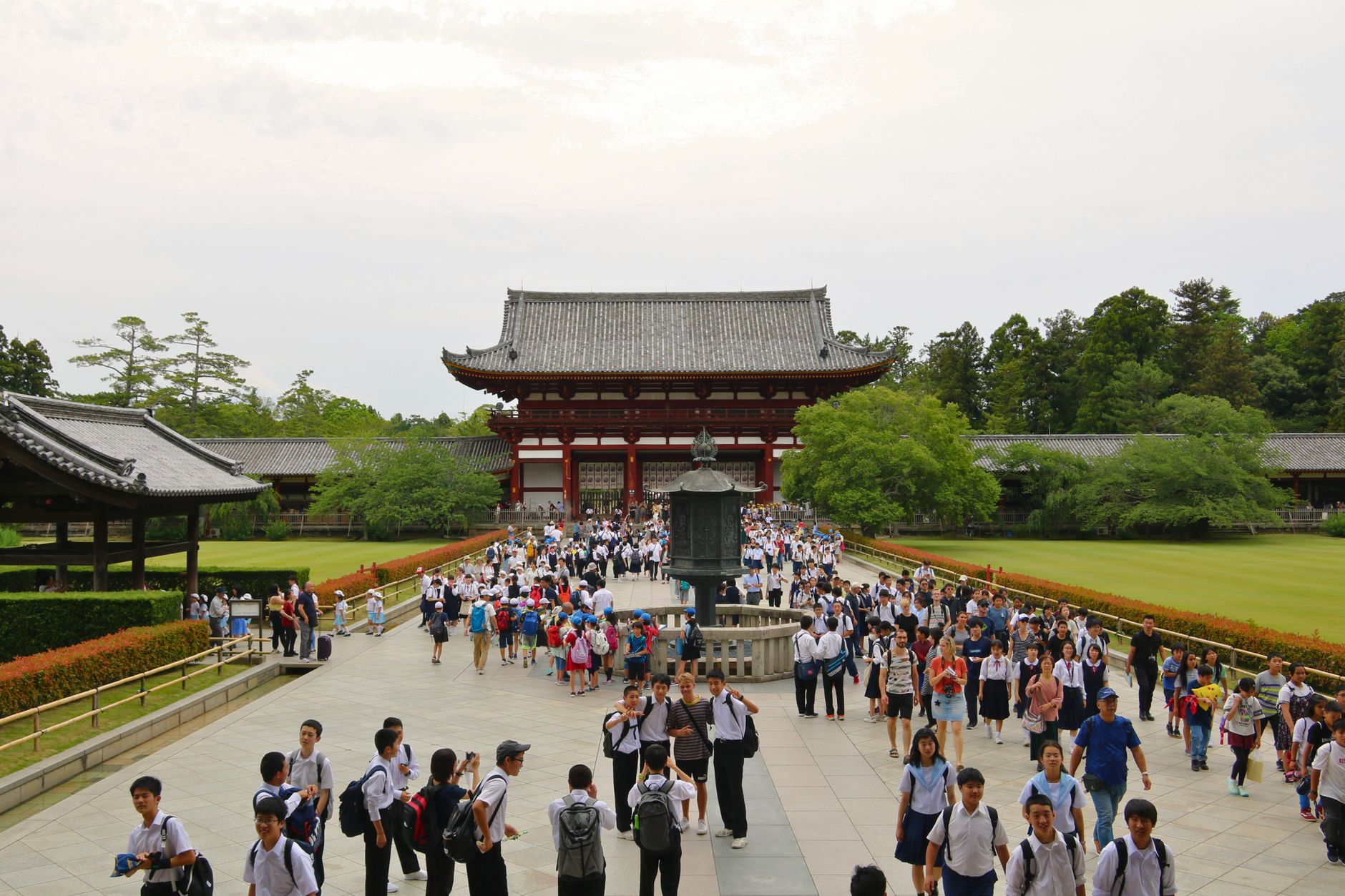
Kishiwada sits on the Osaka Bay coast about halfway between Osaka and Wakayama, close enough to both that most people pass through on the Nankai Line without stopping. That's their loss. The city has a three-story castle with a garden designed by Mirei Shigemori — one of Japan's most celebrated landscape architects — right in its forecourt, a covered shotengai where cotton merchants and confectioners have worked the same shopfronts for generations, and a September festival that pulls 600,000 people into streets normally quiet enough to hear your own footsteps.
The danjiri are the thing Kishiwada is known for: enormous carved wooden floats hauled at a run through narrow lanes, with young men riding the rooftops. Outside festival season, the Danjiri Kaikan beside the castle explains the whole culture without the crowd.
💛 What travellers fall for
People who come back tend to arrive via Kansai Airport rather than Osaka — the Nankai Line drops you at Takojizo Station, five minutes' walk from the castle, and the city feels like yours before you've even oriented yourself. The shotengai between station and castle is worth the detour: look for the traditional confectioners rather than the chain cafes.
Deals in Kishiwada
Book directly at the provider

How Kishiwada came to be
The name Kishiwada appears in documents around 1400 as a shōen, a landed estate, but the city as a recognisable place took shape during the Sengoku period, when its position between Osaka and Wakayama made it strategically worth fortifying. Koide Hidemasa rebuilt the castle at its current site in 1597. Under the Tokugawa shogunate, Kishiwada became the seat of a domain governed by the Okabe clan from 1640 until the Meiji Restoration.
The Danjiri Matsuri dates to 1703. Modern municipal status came on April 1, 1889, city status followed in 1922 — Kishiwada was the 87th city in Japan and the third in Osaka Prefecture. The castle's original main keep burned after a lightning strike in 1827 and was reconstructed in concrete in 1954, though the suits of armour and artefacts inside are original.
Who and what shaped it
People who shaped it
Landmark buildings
See Kishiwada in motion
Plan your visit
On the map
When to go
Summers are warm and humid, peaking around 27 °C in August; winters are cool with little to no snow. September — festival month — is also the wettest, so pack accordingly. Spring brings cherry blossom to the roughly 170 trees around the castle grounds, and the crowds are a fraction of what September brings.
Right now
Background & history adapted from Wikipedia (CC BY-SA) · specs from Wikidata (CC0) · weather from Open-Meteo · map data © OpenStreetMap contributors · photos from Wikimedia Commons / Unsplash with per-image credit. No third-party reviews or social posts reproduced.