
Kinkakuji
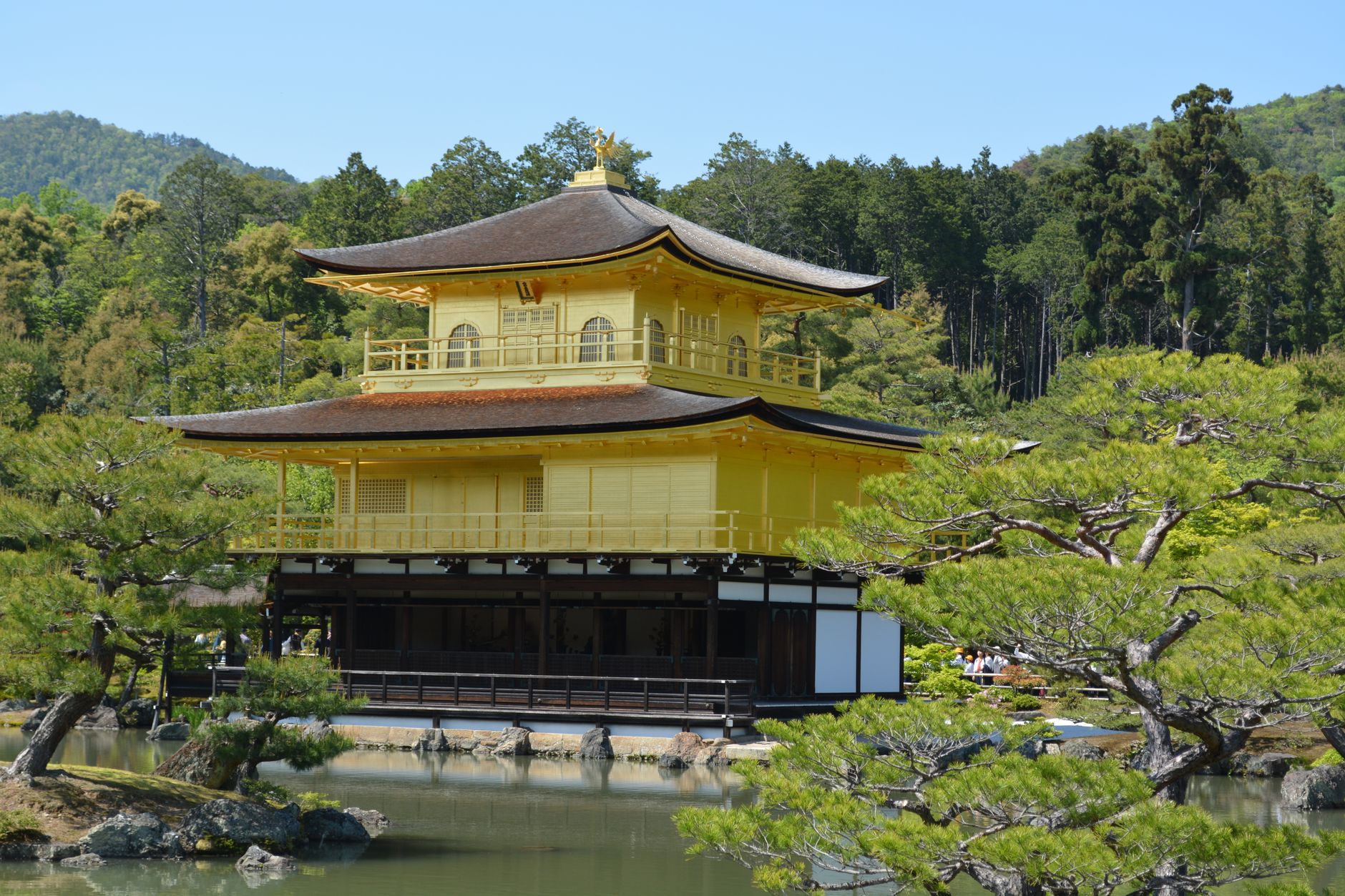
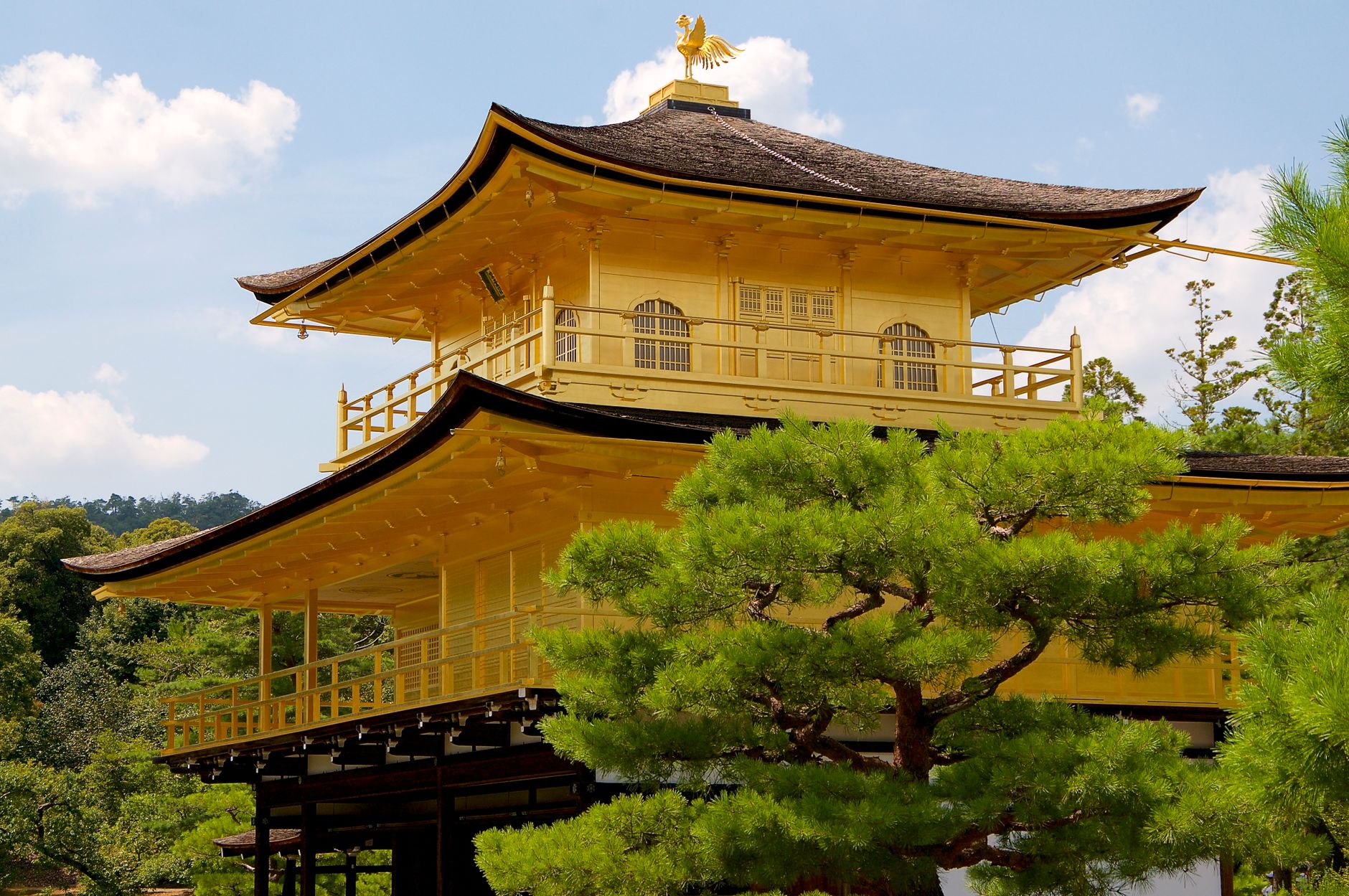
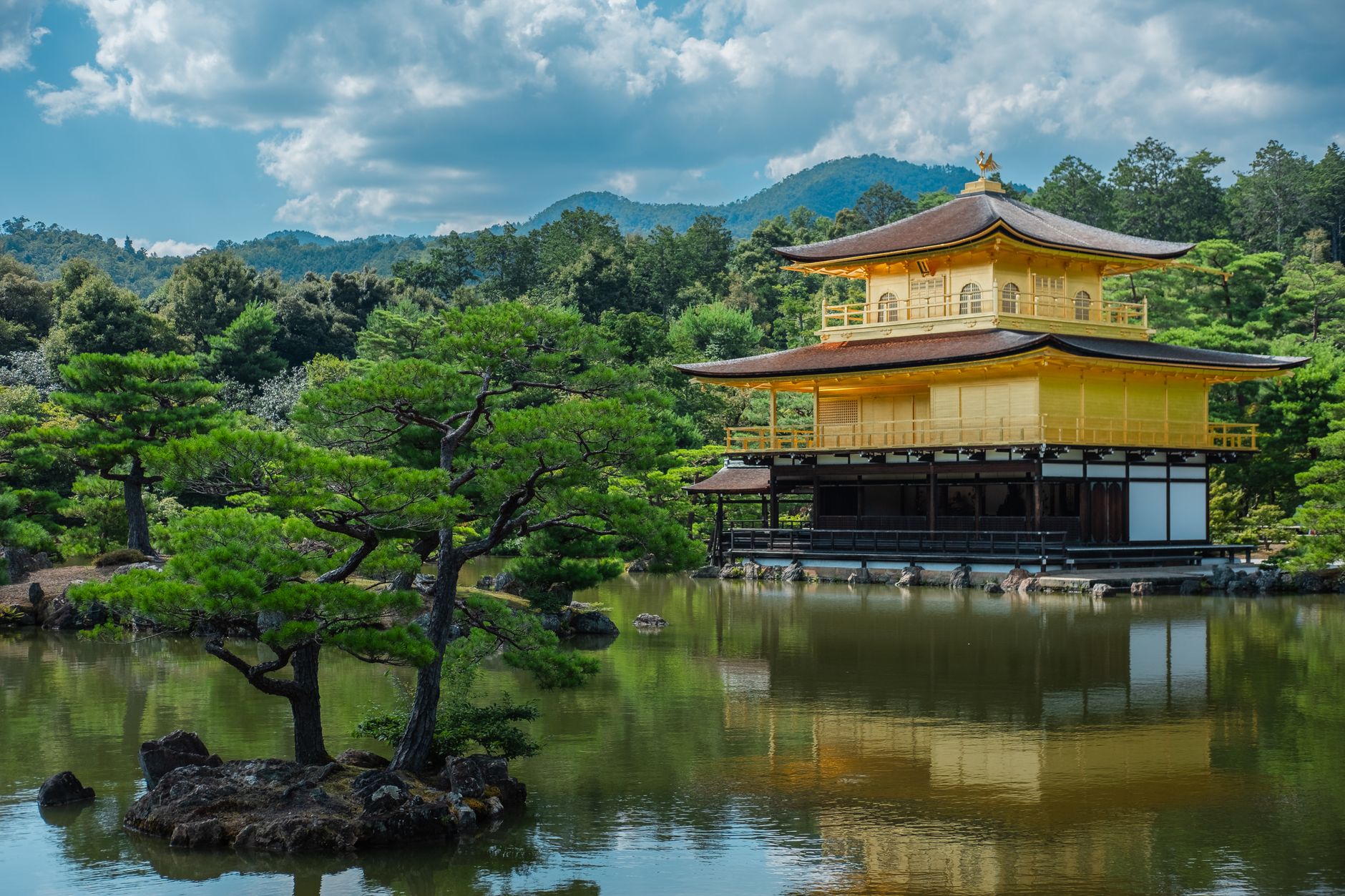
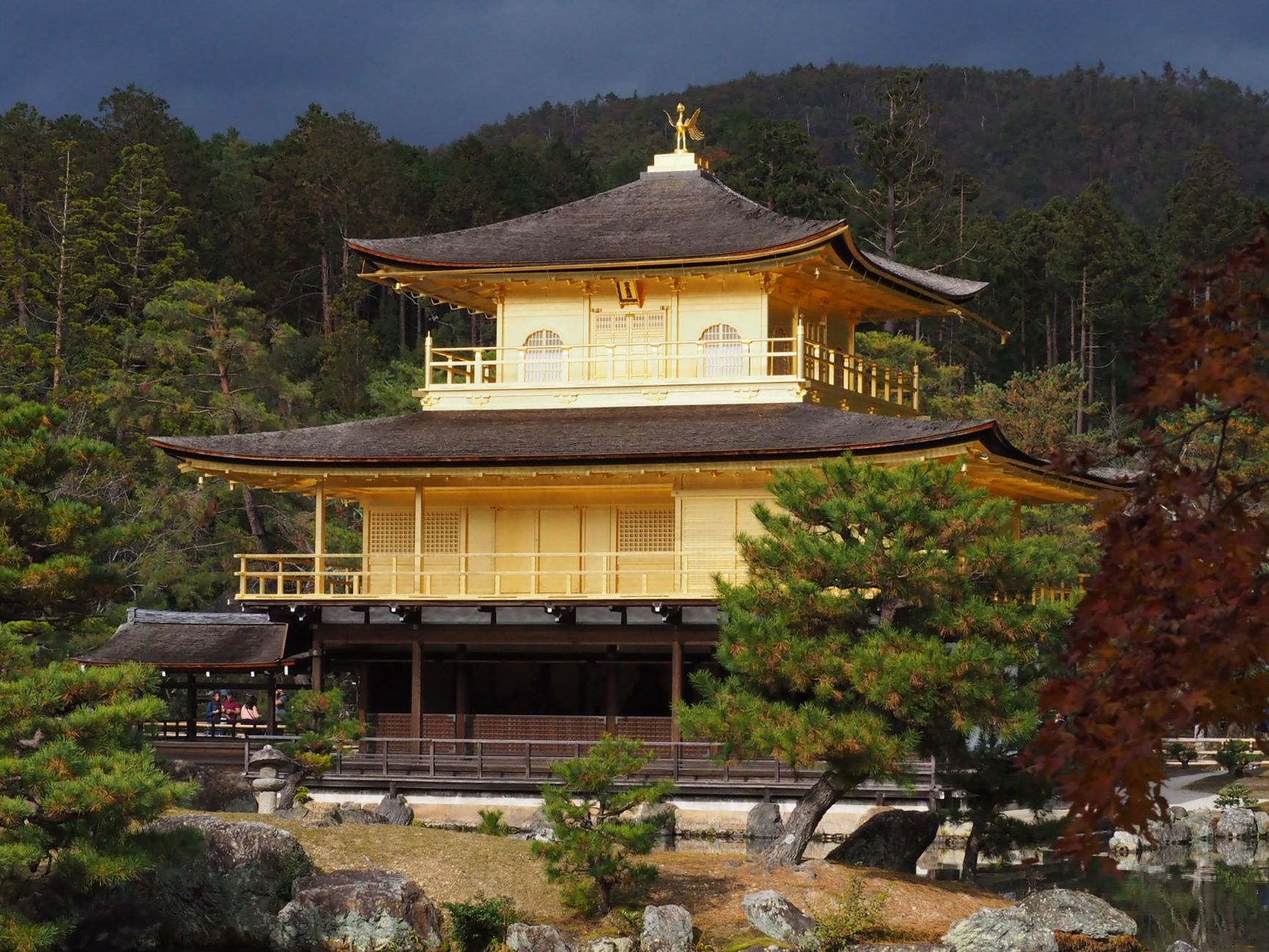
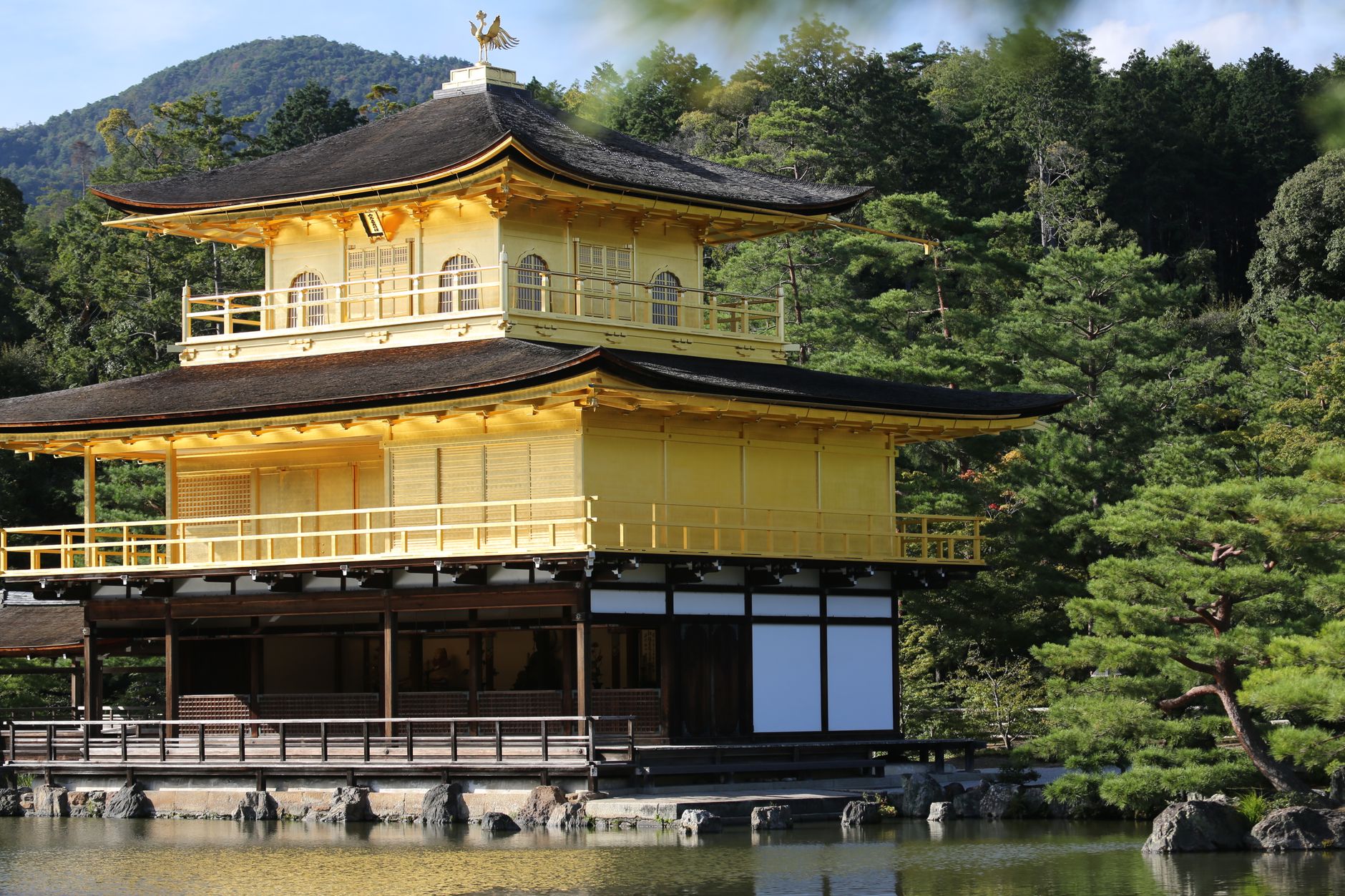
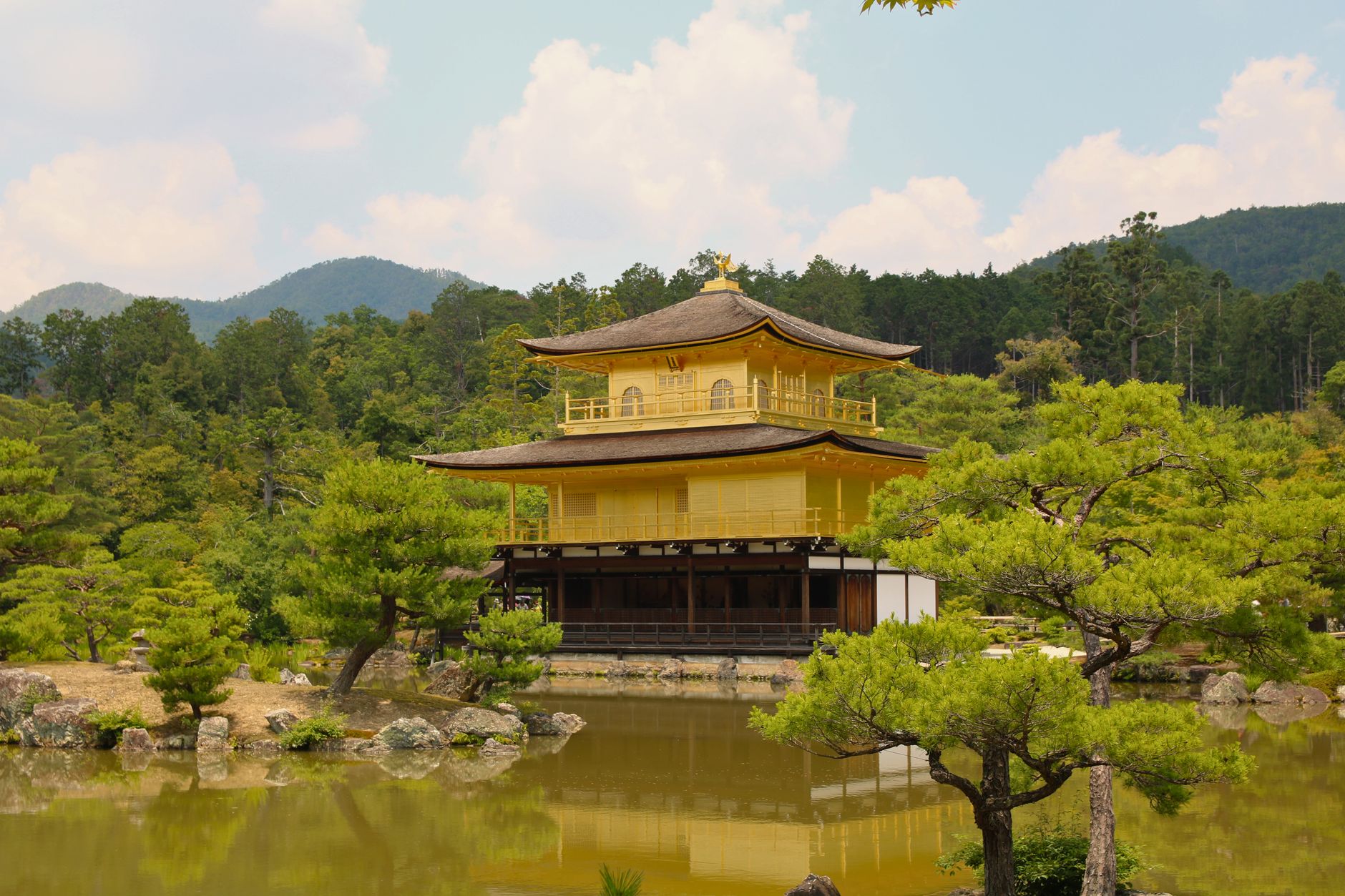
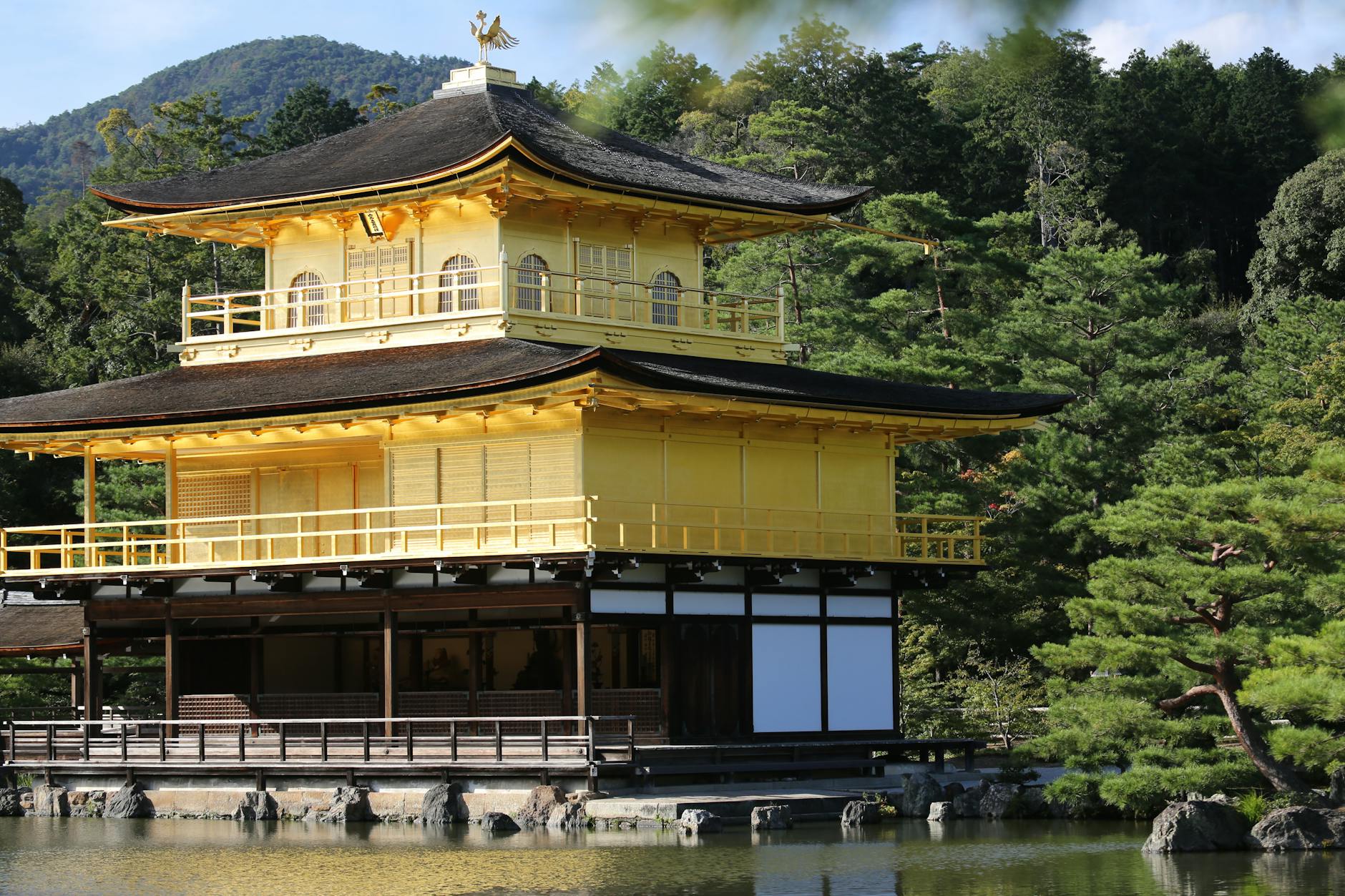
The thing that stops you is the reflection before the building itself. Kyoko-chi pond holds a near-perfect mirror image of the pavilion, so you're looking at two golden structures at once — one real, one liquid. The top two floors of the Kinkaku are coated in gold leaf just half a micron thick, yet on a clear morning the effect is almost aggressive in its brightness.
Kinkakuji is formally Rokuon-ji, the Deer Garden Temple, a working Zen complex covering over 92,000 square metres in Kyoto's Kita Ward. Most visitors follow the garden path in one direction, catching the pavilion from the prescribed viewpoint, then continuing past the Sekkatei Teahouse before exiting. The circuit is compact, which makes it easy to underestimate.
💛 What travellers fall for
People who return tend to arrive at opening, 9 a.m., when the tour groups haven't yet consolidated. The entry ticket doubles as an ofuda — a paper temple talisman — which is reason enough to keep it. Spend a few extra minutes past the main viewpoint; the path toward Sekkatei Teahouse thins out quickly and the garden reads differently from that angle.
Deals in Kinkakuji
Book directly at the provider
How Kinkakuji came to be
In 1397 the shōgun Ashikaga Yoshimitsu acquired a villa called Kitayama-dai from the Saionji family and rebuilt it as the Kitayama Palace complex, with the golden pavilion at its centre. He died there in 1408, aged 49, and per his wishes his son converted the estate into a Zen temple. The first chief priest, the monk Zekkai Nakatsu, had been a close aide to Yoshimitsu, and the temple became a training ground for Zen practice.
The structure standing today dates from 1955. The pavilion burned during the Onin War and again on 2 July 1950, when a 22-year-old novice monk named Hayashi Yoken set it alight at 2:30 in the morning. He survived a suicide attempt and was later released from prison on grounds of mental illness, dying of tuberculosis in 1956. Yukio Mishima fictionalised the incident in his 1956 novel. The rebuilt pavilion received an extra layer of gold foil in 1987, making it more luminous than the medieval original.
Who and what shaped it
People who shaped it
Landmark buildings
See Kinkakuji in motion
Plan your visit
On the map
When to go
Spring brings crowds alongside the cherry blossoms, and autumn's maples turn the garden path a deep red-orange — both seasons are worth the company. Summer is humid and hot; winter mornings occasionally deliver a rare dusting of snow on the gold roof, which photographers plan entire trips around.
Right now
Background & history adapted from Wikipedia (CC BY-SA) · specs from Wikidata (CC0) · weather from Open-Meteo · map data © OpenStreetMap contributors · photos from Wikimedia Commons / Unsplash with per-image credit. No third-party reviews or social posts reproduced.