
Kasanka National Park
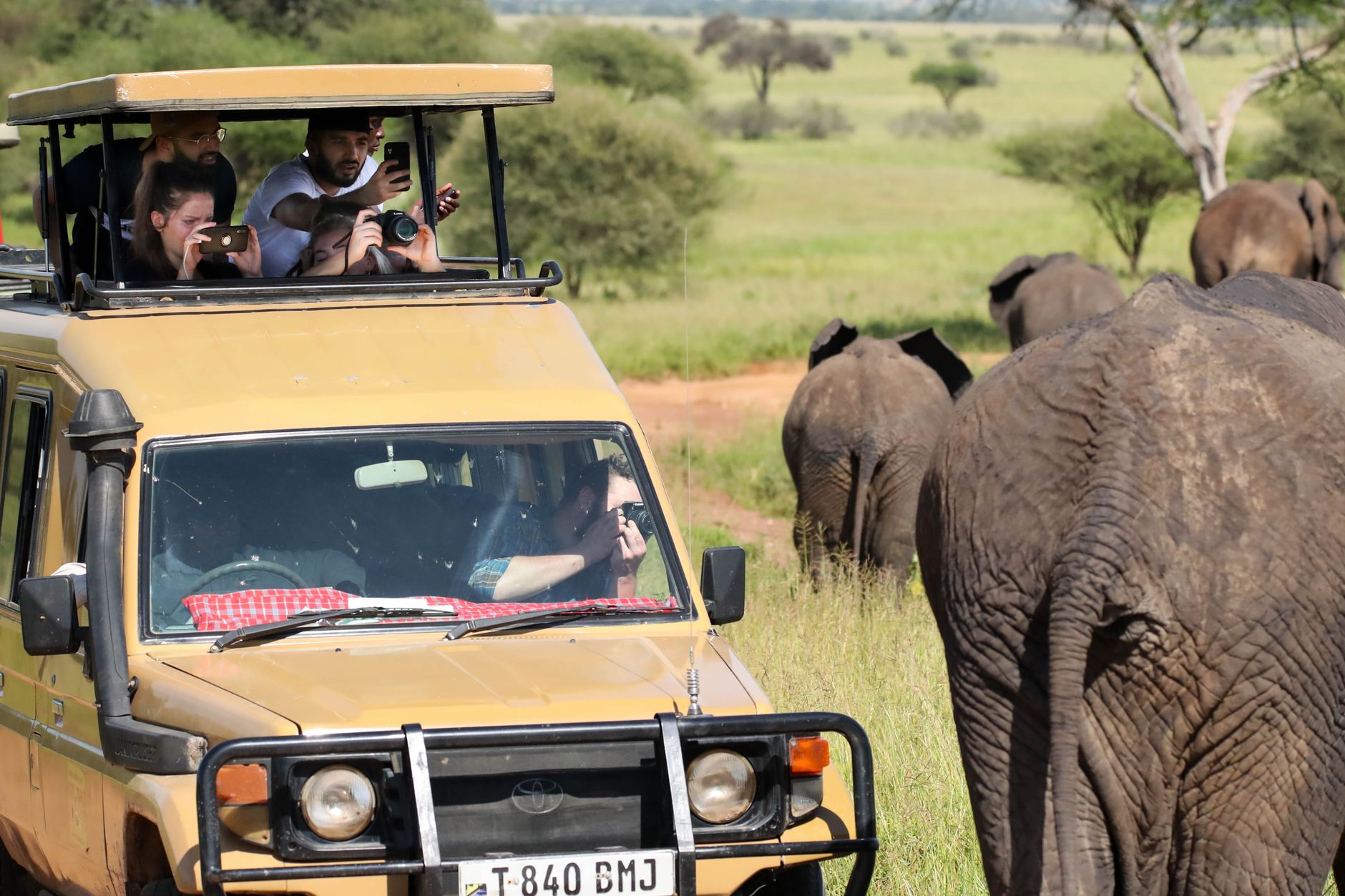
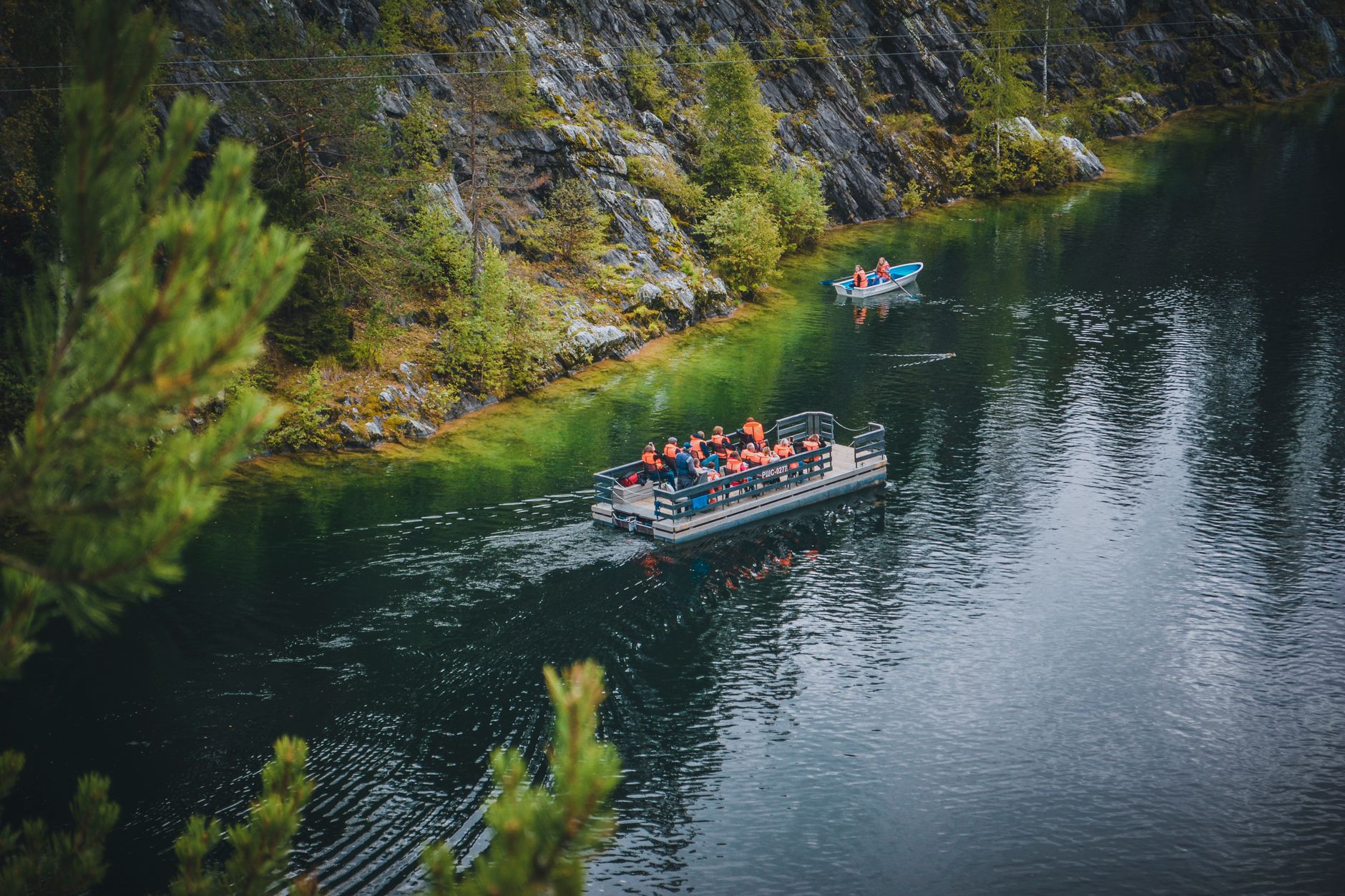
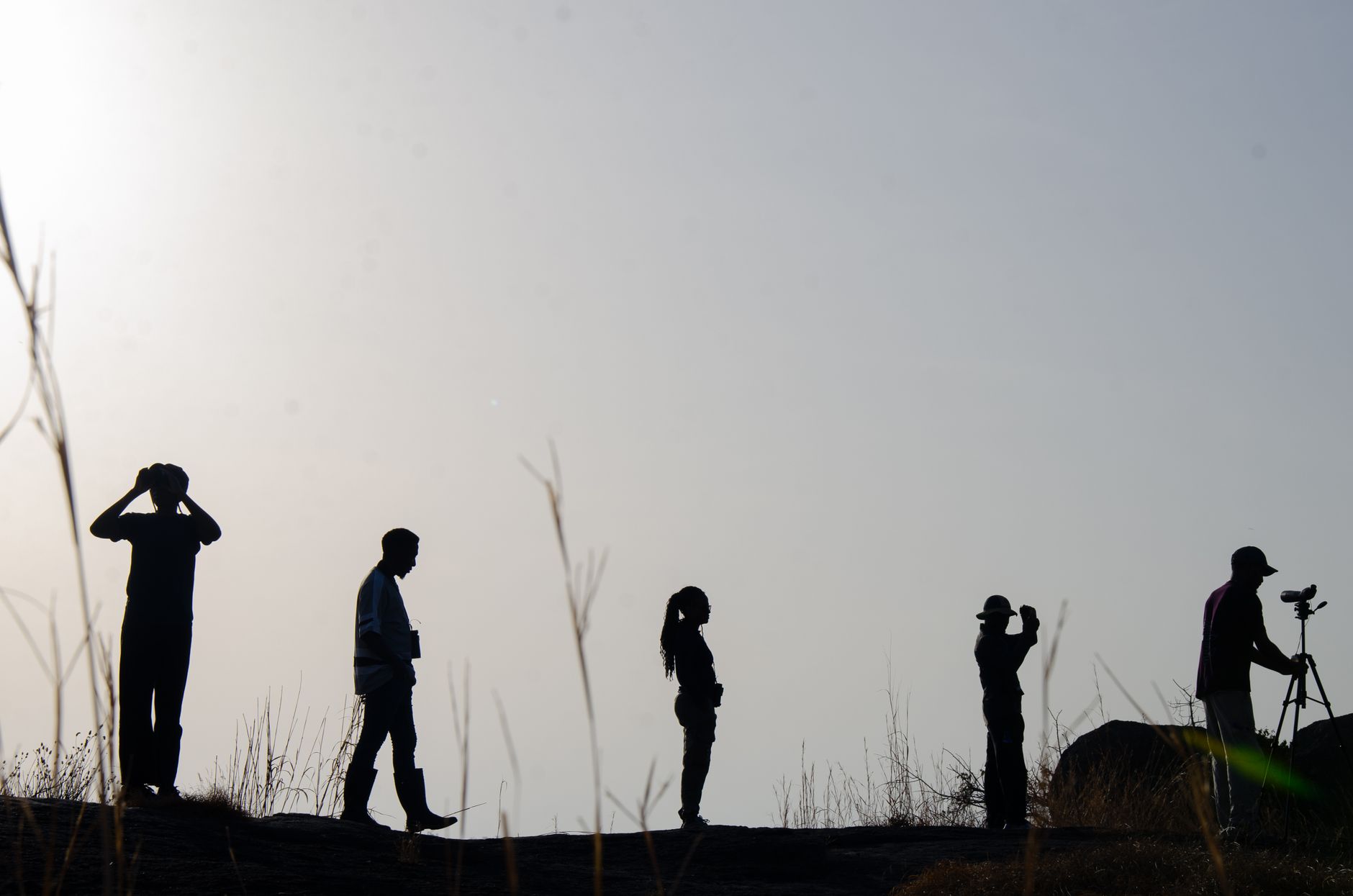
Every October, somewhere between eight and ten million straw-coloured fruit bats descend on a small patch of Kasanka's mushitu forest — one of the largest mammal migrations on earth, and one that most people have never heard of. The bats arrive at dusk in columns that blot out the sky, and you watch from an 18-metre platform bolted into a red mahogany tree.
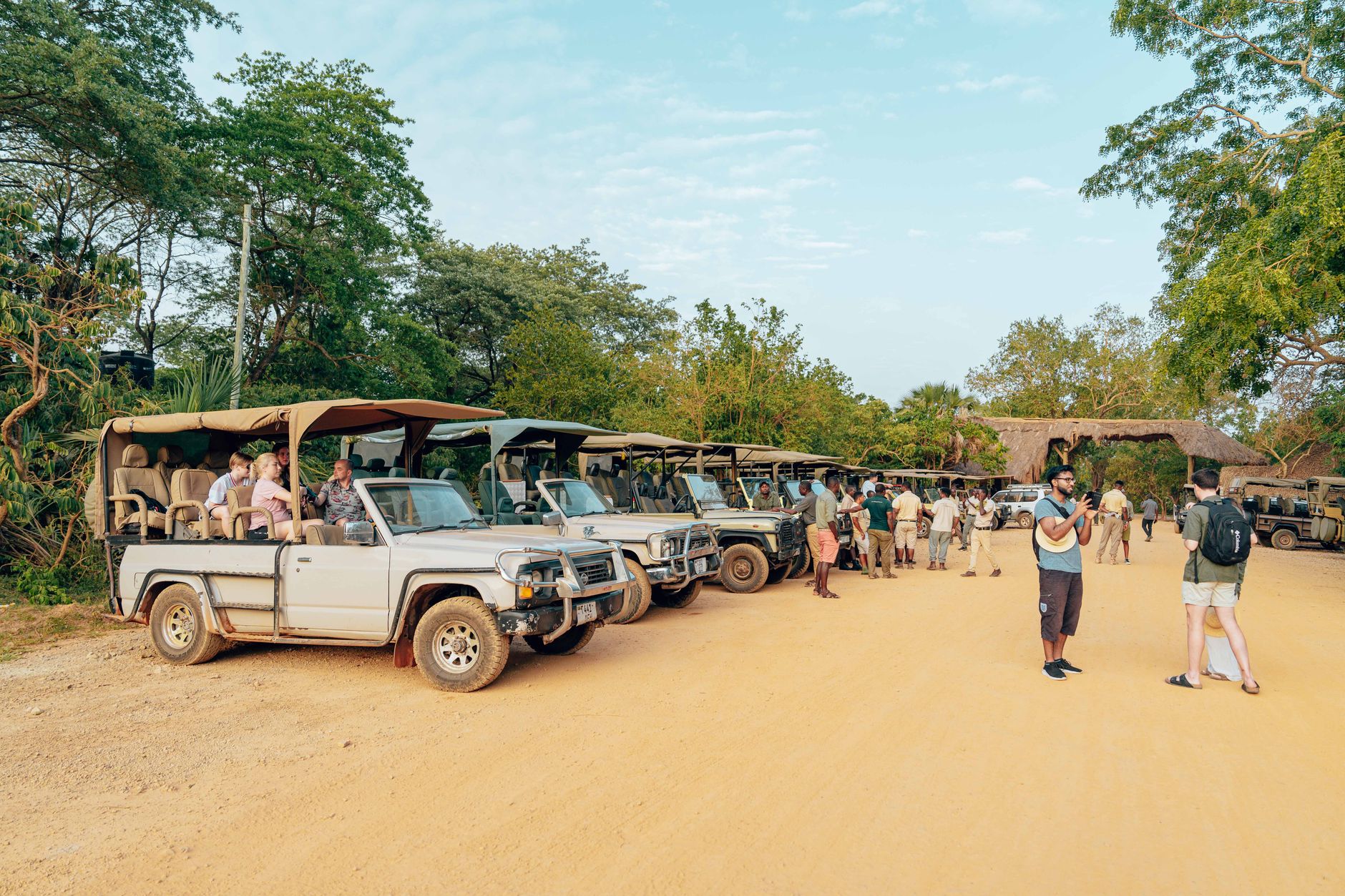
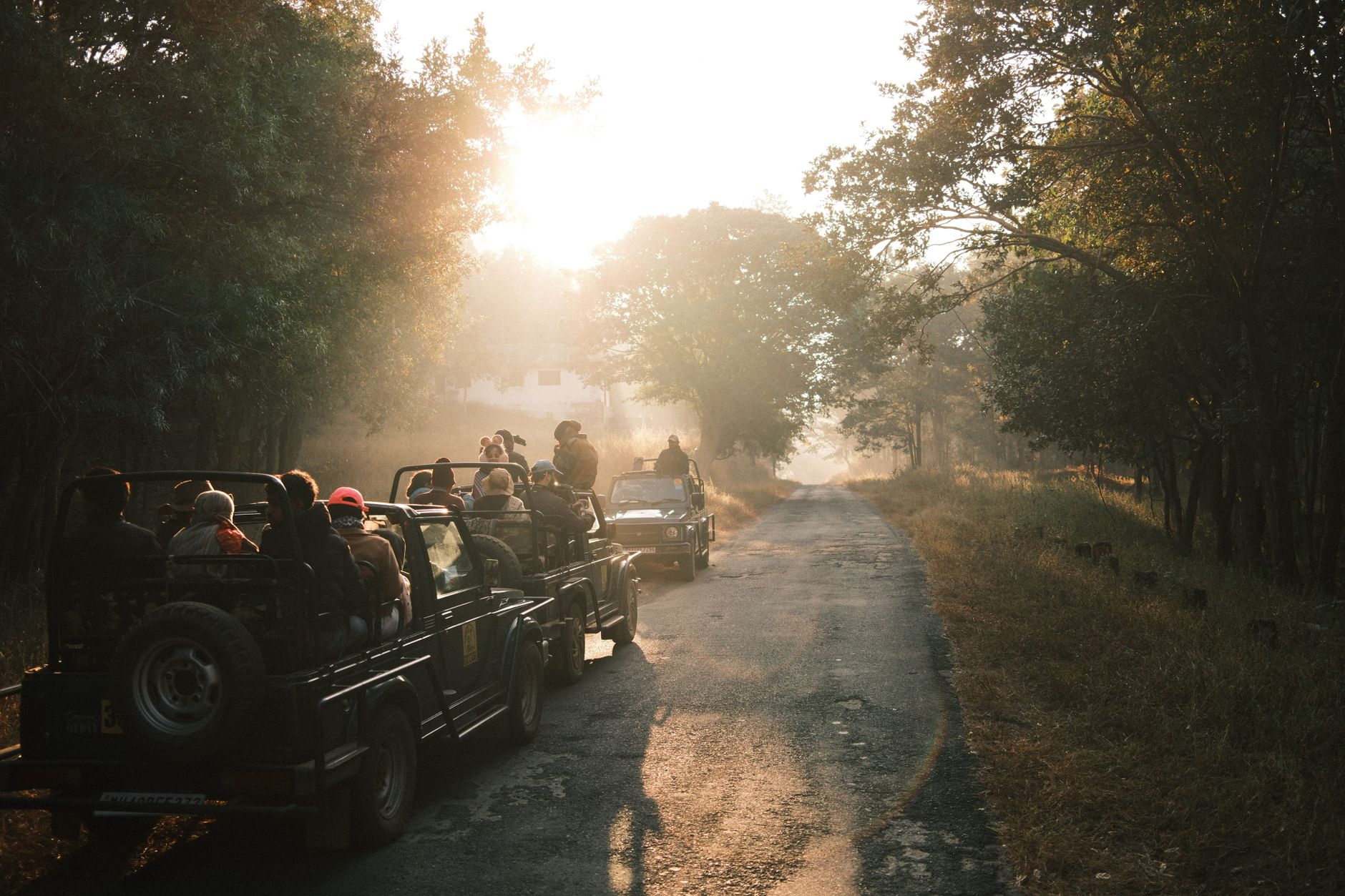
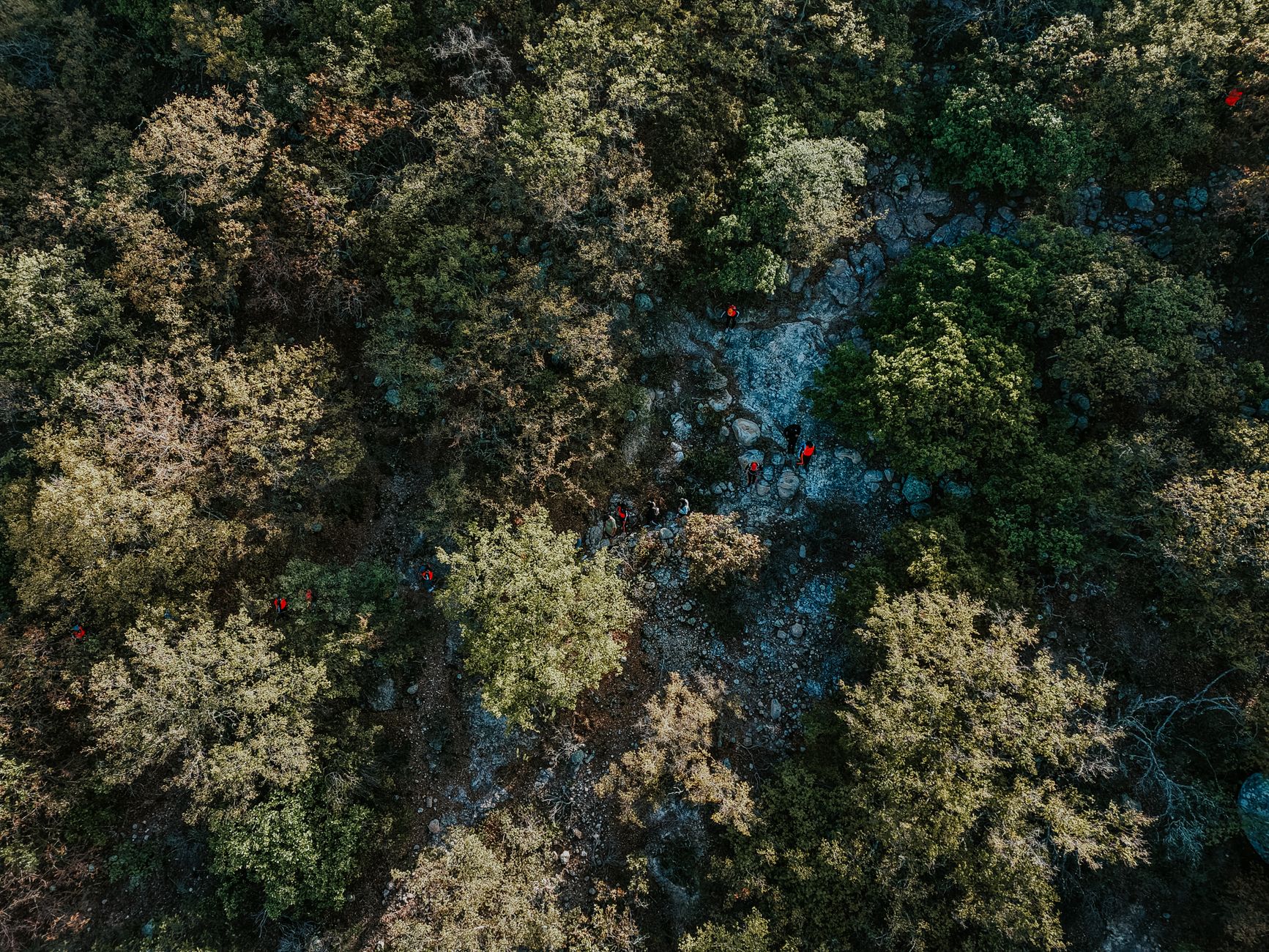
Kasanka is a small park by Zambian standards, covering around 390 square kilometres of miombo woodland, papyrus swamp and river floodplain in the country's central plateau. The absence of large predators means you can explore it on foot or by bicycle, which changes the texture of a safari entirely.
💛 What travellers fall for
People who come back tend to time it for late October or November, when the bats are in and the rains haven't yet made the tracks impassable. They book Wasa Lodge early — the verandah over the lake is the place to be at dusk — and they always say the same thing about the Fibwe hide: go up in the late afternoon and stay longer than you think you need to.
How Kasanka National Park came to be
The park was designated a game reserve in 1946 and gazetted as a national park in 1972, but by the 1980s poaching had reduced it to near silence. In 1985, a British former district officer named David Lloyd drove through and heard gunshots; he took that as evidence that something worth saving was still there. Lloyd and local commercial farmer Gareth Williams co-founded the Kasanka Trust in 1987, a non-profit that took over sole management of the park in 1990 — the first private-public partnership of its kind in Zambia.
Lloyd received an OBE in the 2002 Queen's Jubilee honours for the conservation work. The park's name comes from the Bemba, who called the river running through it kasanka — meaning harvesting place, or the place where animals gather.
Who and what shaped it
People who shaped it
Landmark buildings
See Kasanka National Park in motion
Plan your visit
On the map
When to go
The dry season (May to October) brings clear days around 20–25°C and cold nights that drop to 10°C, so pack a warm layer for early morning drives. The wet season (November to April) is hotter and humid, with afternoon thunderstorms from December onward making tracks progressively harder to navigate — beautiful, but logistically demanding.
Background & history adapted from Wikipedia (CC BY-SA) · specs from Wikidata (CC0) · weather from Open-Meteo · map data © OpenStreetMap contributors · photos from Wikimedia Commons / Unsplash with per-image credit. No third-party reviews or social posts reproduced.