
Kasane
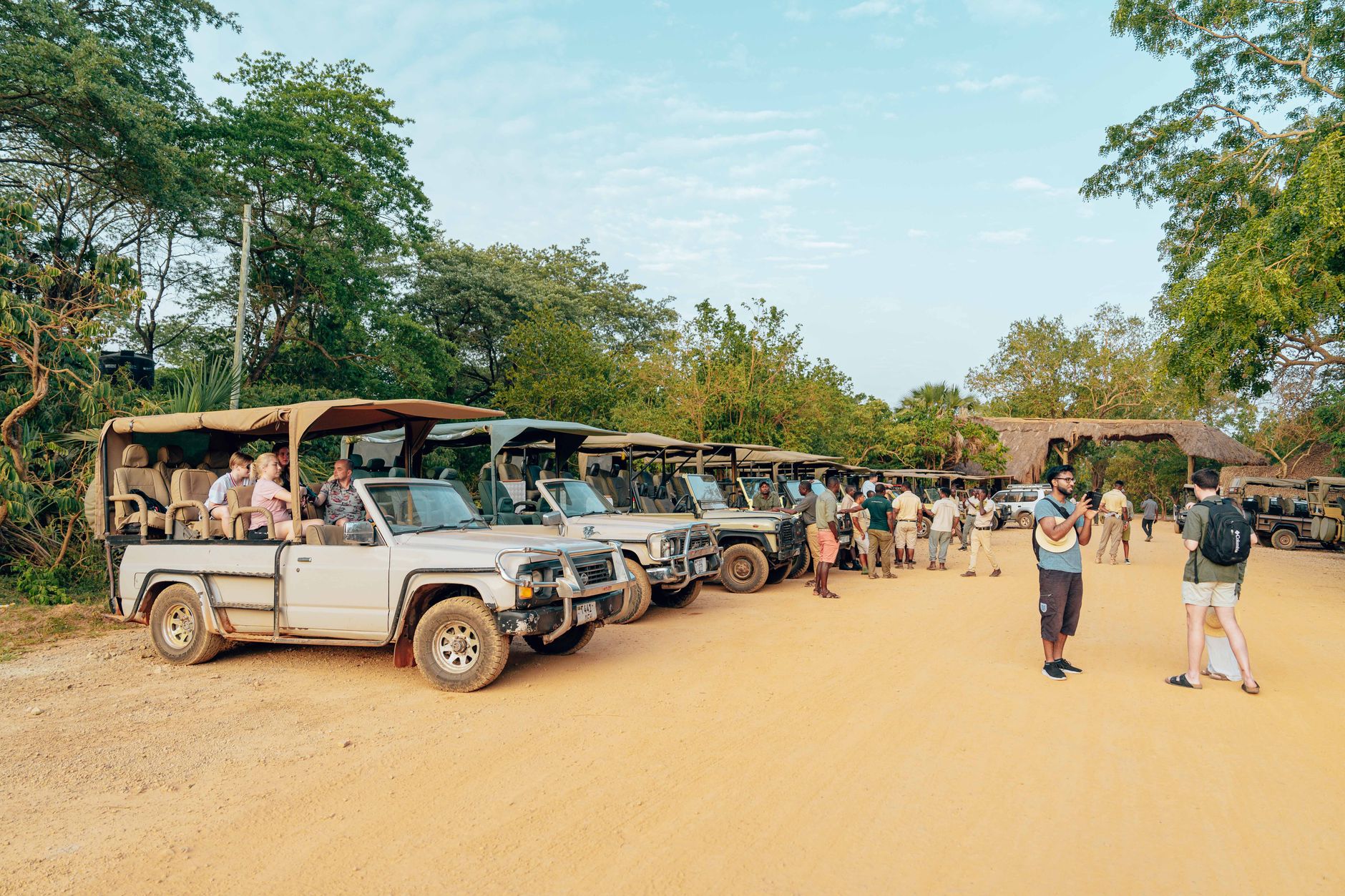

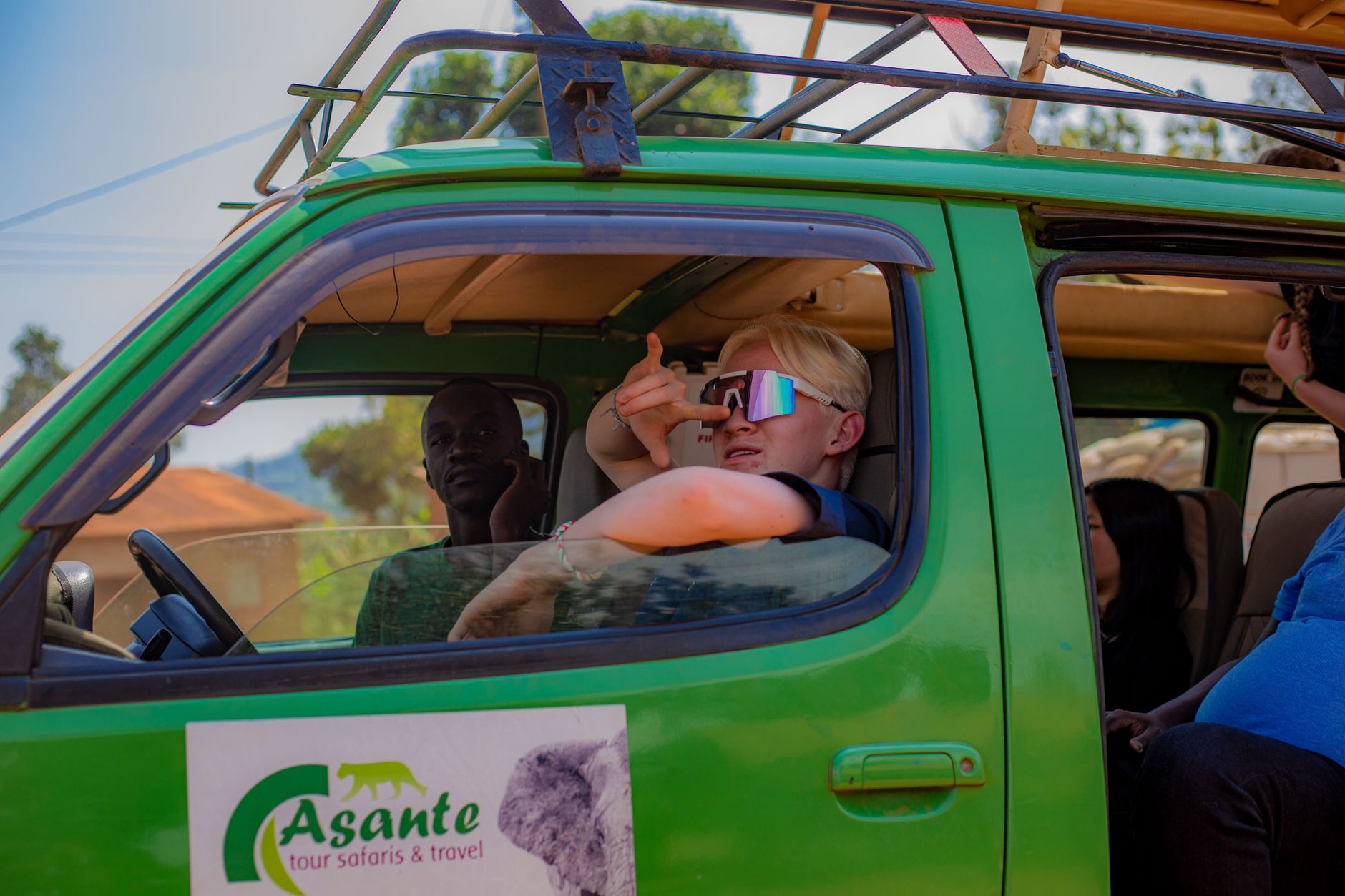
At Kasane, the boundary between town and wilderness is not a fence — it's a suggestion. Elephants cross the main road at their own pace, hippos graze through campsites after dark, and the Chobe River sits 200 to 300 metres wide at your edge, forming the border with Namibia's Caprivi Strip. This small town of fewer than ten thousand people sits at one of southern Africa's most consequential crossroads, where Botswana, Namibia, Zambia and Zimbabwe meet within a few kilometres of each other.
Kasane functions as the gateway to Chobe National Park, ten kilometres away, and to Victoria Falls, eighty kilometres east. Most travellers pass through on a larger circuit, but the town holds its own texture — a river festival, a snake park, geothermal springs in the Nyungwe Valley, and a hollow baobab near the police station with a colonial history darker than its shade.
How Kasane came to be
Kasane began as a settlement of the BaSubiya people and takes its name, by most accounts, from a local chieftain who governed the territory. It formalised into an administrative centre in 1921, during the British Bechuanaland Protectorate, when the area served as a border post for trade and labour migration. Teak harvesting drove the early colonial economy.
The town's modern profile was shaped in part by Ian Khama, Botswana's fourth president, whose conservation policies — including a total ban on trophy hunting — helped make the Chobe region home to one of the world's largest elephant populations. In 2021, the opening of the Kazungula Bridge replaced a slow ferry crossing and drew Kasane into a major north-south trade corridor. A stranger footnote: in 1975, Elizabeth Taylor and Richard Burton chose Chobe Game Lodge for their remarriage, briefly training international press on this stretch of river.
Who and what shaped it
People who shaped it
Landmark buildings
See Kasane in motion
Plan your visit
On the map
When to go
The dry season, May through September, brings no rain and temperatures ranging from cool mornings in July (around 17°C) to warm October afternoons that can reach 37°C. The wet season, November through March, is hot and humid with heavy January rains — and heightened malaria risk.
Right now
Background & history adapted from Wikipedia (CC BY-SA) · specs from Wikidata (CC0) · weather from Open-Meteo · map data © OpenStreetMap contributors · photos from Wikimedia Commons / Unsplash with per-image credit. No third-party reviews or social posts reproduced.