
Kadoma

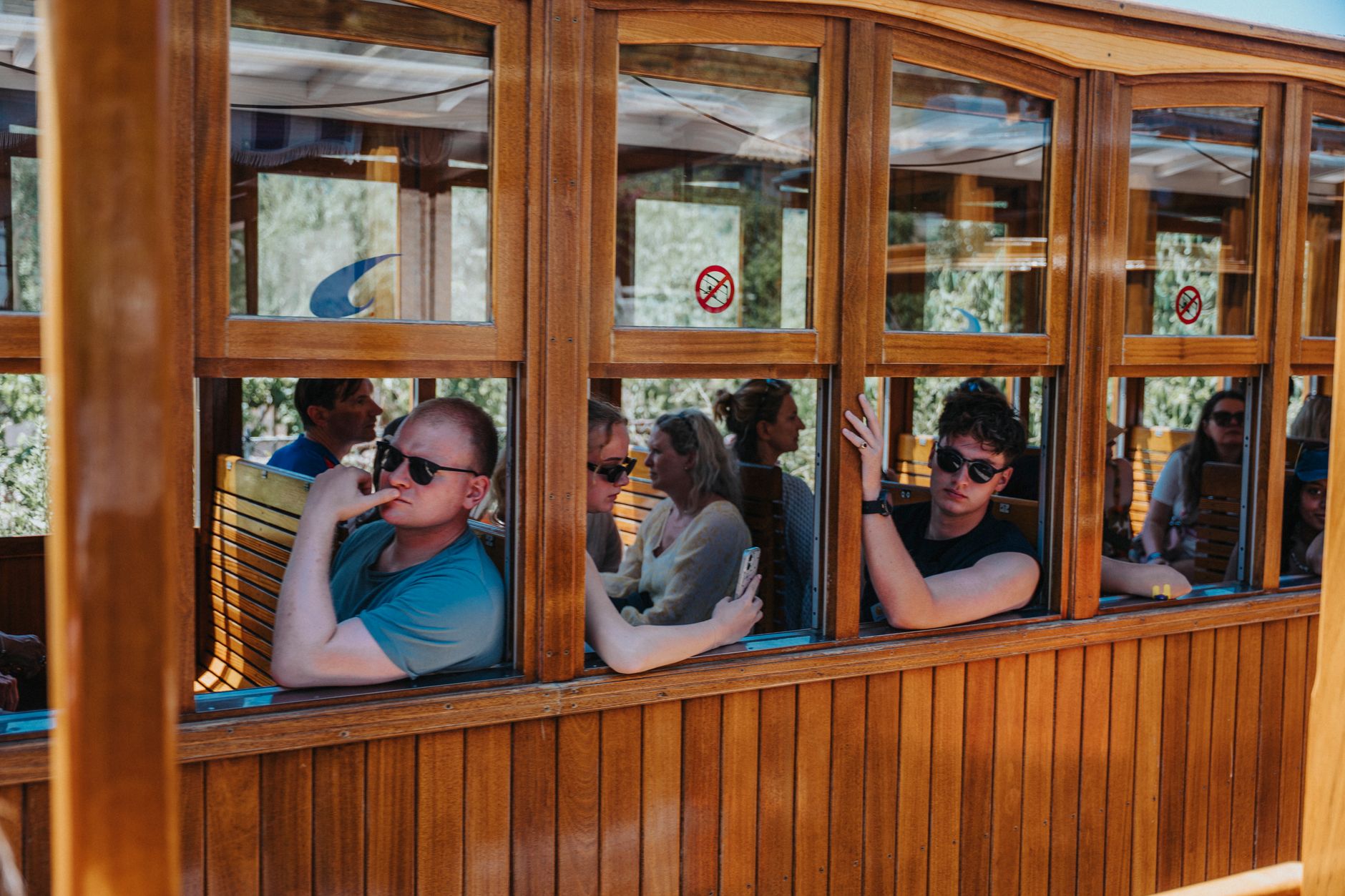
The thing most people know about Kadoma, if they know anything at all, is that Panasonic was born here. What they don't know is that the ground beneath the city was, several thousand years ago, the floor of a bay — and that lotus roots pulled from its former wetlands are still considered among the finest in Osaka Prefecture.
Kadoma sits a short Keihan train ride northeast of central Osaka, compact enough to cross in under five kilometres, and it carries the particular texture of a place that shaped modern Japan quietly, from the factory floor outward. The Furukawa River runs through the city centre; the streets around it are ordinary and unhurried in the way that commuter cities often are.
💛 What travellers fall for
People who come back tend to make a point of eating at Nakanishi Farm's restaurant — a four-generation lotus-root operation that takes the vegetable more seriously than you'd expect anyone to. The 700-year-old camphor trees at Shimagasira Tenmangu are also worth more than a glance; stand under them long enough and the scale of the place shifts.
Deals in Kadoma
Book directly at the provider


How Kadoma came to be
The land under Kadoma was submerged beneath Kawachi Bay in the Jōmon period. By the Yayoi period the bay had silted into a lake, and settlements gathered on its shores. Emperor Nintoku — recorded in both the Kojiki and Nihon Shoki — ordered the first embankment works on the Yodo River here, the earliest such flood-control project in Japanese history. Through the Heian period the area became shōen estate land; by the Edo period its closeness to Kyoto and Osaka made it strategically valuable enough to be held as tenryō, direct Tokugawa shogunate territory.
The modern city was officially founded on August 1, 1963, though its railway link to Osaka dates to 1909. Heavy wartime bombing was followed by rapid reconstruction around textiles, machinery, and electronics — the last of which would define Kadoma when Konosuke Matsushita built what became Panasonic into a global company, with its roots and its history museum still anchored in this city.
Who and what shaped it
People who shaped it
Landmark buildings
See Kadoma in motion
Plan your visit
On the map
When to go
Summers run genuinely hot and humid — August averages 27.7°C — while winters are cool but rarely severe, with only light snow possible around February. Spring is the most visited season; September brings the heaviest rainfall.
Right now
Background & history adapted from Wikipedia (CC BY-SA) · specs from Wikidata (CC0) · weather from Open-Meteo · map data © OpenStreetMap contributors · photos from Wikimedia Commons / Unsplash with per-image credit. No third-party reviews or social posts reproduced.