
Jungmun
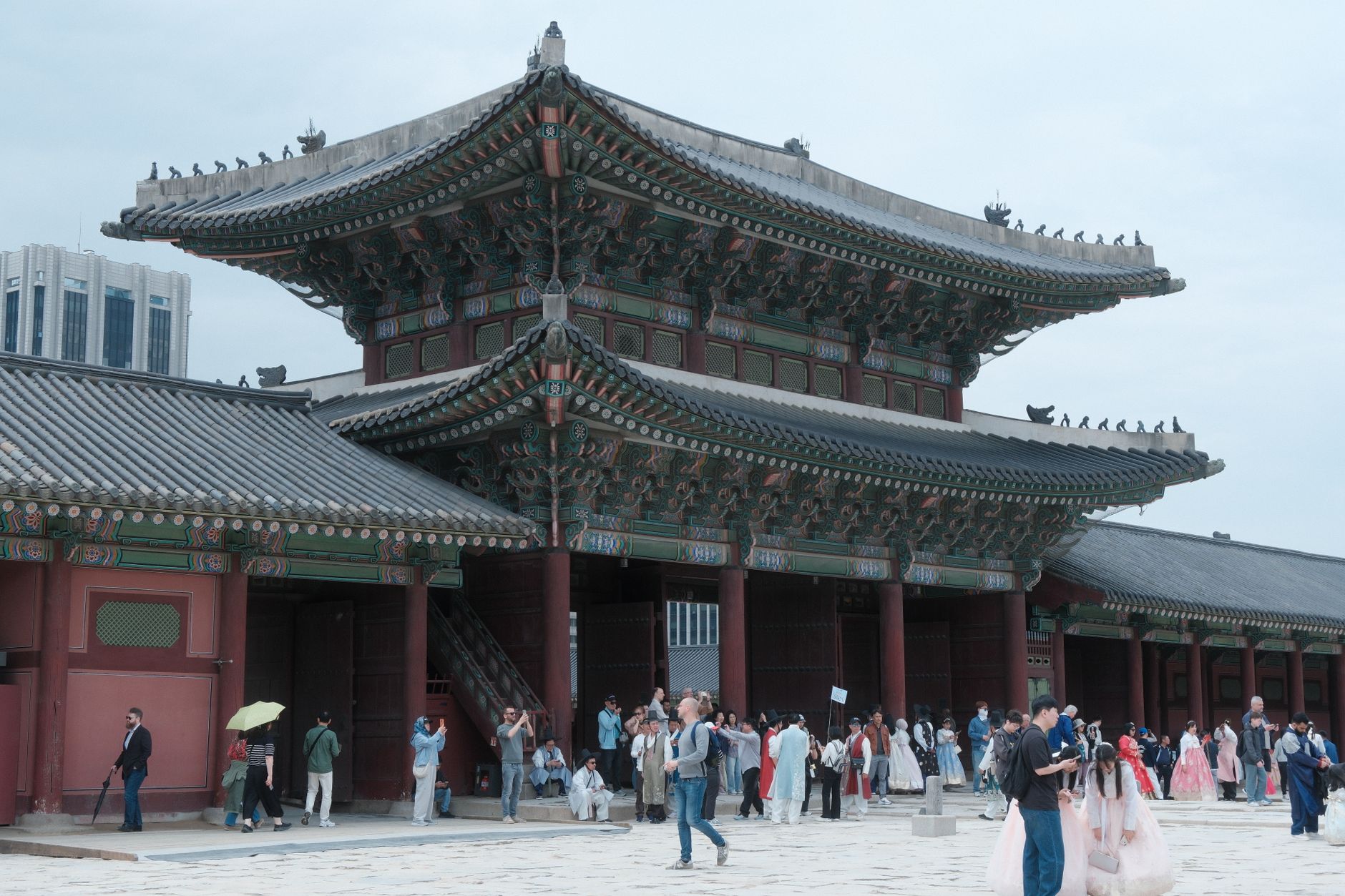
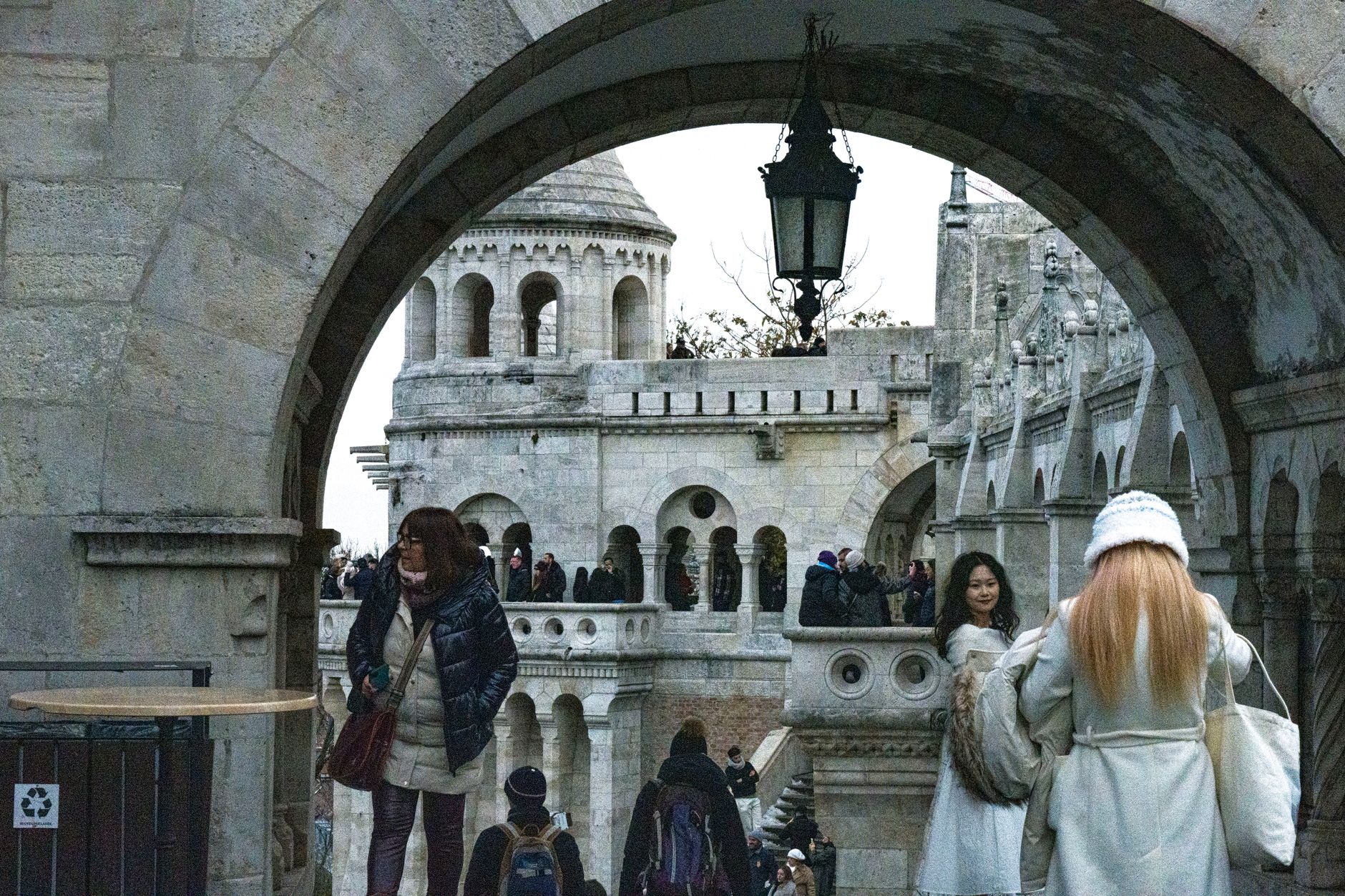
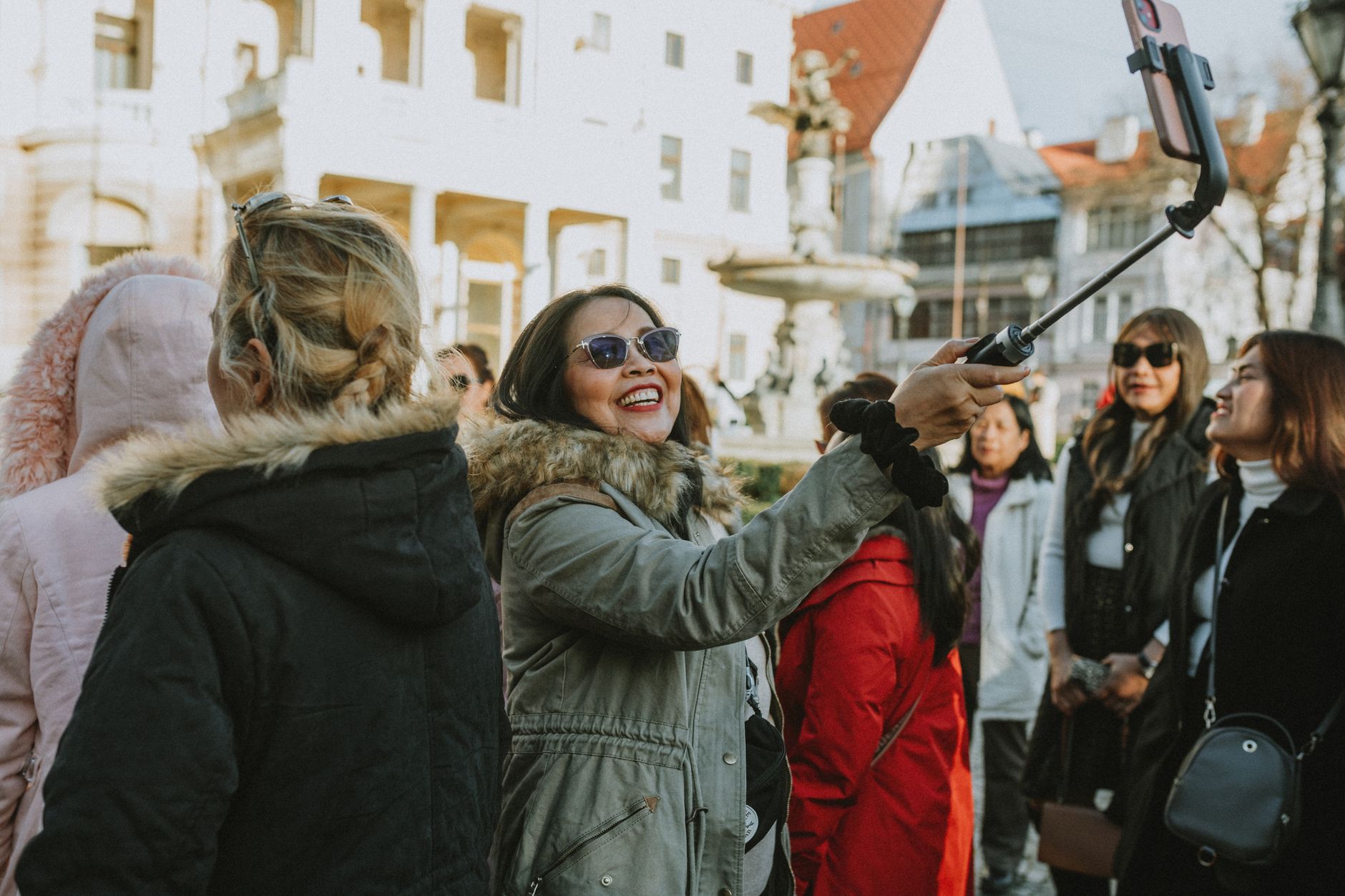
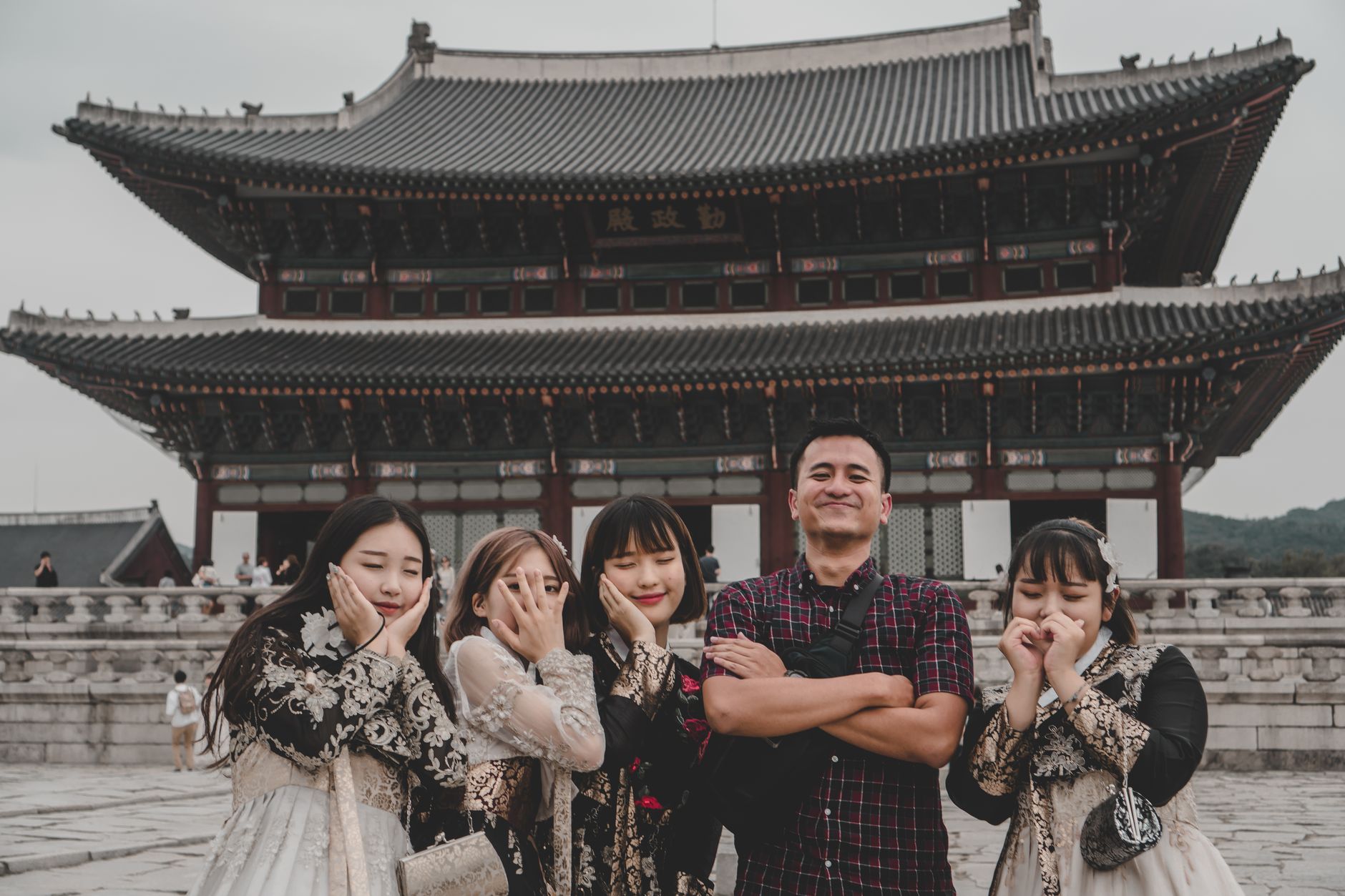
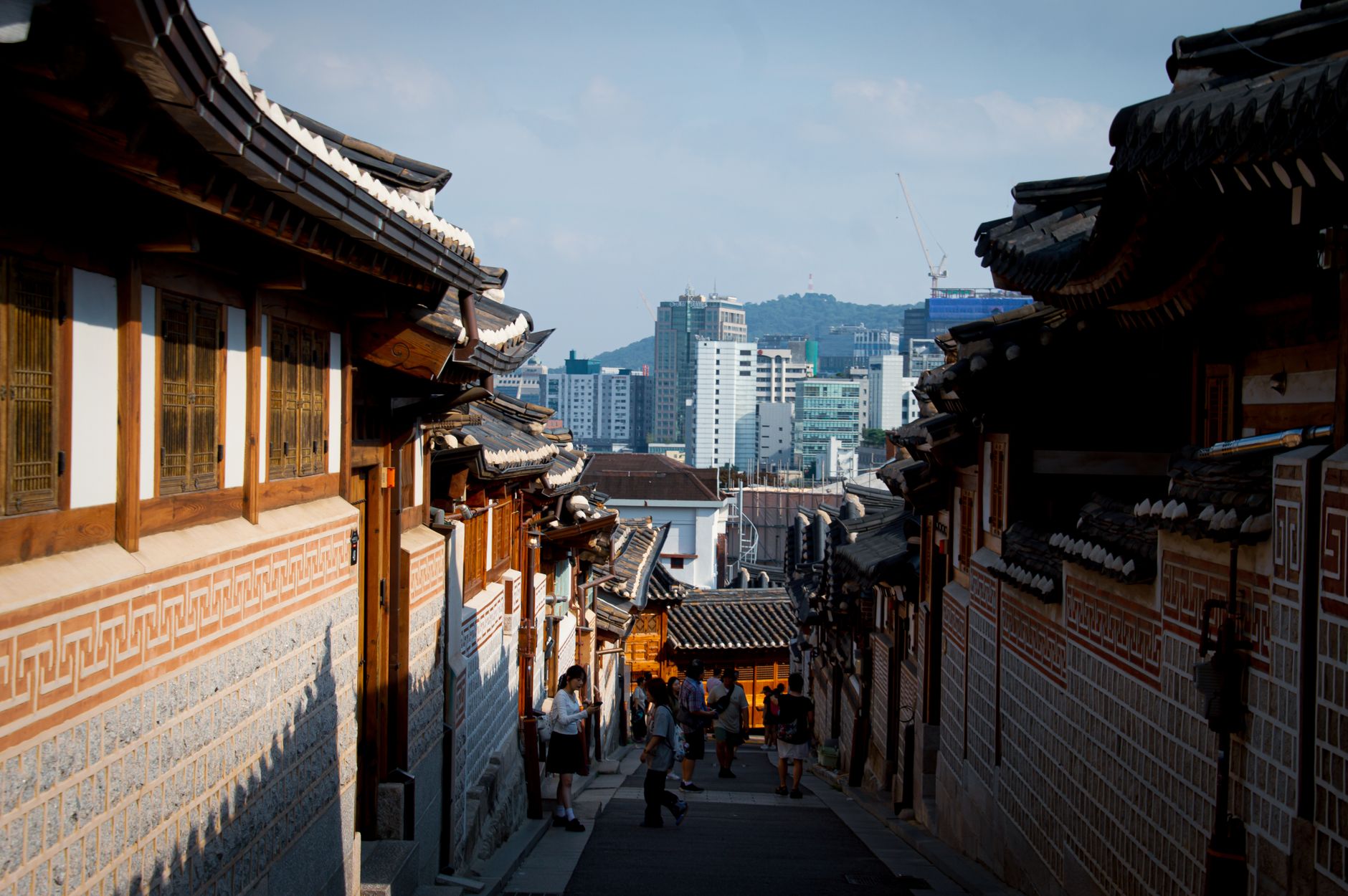
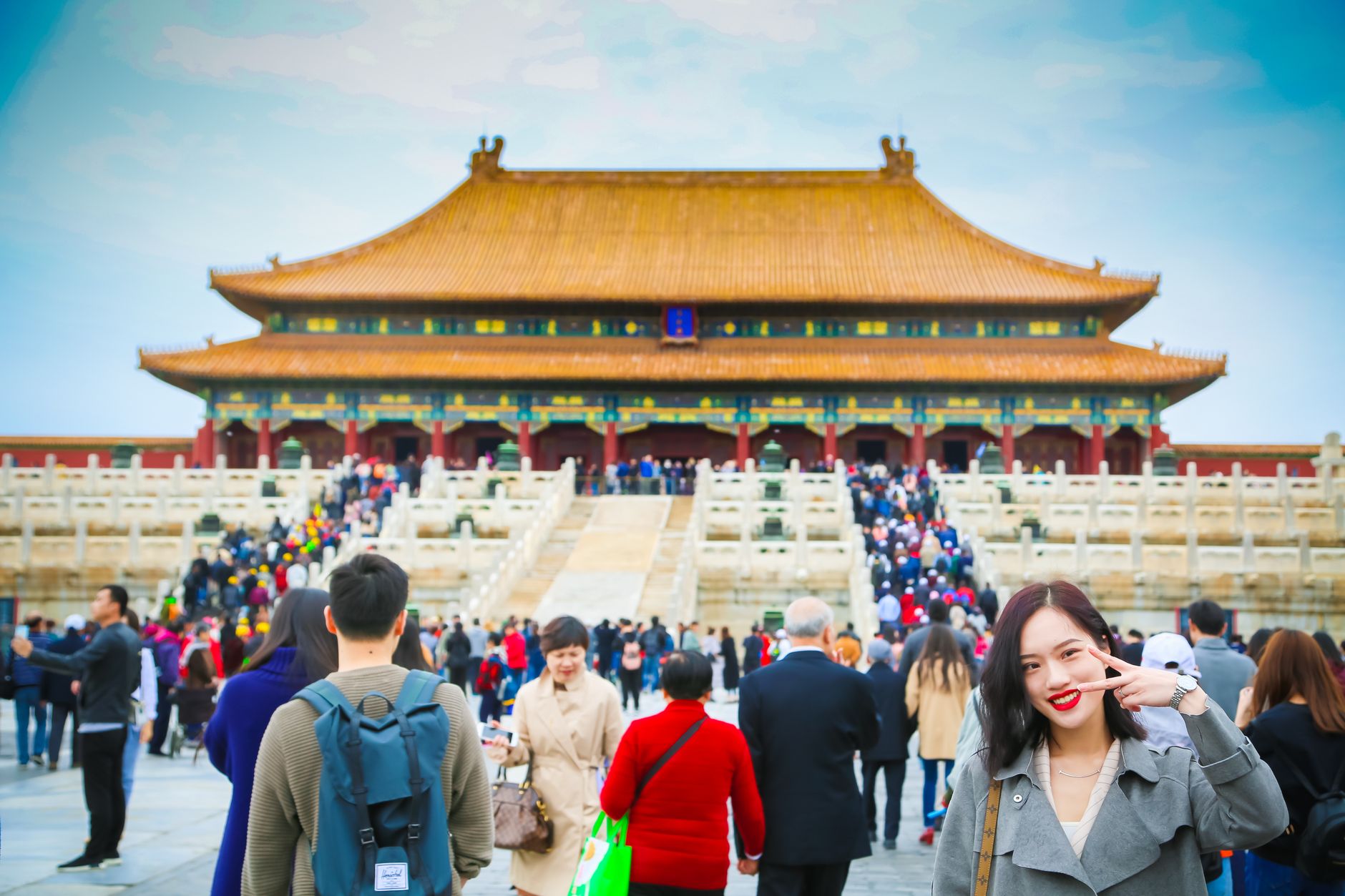
The sand at Jungmun Saekdal Beach does something unusual: it clings to your skin long after you've dried off, a fine, sticky texture that makes the beach feel like it's following you home. That small, strange detail says something about Jungmun — a purpose-built resort complex on Jeju Island's southern coast where the designed and the genuinely wild sit closer together than you'd expect.
Established in 1978 as a concentrated zone for tourism, Jungmun has the bones of a planned destination — major hotel chains, a golf club, a convention center — but Cheonjeyeon Falls moves through subtropical forest regardless, and the hexagonal basalt columns of Jusangjeolli Cliff were stacked by lava, not planners.
💛 What travellers fall for
People who come back tend to mention the Eungdeungmul Valley in spring, when rape flowers cover the slopes and entry is free — a three-dimensional version of what you pay to see elsewhere on Jeju. They also mention timing Jusangjeolli Cliff for late afternoon, when the light hits the columns at an angle that makes the geometry look almost deliberate.
Deals in Jungmun
Book directly at the provider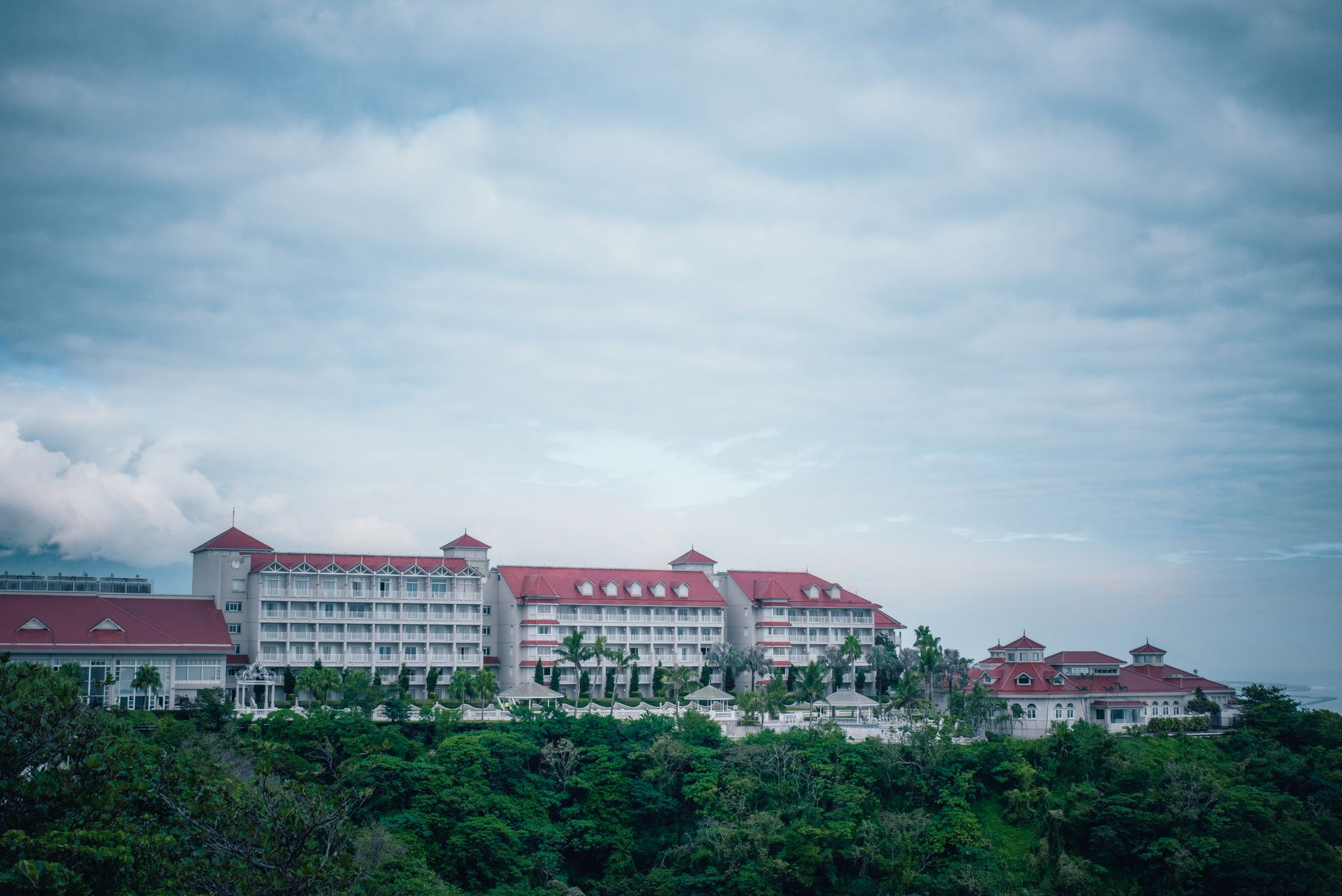


How Jungmun came to be
Before 1978, Jungmun was a quieter stretch of Jeju's southern coast, part of Jungmun-myeon township. The South Korean government designated it for large-scale tourism development that year, and the transformation was structural as well as physical: by 1981, the development had reorganized local administrative boundaries, folding Seogwi township and Jungmun-myeon together into the city of Seogwipo.
What grew from that planning decision was a cluster of international hotels, leisure facilities, and cultural institutions that now reads like a deliberate cross-section of 1980s and 1990s Korean tourism ambition — convention centers, a botanical garden, a golf club — arranged around coastline that was already doing its own thing long before anyone drew up blueprints.
Who and what shaped it
Landmark buildings
See Jungmun in motion
Plan your visit
On the map
When to go
Spring brings the most photogenic version of Jungmun — canola flowers, full waterfalls, manageable crowds — while autumn offers cooler air and October averages around 18°C. Summer is hot, genuinely humid, and rainy, with August averaging 270mm of rainfall; the beach is warm but the weather is not always cooperative.
Right now
Background & history adapted from Wikipedia (CC BY-SA) · specs from Wikidata (CC0) · weather from Open-Meteo · map data © OpenStreetMap contributors · photos from Wikimedia Commons / Unsplash with per-image credit. No third-party reviews or social posts reproduced.