
Johor Bahru
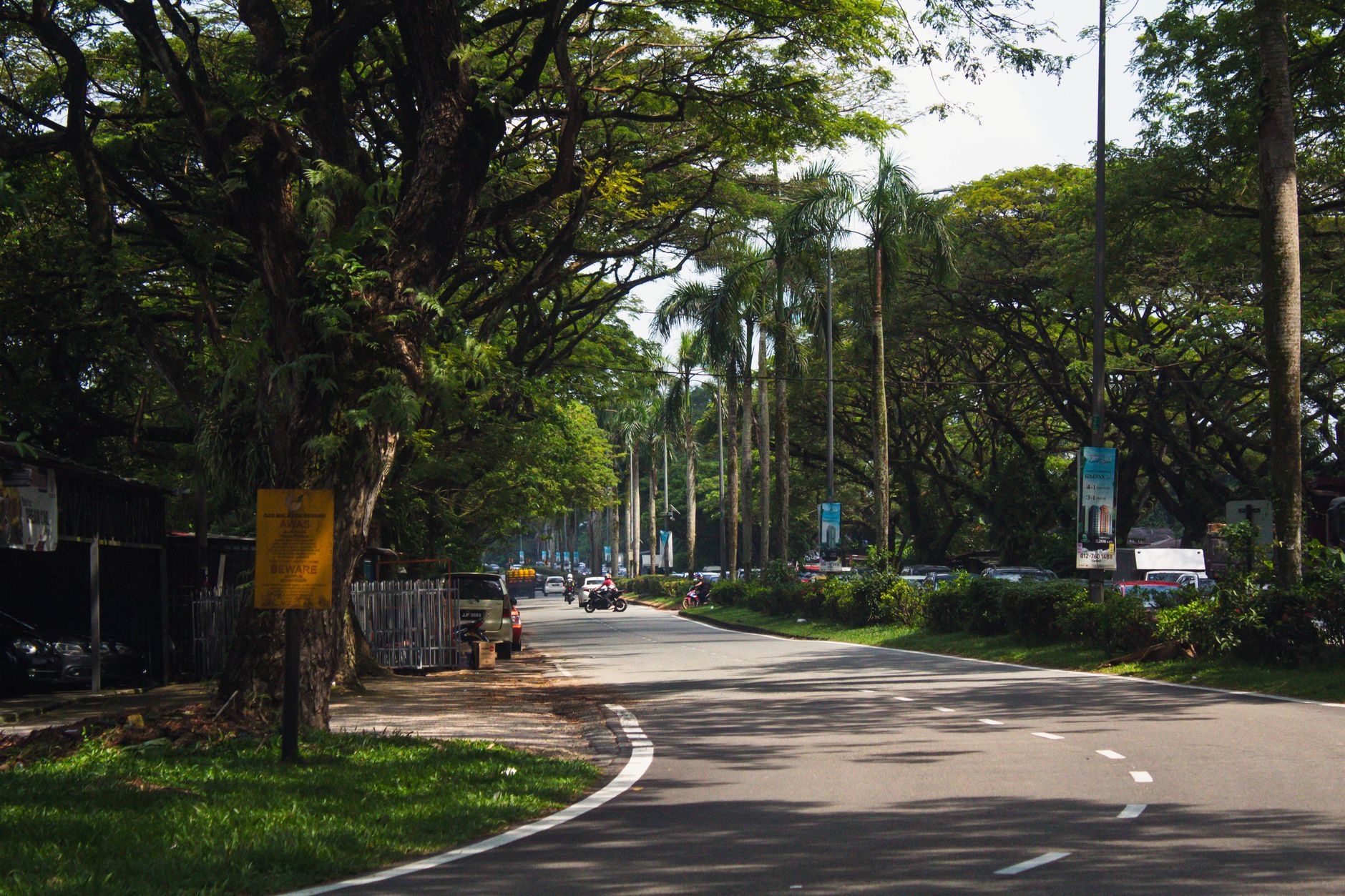
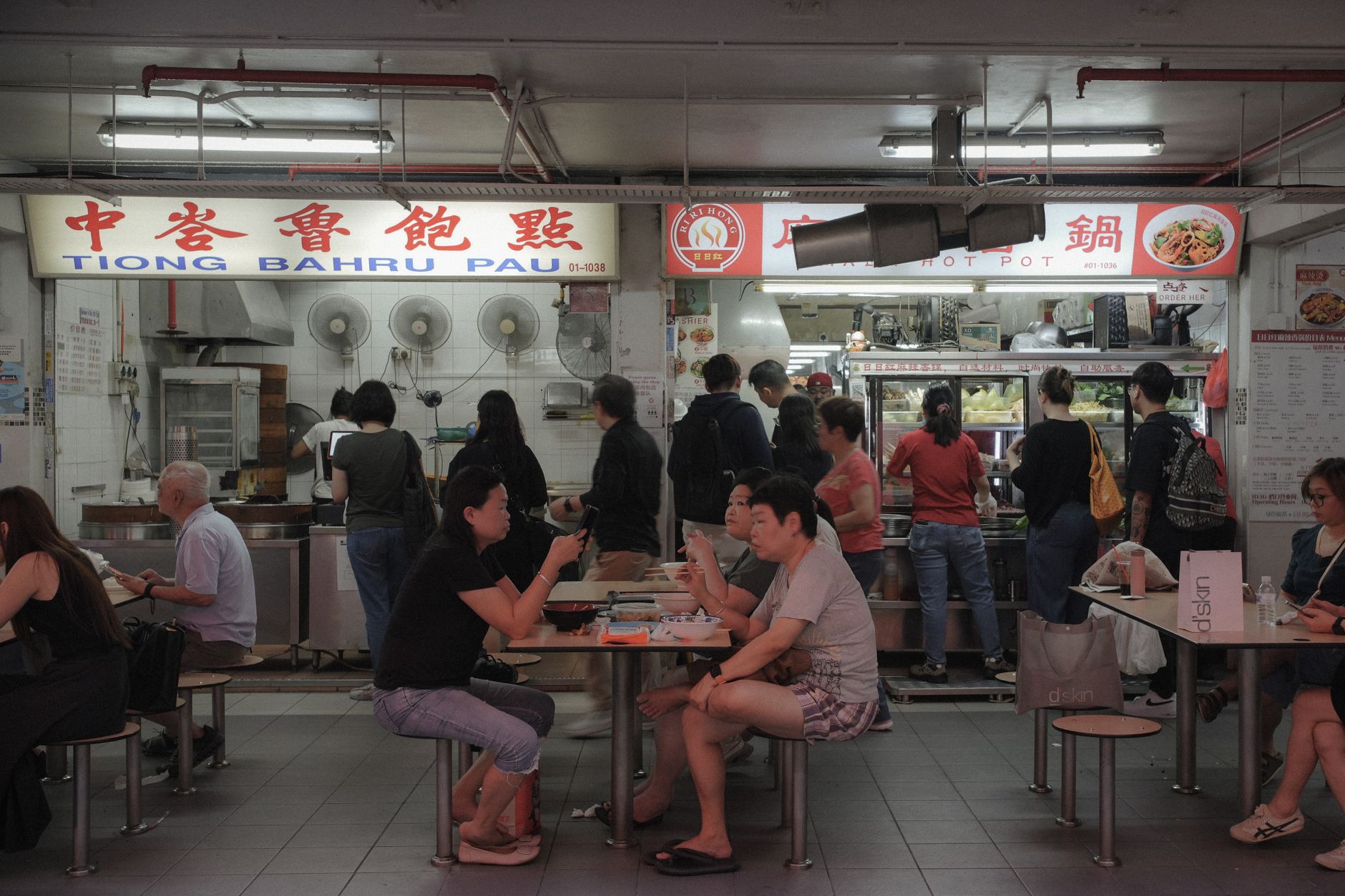
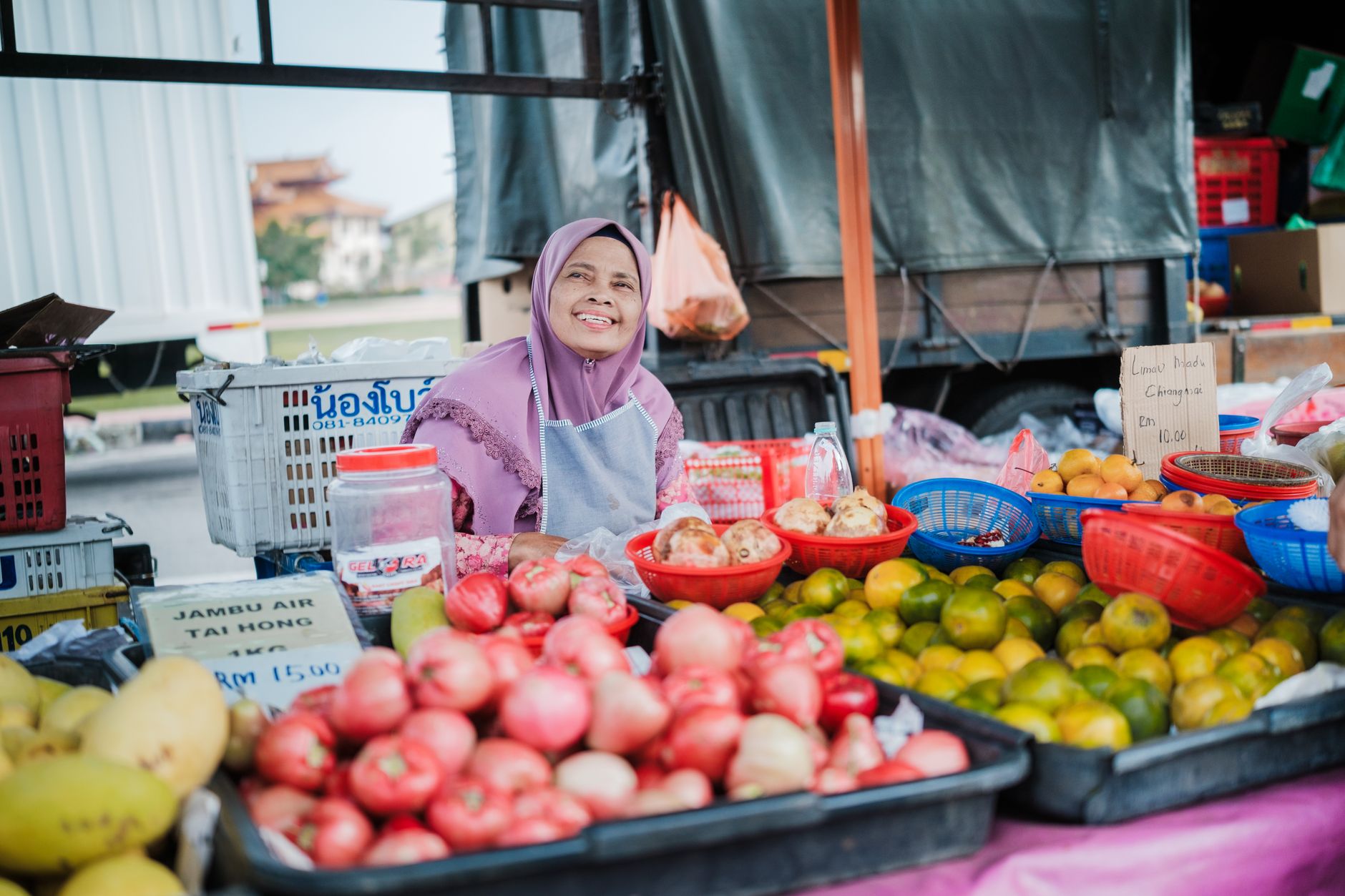
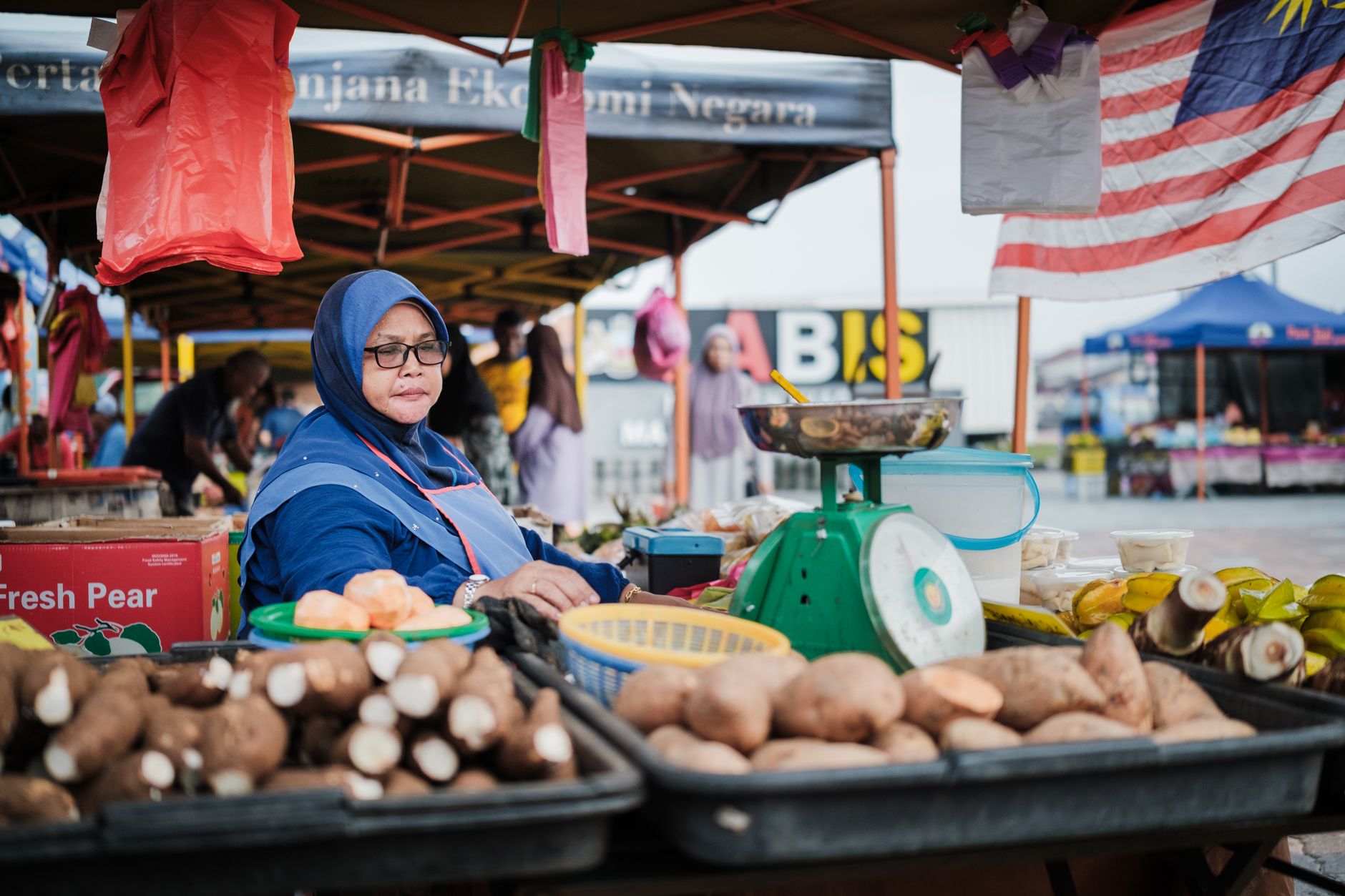
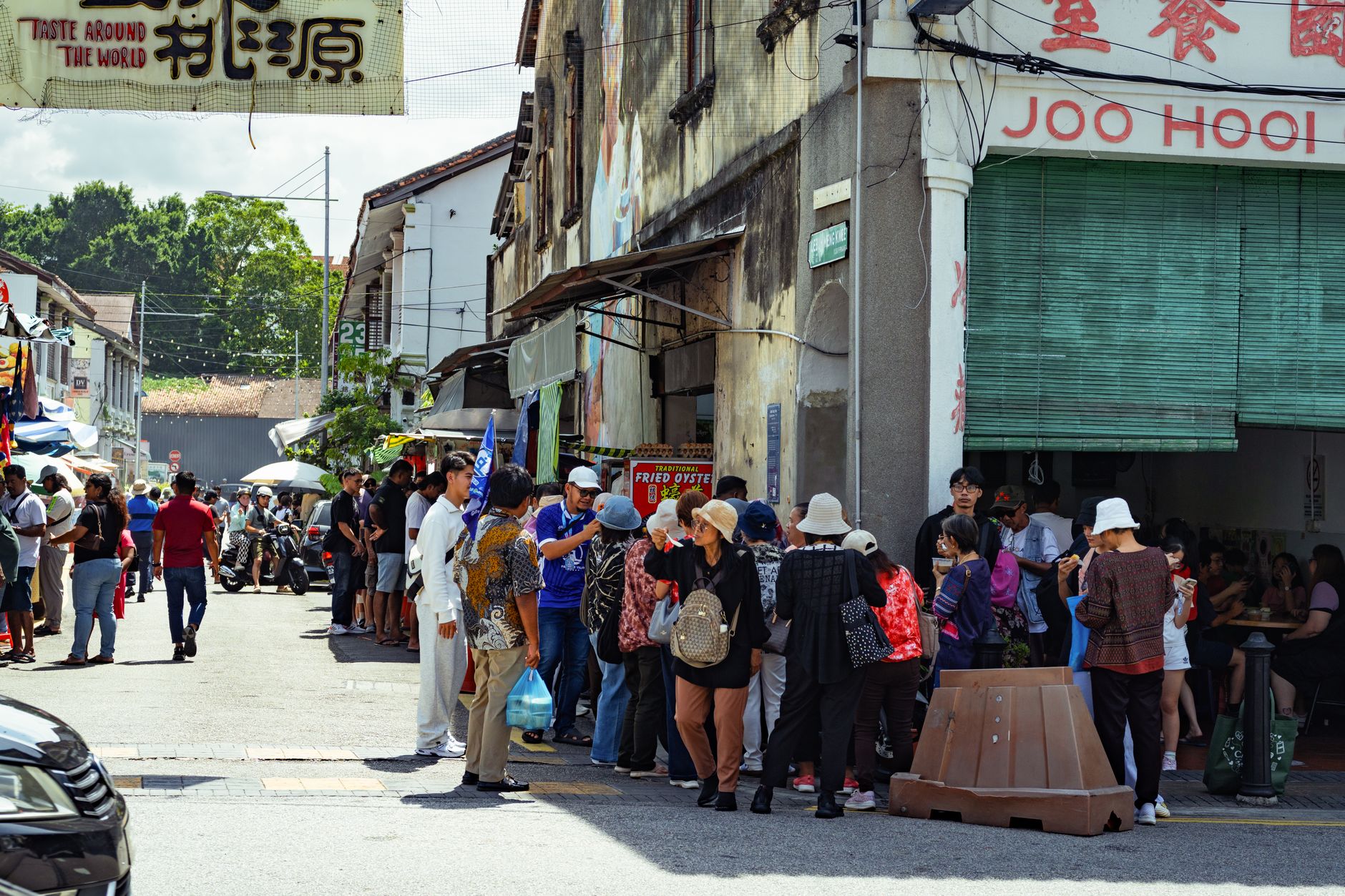
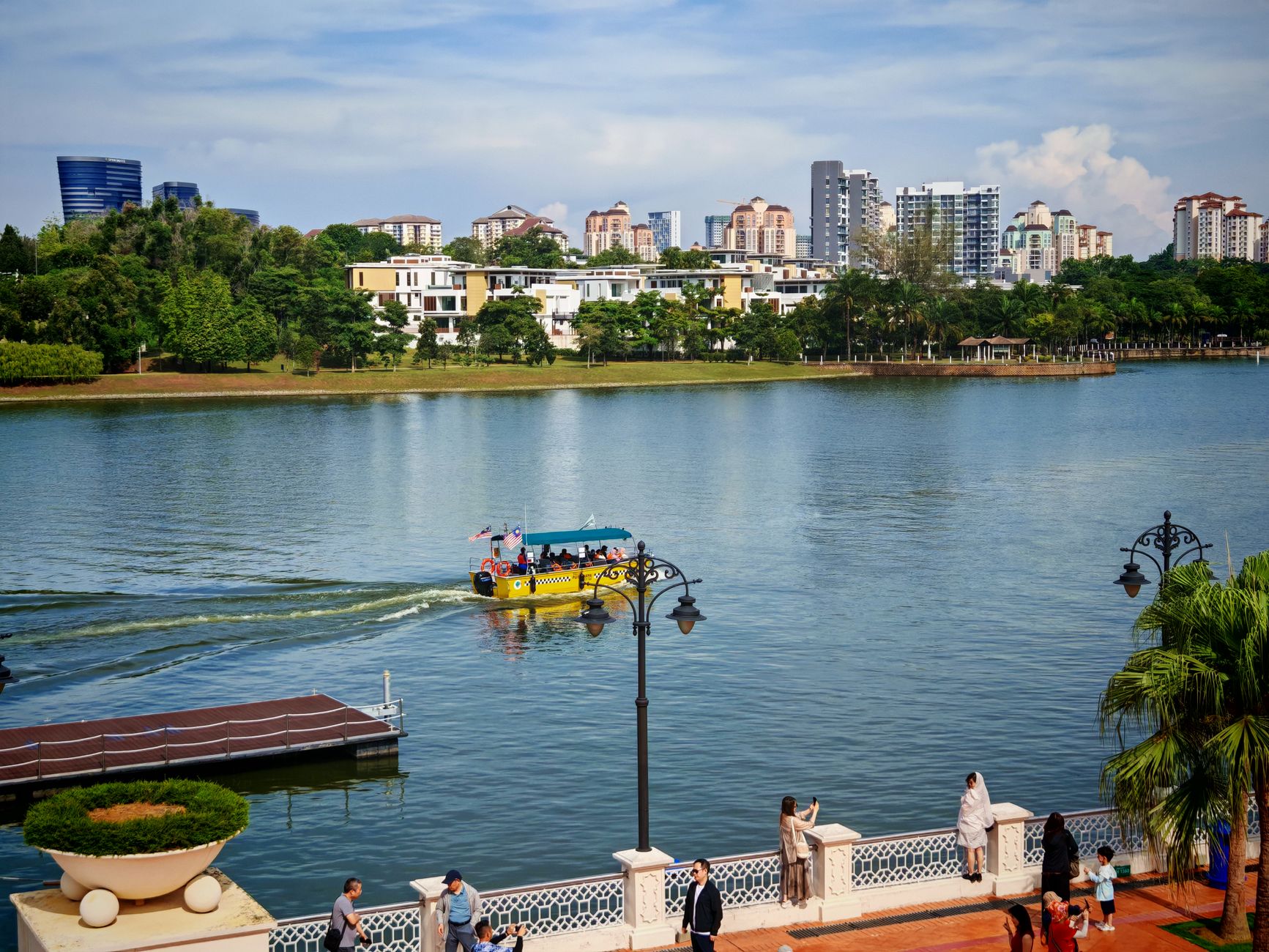
Johor Bahru sits at the southern tip of the Malaysian peninsula, separated from Singapore by a narrow strait and connected to it by a causeway that has, since 1924, made this city one of the most crossed land borders on earth. That proximity shapes everything here — the food stalls that draw Singaporeans north on weekends, the ringgit-friendly prices, the layered Chinese, Malay and Indian neighbourhoods that predate the modern border entirely.
The city rewards a slower look than most visitors give it. A Victorian-Moorish mosque on the waterfront, a temple whose interior is tiled in 300,000 pieces of coloured glass, a former railway station turned into Malaysia's first railway museum — these are not footnotes to a Singapore trip.
💛 What travellers fall for
People who come back tend to time it around the Chingay parade, when the Five Patron Deities are carried through the city centre from the Old Chinese Temple. Outside of that, regulars head to the Jalan Wong Ah Fook area for breakfast, cross into the old quarter on foot, and use JB Sentral as a base rather than a pass-through.
How Johor Bahru came to be
Johor Bahru began in 1855 as a modest Malay settlement called Tanjung Puteri, founded by Temenggong Daeng Ibrahim. It was his successor, Sultan Abu Bakar, who moved the sultanate's capital here in 1866, renamed it Johor Bahru — 'New Johor' — and set about building a modern city. The Istana Besar palace went up along the waterfront that same year, constructed with the help of Chinese entrepreneur Wong Ah Fook, who would go on to shape much of the city's early urban fabric.
The Johor–Singapore Causeway, completed in 1924, rewired the city's economy almost immediately. Japanese forces occupied JB from 1942 to 1945, using the Sultan Ibrahim Building — then newly finished — as their regional headquarters. The city formally received bandaraya status on 1 January 1994, and the Iskandar Malaysia economic zone, launched in 2006, has driven much of its recent growth.
Who and what shaped it
People who shaped it
Landmark buildings
See Johor Bahru in motion
Plan your visit
On the map
When to go
Johor Bahru sits in a tropical rainforest climate with temperatures holding between roughly 30–33°C year-round and rain arriving at any month. The northeast monsoon brings heavier downpours between November and January, but showers are typically short; carrying a light rain layer is more useful than planning around a dry season.
Right now
Background & history adapted from Wikipedia (CC BY-SA) · specs from Wikidata (CC0) · weather from Open-Meteo · map data © OpenStreetMap contributors · photos from Wikimedia Commons / Unsplash with per-image credit. No third-party reviews or social posts reproduced.