
Jerez de la Frontera
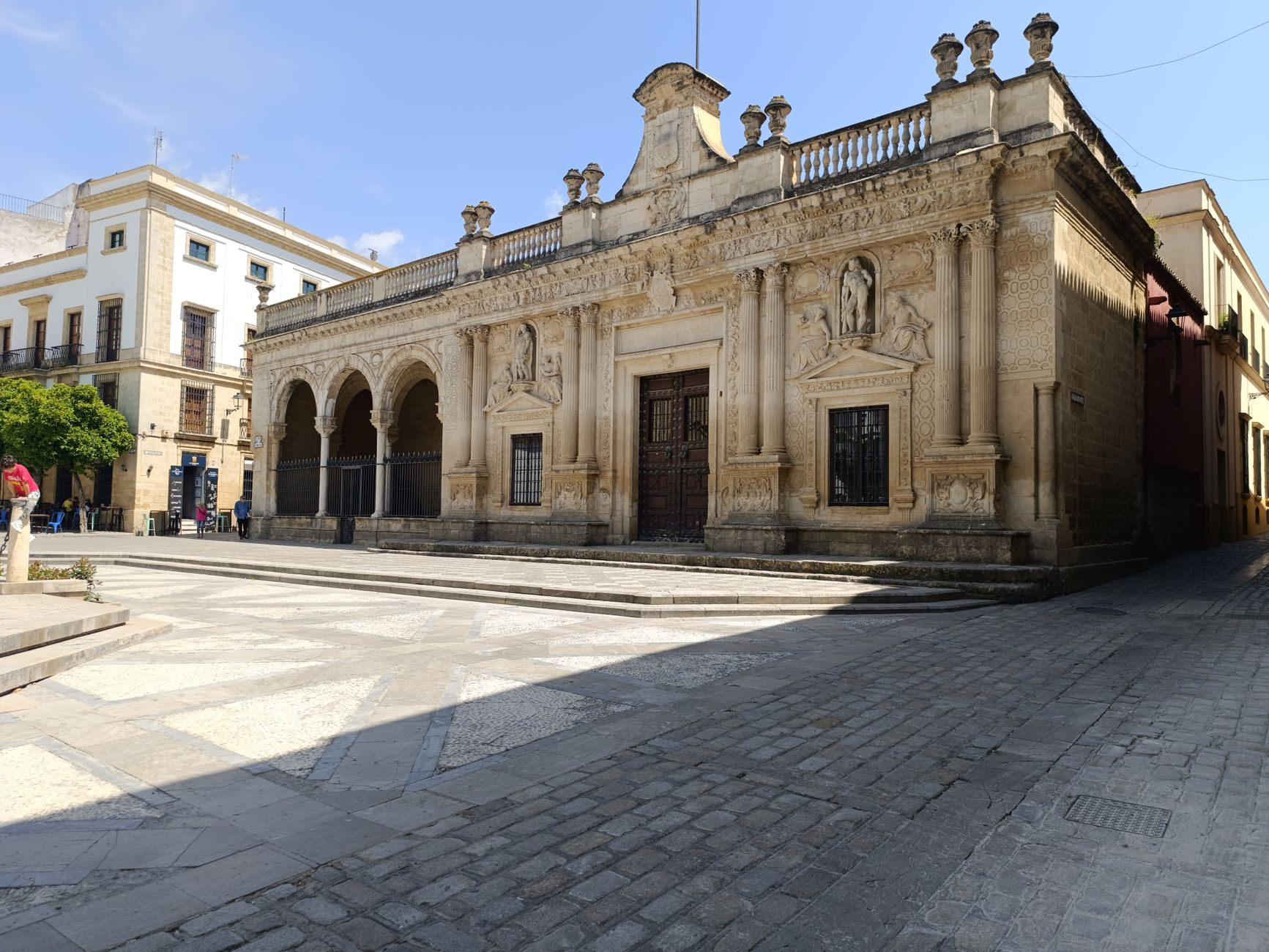
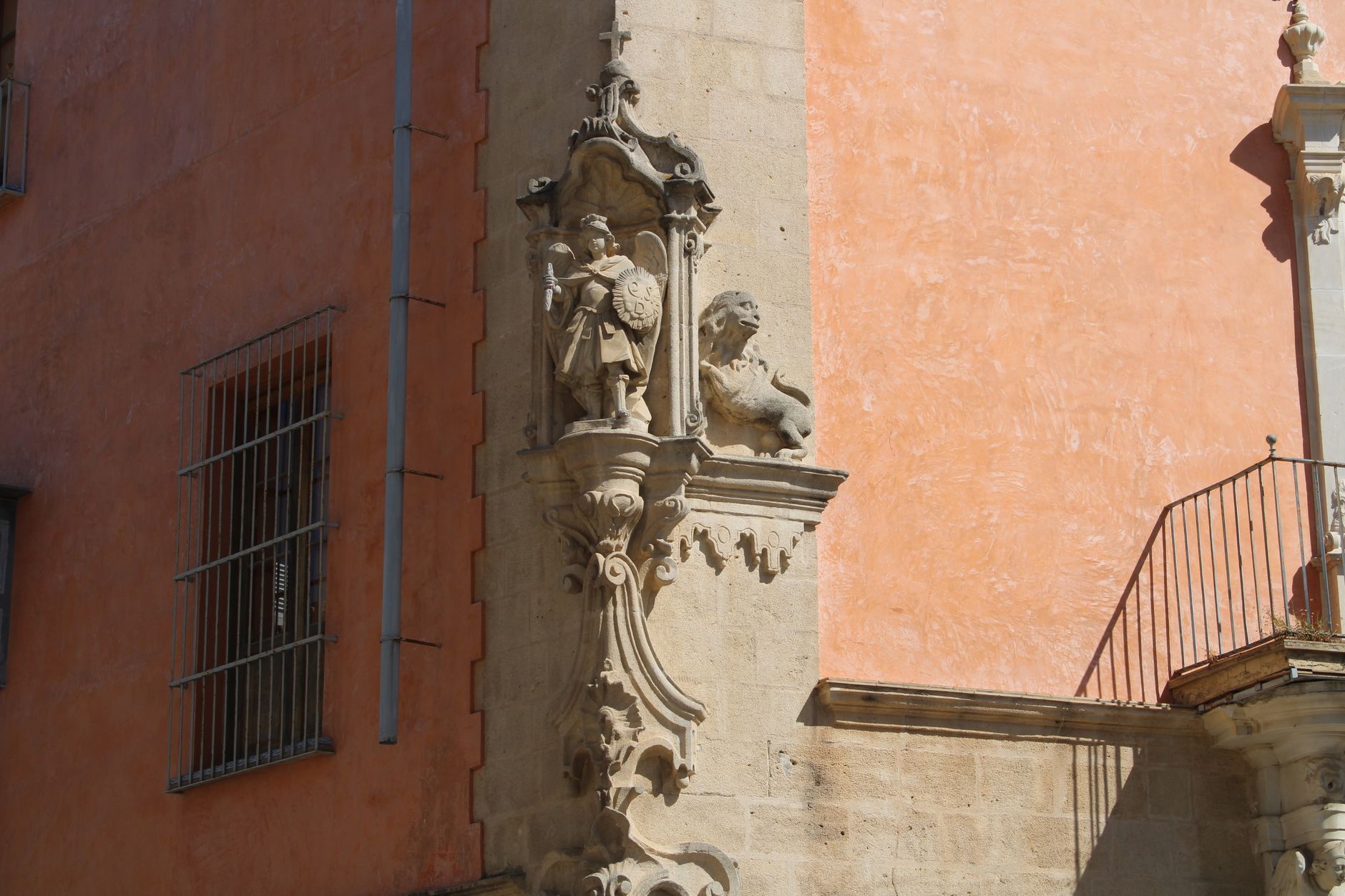
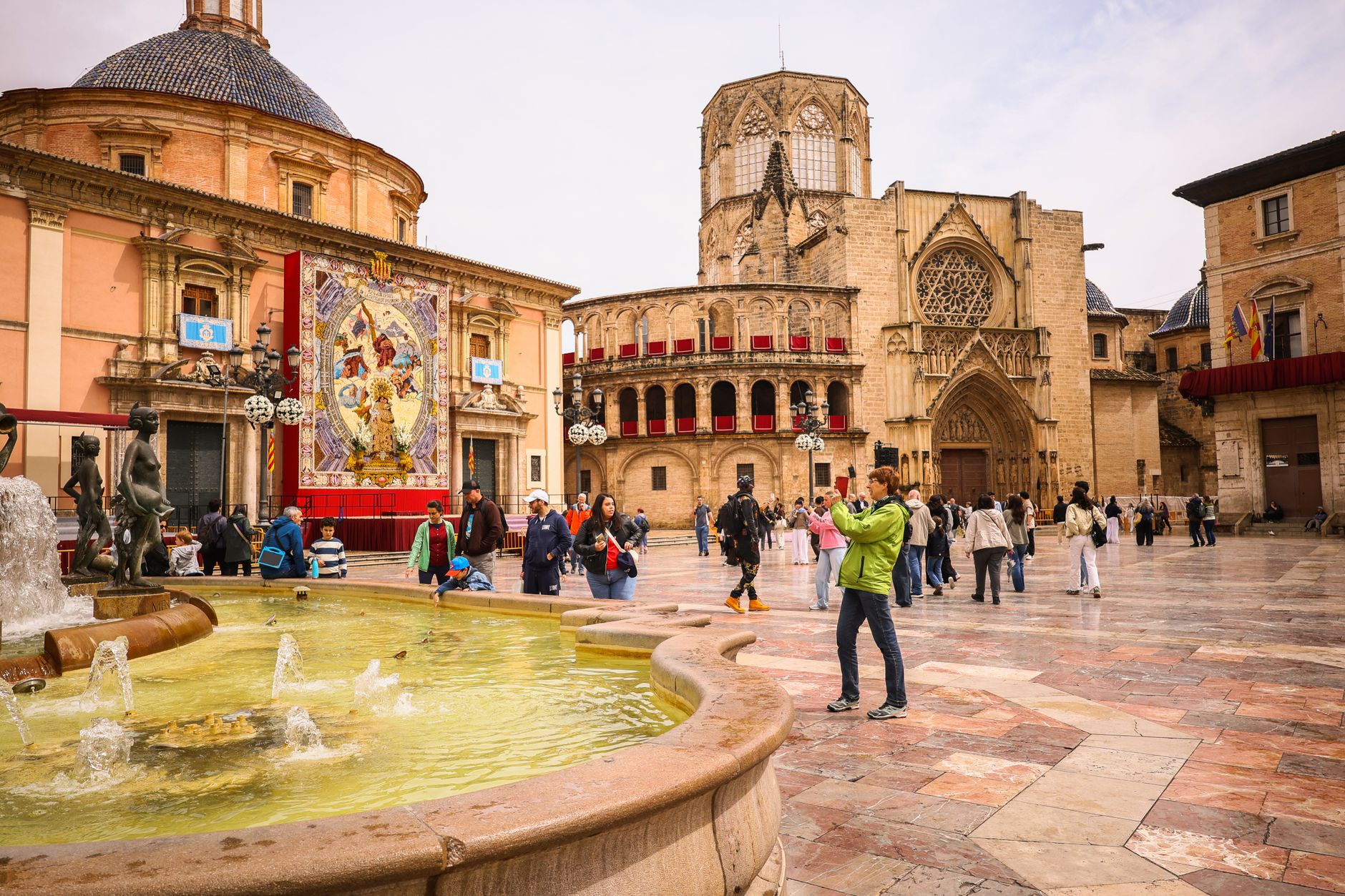
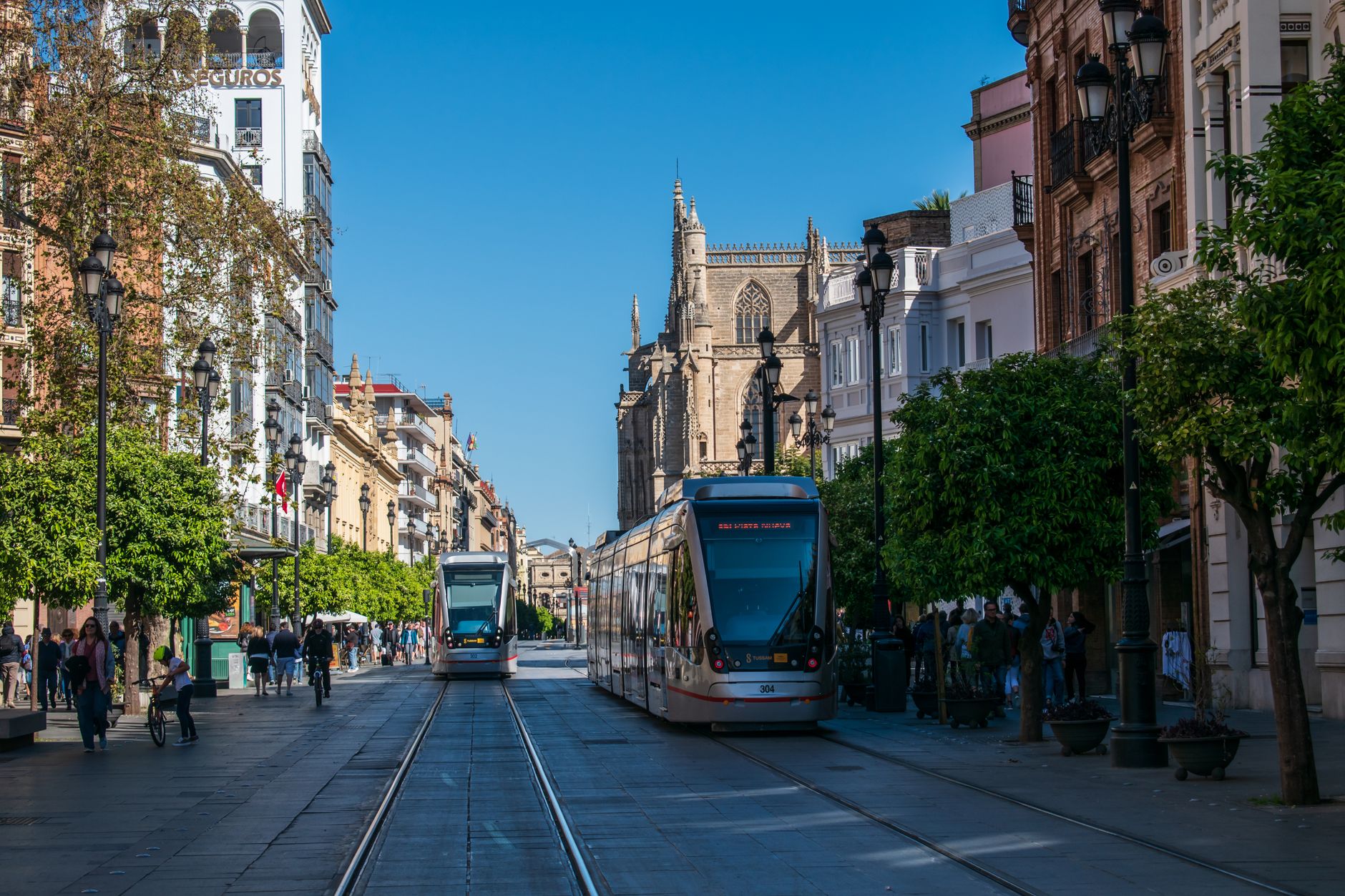
Jerez de la Frontera is a city that smells like it means business — specifically, the slow, oxidative business of sherry ageing in vast cathedral-like bodegas. Walk far enough into the old town and the streets narrow to the width of a cart, the stones still carrying the geometry of Almohad city-planners who worked here in the eleventh and twelfth centuries. The Alcázar and its former mosque stand as the clearest evidence of that inheritance.
But Jerez holds two other obsessions alongside wine: horses and flamenco. The Royal Andalusian School of Equestrian Art performs at the Recreo de las Cadenas, a building designed by the same architect who gave Seville its Plaza de España. These three threads — sherry, horsemanship, cante jondo — run through everything here.
💛 What travellers fall for
People who come back tend to time a visit around a bodega tour at González Byass, founded in 1835, where the ageing cellars are genuinely vast and the solera system is easier to grasp once you can smell it. They also learn quickly that the old town is walkable in a morning, so afternoons belong to slower things.
Deals in Jerez de la Frontera
Book directly at the provider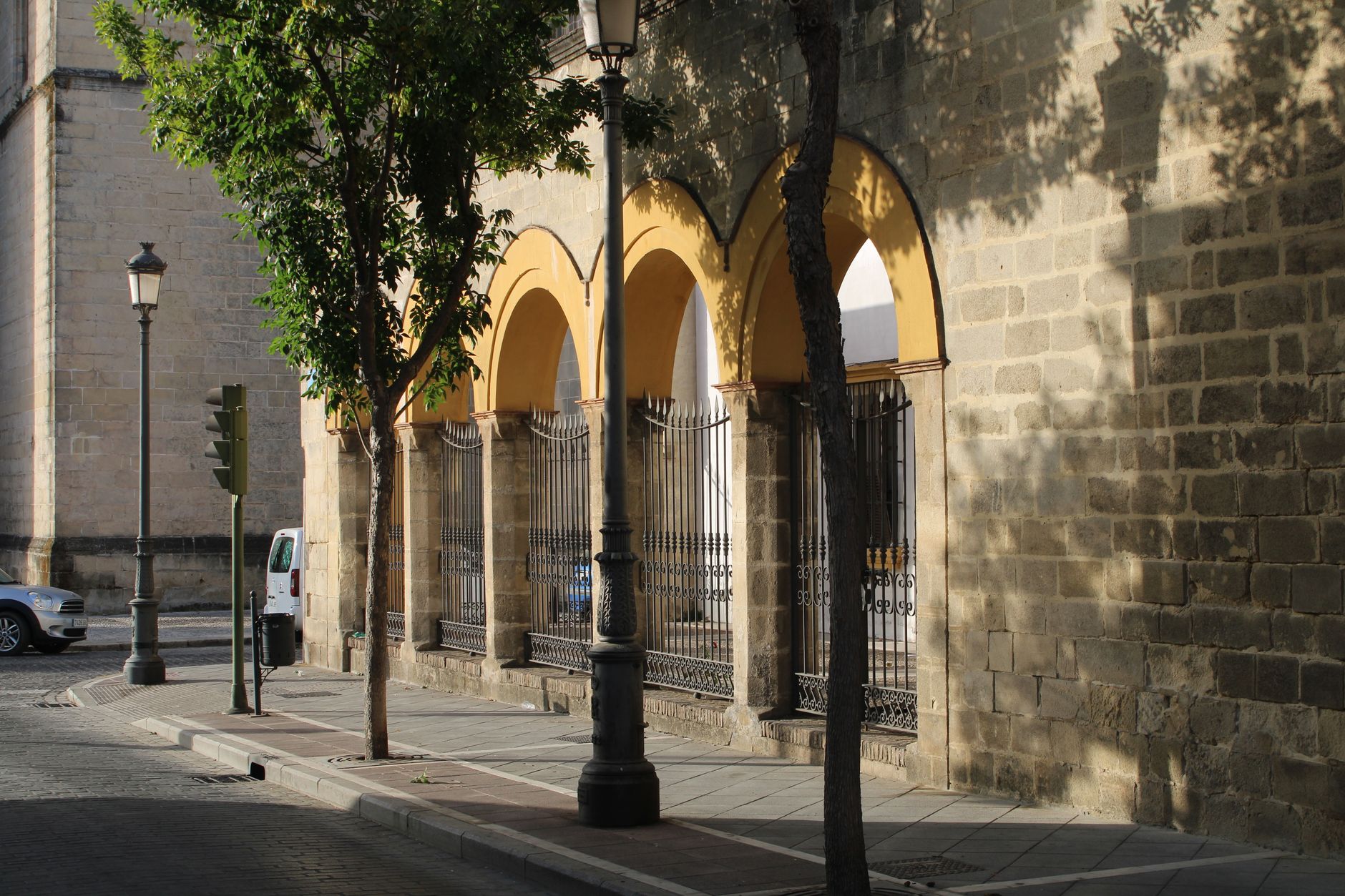

How Jerez de la Frontera came to be
The city's origins reach back to a Phoenician settlement known as Xera, though the urban fabric you walk through today was largely shaped during the Almohad period of the eleventh and twelfth centuries, when the city wall and the fortress that became the Alcázar were constructed. In 1264, King Alfonso X of Castile took the city from Moorish control, and the word 'Frontera' was added to its name — a marker of its position on the shifting border between Christian and Moorish Iberia.
The sherry trade reshaped Jerez again from the late eighteenth century onward. William Garvey Power founded Grupo Garvey in 1780; Manuel María González Angel established González Byass in 1835; Sir Alexander Williams and Arthur Humbert followed with Williams & Humbert in 1877. The wealth those bodegas generated left its mark in stone — including the 1929 El Gallo Azul building, commissioned by the Domecq family.
Who and what shaped it
People who shaped it
Landmark buildings
See Jerez de la Frontera in motion
Plan your visit
On the map
When to go
Jerez has a Mediterranean climate with genuinely hot summers — July and August can be intense for walking. Spring (March to May) and autumn (October) offer temperatures between roughly 20–26°C and are the most comfortable seasons for exploring on foot. Winters are mild with many sunny days, though evenings turn cold.
Right now
Background & history adapted from Wikipedia (CC BY-SA) · specs from Wikidata (CC0) · weather from Open-Meteo · map data © OpenStreetMap contributors · photos from Wikimedia Commons / Unsplash with per-image credit. No third-party reviews or social posts reproduced.