
Jeju City
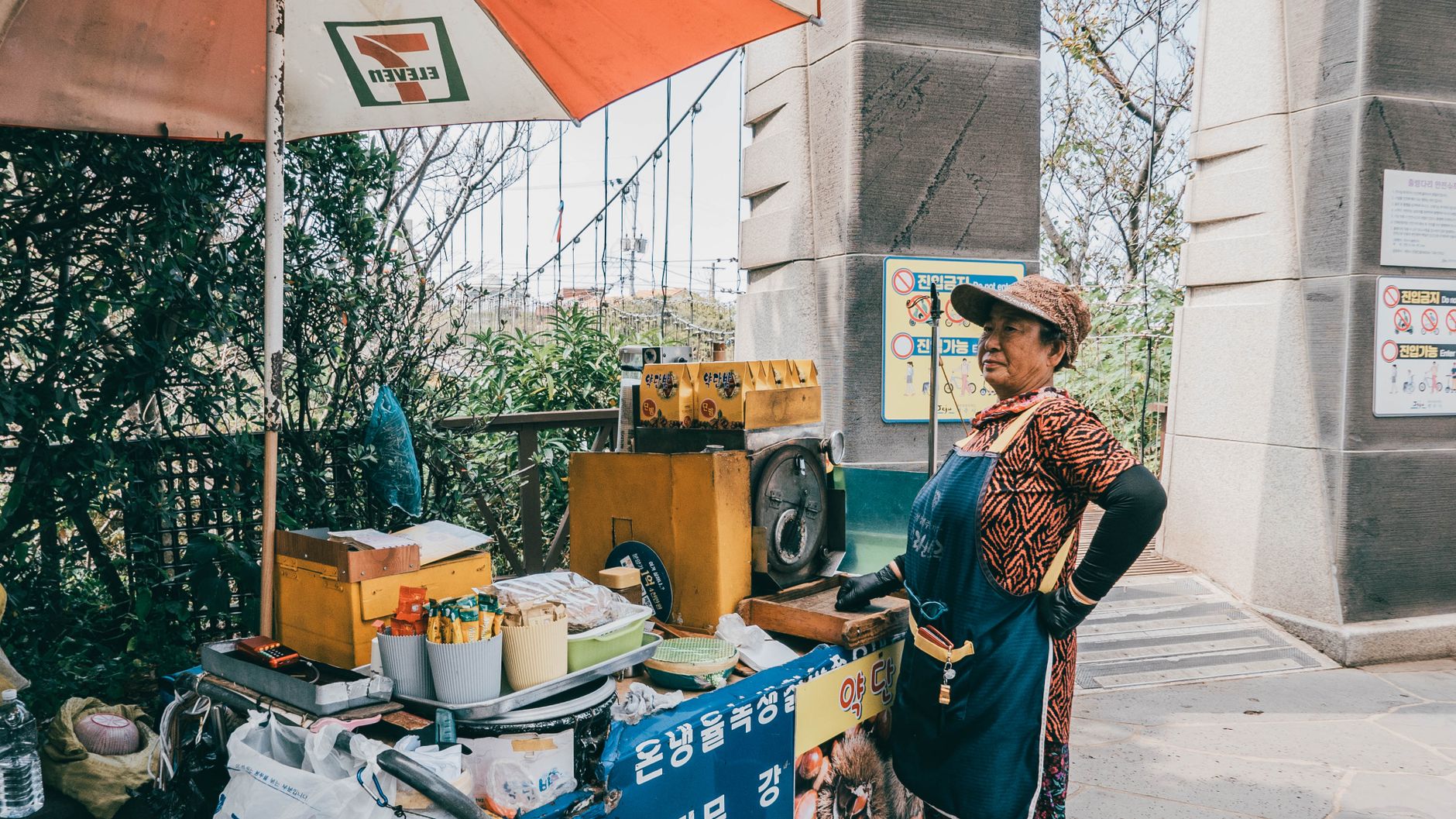

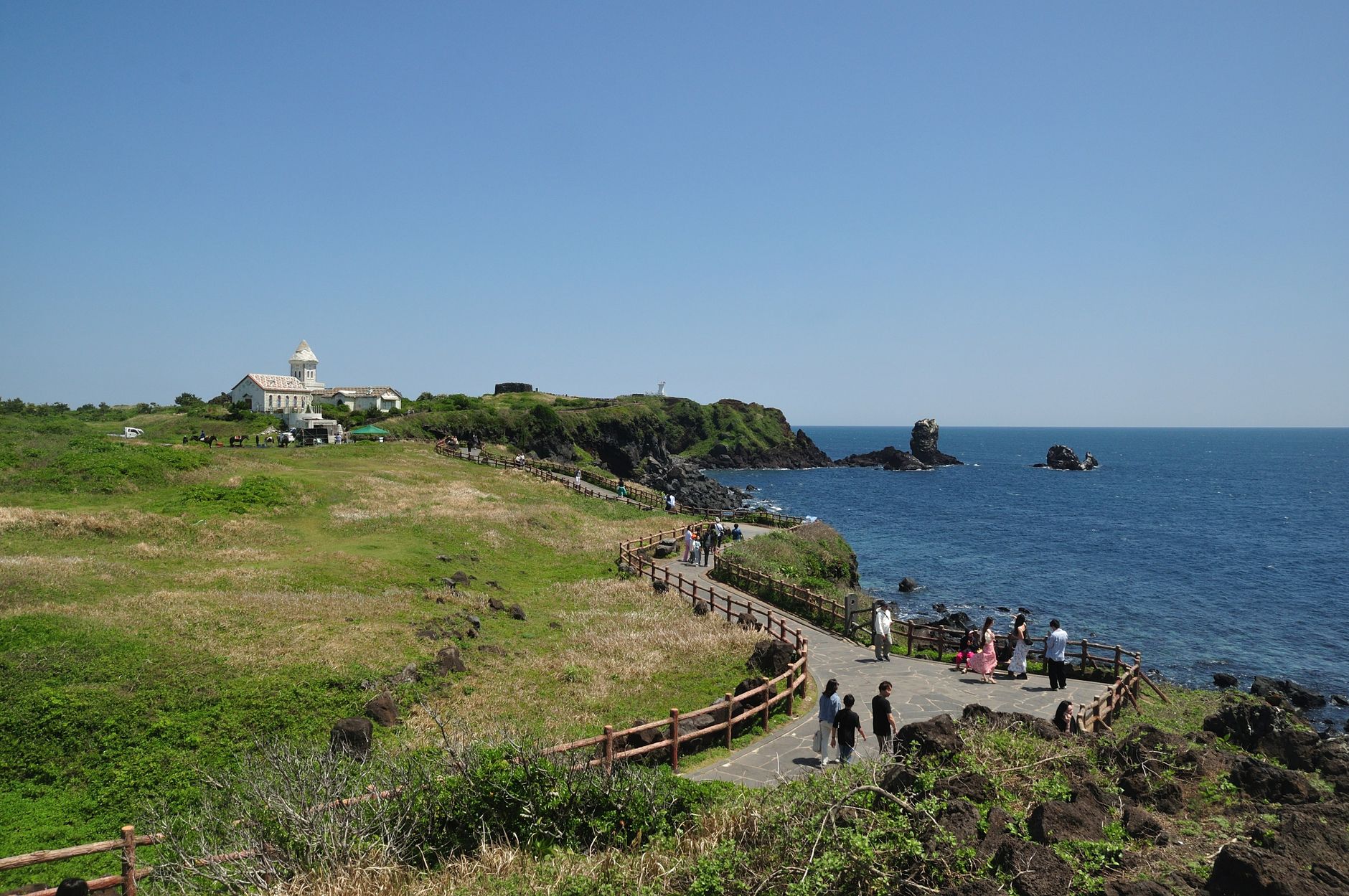
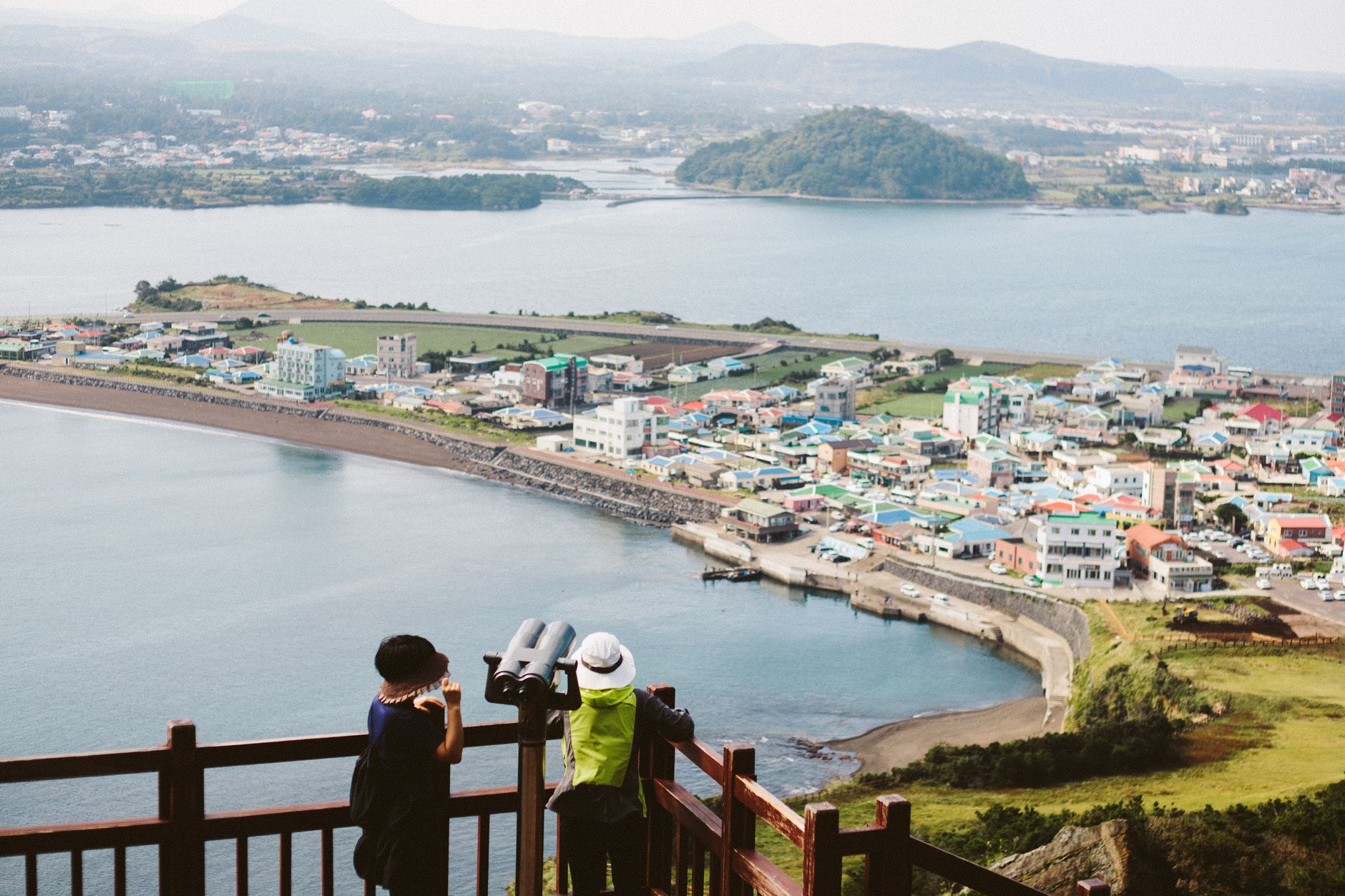

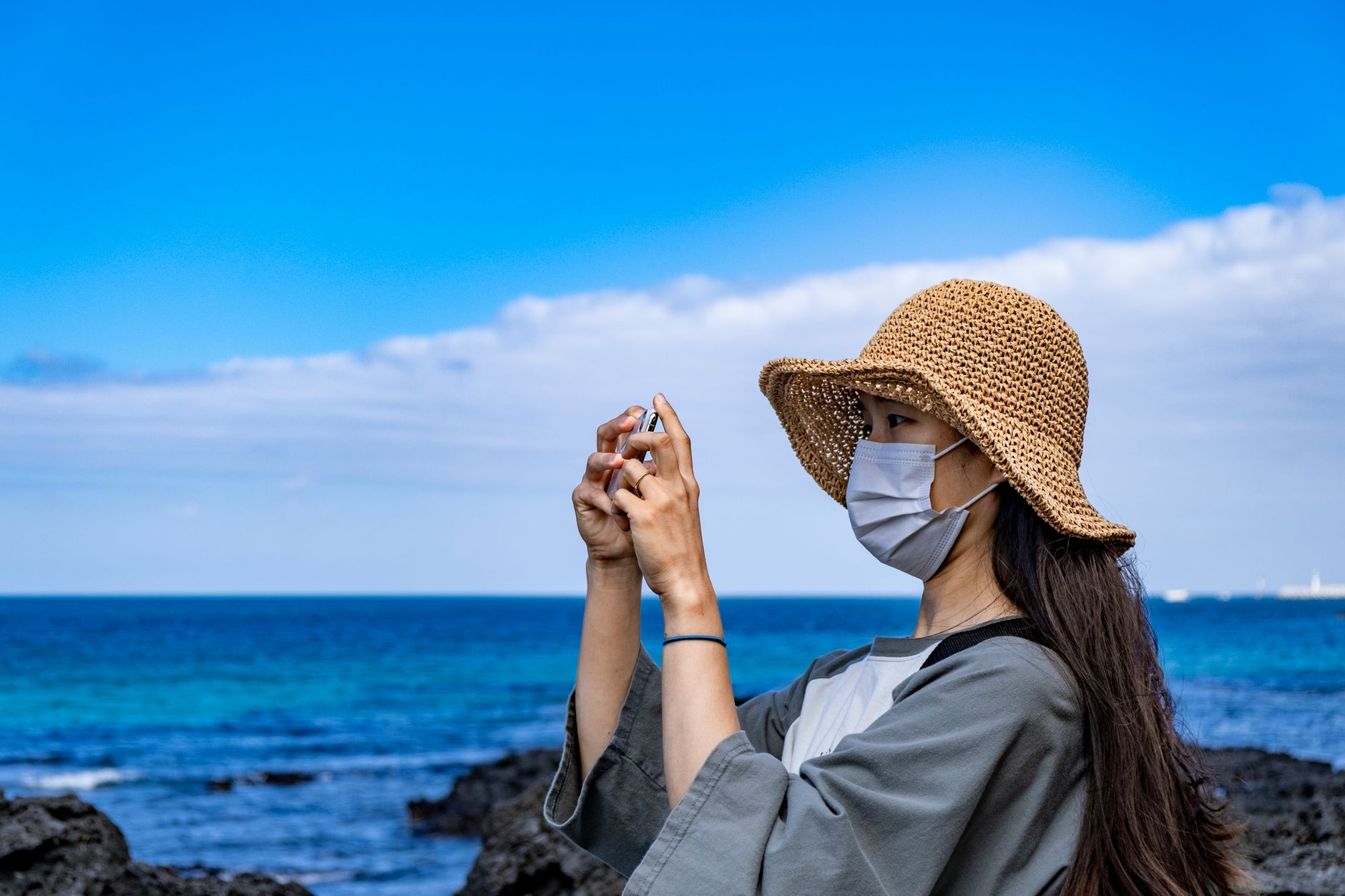
Three holes in the ground in the middle of downtown Jeju City mark where, according to the island's oldest story, three demigods rose from the earth and became the ancestors of an entire people. The Samseonghyeol shrine has stood over those holes since 1526, and the city has grown around them — airport, port, new districts and all — without quite erasing the sense that this is a place with its own deep logic.
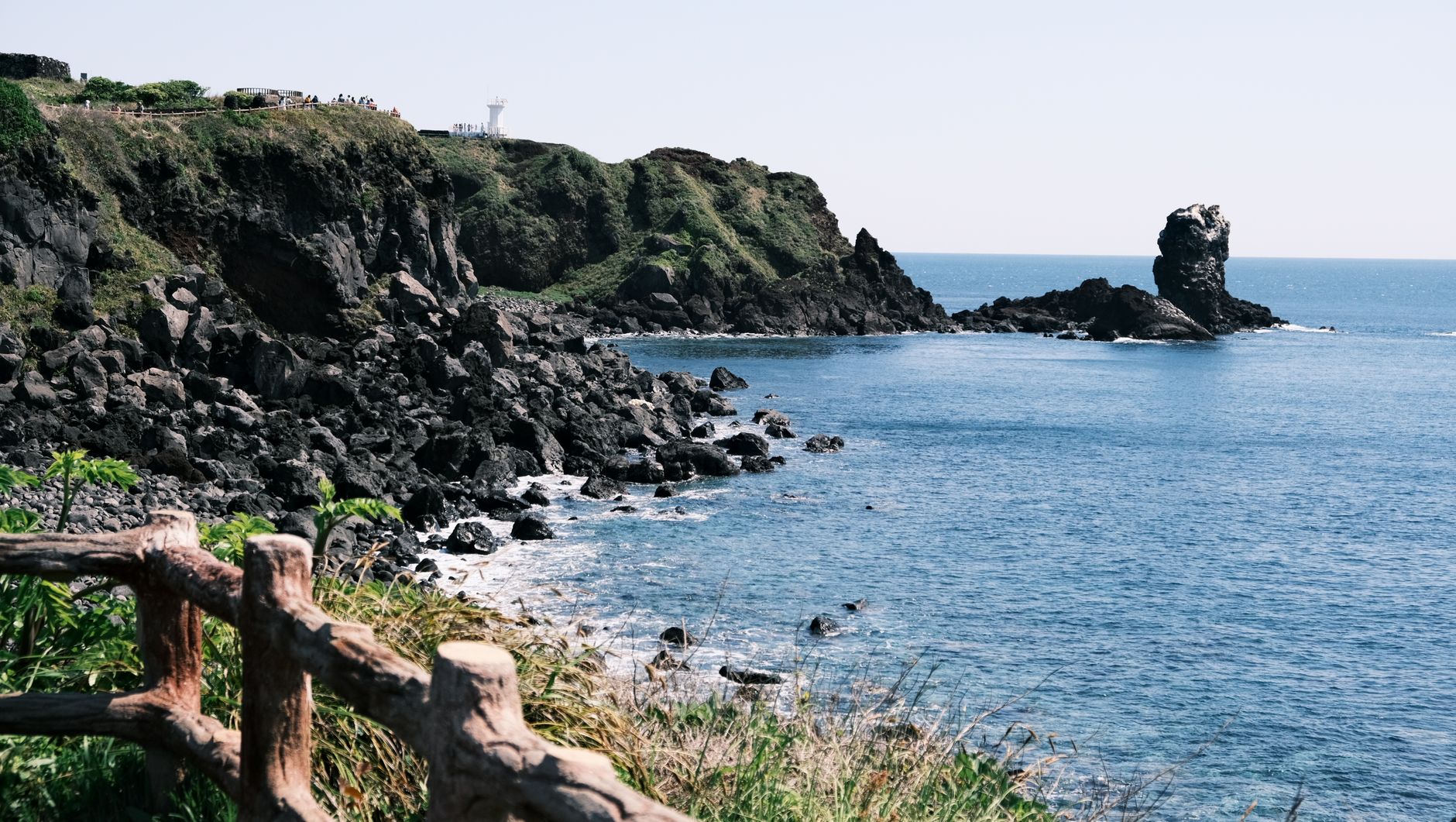
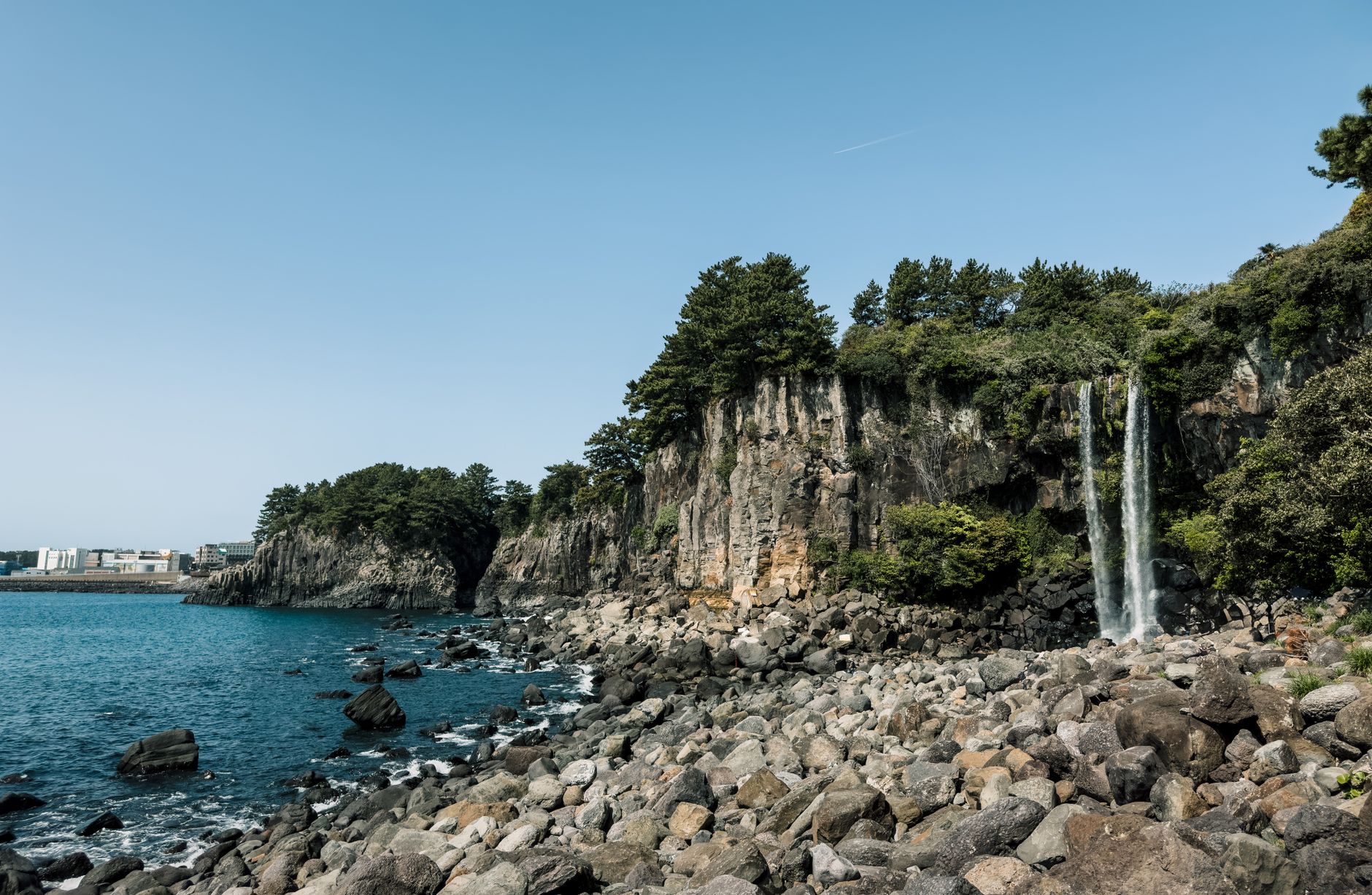
Jeju City is the administrative and transport hub of Jeju Island, which means almost everyone arrives here first. The airport handles more flights to Seoul than any other route in the world. Stay long enough and the city reveals itself in layers: a restored Joseon-era government compound, volcanic rock shaped like a dragon's head at the shoreline, and a Buddhist temple large enough to feel genuinely monumental.
💛 What travellers fall for
People who come back tend to anchor their mornings at Yongduam Rock before the tour groups arrive — the light on the basalt is different before 8am. They also figure out the T-money card early: tap on, tap off, free transfers within 40 minutes, and WiFi on every bus. Small things that make the city feel navigable rather than transactional.
Deals in Jeju City
Book directly at the provider
How Jeju City came to be
The territory of modern Jeju City is where the Tamna Kingdom began — or so the legend of Samseonghyeol tells it. Human settlement on the island dates back eight to ten thousand years, and Tamna was already a distinct state when it entered an alliance with the kingdom of Baekje in 476 CE. By 662 it had become a protectorate of Silla, and in 938 the Tamna chief Ko Ja-gyeon formally submitted to Goryeo, sending his son Prince Mallo to the mainland court as a diplomatic hostage.
The Mongols invaded in 1271; the island passed to Joseon in 1392; Japan annexed it in 1910 and renamed it Saishū. After Korea's liberation, Jeju became its own province in 1946 and the city its administrative centre. The grid of Shin-Jeju, the new district built from the 1970s onward as tourism accelerated, now sits alongside the older city. In 2006, the island received Special Self-Governing Province status — a degree of administrative autonomy unusual in South Korea.
Who and what shaped it
Landmark buildings
See Jeju City in motion
Plan your visit
On the map
When to go
Spring (April–May) brings mild temperatures and cherry blossoms; autumn (September–October) is clear and dry, the most comfortable season for walking the city. Summers are hot and humid with a typhoon risk in July and August; winters are mild by Korean standards but can be grey and wet.
Right now
Background & history adapted from Wikipedia (CC BY-SA) · specs from Wikidata (CC0) · weather from Open-Meteo · map data © OpenStreetMap contributors · photos from Wikimedia Commons / Unsplash with per-image credit. No third-party reviews or social posts reproduced.