
Jeffreys Bay
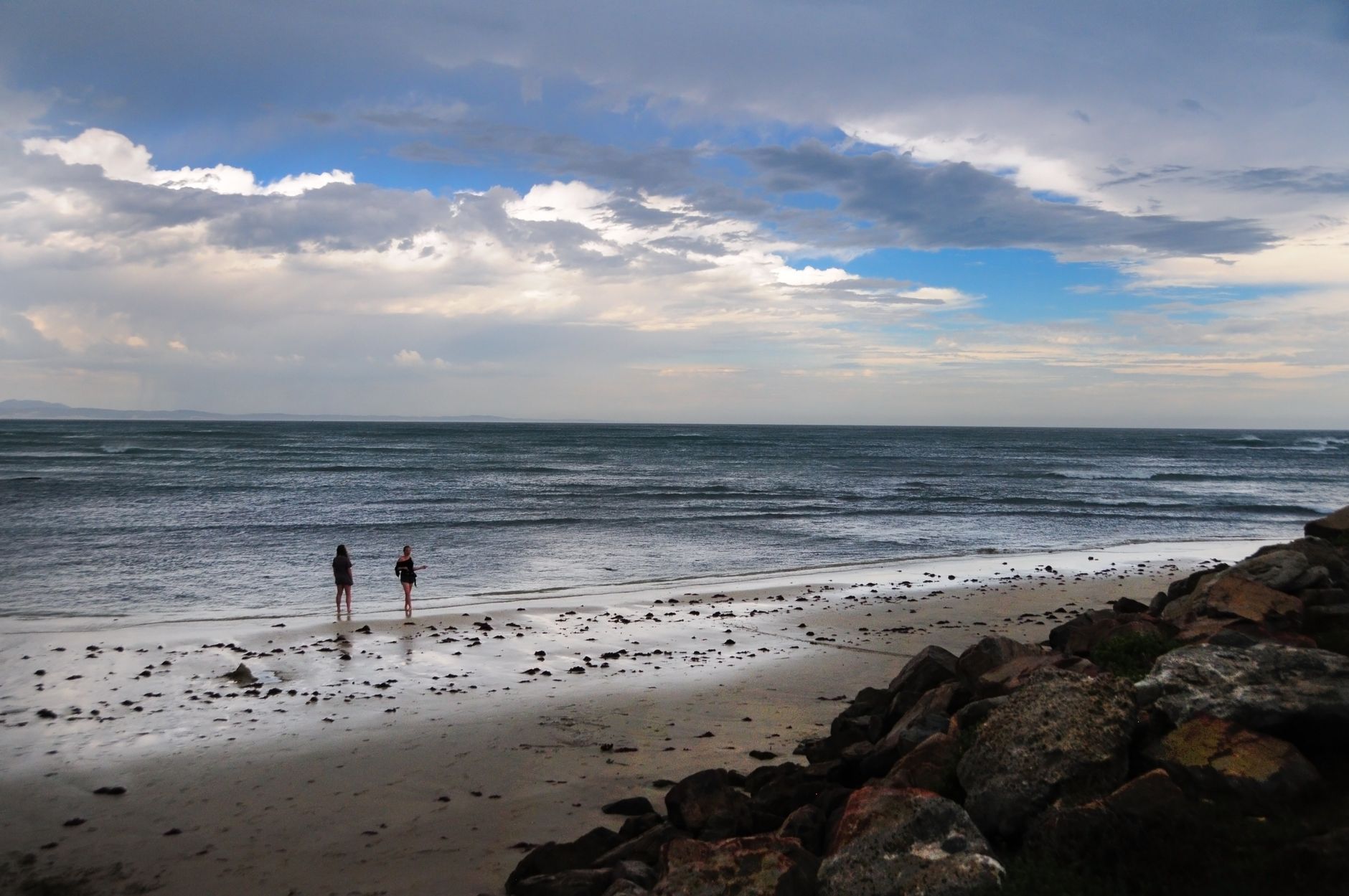
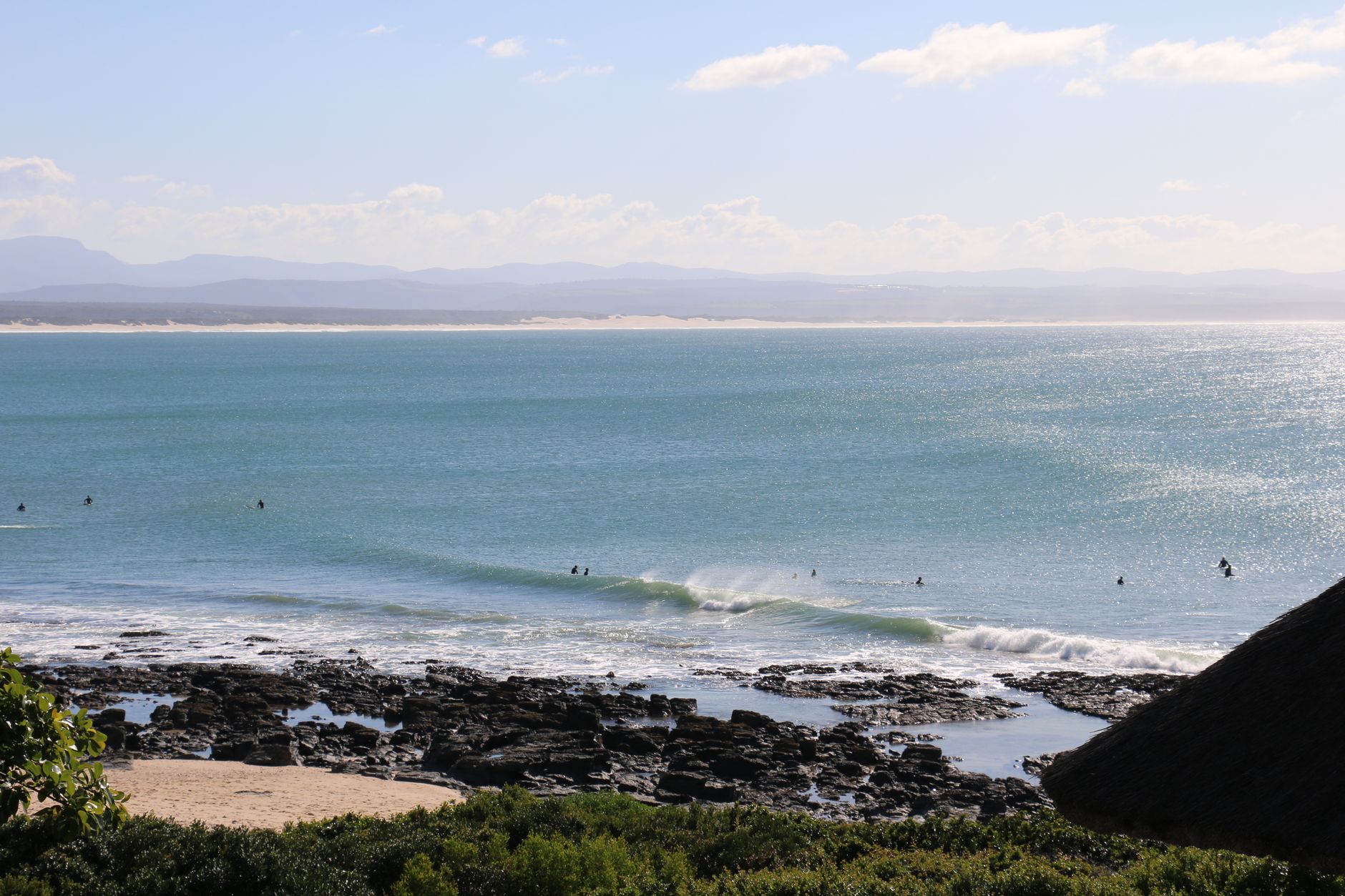
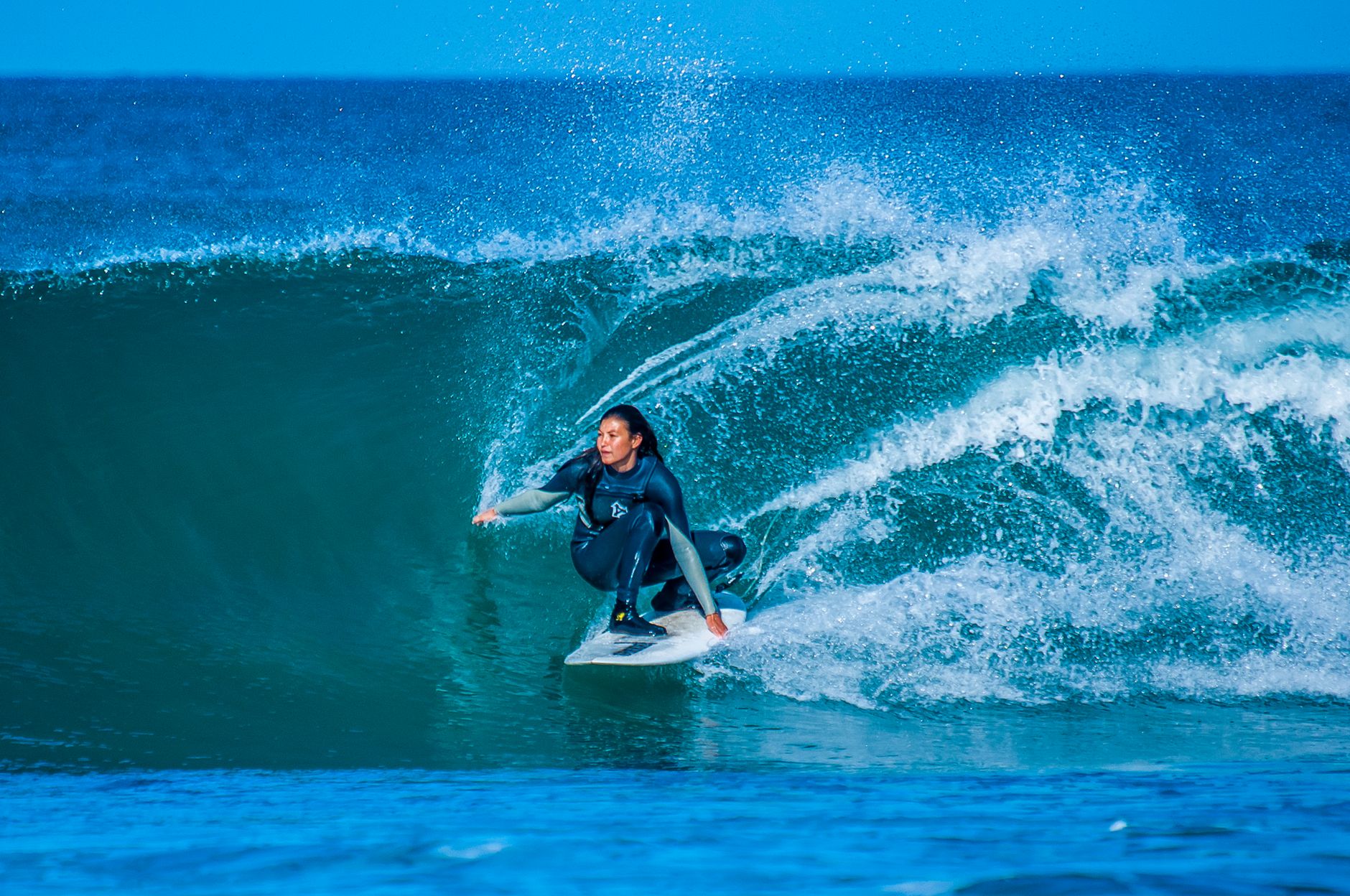
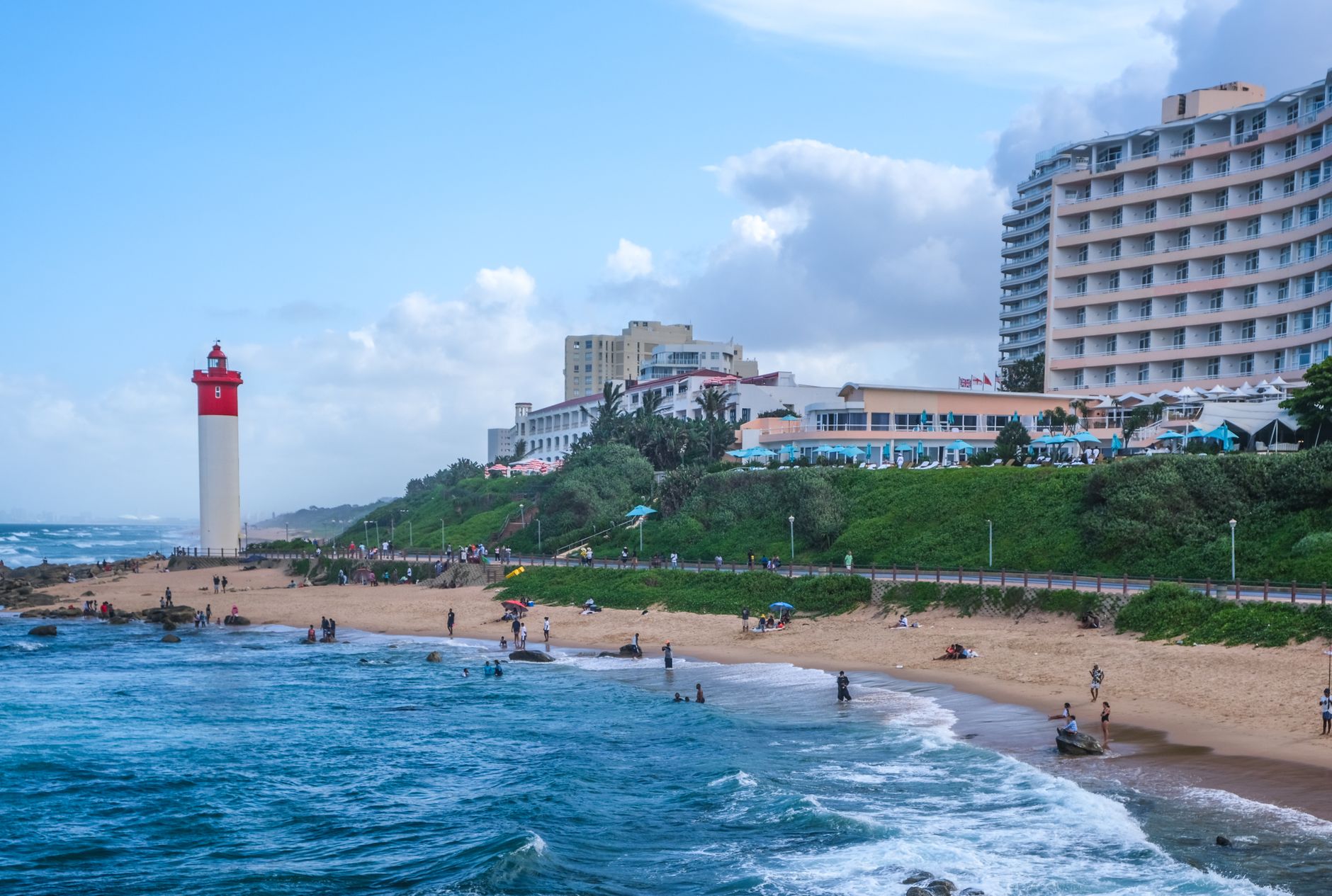
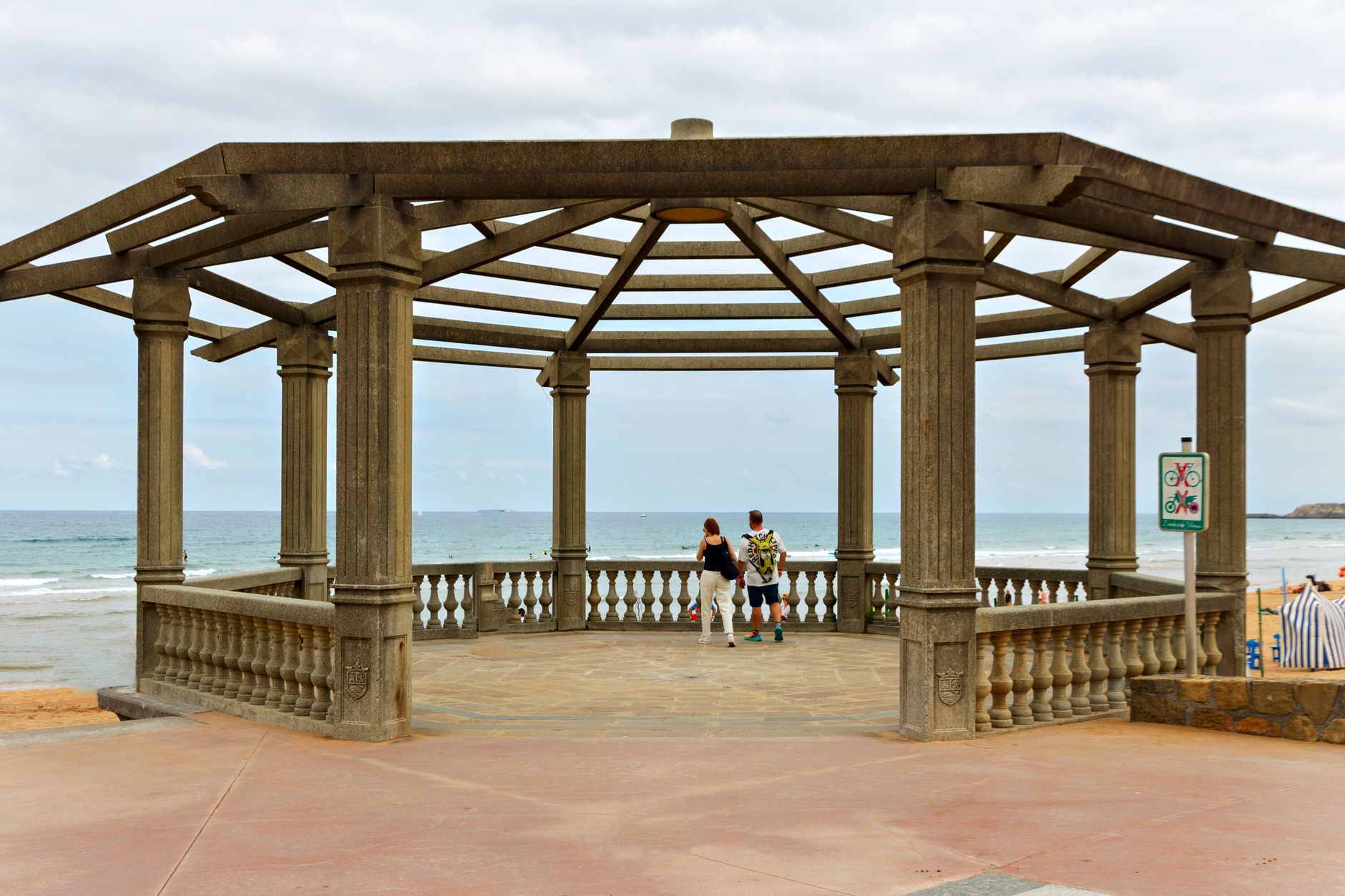
Stand on the sand at Supertubes and you'll see what drew everyone here: a right-hand point break that peels for what seems like the length of a city block, fast and hollow and almost absurdly consistent through winter. Jeffreys Bay — J-Bay to anyone who's spent time here — built its identity entirely around that wave, and the town has never pretended otherwise.
St. Croix Street is lined with surfboard shapers' workshops. The Shell Museum on the corner of Drommedaris and Da Gama Roads holds the largest shell collection in South Africa. Sixty wind turbines turn slowly across 3,700 hectares between town and Humansdorp. This is a place with a specific character, and it wears it plainly.
💛 What travellers fall for
People who come back tend to mention the same things: walking Da Gama Road before the surf crowd wakes up, watching a heat at the WSL contest from the dunes in July, and eating simply because nobody comes to J-Bay to be indoors. Kitchen Windows Beach, where the groms learn, is worth an afternoon even if you don't surf — the contrast with Supertubes tells you everything about how the town works.
Deals in Jeffreys Bay
Book directly at the provider
How Jeffreys Bay came to be
The name traces back to 1849, when a senior partner of the firm Jeffrey & Glendinnings opened a store on this stretch of Eastern Cape coast. Joseph Avent Jeffery erected a wood-and-iron warehouse — the first place of business on the shore — and later a double-storey building called the White House on plot 10. On 21 January 1852, forty coastal erven went to auction on the farm Klein Zeekoe Rivier, and a small fishing and agricultural settlement took shape.
The town remained quietly functional for over a century until surfers arrived in the 1960s. Bruce Brown's film The Endless Summer put Supertubes in front of a global audience, and by the early 1970s J-Bay had become a surf-community gathering point — part hippie enclave, part proving ground. Figures like John Grendon, who rode the break in 1964, and later expatriate residents including Malibu legend Mickey Dora, gave the place an unlikely international lineage it still carries.
Who and what shaped it
People who shaped it
Landmark buildings
See Jeffreys Bay in motion
Plan your visit
On the map
When to go
Temperatures barely shift across the year — around 20°C in July, 25°C at the February peak — so the calendar is more about swell than warmth. Winter (June to August) brings the best waves and the most surf traffic; November is the wettest month, and December the sunniest, averaging more than nine hours of light a day.
Right now
Background & history adapted from Wikipedia (CC BY-SA) · specs from Wikidata (CC0) · weather from Open-Meteo · map data © OpenStreetMap contributors · photos from Wikimedia Commons / Unsplash with per-image credit. No third-party reviews or social posts reproduced.