
Jeddah
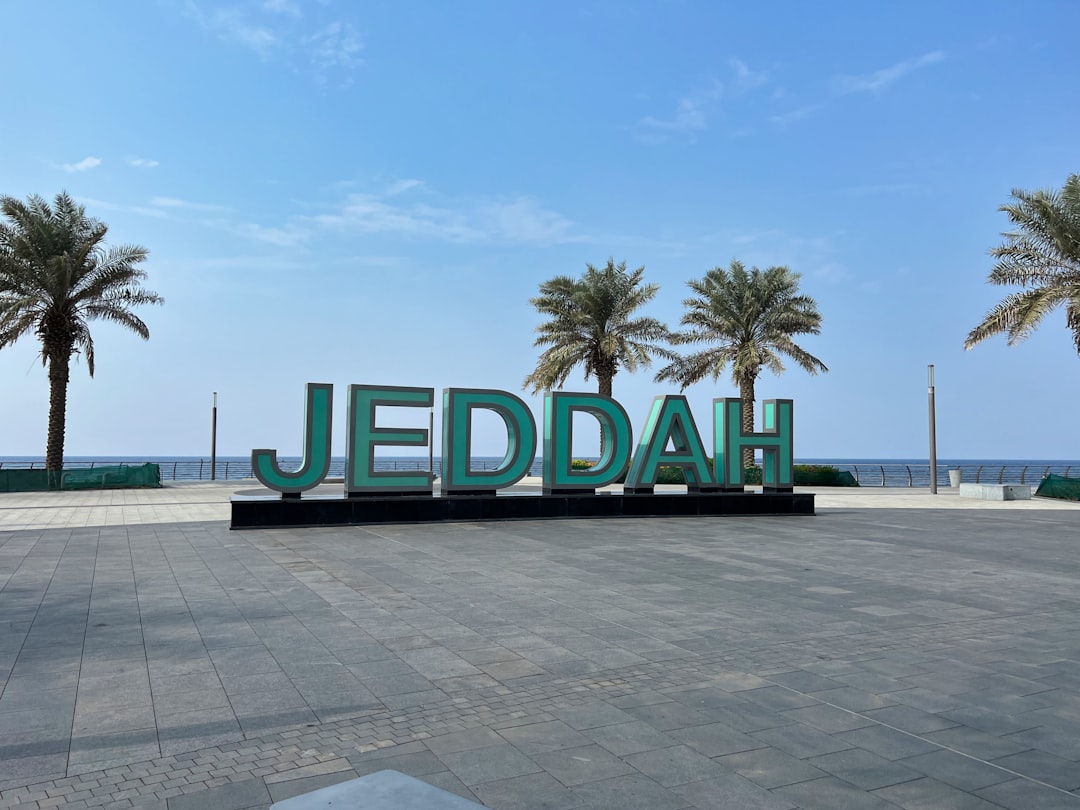
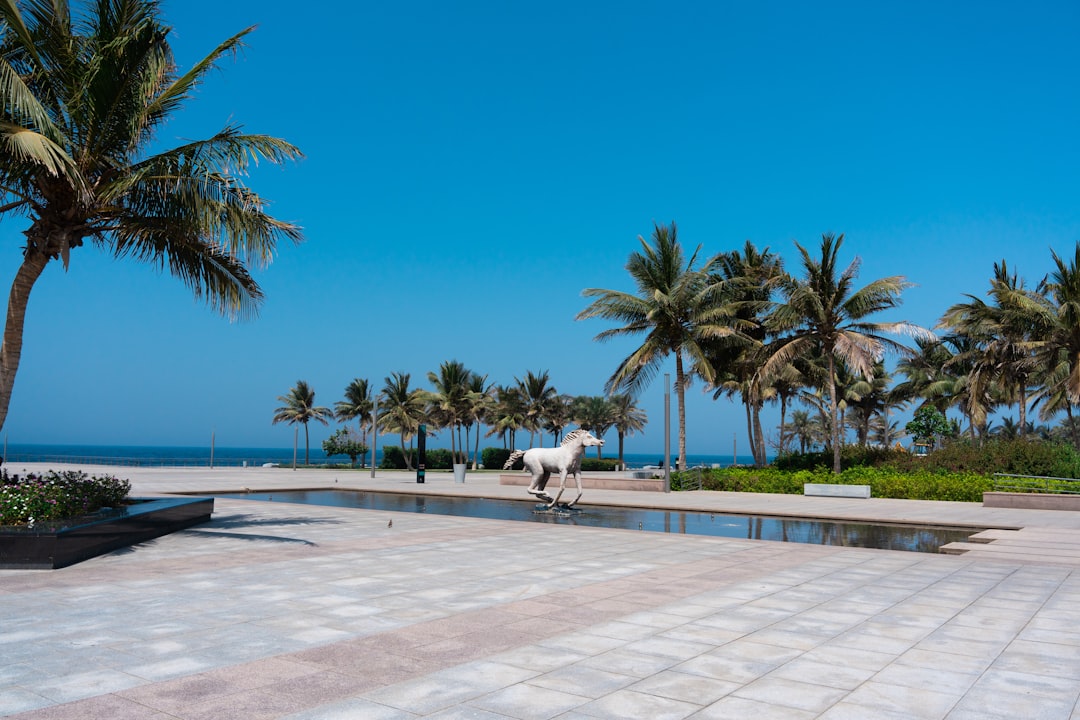
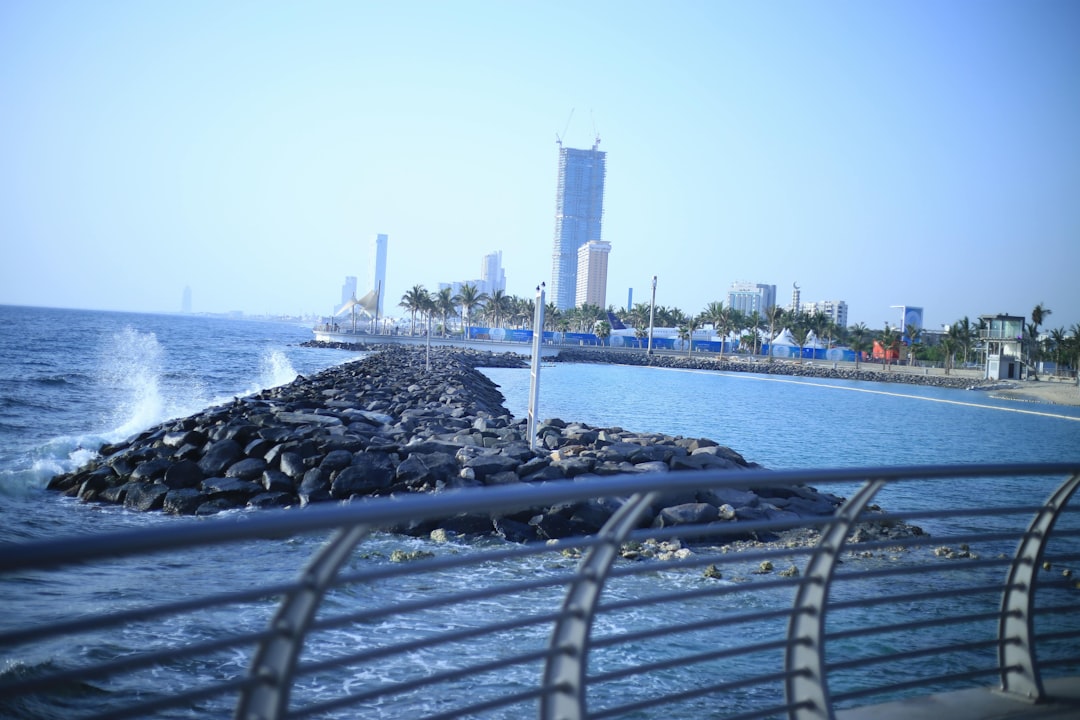
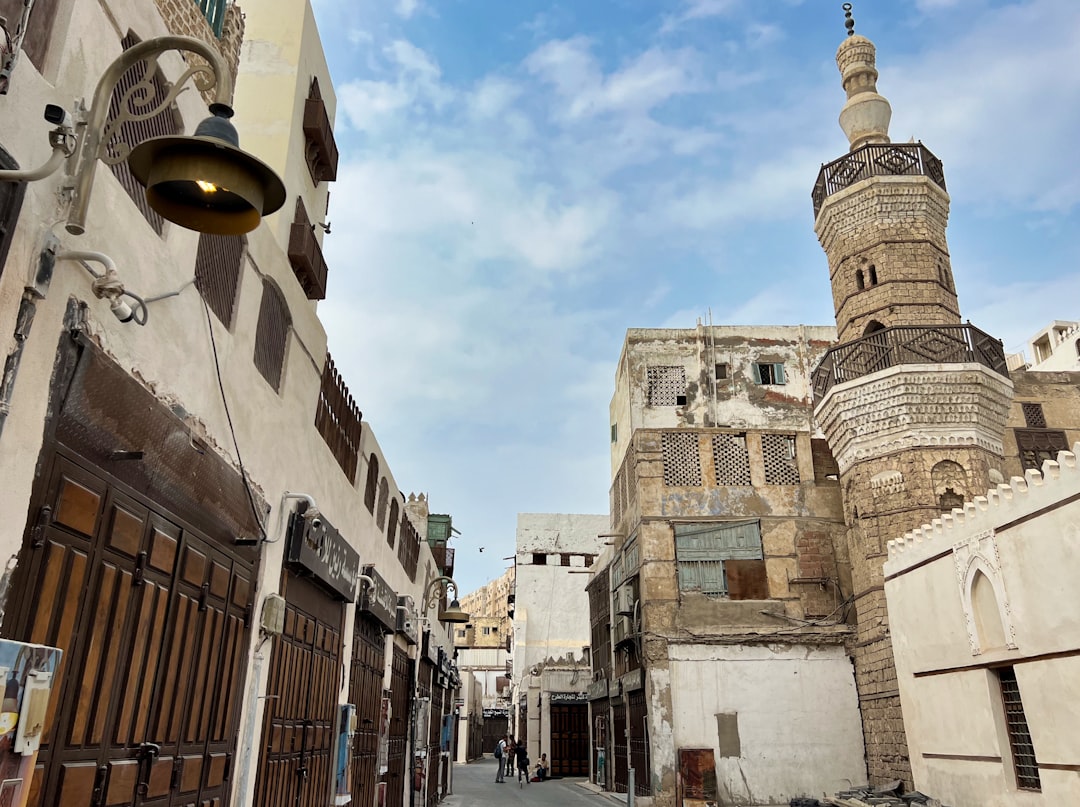
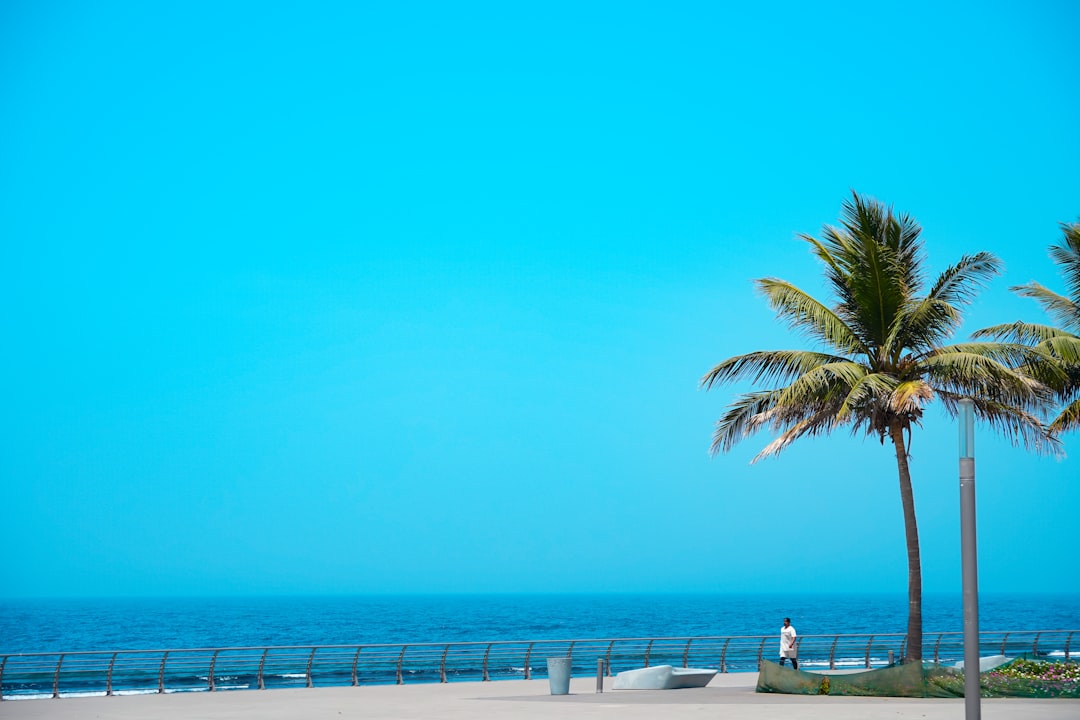
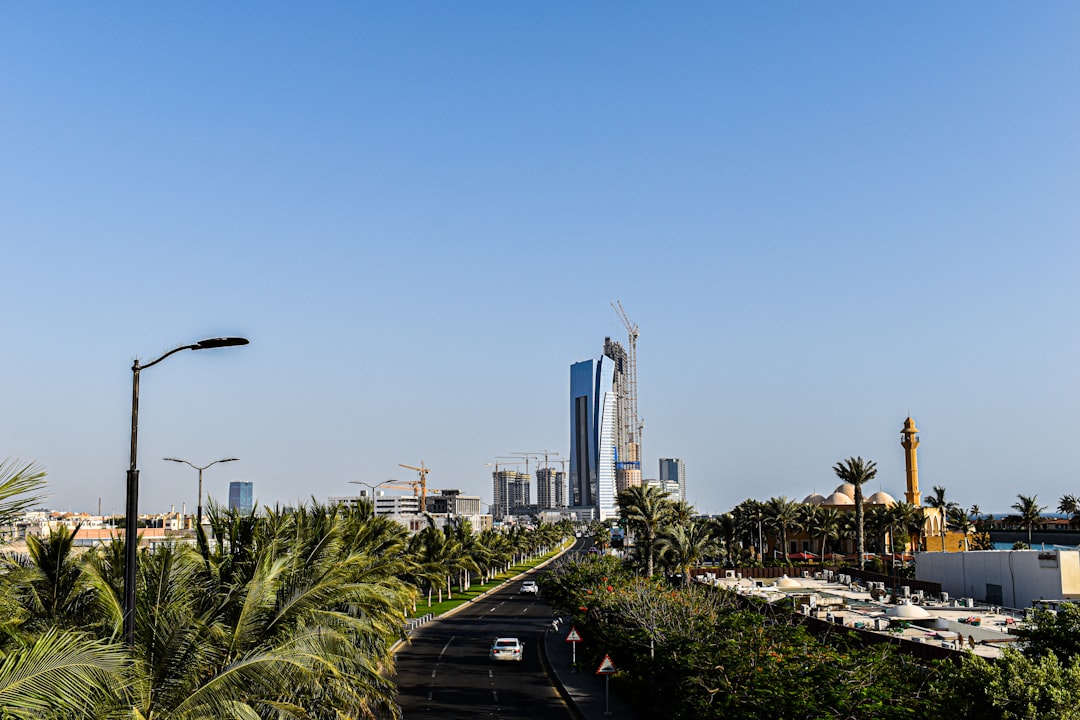
Jeddah is where the Red Sea meets the Arabian Peninsula's oldest trade instincts. Pilgrims have been passing through since the seventh century, and the city still carries that layered quality — coral-stone merchant houses in Al-Balad, a 30-kilometre corniche where families walk after dark, and on the northern horizon, a tower rising toward one kilometre that will, when finished, be the tallest structure on earth.
It is Saudi Arabia's second city, its main port, and long its window to the wider world. The UNESCO-listed historic quarter, the Red Sea waterfront, and a food scene shaped by generations of Hajj travellers give Jeddah a texture unlike anywhere else in the kingdom.
💛 What travellers fall for
Regulars tend to time Al-Balad for mid-morning — before the 2 pm opening rush and before the heat peaks. They'll point you to Nassif House as a first stop, then work outward through Harat al-Mazloum toward the Al-Shafi'i Mosque. The sea taxi between the Yacht Club and the historic district is worth knowing about; it skips traffic entirely.
How Jeddah came to be
In 646 CE, Caliph Uthman designated Jeddah as the port of entry for Muslim pilgrims crossing the Red Sea — a decision that shaped the city's character for the next fourteen centuries. The historic quarter, Al-Balad, grew behind a fifteenth-century wall into four distinct neighbourhoods, its coral-stone towers and carved wooden mashrabiyya screens the product of merchant wealth accumulated along the Hajj route.
The twentieth century brought sharper turns. In 1916 the city's Ottoman garrison surrendered to British forces. In 1925, the founding king, Abdulaziz bin Abdulrahman Al Saud, moved into Nassif House. Jeddah served as Saudi Arabia's diplomatic capital — home to the Ministry of Foreign Affairs — until the mid-1980s, when those functions transferred to Riyadh. A 2019 royal decree ordered the restoration of fifty historic buildings in Al-Balad, and the UNESCO listing has since given that work additional momentum.
Who and what shaped it
People who shaped it
Landmark buildings
See Jeddah in motion
Plan your visit
On the map
When to go
Jeddah has an arid climate with year-round heat and high coastal humidity. November through March is the most workable season for time outdoors — temperatures ease and evenings on the corniche are genuinely pleasant. Summer months are punishing; if you visit then, plan outdoor movement for early morning or after sunset.
Right now
Background & history adapted from Wikipedia (CC BY-SA) · specs from Wikidata (CC0) · weather from Open-Meteo · map data © OpenStreetMap contributors · photos from Wikimedia Commons / Unsplash with per-image credit. No third-party reviews or social posts reproduced.