
Jebel Hafeet
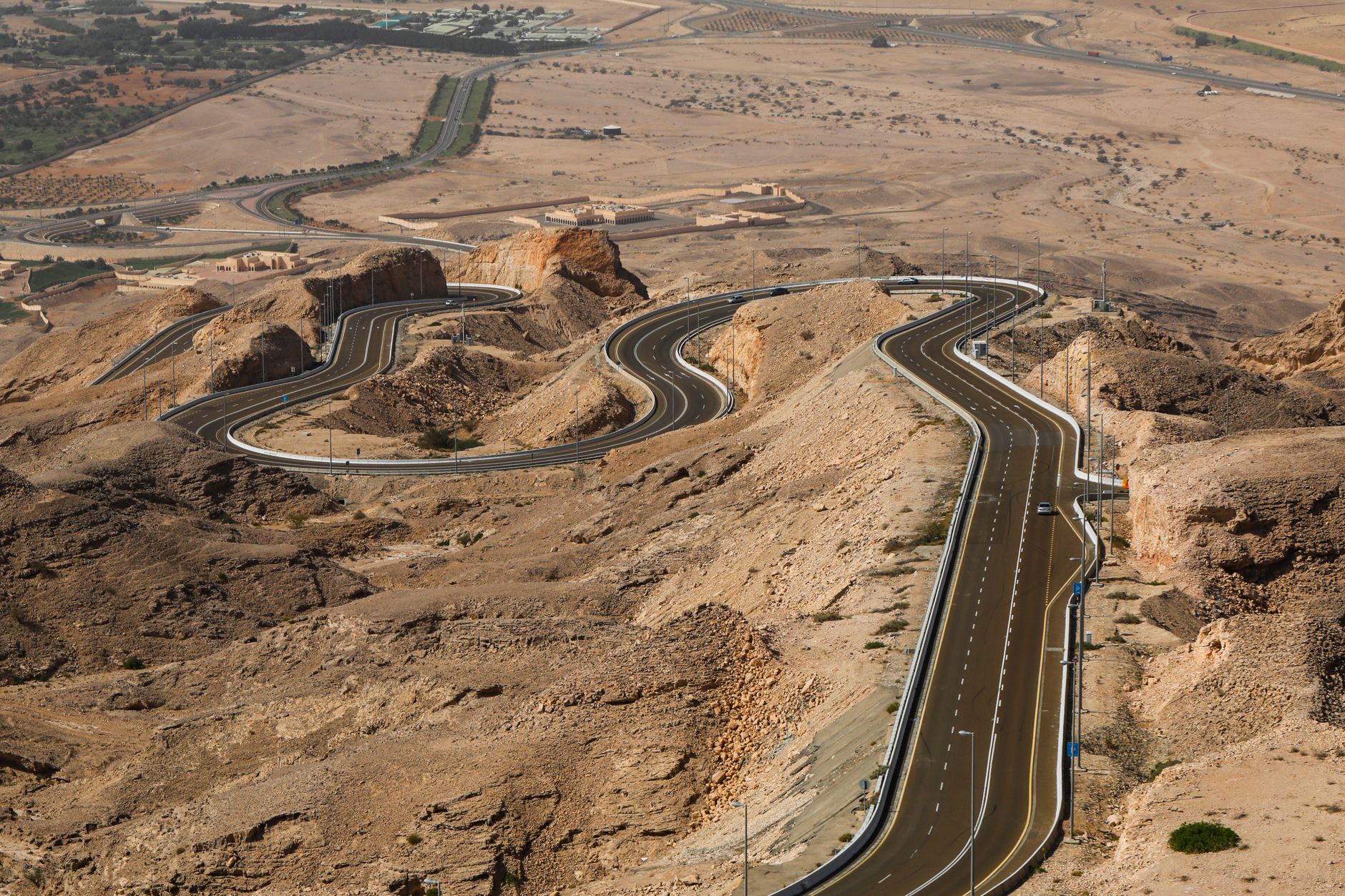
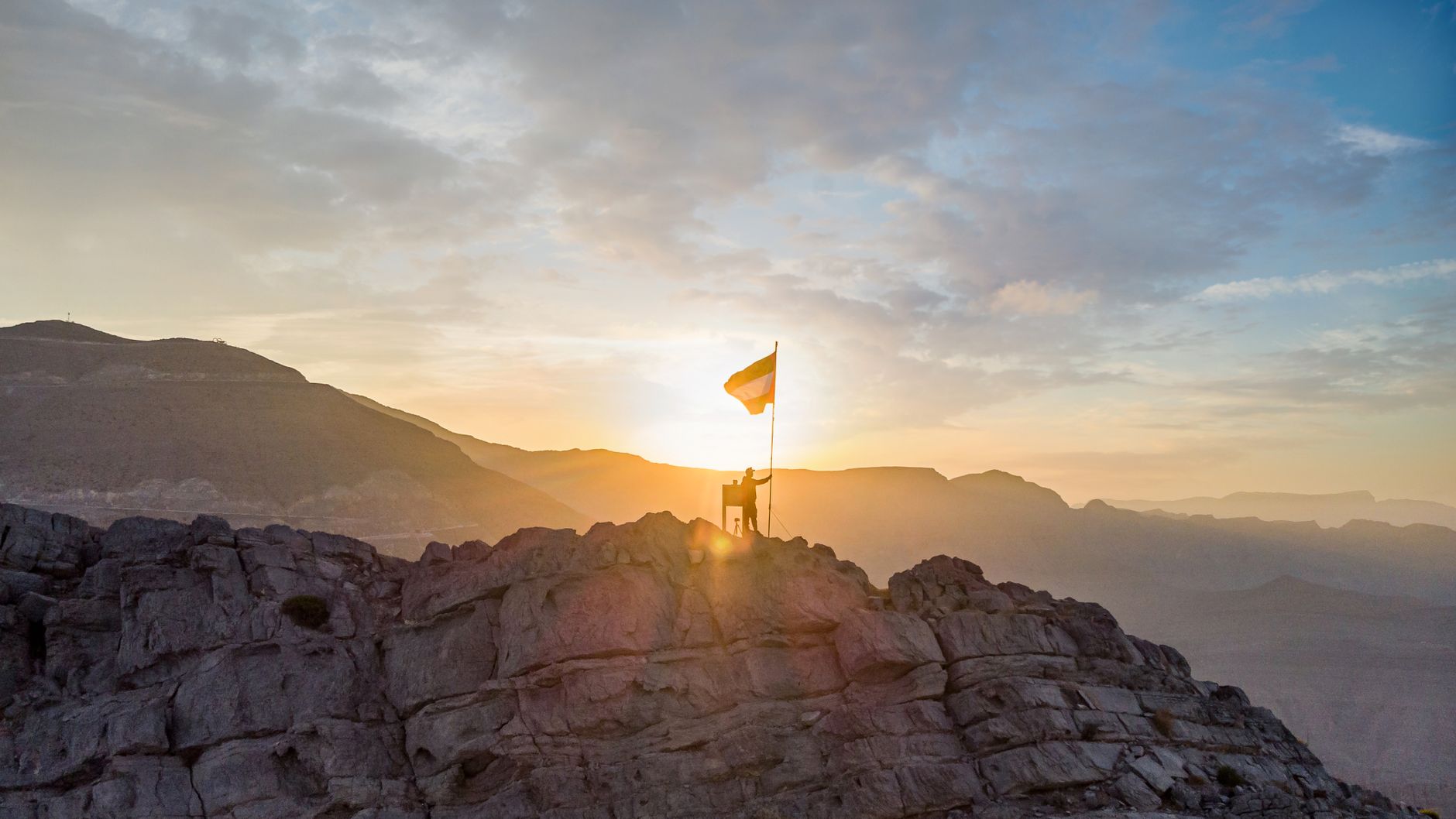
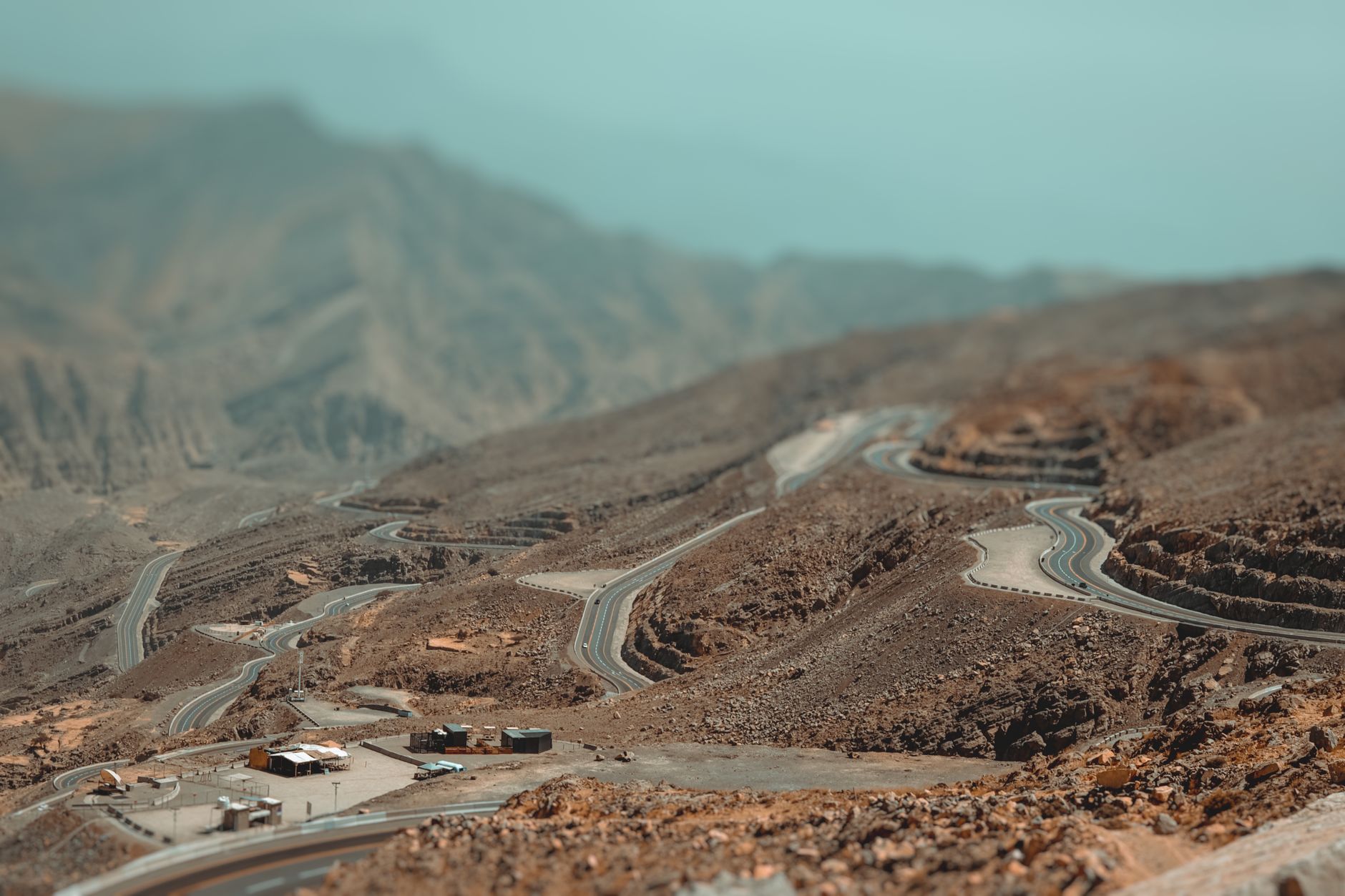
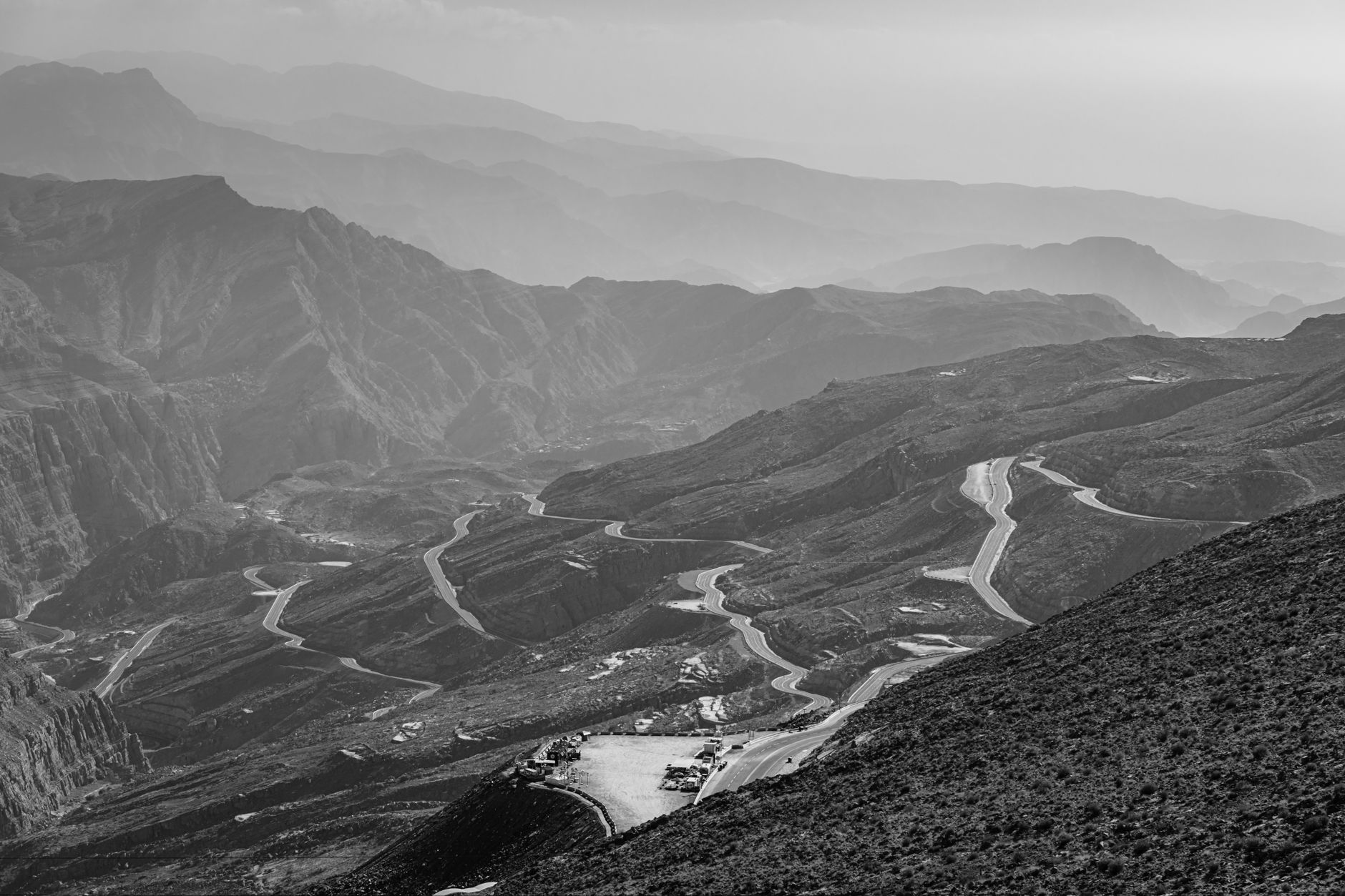
At 1,249 metres, Jebel Hafeet rises almost sheer from the flat plains south of Al Ain — a limestone ridge 26 kilometres long that you can see from a long way off, trailing a road up its flank like a thread. That road, 11.7 kilometres of three-lane tarmac with 60 turns, was built in 1980 by a German construction firm and has since been called one of the finest driving roads on earth. At the foot of the mountain, hot springs bubble up at Green Mubazzarah. At the summit, cafes and a hotel look out over the Omani border.
Below all of this, in the loose rubble of the foothills, sit more than 500 beehive tombs from the Bronze Age — the oldest organised burial sites yet found on the Arabian Peninsula, and the reason a whole prehistoric period carries the mountain's name.
💛 What travellers fall for
People who drive the road more than once tend to time it for dusk, when the sodium-vapour lamps come on and the hairpin bends glow amber against the dark rock. The descent, with one dedicated lane, is smoother than you expect. Bring something warm for the summit in winter — temperatures drop fast after the sun goes.
How Jebel Hafeet came to be
The beehive tombs at Jebel Hafeet's base were first recorded in 1950 and excavated in 1959 by Danish archaeologists — at the request of Sheikh Zayed bin Sultan Al Nahyan, then ruler of the Eastern Region and later the UAE's founding father. The digs turned up ceramic vessels and copper artifacts from roughly 3200–2600 BCE, a period now formally named the Hafit Period after this mountain. The tombs are single-chamber structures of rough local stone, distinct from the more elaborate Umm an-Nar tombs that came after them.
In 1993 the site was inscribed as part of a UNESCO World Heritage designation covering Al Ain's cultural landscapes. Sheikh Zayed's connection to the mountain runs deeper still: a small dam he built here in 1955 — one of the earliest development projects of his tenure — was restored in 2005. The mountain became part of the Sheikh Zayed Network of Protected Areas in 2018.
Who and what shaped it
People who shaped it
Landmark buildings
See Jebel Hafeet in motion
Plan your visit
On the map
When to go
October to March brings the most comfortable conditions — clear skies and daytime temperatures that stay below 25°C, though December and January evenings at the summit can feel genuinely cold. From April onward the heat builds quickly; even in summer the mountain stays a few degrees cooler than the surrounding plains, but June averages a high of 43°C and the experience changes accordingly.
Right now
Background & history adapted from Wikipedia (CC BY-SA) · specs from Wikidata (CC0) · weather from Open-Meteo · map data © OpenStreetMap contributors · photos from Wikimedia Commons / Unsplash with per-image credit. No third-party reviews or social posts reproduced.