
Jebel Ali
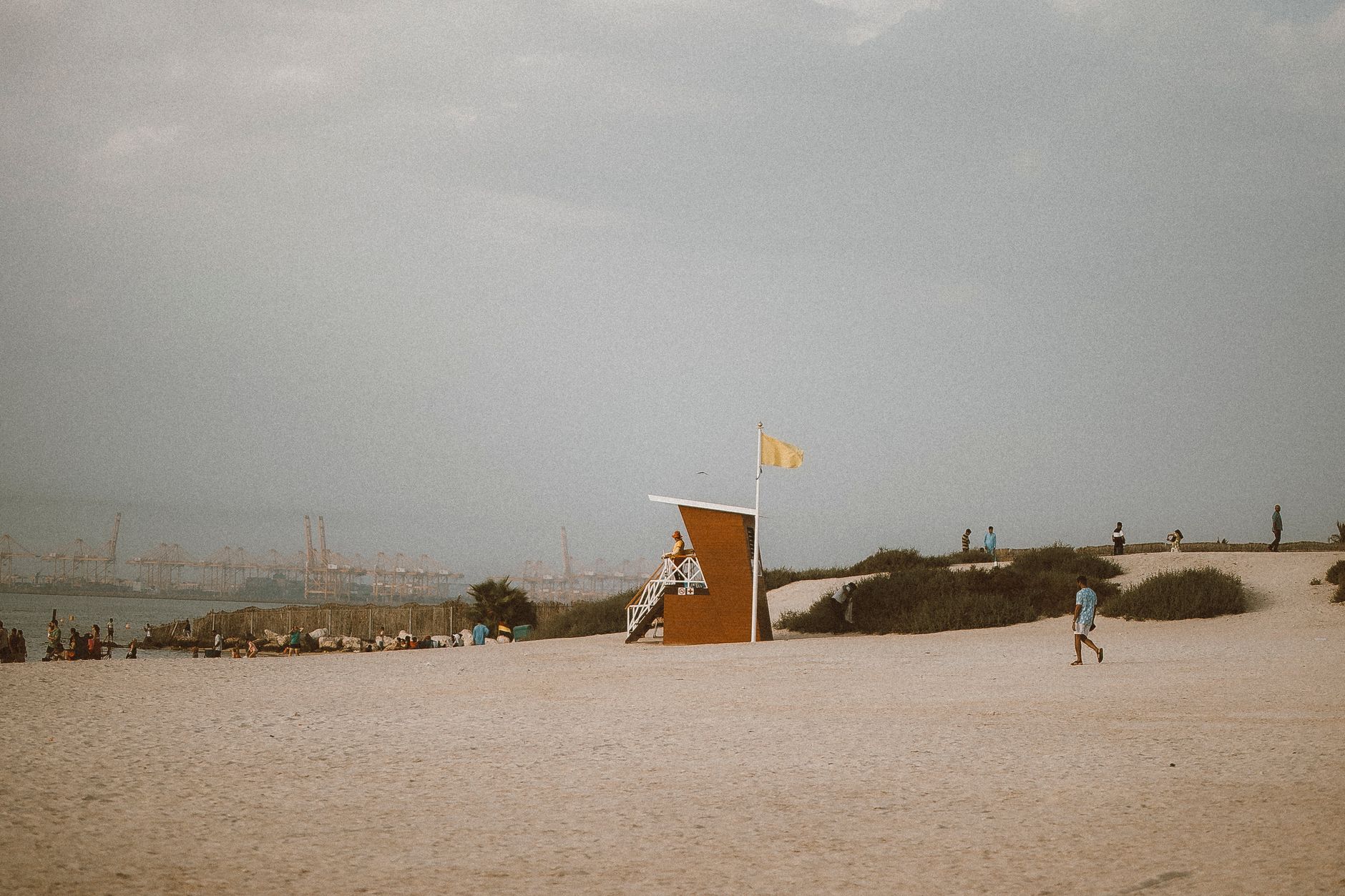
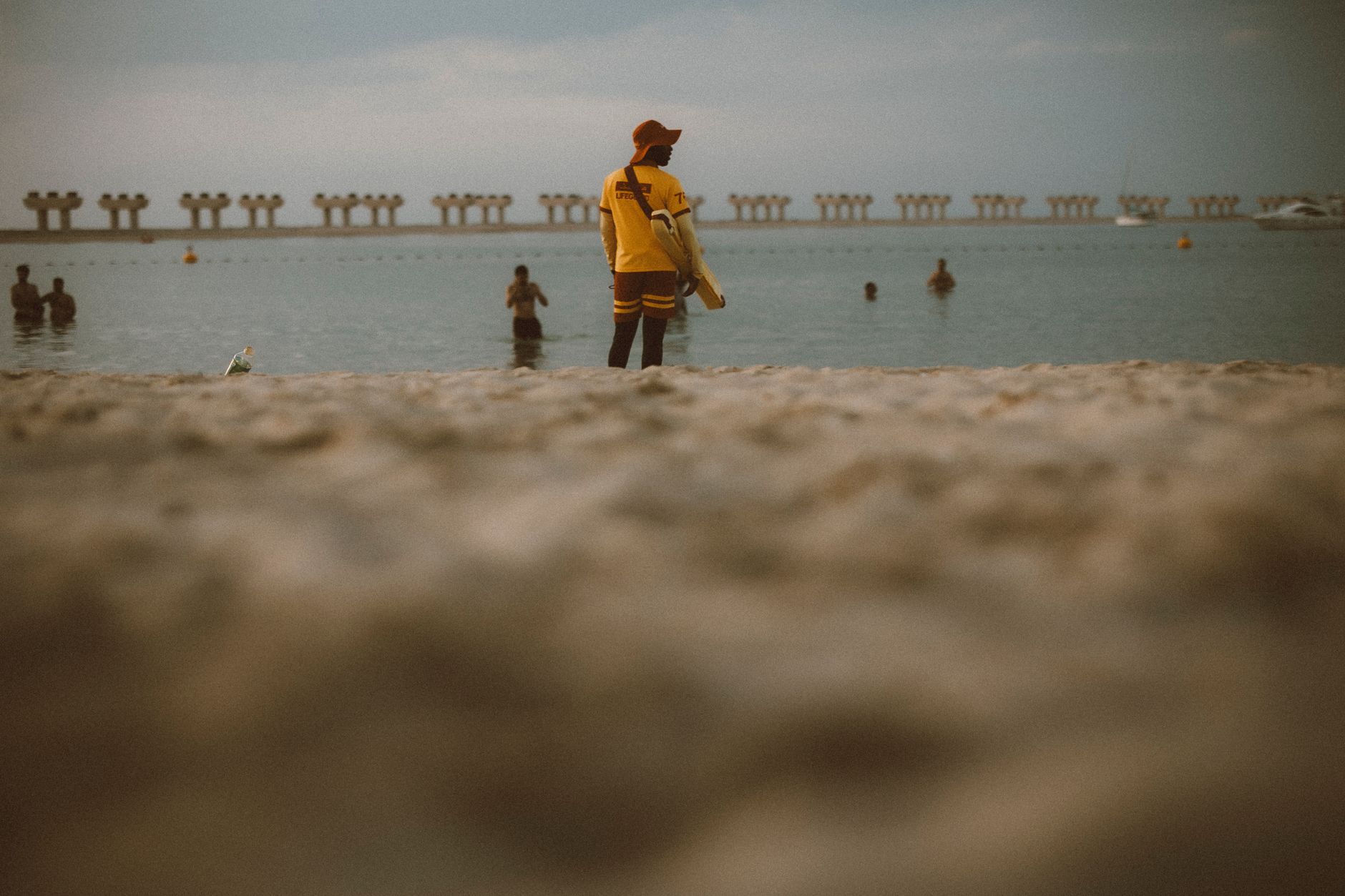
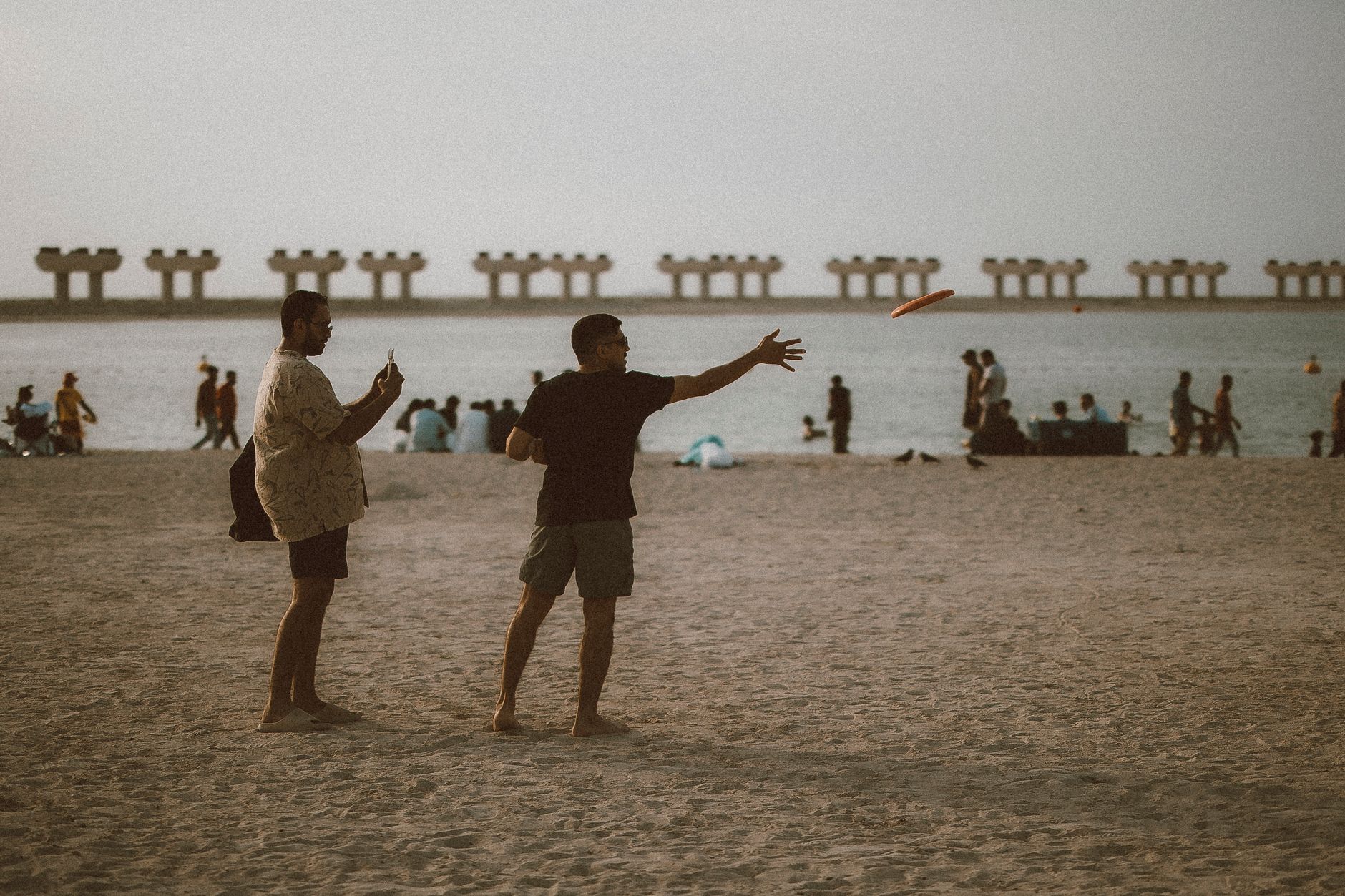
Forty kilometres southwest of central Dubai, Jebel Ali is where the machinery of the emirate becomes visible. The port alone covers more than 134 square kilometres, its cranes stacking containers in long coloured rows that you can glimpse from Sheikh Zayed Road. This is less a neighbourhood than an industrial district that has quietly accumulated layers — a free zone drawing companies from across the globe, a legacy expo site, an airport still finding its footing, and a palm-shaped archipelago that construction crews are, once again, beginning to build.
For most visitors, Jebel Ali is a transit point or a day-trip destination rather than somewhere to linger overnight. But the scale of what was built here — and the speed at which it was built — makes it worth paying attention to.
How Jebel Ali came to be
Jebel Ali was little more than a stretch of coastline when Sheikh Rashid bin Saeed, Dubai's ruler, made the decision in the 1970s to build a deep-water port here — far outside the city — to future-proof Dubai's economy as oil revenues became less certain. Construction on the port began in 1977, and Queen Elizabeth II inaugurated it in February 1979. A workers' village had gone up alongside it, designed by Sir William Halcrow and Partners, to house the contractors building it all.
In 1985, the Jebel Ali Free Zone was established around the port, eventually growing to over 57 square kilometres and contributing roughly a quarter of Dubai's GDP. The original village, which had housed generations of expat workers, was demolished from 2022 onwards to make way for luxury villas — a quiet marker of how thoroughly the district has shifted.
Who and what shaped it
People who shaped it
Landmark buildings
See Jebel Ali in motion
Plan your visit
On the map
When to go
Winters, from November through March, are warm and dry, with daytime temperatures between 20 and 28°C — the most comfortable time to be outdoors here. Summers are intense, with July and August regularly exceeding 40°C and high humidity near the coast.
Right now
Background & history adapted from Wikipedia (CC BY-SA) · specs from Wikidata (CC0) · weather from Open-Meteo · map data © OpenStreetMap contributors · photos from Wikimedia Commons / Unsplash with per-image credit. No third-party reviews or social posts reproduced.