
Iztapalapa
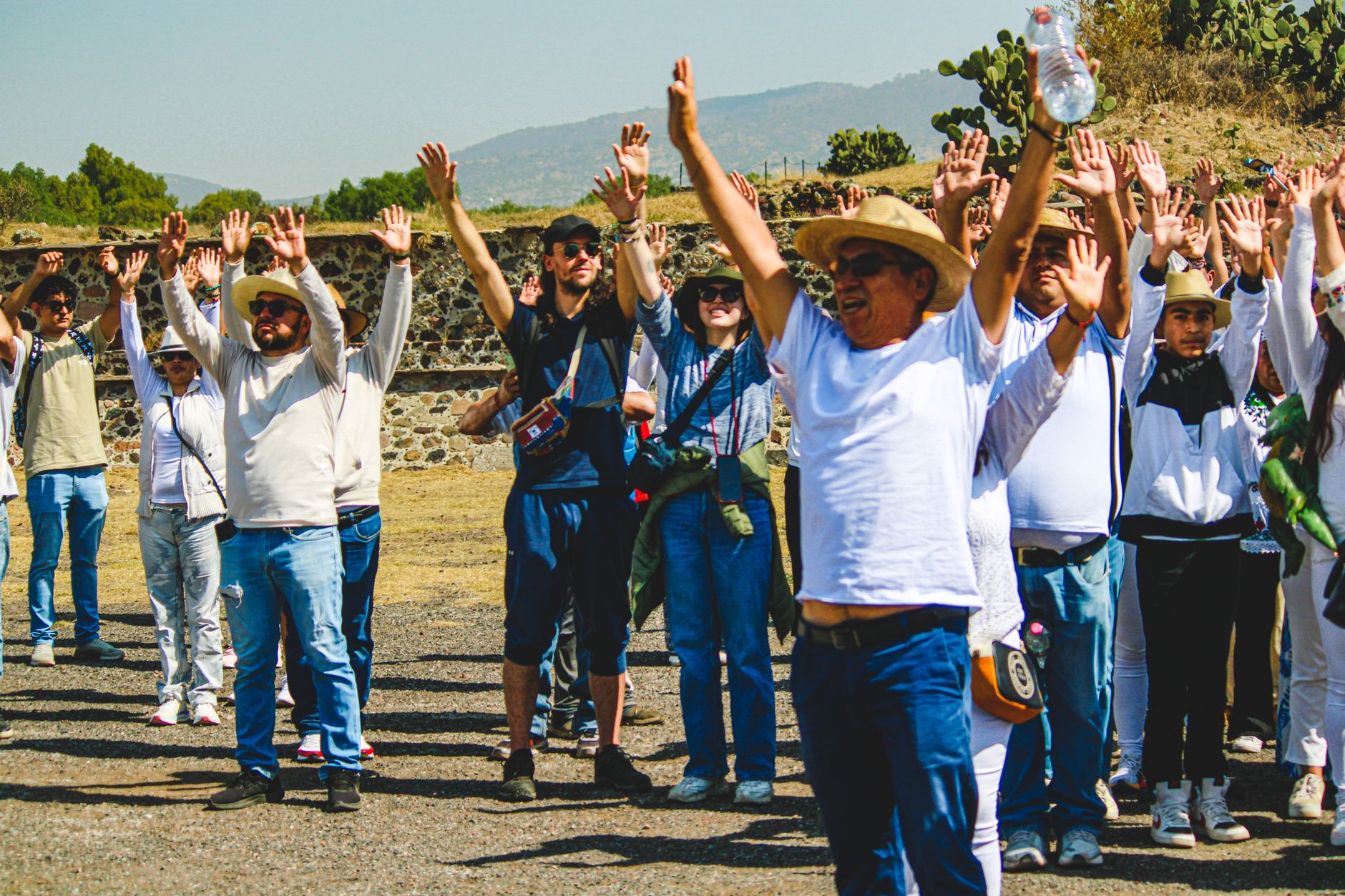


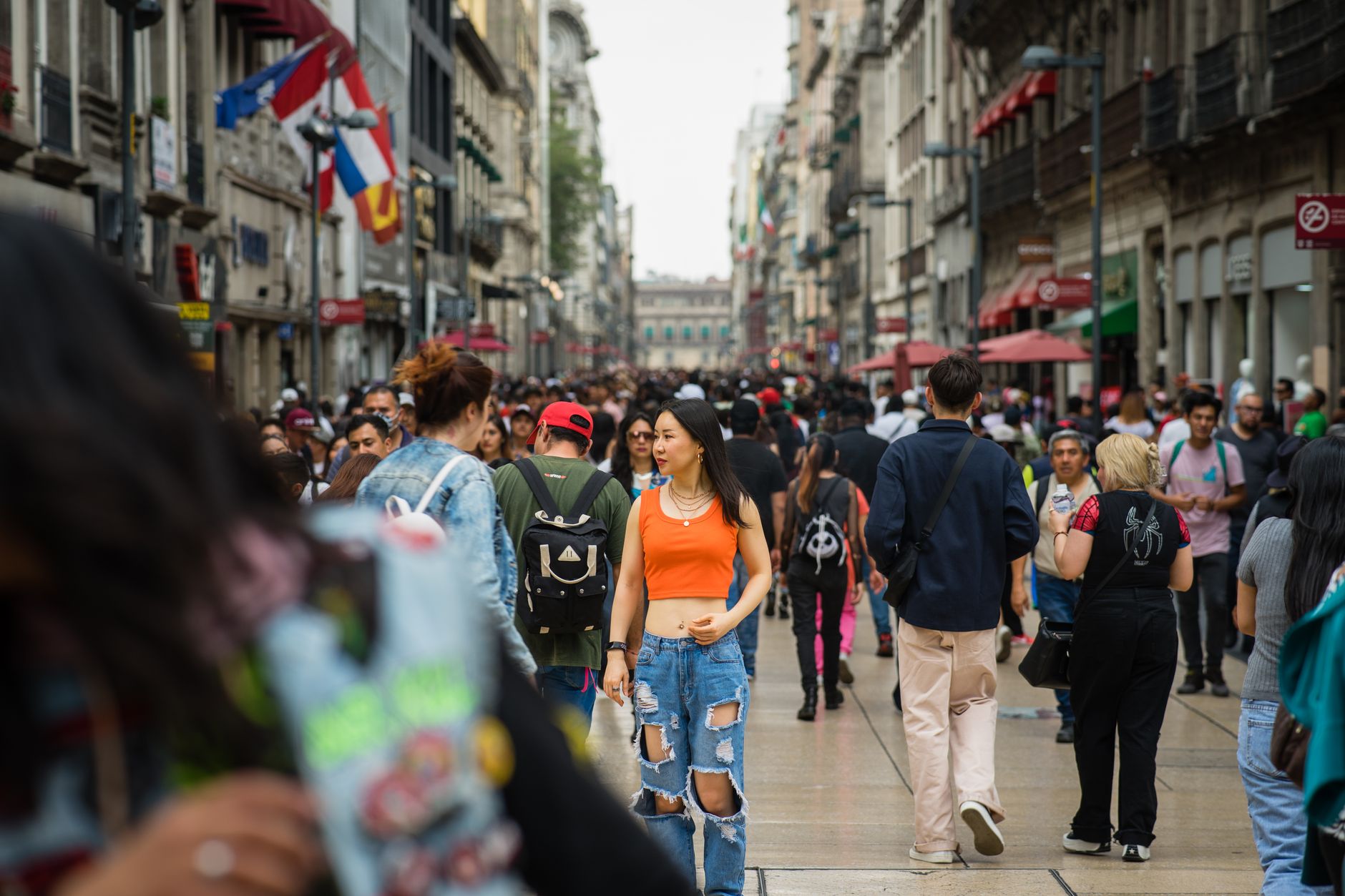
At 4 a.m., the lights at La Nueva Viga are already blazing. Fishmongers are arranging Gulf shrimp and Pacific tuna across 202 wholesale stalls, supplying roughly sixty percent of Mexico's seafood before most of the country has made coffee. That particular hour tells you something about Iztapalapa — a borough of about two million people on Mexico City's eastern edge where the serious work of feeding a nation happens quietly, at scale, before dawn.
The same ground once sat on the shore of Lake Texcoco, where the Aztec name for this place — 'in the water of the flagstones' — described something literal. The lake is long gone, replaced by one of the world's largest urban concentrations, yet Iztapalapa still carries its ancient weight: a hill with a pyramid on top, a passion play that draws four million people a week, and markets so large they redefine the word.
💛 What travellers fall for
People who come back tend to time a return visit around Semana Santa, even if the crowds are formidable. The Passion Play has run every year since 1843 and the staging on Cerro de la Estrella, with the pre-Hispanic pyramid as backdrop, is unlike anything a theatre can replicate. Book accommodation well outside the borough and arrive by metro on Line 8.
Deals in Iztapalapa
Book directly at the provider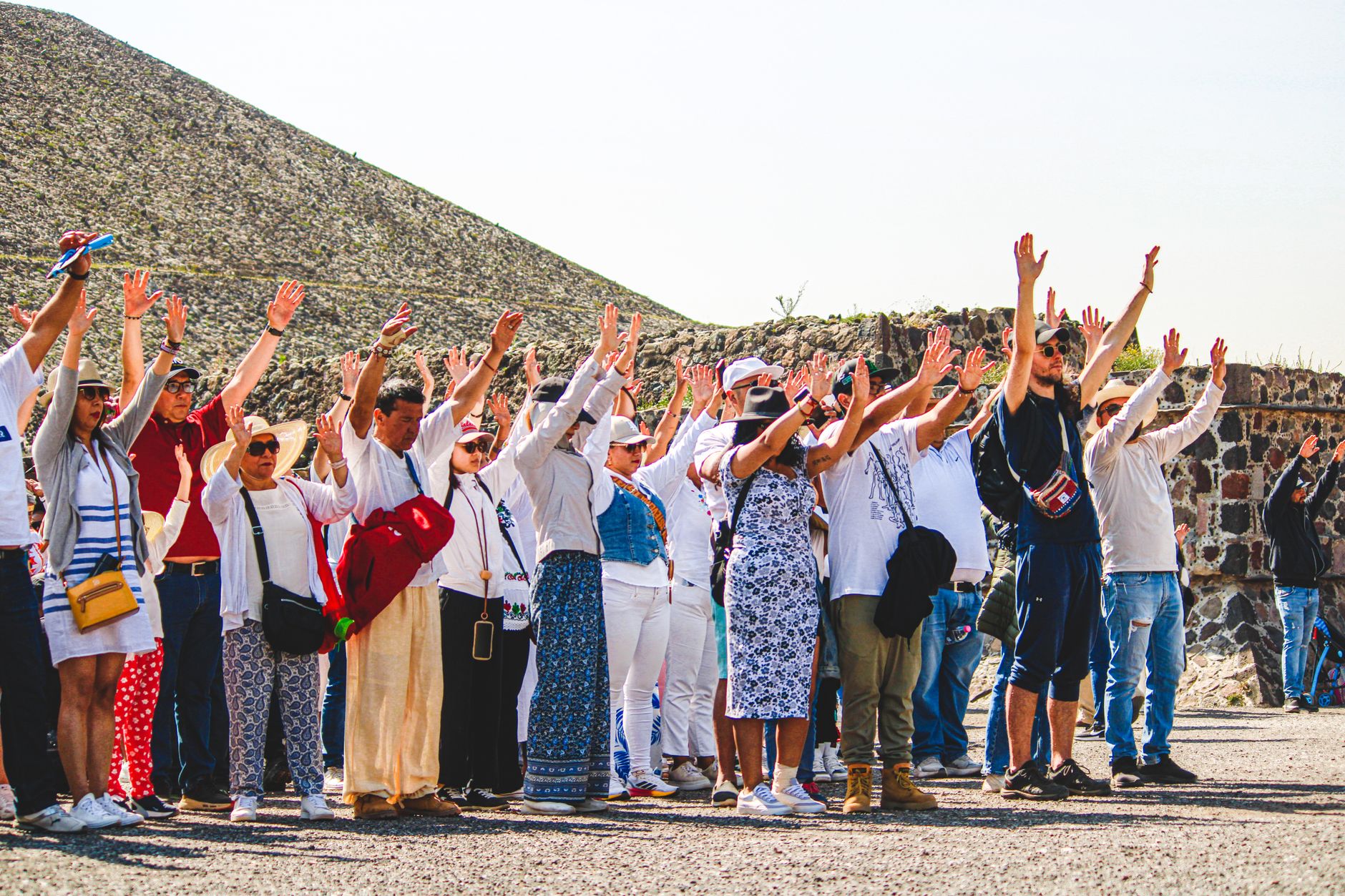


How Iztapalapa came to be
The name predates the Spanish by centuries: Nahuatl for 'in the water of the flagstones,' it described a settlement on the shores of Lake Texcoco that held genuine strategic importance in the Aztec world. On the hill now called Cerro de la Estrella — anciently Huixachtécatl — priests lit the New Fire ceremony every 52 years, a ritual meant to restart cosmic time. The Spanish arrived, the lake was drained over generations, and by 1552 the Augustinians were building a monastery in nearby Culhuacán.
The official municipality dates to 1862; the borough was carved out in 1928 from what had been independent towns within the Federal District. Iztapalapa remained largely rural until the 1950s, when industrialization and migration reshaped it rapidly. In 2006 it was formally renamed Iztapalapa de Cuitláhuac, honoring the tenth Aztec emperor — a small act of historical reclamation in a place that has never quite forgotten what stood here before.
Who and what shaped it
Landmark buildings
See Iztapalapa in motion
Plan your visit
On the map
When to go
Winter days are mild and dry, typically 20–25°C, with cool nights that can dip toward 5°C — a light jacket earns its place. Spring, March through May, is the most comfortable window: warm afternoons around 25–30°C, clear skies, and almost no rain, which matters if you're planning around outdoor events or the hilltop sites.
Right now
Background & history adapted from Wikipedia (CC BY-SA) · specs from Wikidata (CC0) · weather from Open-Meteo · map data © OpenStreetMap contributors · photos from Wikimedia Commons / Unsplash with per-image credit. No third-party reviews or social posts reproduced.