
Istanbul
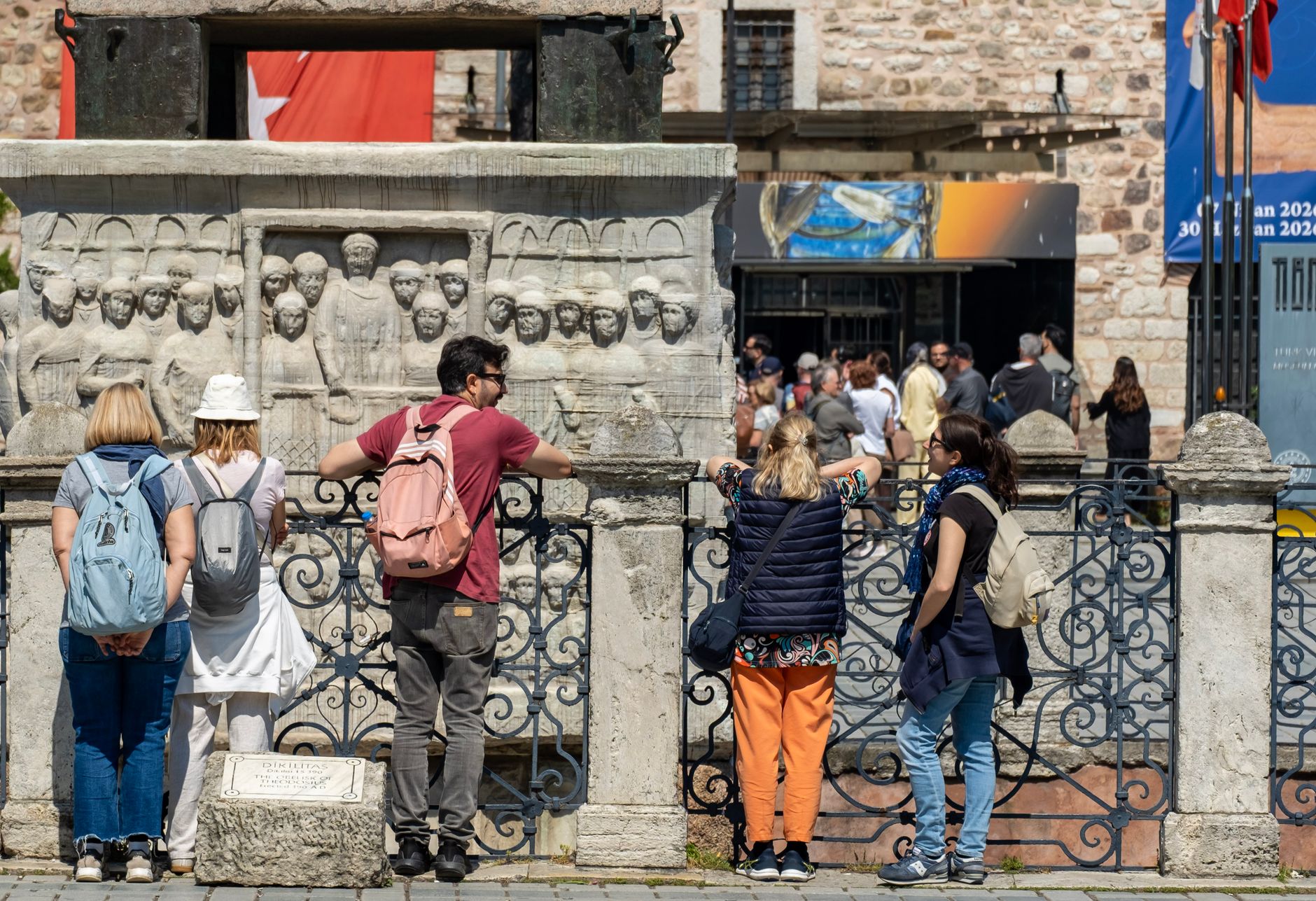
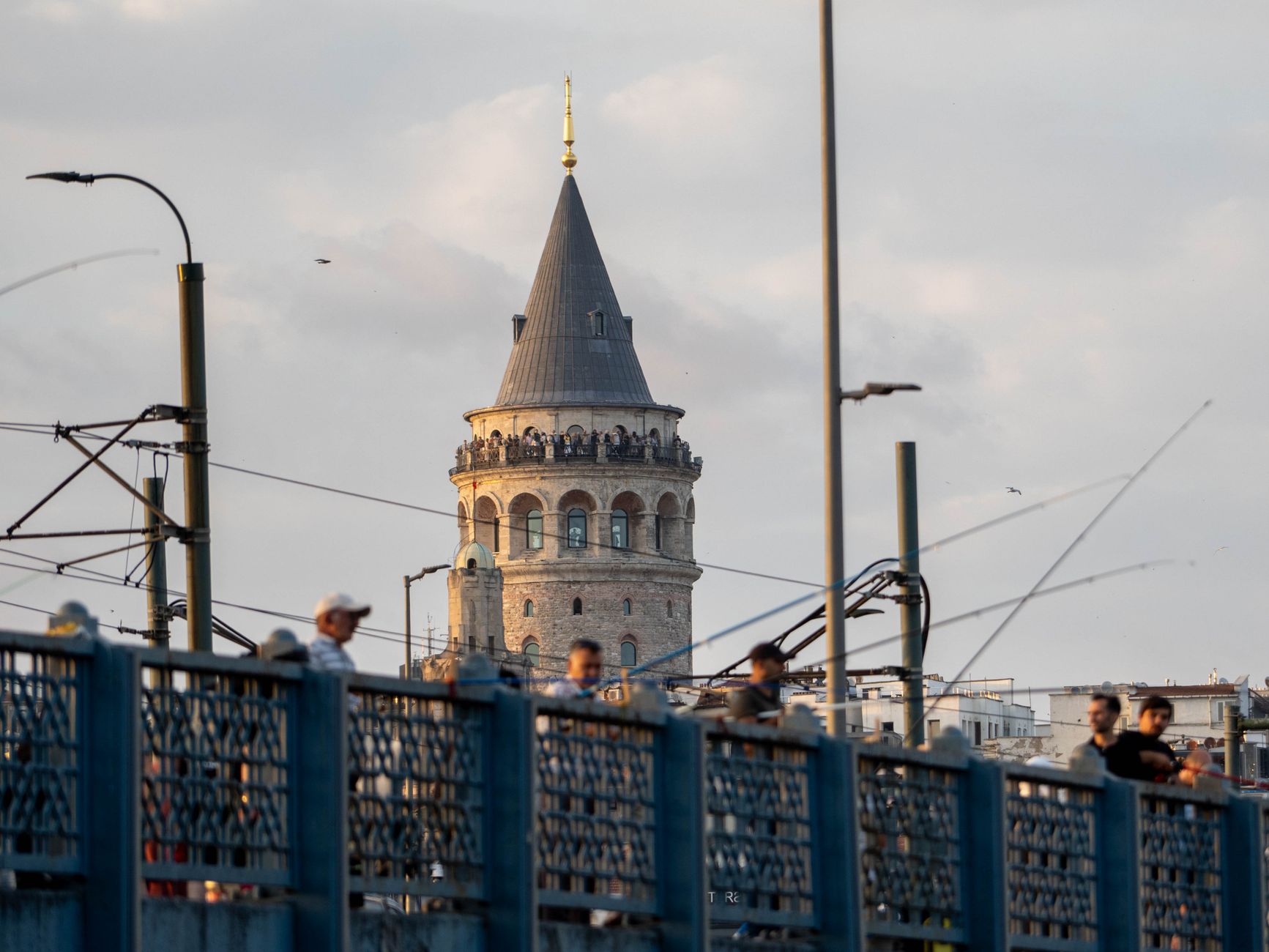
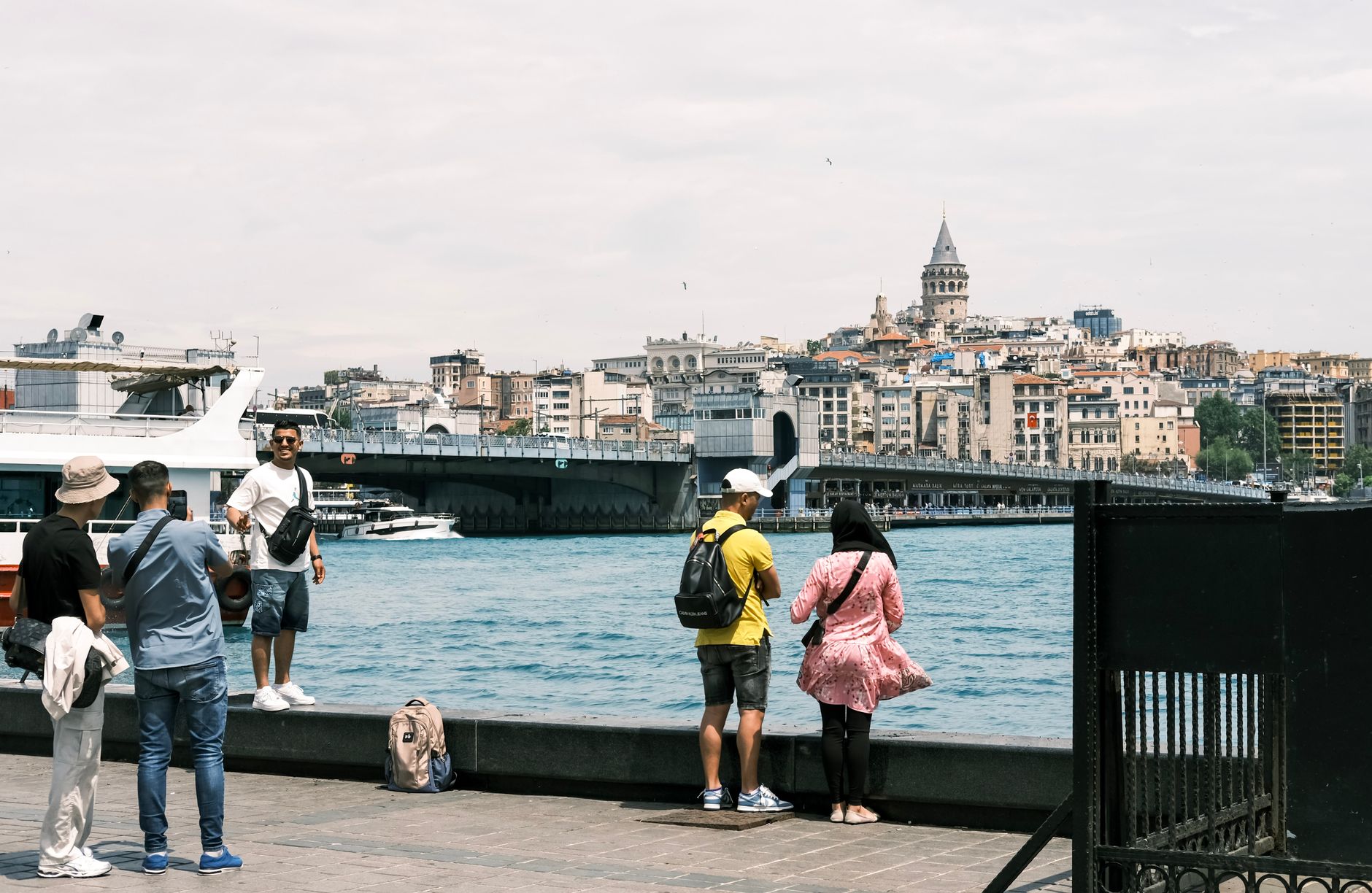
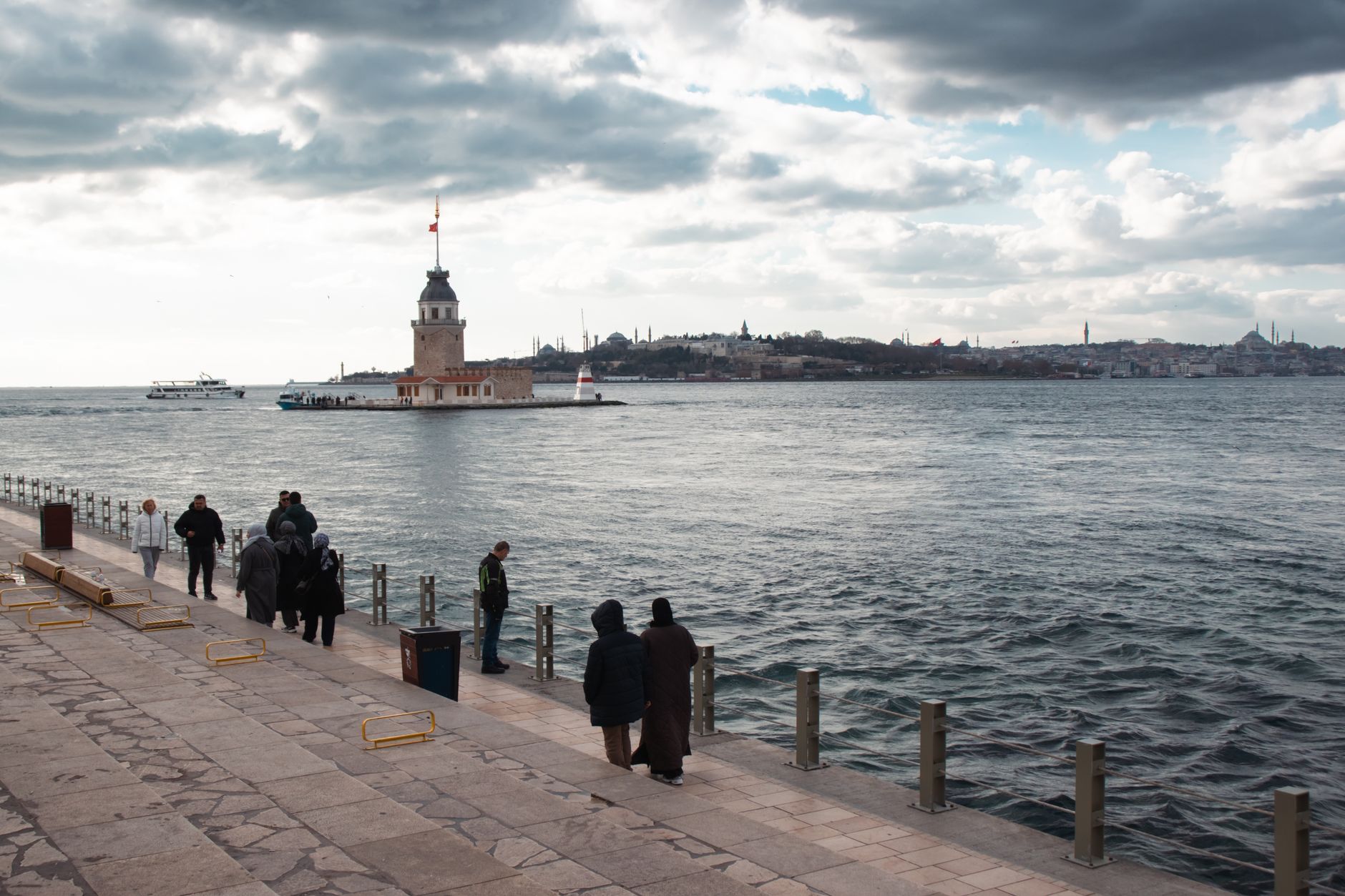
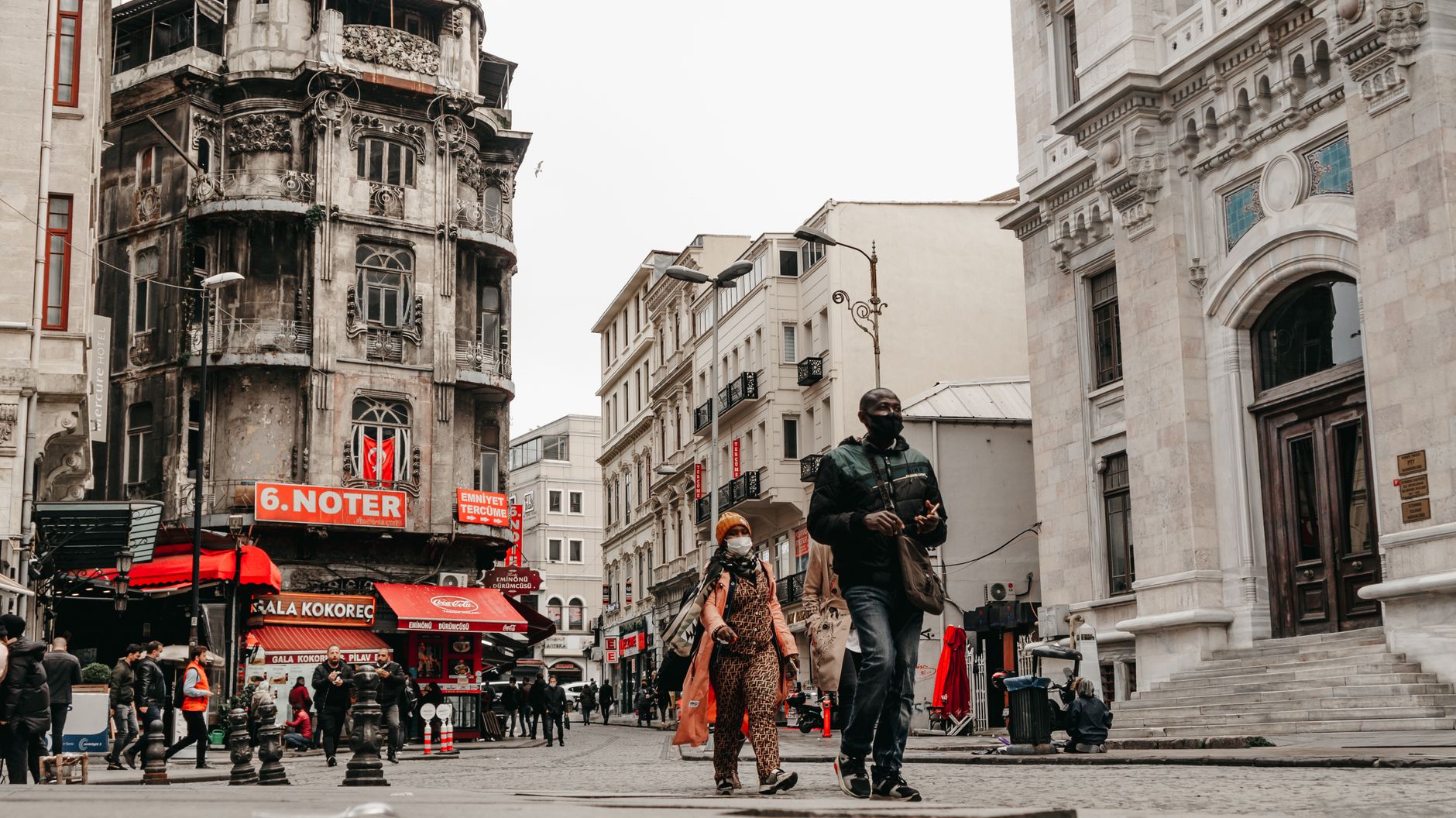
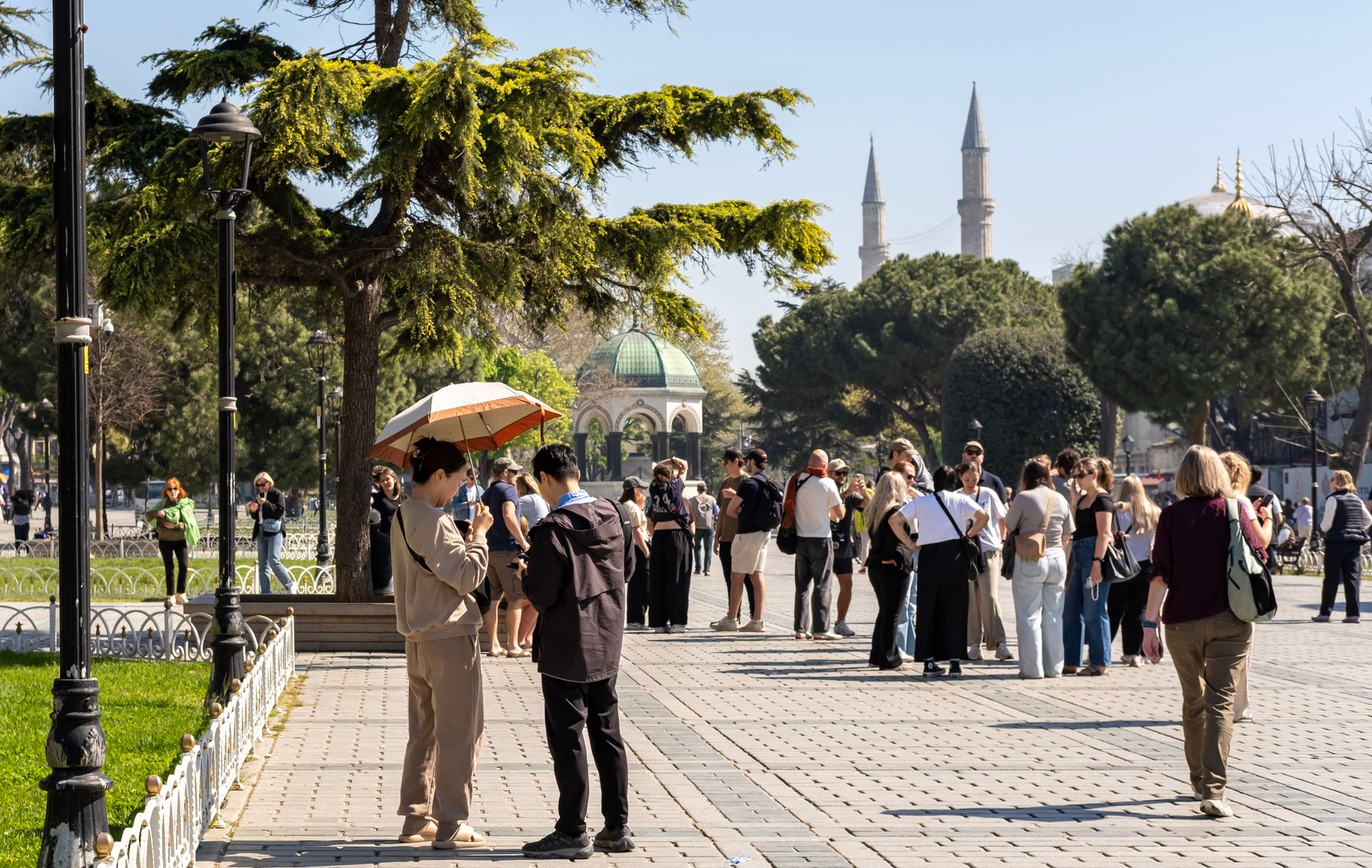
Istanbul is one of the few cities in the world that sits on two continents, and you feel that duality in everything — the way the call to prayer echoes across water, the way Byzantine stonework and Ottoman tile exist on the same street corner, the way Europe ends and Asia begins mid-bridge. The Bosphorus is not a metaphor here; it is a working strait, crossed daily by ferries carrying commuters and fishermen.
The old city — Sultanahmet — holds an extraordinary concentration of history within walking distance. The T1 tram threads through it, stopping at the Grand Bazaar, Hagia Sophia, and the palace gates, which makes orientation easier than a city this layered has any right to be.
💛 What travellers fall for
People who come back tend to base themselves outside Sultanahmet — Karaköy or Beyoğlu — and take the T1 in when they want the monuments. The Basilica Cistern is best early, before tour groups arrive. The Süleymaniye Mosque draws far fewer crowds than the Blue Mosque and the views from its courtyard over the Golden Horn are quieter and arguably better.
How Istanbul came to be
Greek colonists from Megara founded Byzantium on the Sarayburnu promontory in 667 BC, drawn by the deep natural harbour of the Golden Horn. The city grew steadily until Emperor Constantine chose it as the seat of a reorganised Roman Empire, officially inaugurating Constantinople on 11 May 330 AD. For over a thousand years it remained the capital of the Byzantine world, accumulating monuments — Hagia Sophia, the Theodosian Walls, the Basilica Cistern — that still define its skyline.
In 1453, Mehmed II took the city after a siege that ended Byzantine rule, and Constantinople became the capital of the Ottoman Empire. The Topkapı Palace and Grand Bazaar followed within a decade; the great mosques — Beyazıt, Süleymaniye, the Blue Mosque — came over the next two centuries. When the Republic of Turkey was established in 1923, Ankara became the capital, and the city was formally renamed Istanbul in 1930.
Who and what shaped it
People who shaped it
Landmark buildings
See Istanbul in motion
Plan your visit
On the map
When to go
Summers are hot and humid, with July and August at their most intense; winters are grey and occasionally snowy, with temperatures regularly dropping below 5°C. Spring and autumn are the sweet spots — mild, with longer evenings and shorter queues.
Right now
Background & history adapted from Wikipedia (CC BY-SA) · specs from Wikidata (CC0) · weather from Open-Meteo · map data © OpenStreetMap contributors · photos from Wikimedia Commons / Unsplash with per-image credit. No third-party reviews or social posts reproduced.