
Ipoh
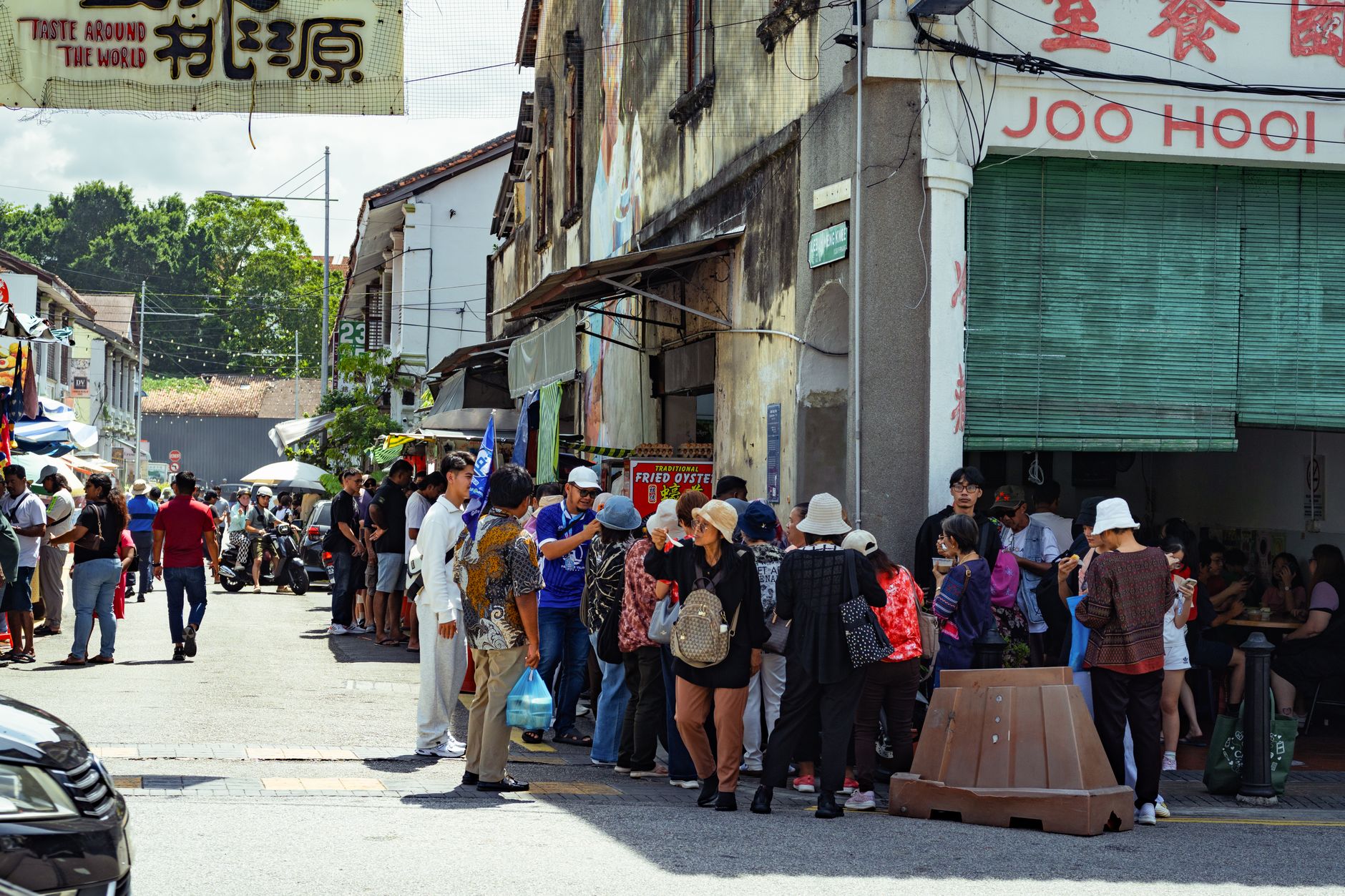
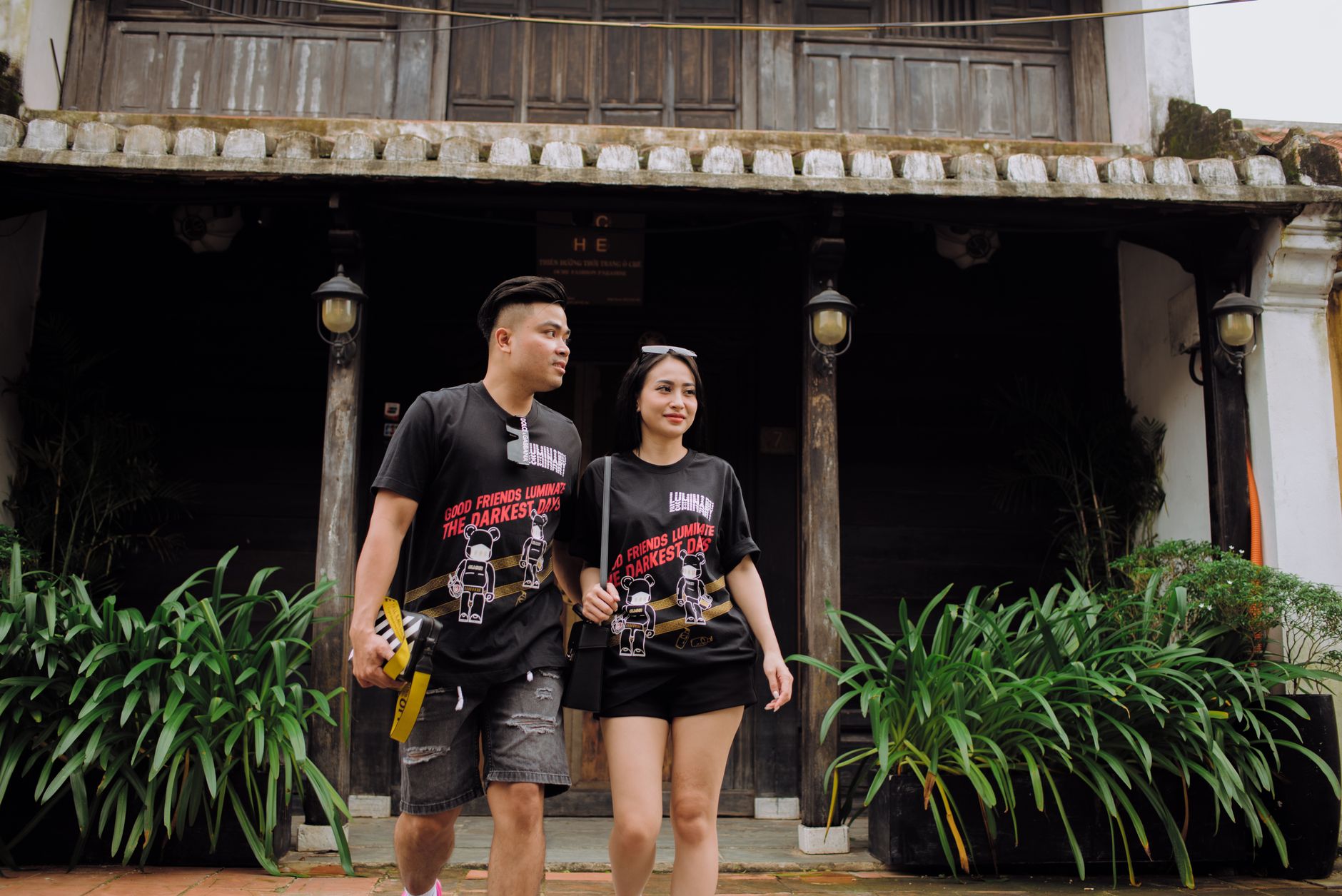
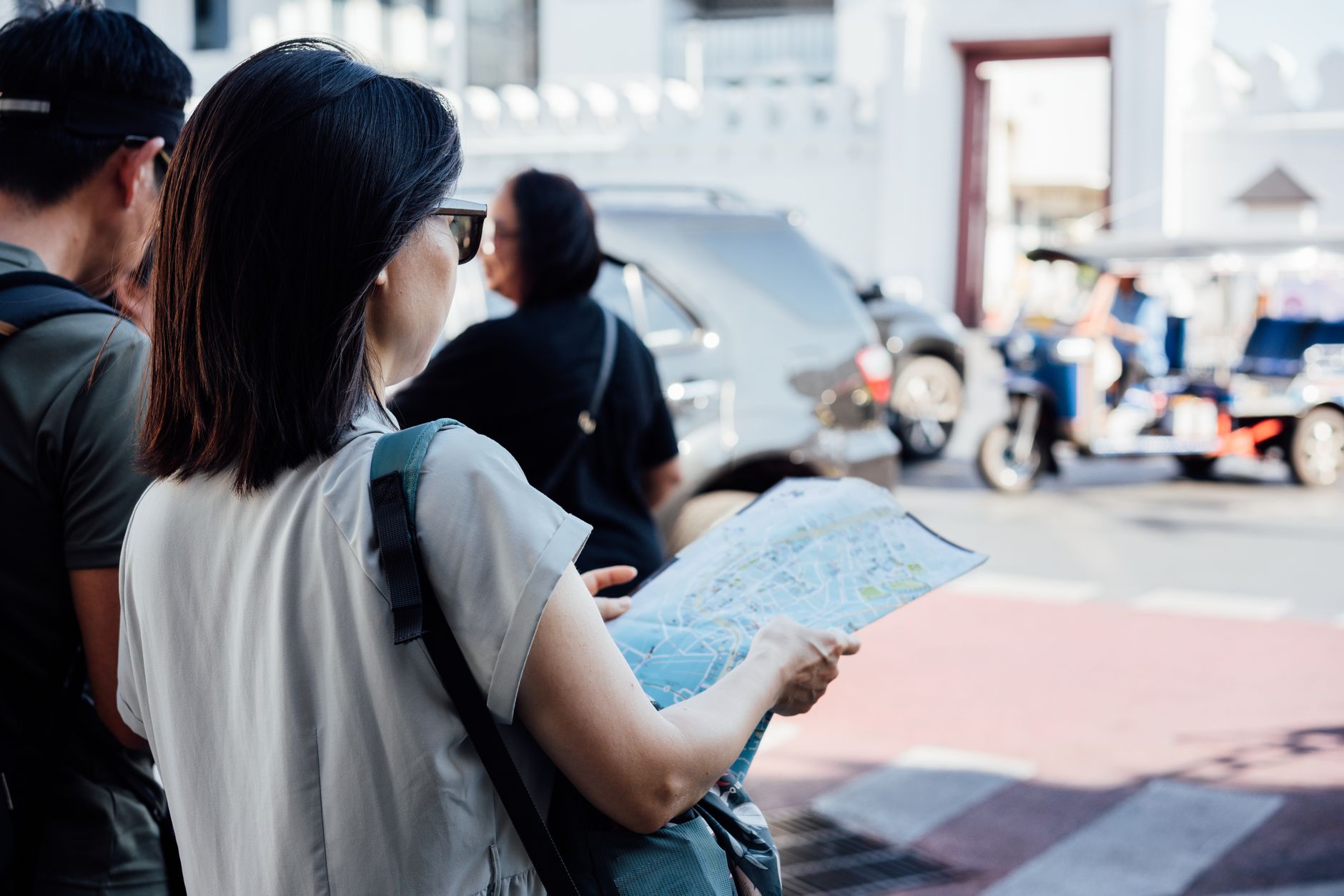
Ipoh runs on a slower clock than most Malaysian cities its size. The colonial facades along Jalan Sultan Iskandar still carry the weight of tin money — arched colonnades, whitewashed plaster, iron grilles going orange at the edges. This was a boomtown, and the bones of that boom are still very much standing.
The city divides neatly into Old Town and New Town, separated by the Kinta River, and both halves are compact enough to walk. Locals are matter-of-fact about the architecture and the food, which is part of what makes spending time here feel less like a tour and more like a visit.
How Ipoh came to be
The settlement at the Kinta River was small and unremarkable until tin changed everything. Through the 1880s, the valley drew Hakka and Cantonese miners in huge numbers, and the money they pulled from the ground rebuilt the town after a fire levelled it in 1892. By 1908, large-scale dredging operations were underway under companies like Malay Tin Dredging Ltd, and the wealth showed: the Railway Station — designed by British architect Arthur Benison Hubback in Neo-Moorish and Indo-Saracenic styles and completed in 1917 — was grand enough to earn the nickname 'Taj Mahal of Ipoh.'
The civic fabric that followed was equally deliberate. Hubback also completed the Town Hall and Old Post Office in 1916. The Straits Trading Company Building went up in 1907, at a time when the company handled roughly half of all tin sales from Perak. Ipoh was granted city status in 1988, long after the tin era had wound down, but the architecture it left behind gives the place a weight that newer Malaysian cities rarely carry.
Who and what shaped it
People who shaped it
Landmark buildings
See Ipoh in motion
Plan your visit
On the map
When to go
Ipoh has a tropical rainforest climate, warm and humid year-round, with rainfall distributed fairly evenly across the seasons due to its position relative to the Intertropical Convergence Zone. There is no true dry season, so rain is always a possibility — mornings tend to be clearer, with afternoon showers more common.
Right now
Background & history adapted from Wikipedia (CC BY-SA) · specs from Wikidata (CC0) · weather from Open-Meteo · map data © OpenStreetMap contributors · photos from Wikimedia Commons / Unsplash with per-image credit. No third-party reviews or social posts reproduced.