
Innsbruck
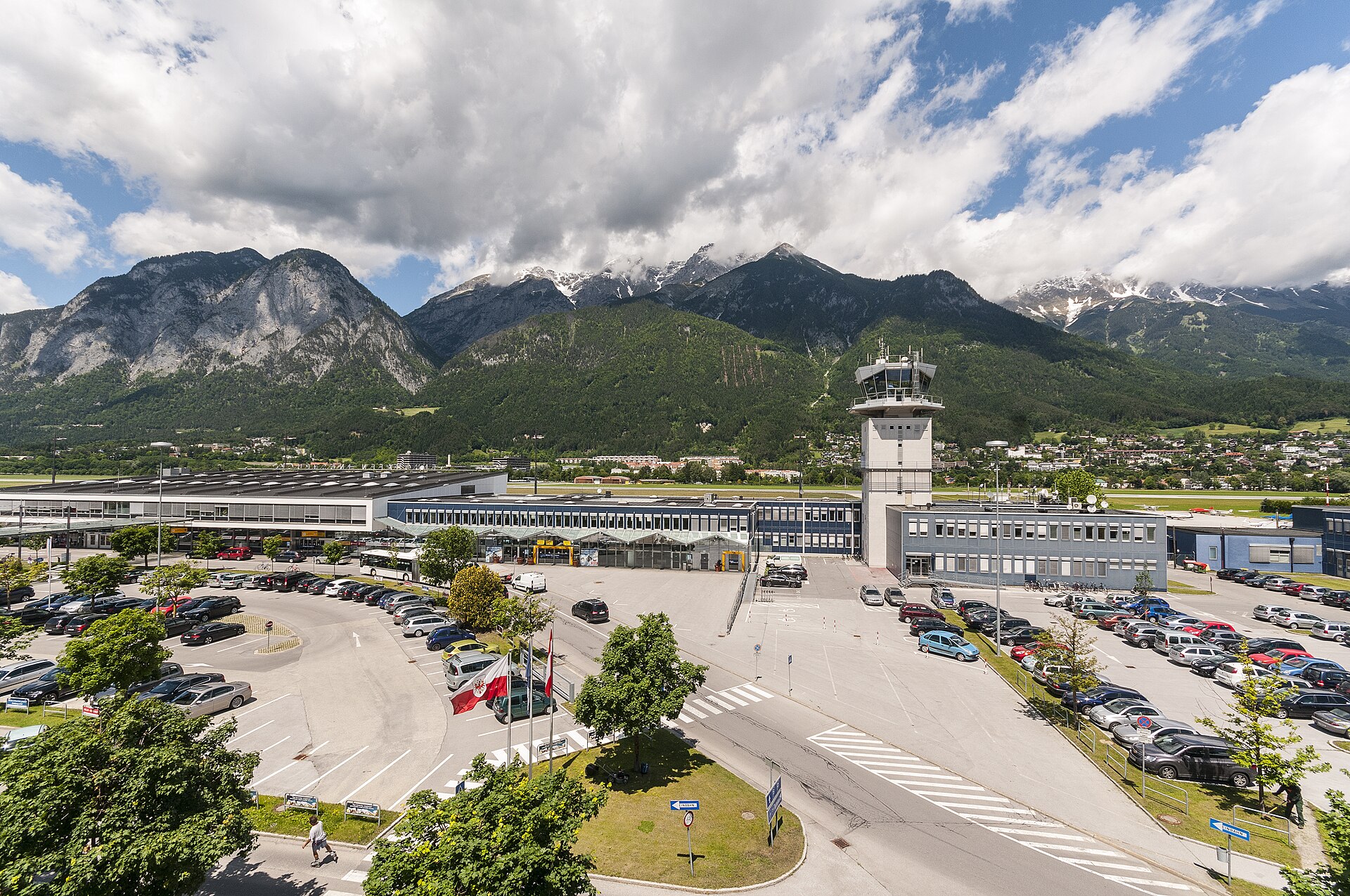
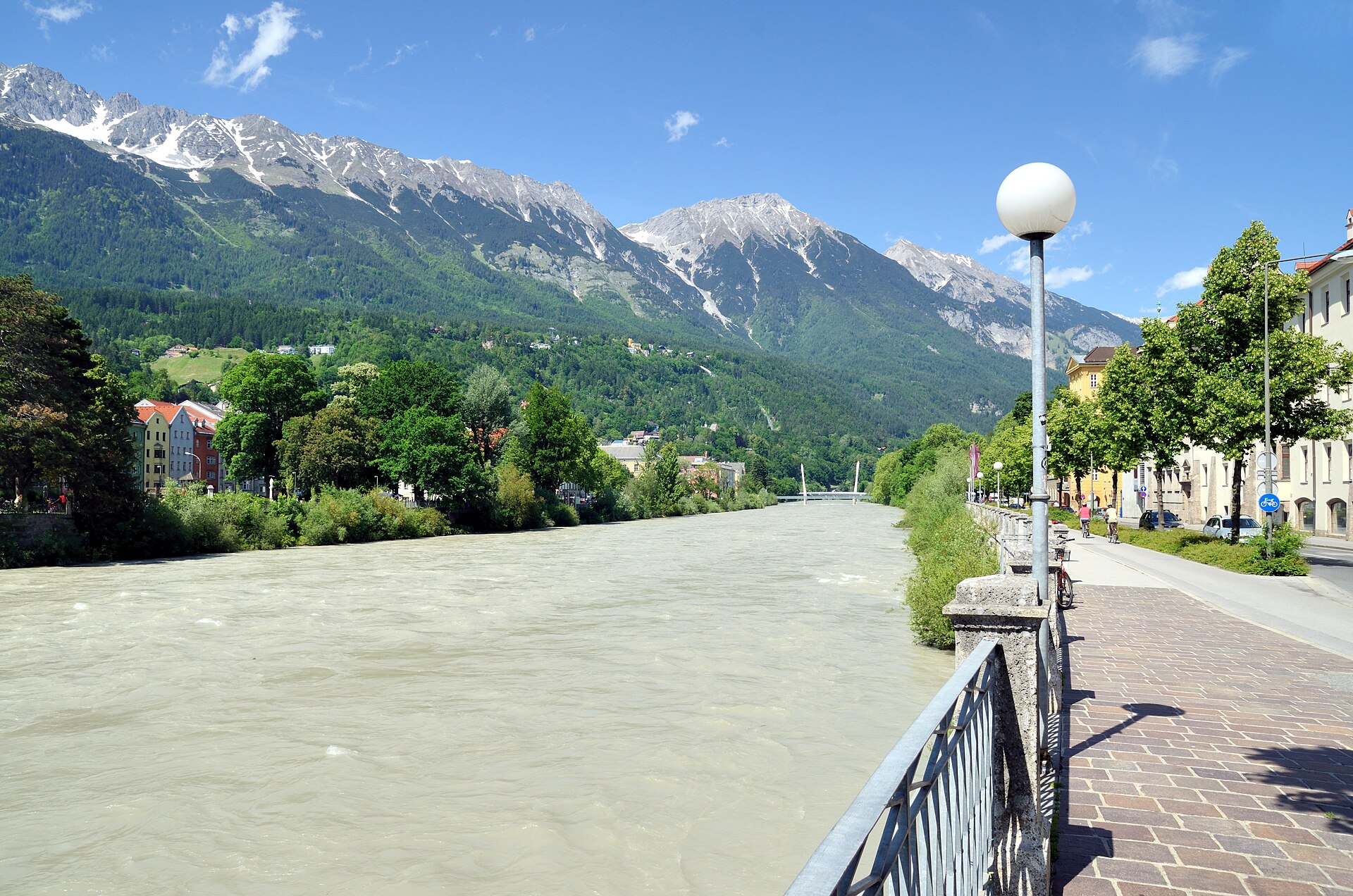
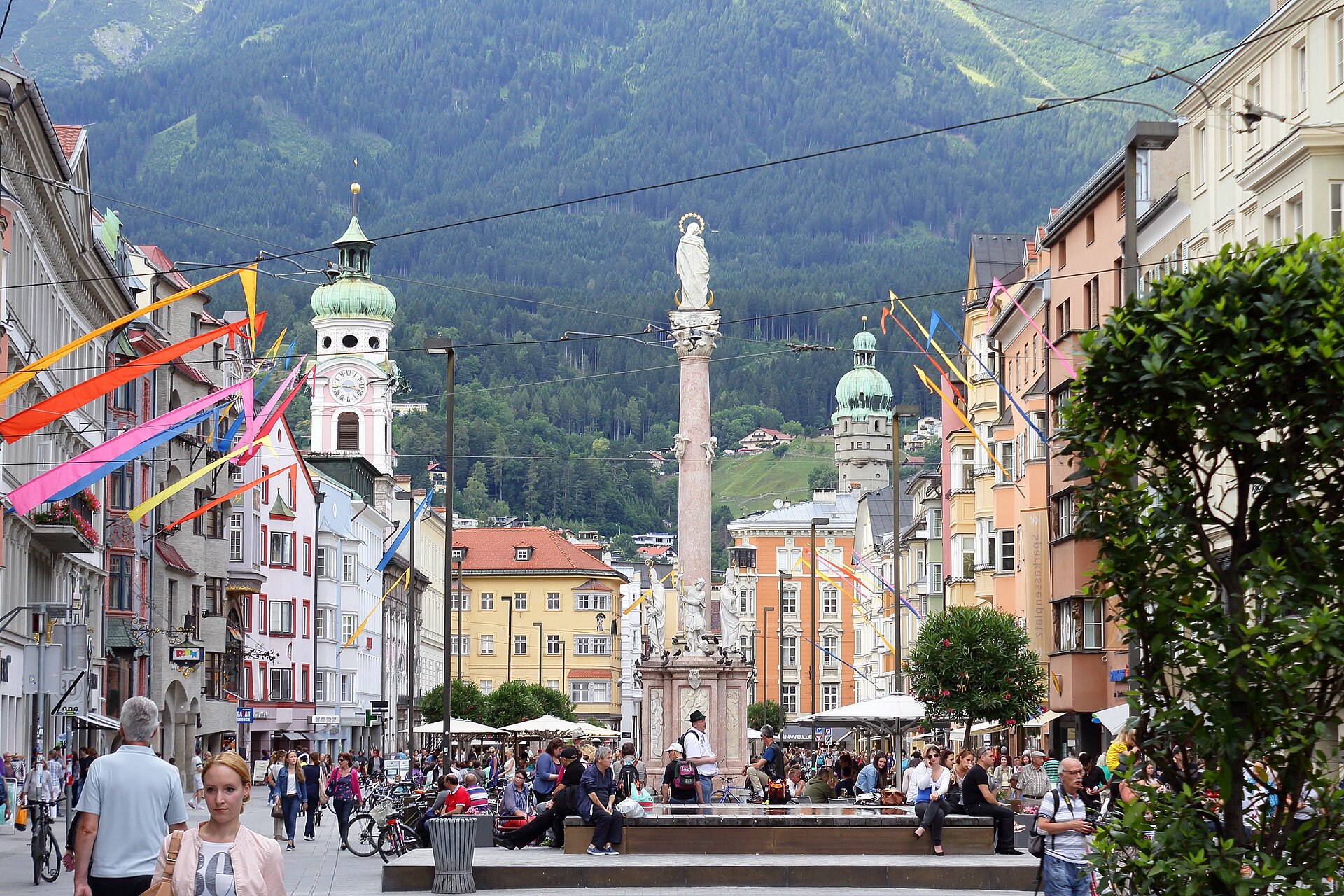
The Inn River cuts through the middle of Innsbruck and the city takes its name from the bridge that once crossed it — a useful fact that tells you something true about the place. This is a city built around a crossing point, and it still works that way: between the Alps and the valley floor, between medieval stone and a Zaha Hadid ski jump on the hill above town, between a Habsburg past so dense you can barely walk a block without running into it and a university city that keeps things moving.
The old centre is compact enough to cover on foot in an afternoon, but the surrounding Tyrolean Alps mean that the vertical dimension is always present — the mountains don't sit in the background here, they press in close.
💛 What travellers fall for
People who come back tend to time their visit around the Bergisel ski jump — not to watch a competition, just to ride up and stand on the Zaha Hadid tower at dusk when the city and the valley spread out below. The tram network is genuinely useful; a single ticket covers 90 minutes and the lines reach further than you'd expect.
How Innsbruck came to be
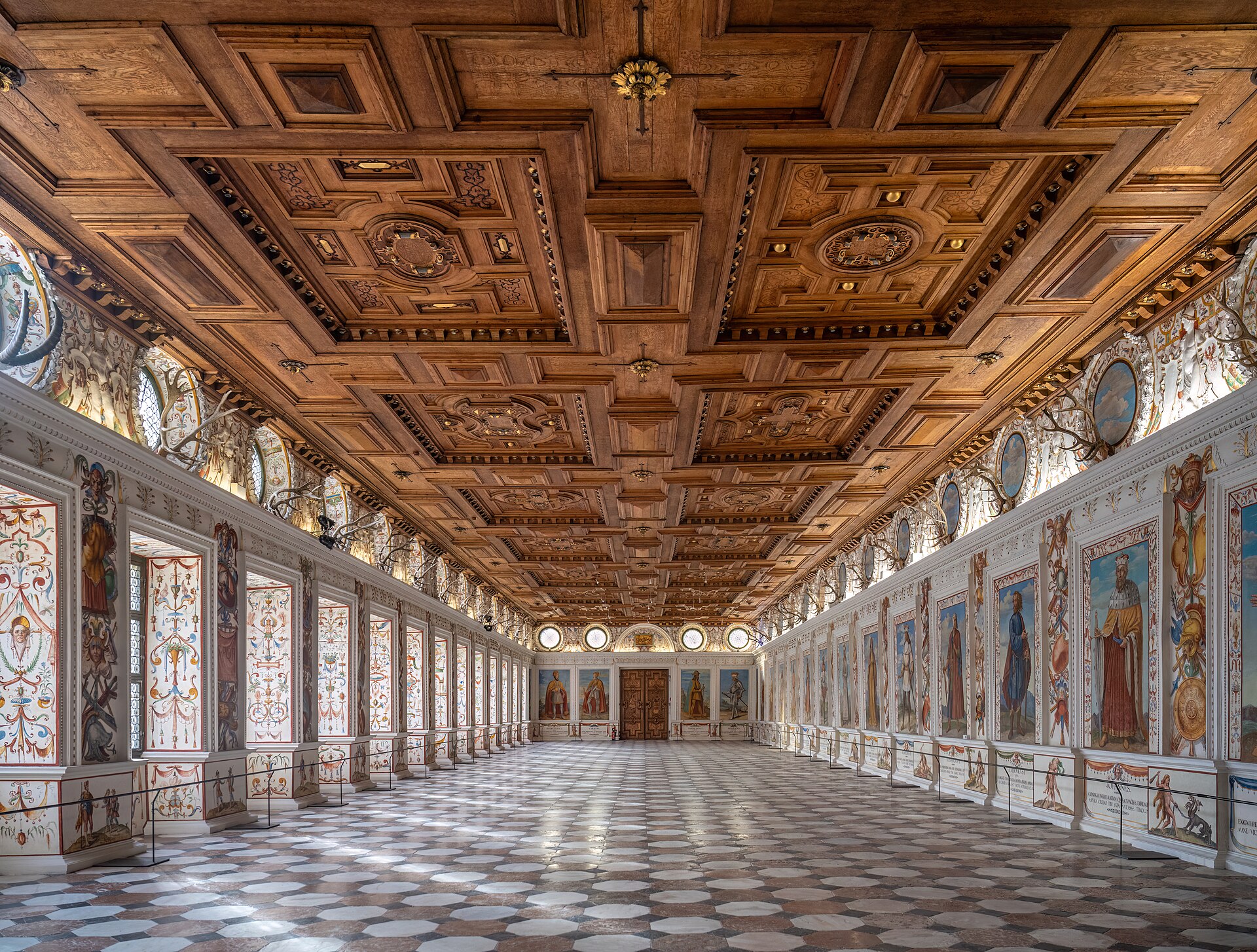
Innsbruck was first recorded in 1180 as a market town belonging to the Bavarian counts of Andechs, though its formal foundation dates to 1237. It came under Habsburg control in 1363 and rose quickly in importance when Emperor Maximilian I made it an imperial residence, commissioning the Golden Roof — a late-Gothic oriel balcony of 2,738 gold-plated copper tiles — in the early 15th century. By 1429 it was the capital of Tyrol, and in 1564 Archduke Ferdinand II took control of the region, building Schloss Ambras to house his Renaissance collections. The university followed in 1669.
During the Napoleonic Wars, when Tyrol was ceded to Bavaria, the innkeeper and patriot Andreas Hofer led a Tyrolean peasant army to victory against French and Bavarian forces at the Battles of Bergisel and briefly governed from Innsbruck. The city later hosted the Winter Olympics in both 1964 and 1976.
Who and what shaped it
People who shaped it
Landmark buildings
See Innsbruck in motion
Plan your visit
On the map
When to go
Winters are cold and reliably snowy, with temperatures regularly below freezing — ideal if you're heading into the mountains, less so if you're not. Summers are warm but not hot, with cool evenings even in July; afternoon thunderstorms are common in the Alps from June onward. Spring and autumn bring mild days and thinner crowds.
Right now
Background & history adapted from Wikipedia (CC BY-SA) · specs from Wikidata (CC0) · weather from Open-Meteo · map data © OpenStreetMap contributors · photos from Wikimedia Commons / Unsplash with per-image credit. No third-party reviews or social posts reproduced.