
Ingolstadt
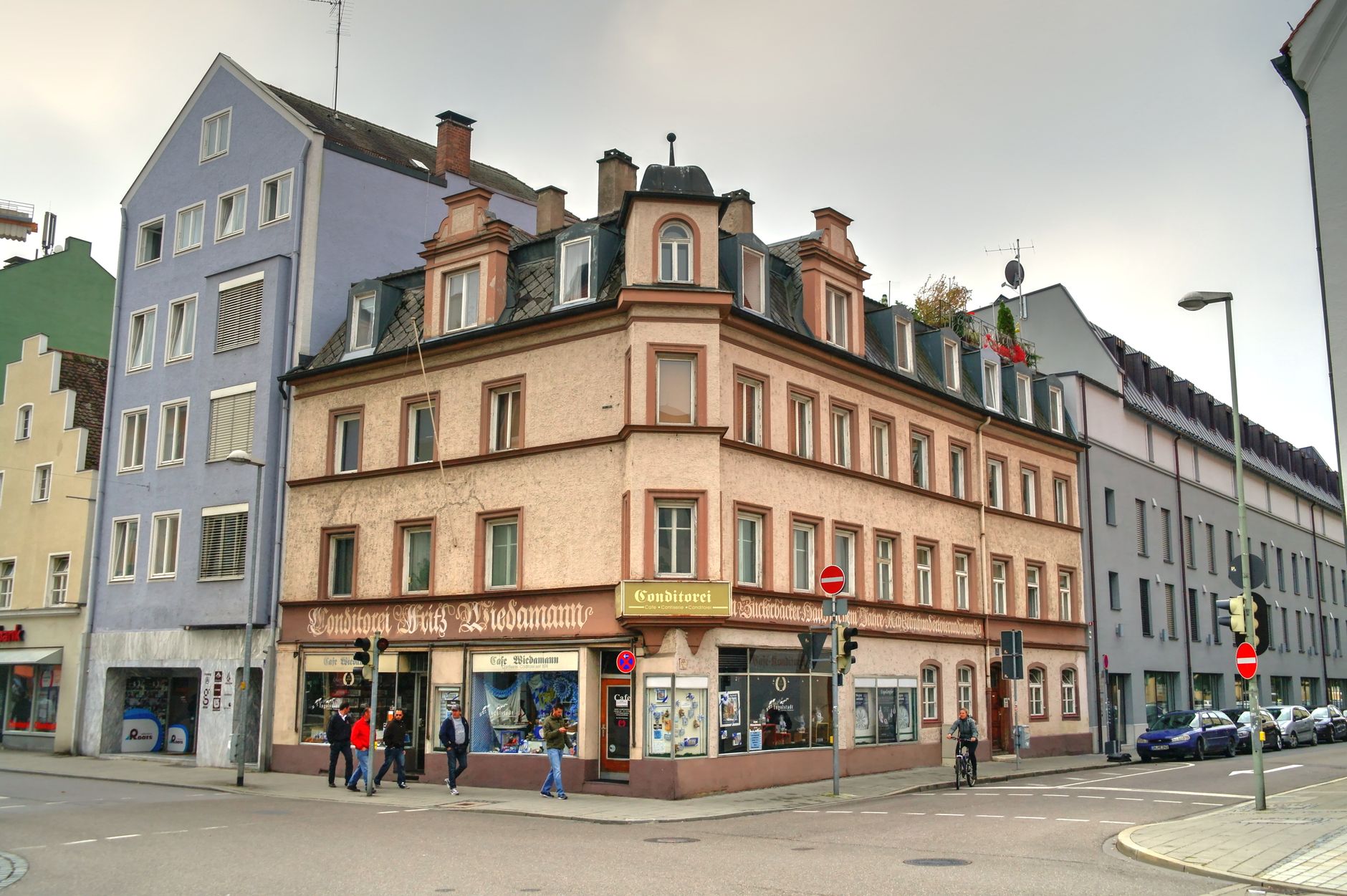
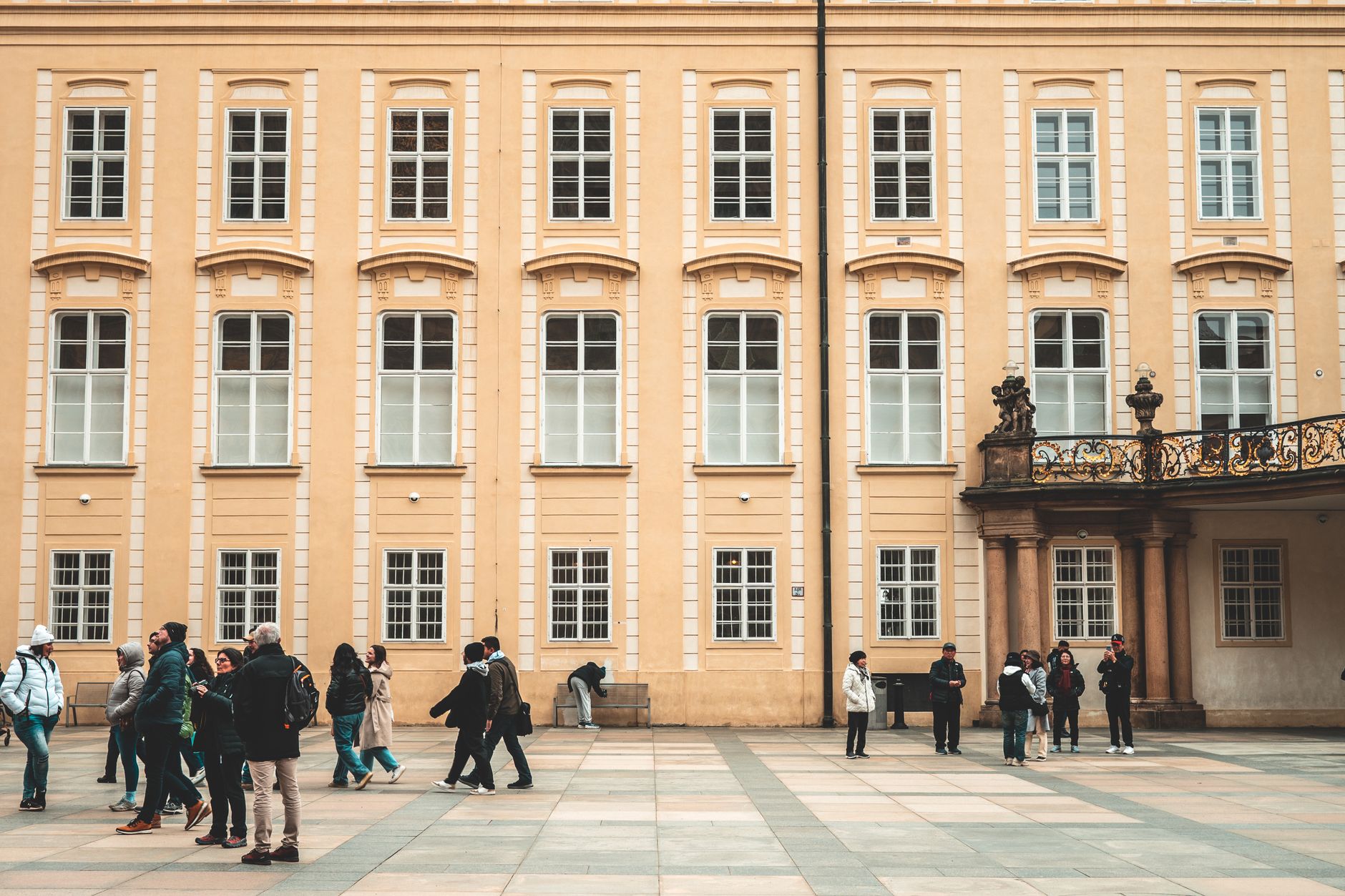
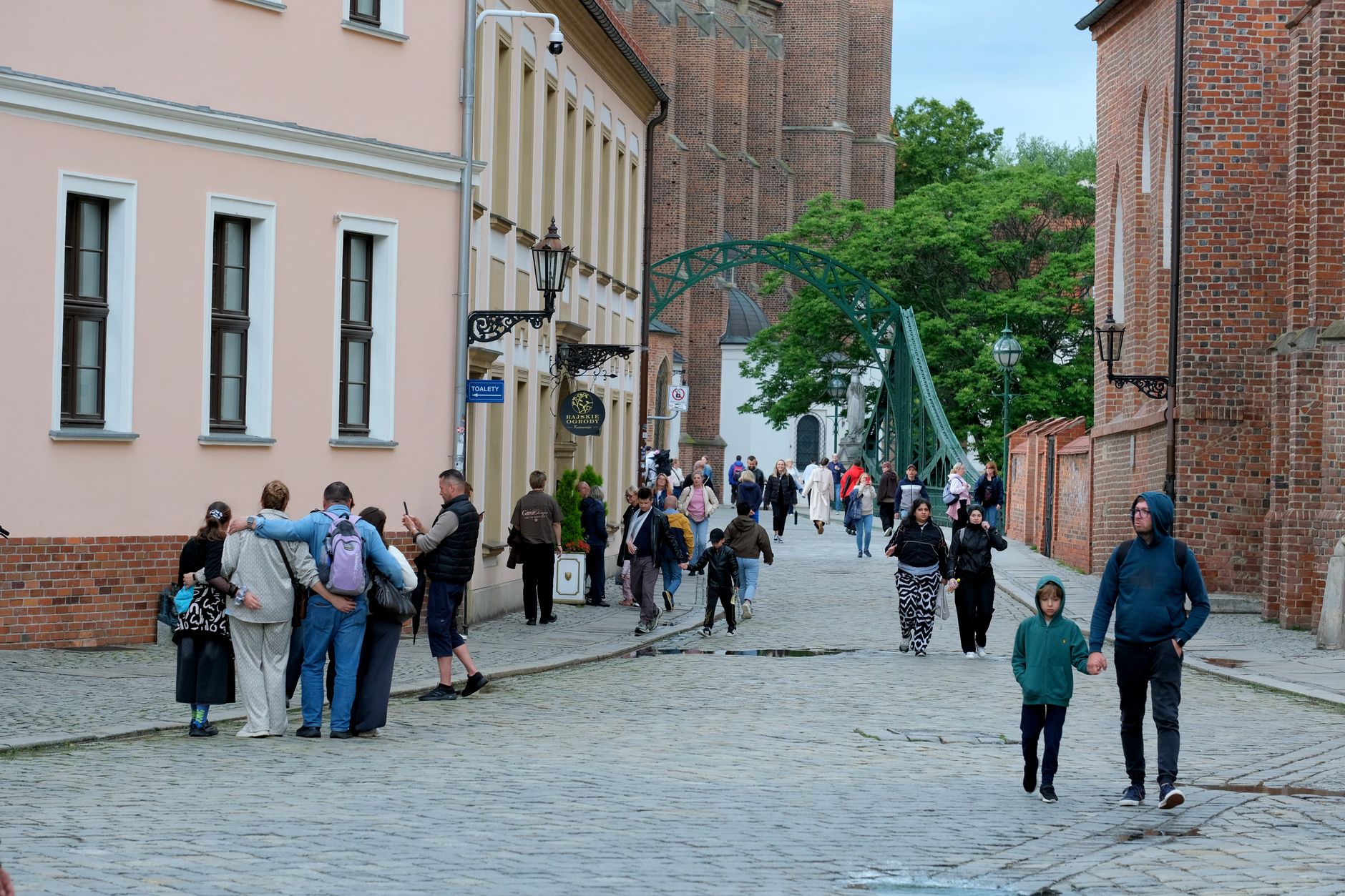
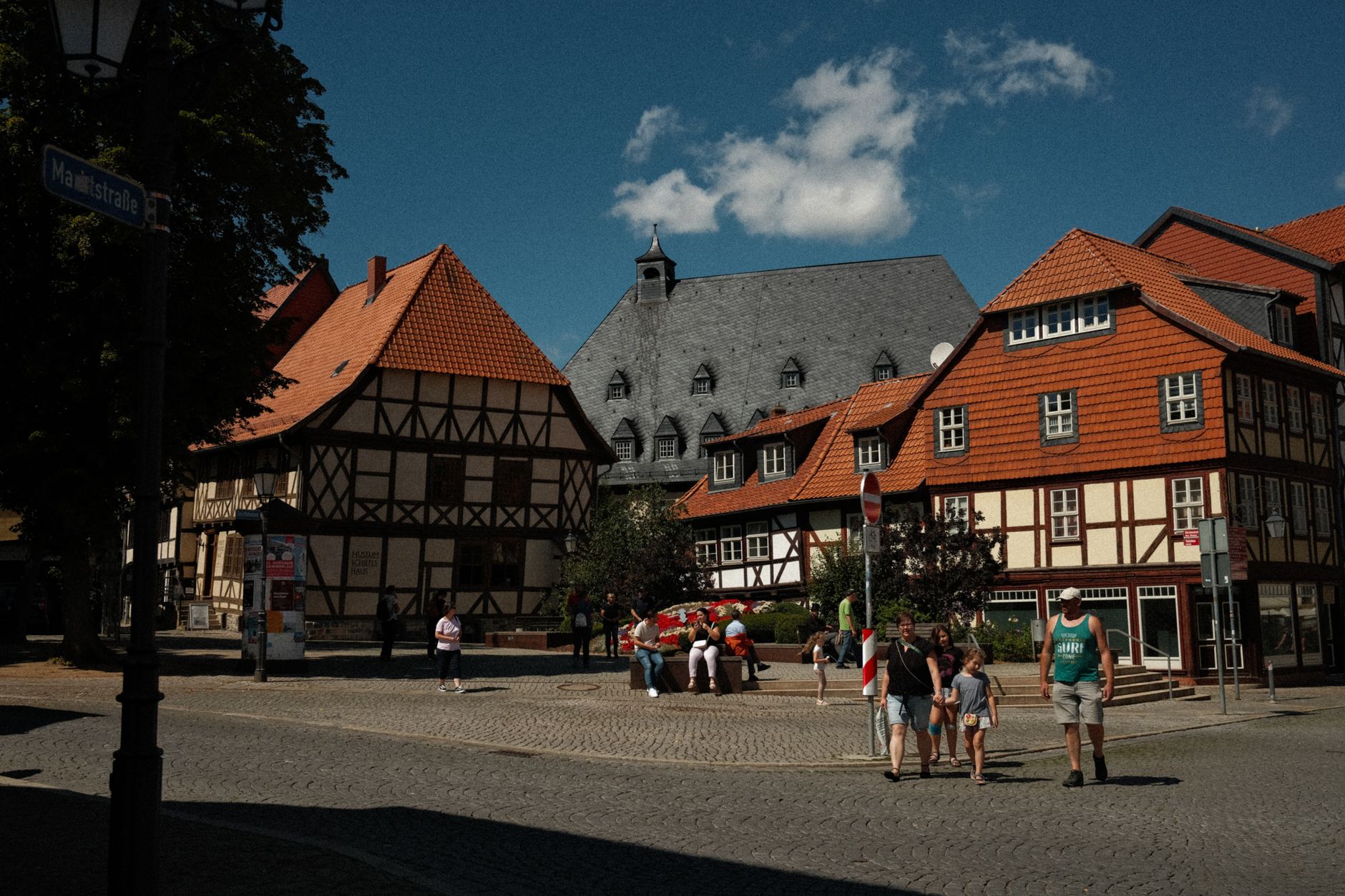
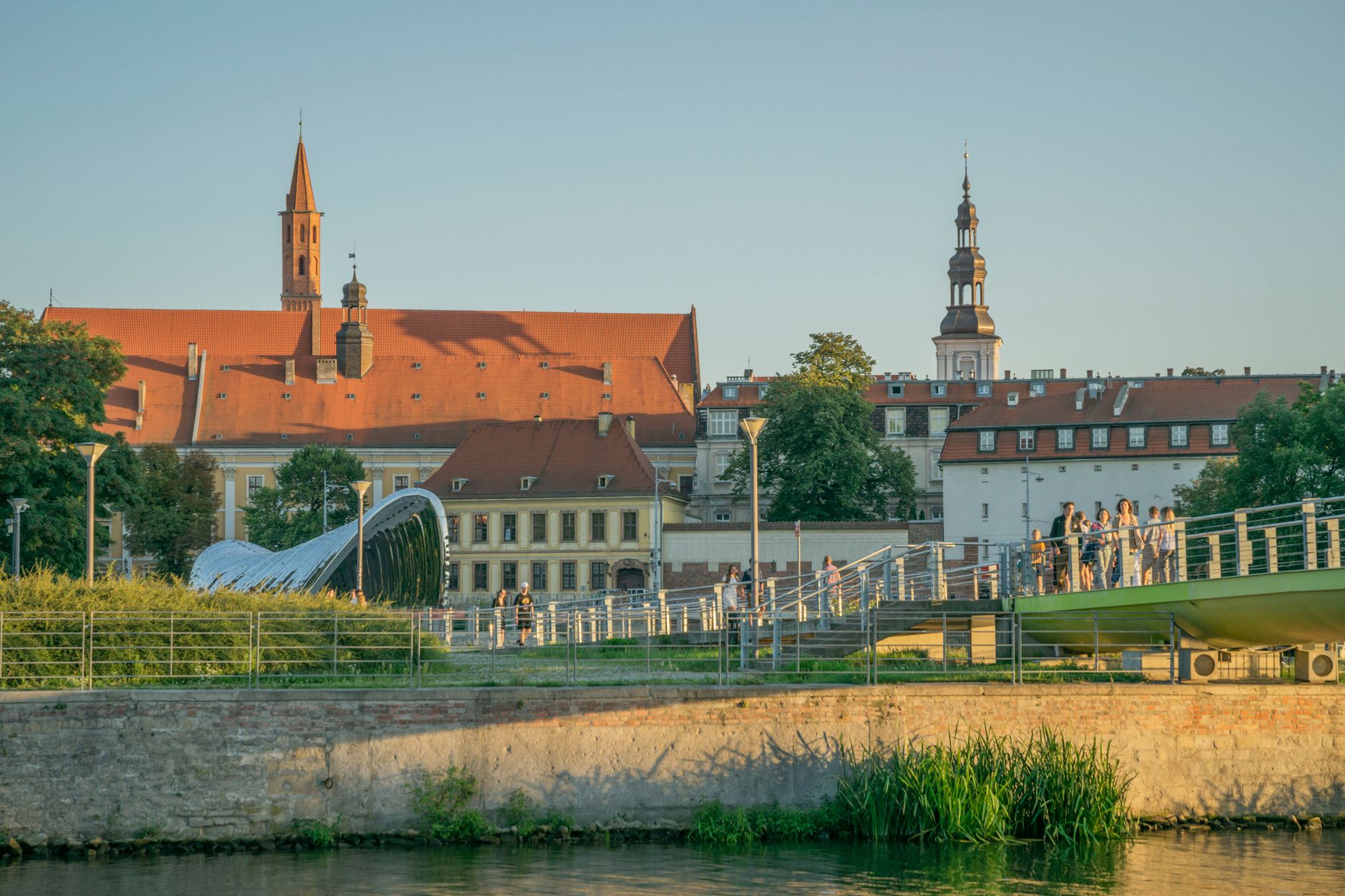
Ingolstadt earns its place on the map several times over, and on entirely different grounds each time. The Reinheitsgebot — the 1516 Bavarian purity law that still shapes how German beer is brewed — was written and signed here. Adam Weishaupt founded the Illuminati here, in 1776. And the car on your street corner, if it carries four interlocking rings, traces its lineage to a factory that reopened in this city in 1949 with Marshall Plan money.
The old town is compact enough to read in an afternoon: a late-Gothic cathedral whose twin towers stand at 62 and 69 metres, a 14th-century gate still anchoring the skyline, and a Baroque oratory ceiling that covers 460 square metres of painted allegory. The city is not performing for tourists, which makes the things it quietly contains all the more worth finding.
💛 What travellers fall for
People who come back tend to spend longer than planned at the Asamkirche Maria de Victoria — the flat ceiling fresco by Cosmas Damian Asam rewards standing still in different spots as the perspective shifts. The walk north from Hauptbahnhof along Bahnhofstrasse also has its converts: half an hour on foot rather than a bus, and the old town arrives on your own terms.
Deals in Ingolstadt
Book directly at the provider


How Ingolstadt came to be
The settlement appears in records as early as 806, a Carolingian crown estate called villa Ingoldestat. It received its town charter in 1250 and became a ducal seat in 1392. In 1472, Louis IX, Duke of Bavaria founded a university here that would eventually migrate to Landshut and then to Munich, where it survives today as LMU. During its Ingolstadt years, the institution was a significant force in the Counter-Reformation — the theologian Johann Eck, who debated Luther, taught here.
The city changed character again in the 19th century, rebuilt as a garrison and fortress town, then damaged in World War II. Its modern identity was shaped in 1949, when Auto Union re-established itself here with Marshall Plan support, setting the course for what became Audi.
Who and what shaped it
People who shaped it
Landmark buildings
See Ingolstadt in motion
Plan your visit
On the map
When to go
Summers reach around 26°C in July, with long days and the year's heaviest rainfall, so a light layer for afternoon storms is worth carrying. Winters are cold and dry, settling around 4°C in January — February is the driest month of the year.
Right now
Background & history adapted from Wikipedia (CC BY-SA) · specs from Wikidata (CC0) · weather from Open-Meteo · map data © OpenStreetMap contributors · photos from Wikimedia Commons / Unsplash with per-image credit. No third-party reviews or social posts reproduced.