
Ikebukuro
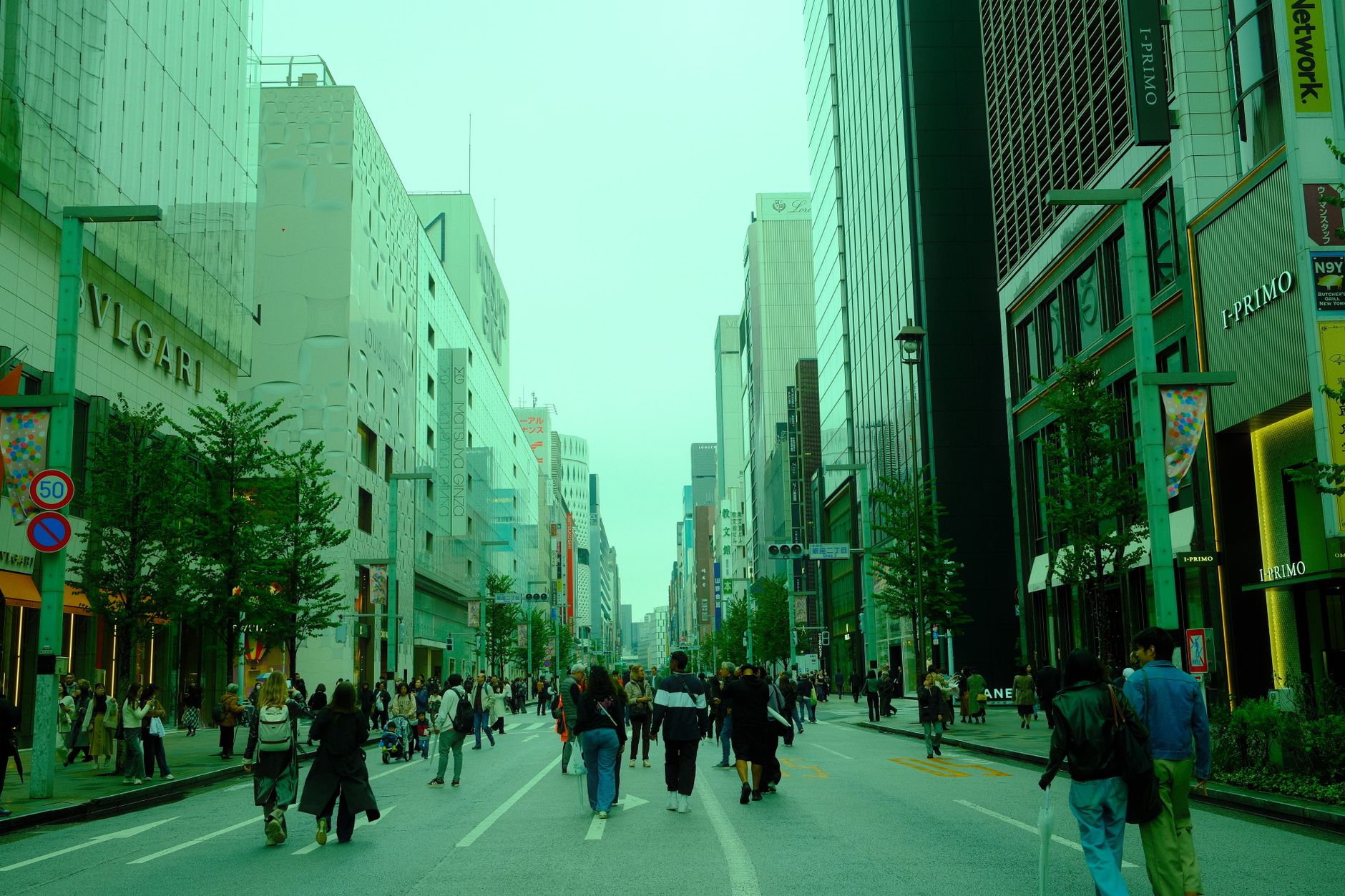
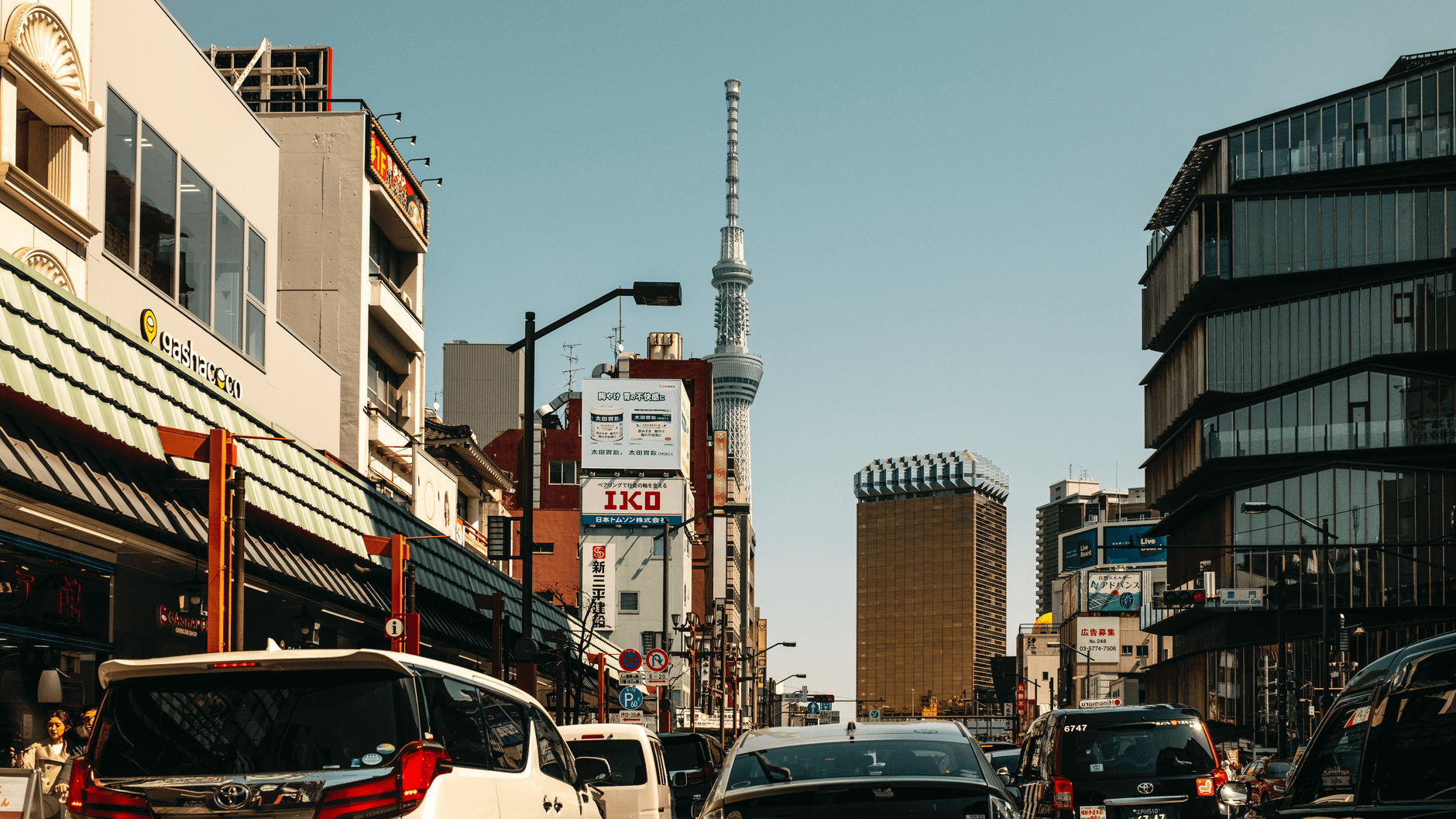
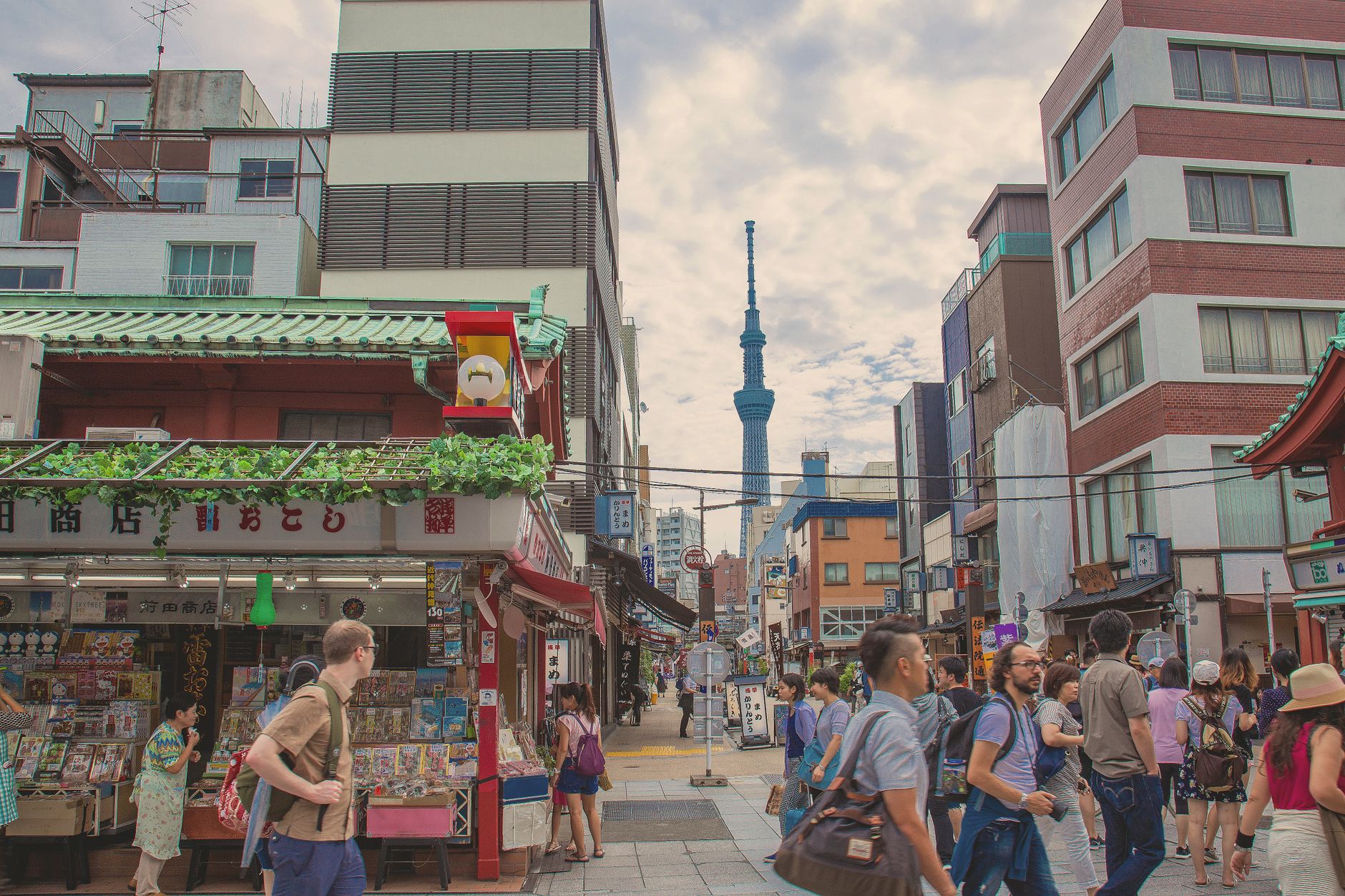
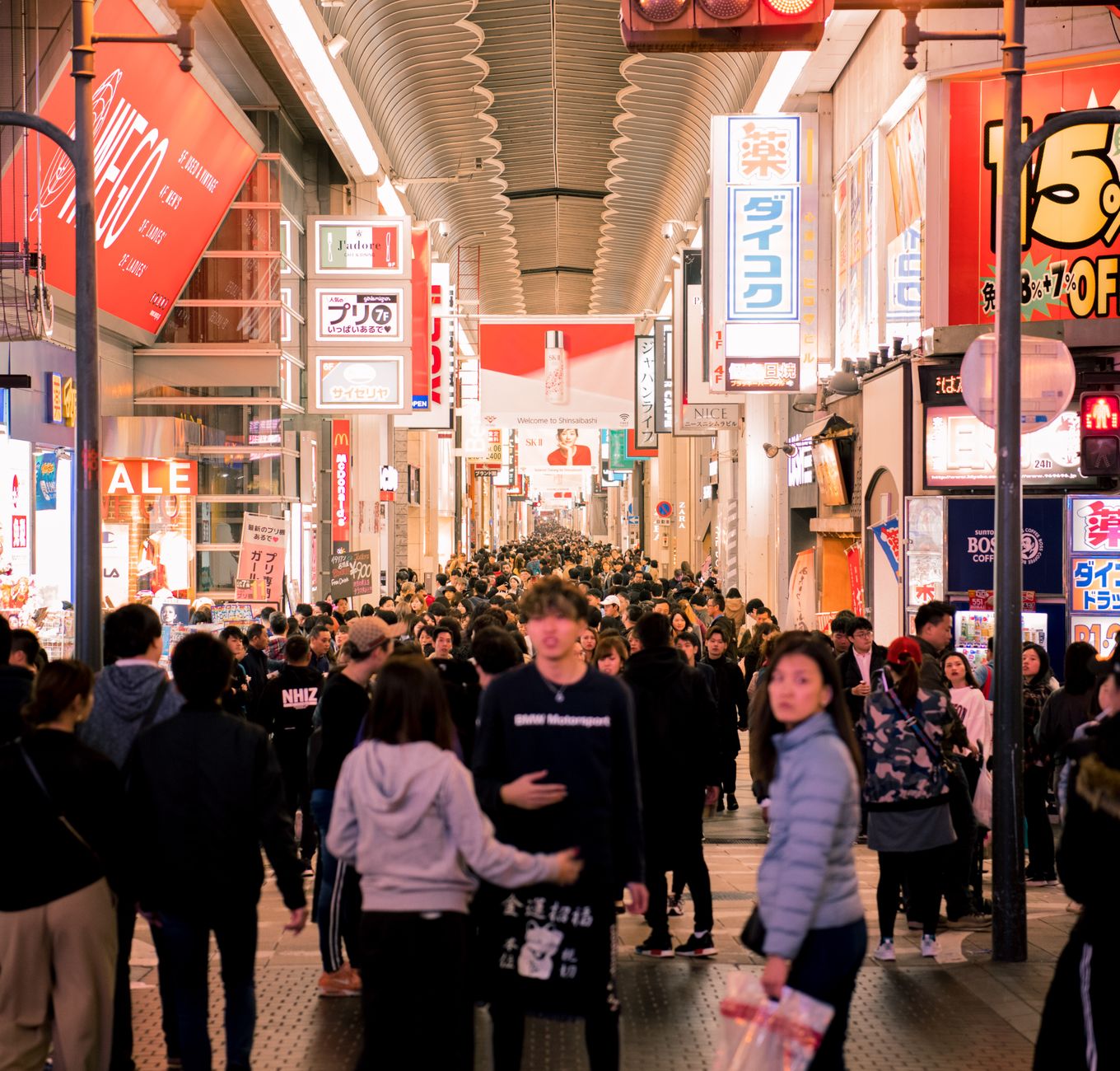
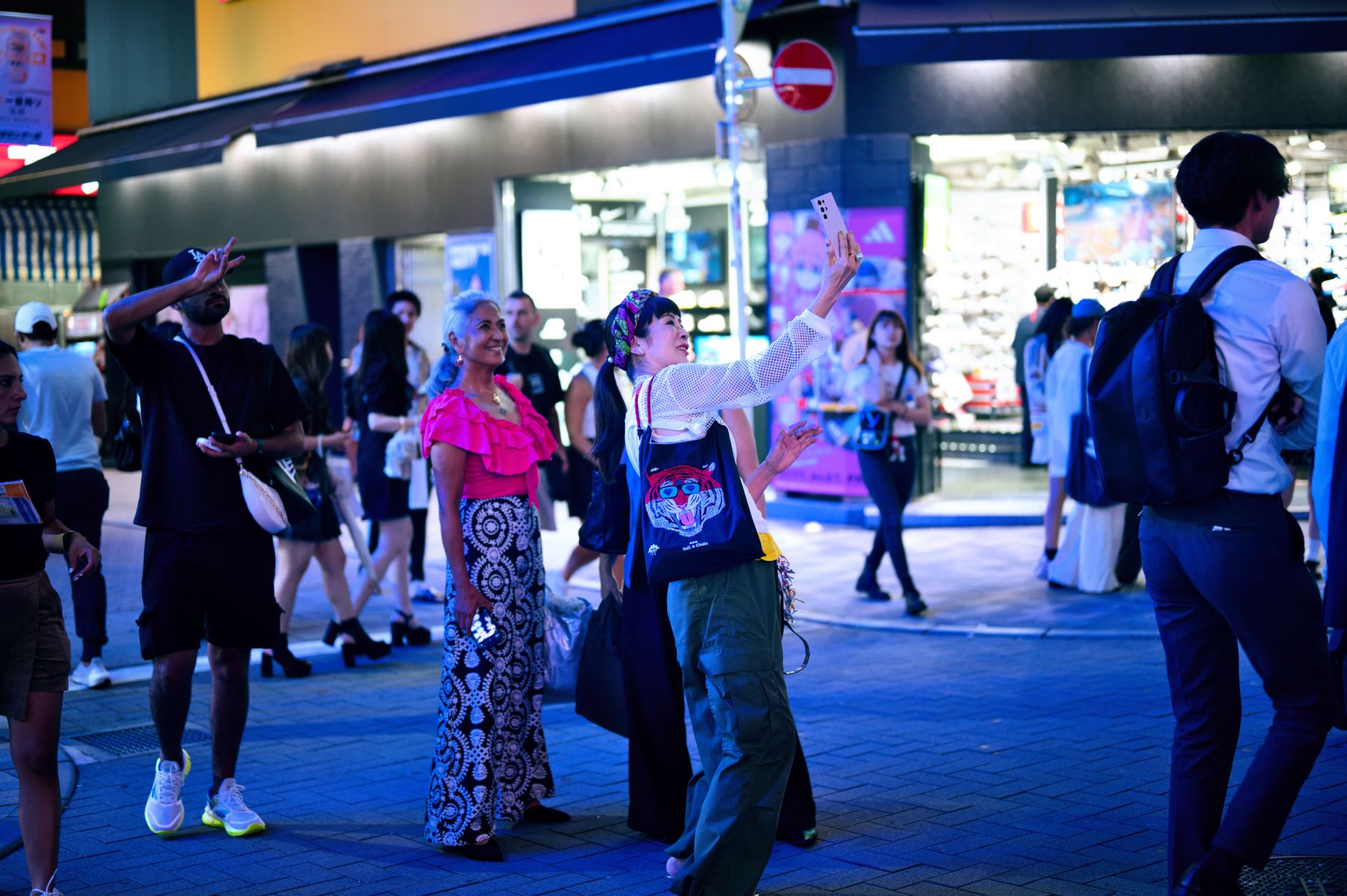
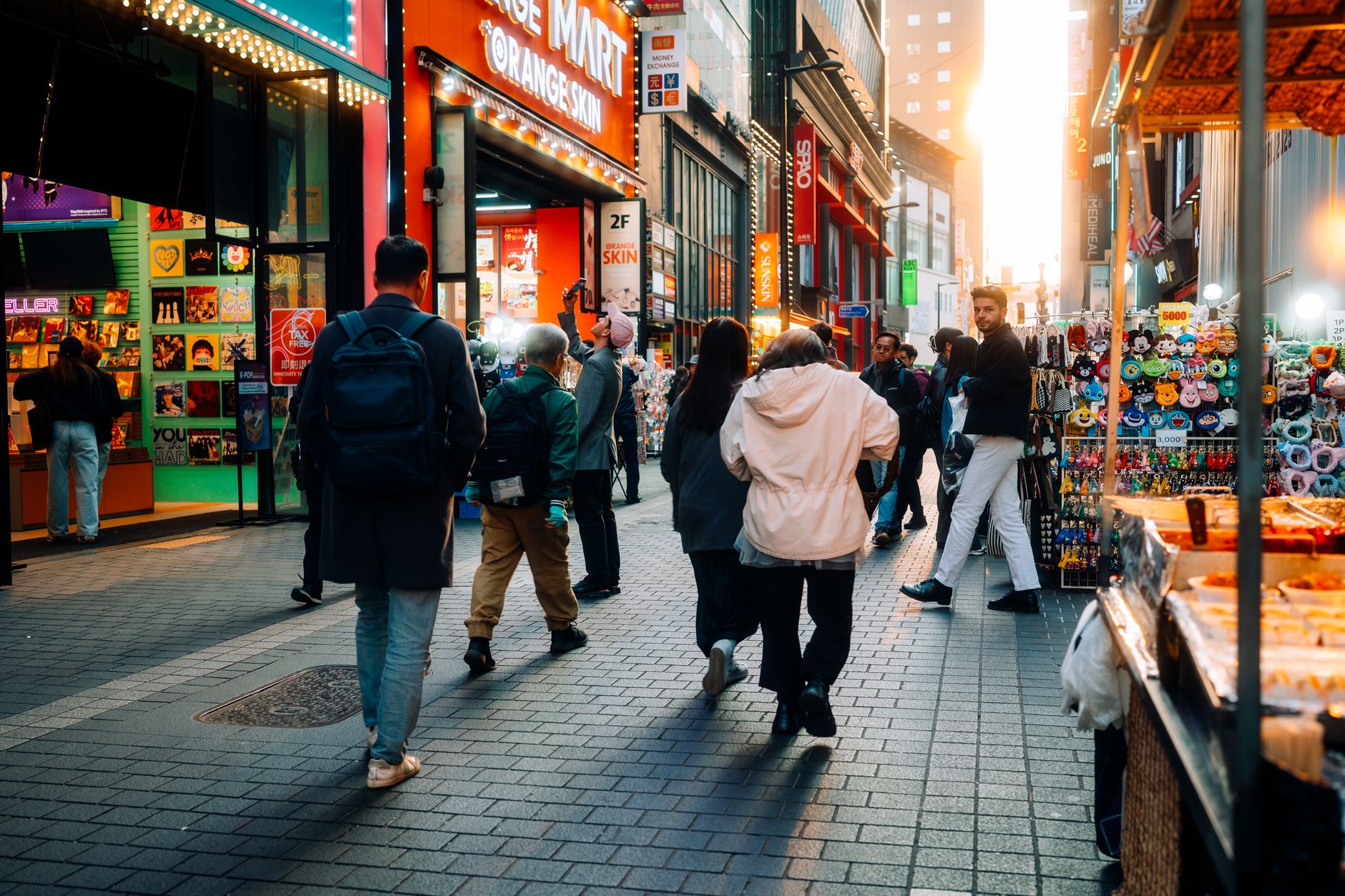
The name gives it away before you even arrive: Ikebukuro means 'pond bag,' a nod to the bag-shaped pond that once sat where the station's west exit now stands. That pond is long gone, replaced by one of the world's three busiest railway stations — 2.3 million people pass through on an average day — yet the neighbourhood has kept a character distinct from the louder claims of Shibuya or Shinjuku.
Ikebukuro runs on a productive tension between the commercial and the cultural. Department stores face each other across the tracks — Seibu to the east, Tobu to the west — while a few minutes' walk brings you to a Frank Lloyd Wright building, a classical Edo garden, and a street of anime shops aimed specifically at women. It is a place that rewards the curious walker.
💛 What travellers fall for
People who come back tend to time a visit around Rikugien Garden in late March, when the weeping cherry is lit after dark, then walk north to Otome Road the following morning before the crowds settle in. The 60th-floor Tenbou Park in Sunshine City is worth the trip for the northern Tokyo panorama — quieter than the observation decks further south.
Deals in Ikebukuro
Book directly at the provider
How Ikebukuro came to be
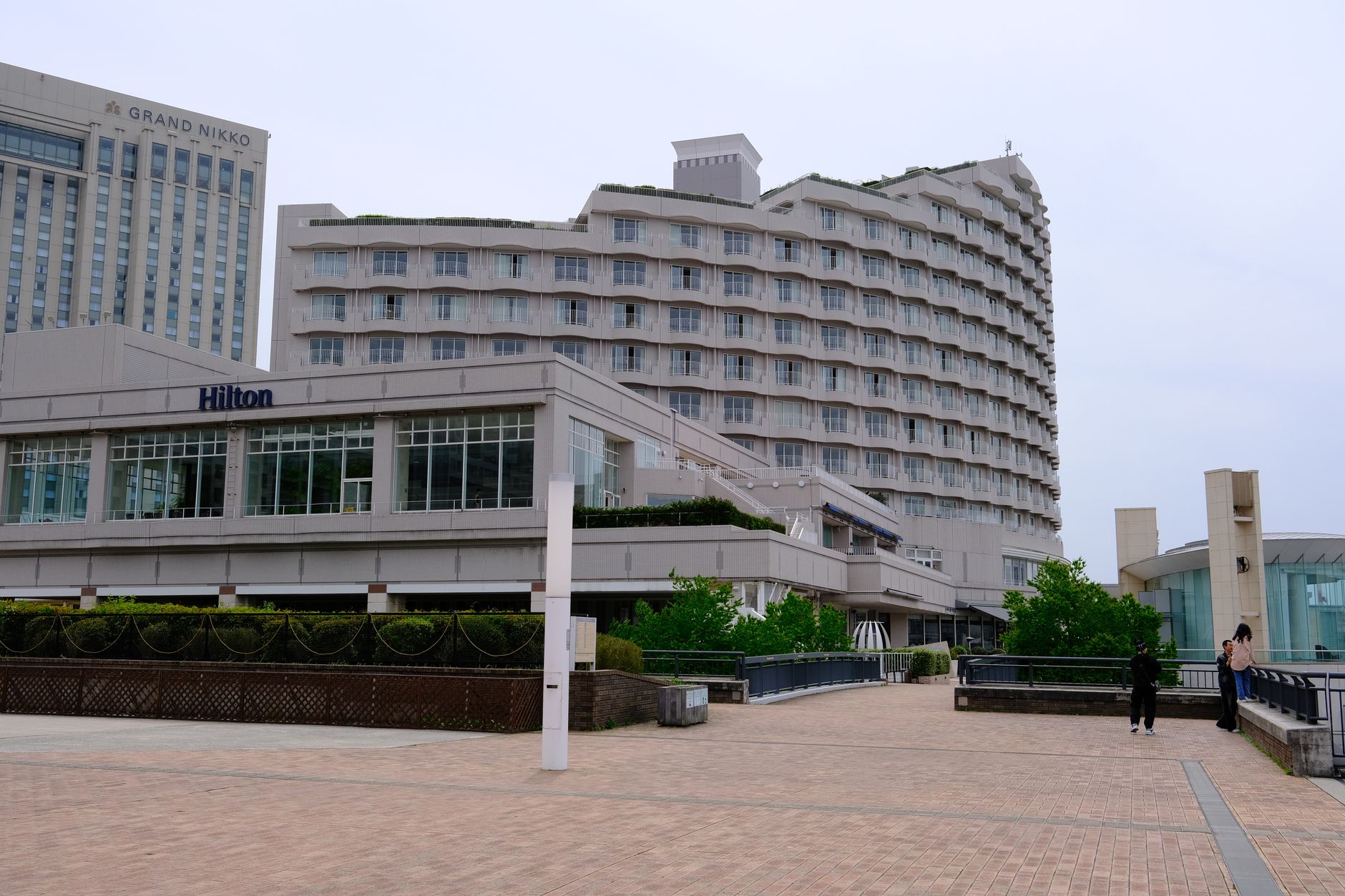
Most of what is now Ikebukuro was historically part of Sugamo, a farming district on the northwestern edge of Edo. The area reorganised administratively in 1932, when Toshima Ward was established and the old Ikebukuro-mura was absorbed into it. The arrival of rail connections accelerated everything: farmland gave way to department stores through the 1930s, and the relatively low land prices of the Taishō and Shōwa periods drew artists and foreign workers, giving the district an early cosmopolitan edge.
That openness has persisted. Since the 1980s, Ikebukuro has been a centre of Tokyo's Chinese community, and the neighbourhood's identity has continued to shift — Sunshine City opened in 1978 as Asia's tallest building at the time, and Hareza Ikebukuro, a cultural complex with eight theatres, opened in July 2020 on the site of the former Toshima Ward Office.
Who and what shaped it
People who shaped it
Landmark buildings
See Ikebukuro in motion
Plan your visit
On the map
When to go
Tokyo's seasons are distinct: spring (March–May) brings mild temperatures and cherry blossoms, summer (June–August) is hot and humid with a rainy stretch in June, autumn (September–November) offers clear skies and cooling air, and winter is dry and cool with occasional cold snaps. Rikugien Garden earns a visit in both spring and autumn.
Right now
Background & history adapted from Wikipedia (CC BY-SA) · specs from Wikidata (CC0) · weather from Open-Meteo · map data © OpenStreetMap contributors · photos from Wikimedia Commons / Unsplash with per-image credit. No third-party reviews or social posts reproduced.