
Ibaraki
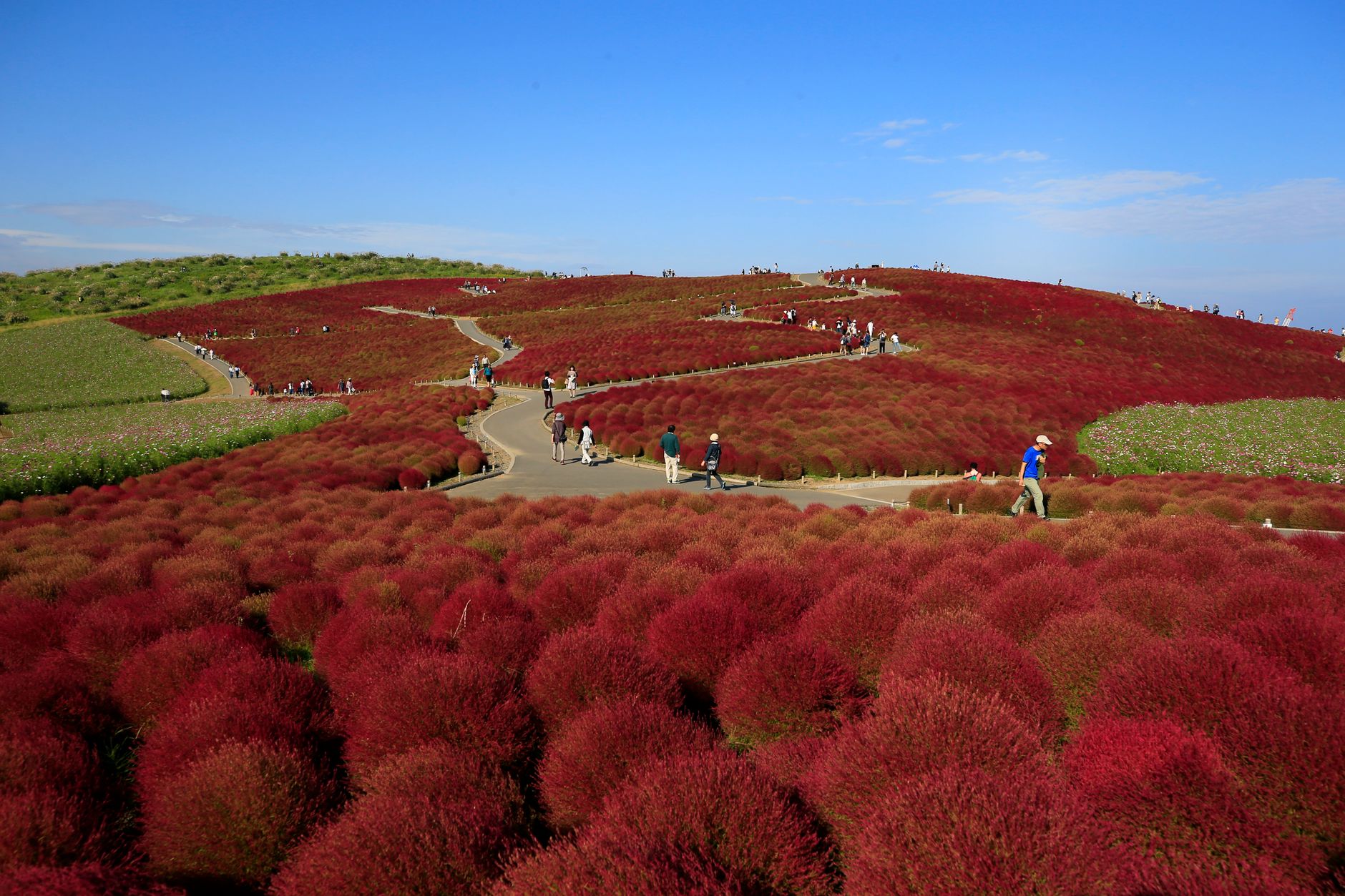
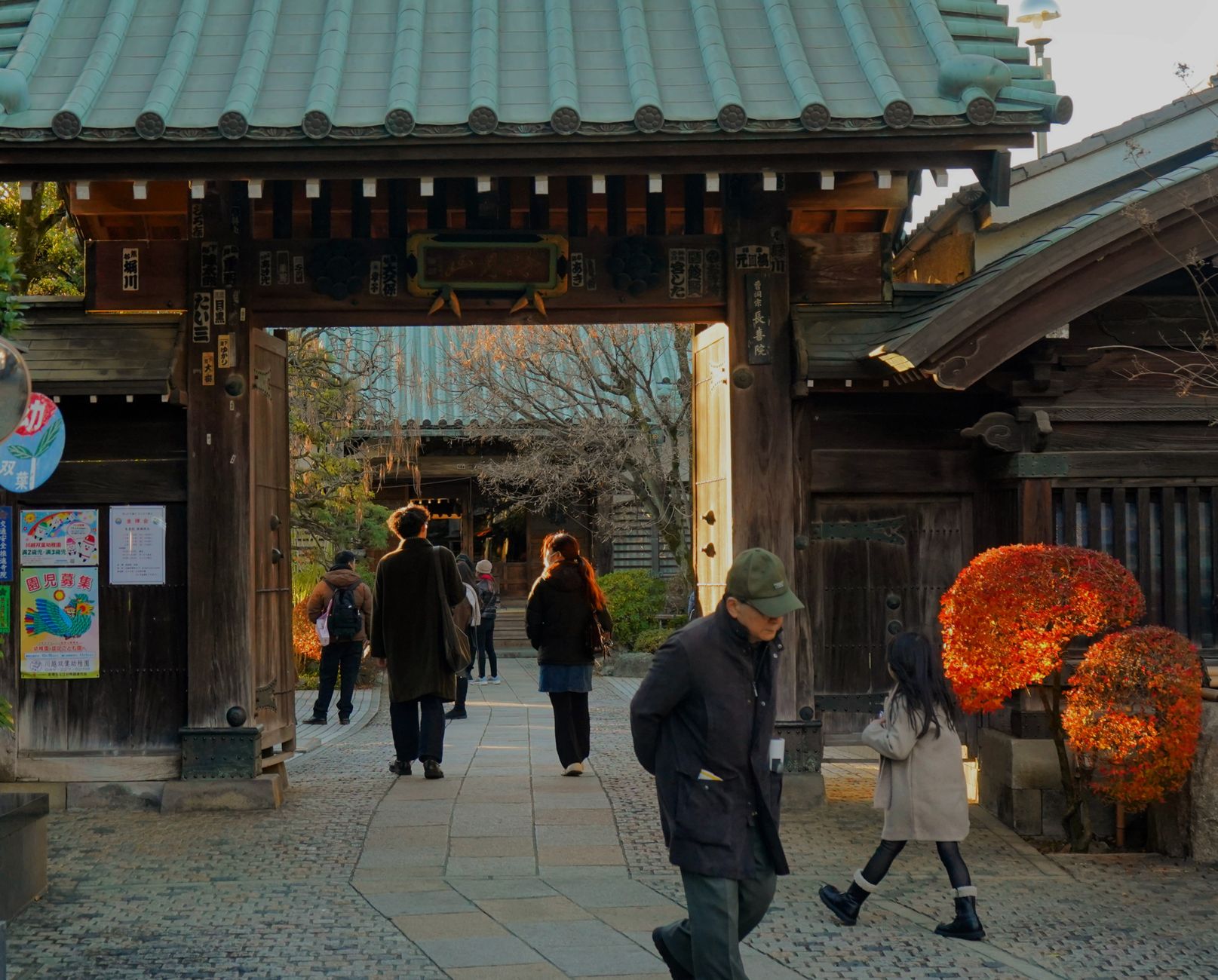
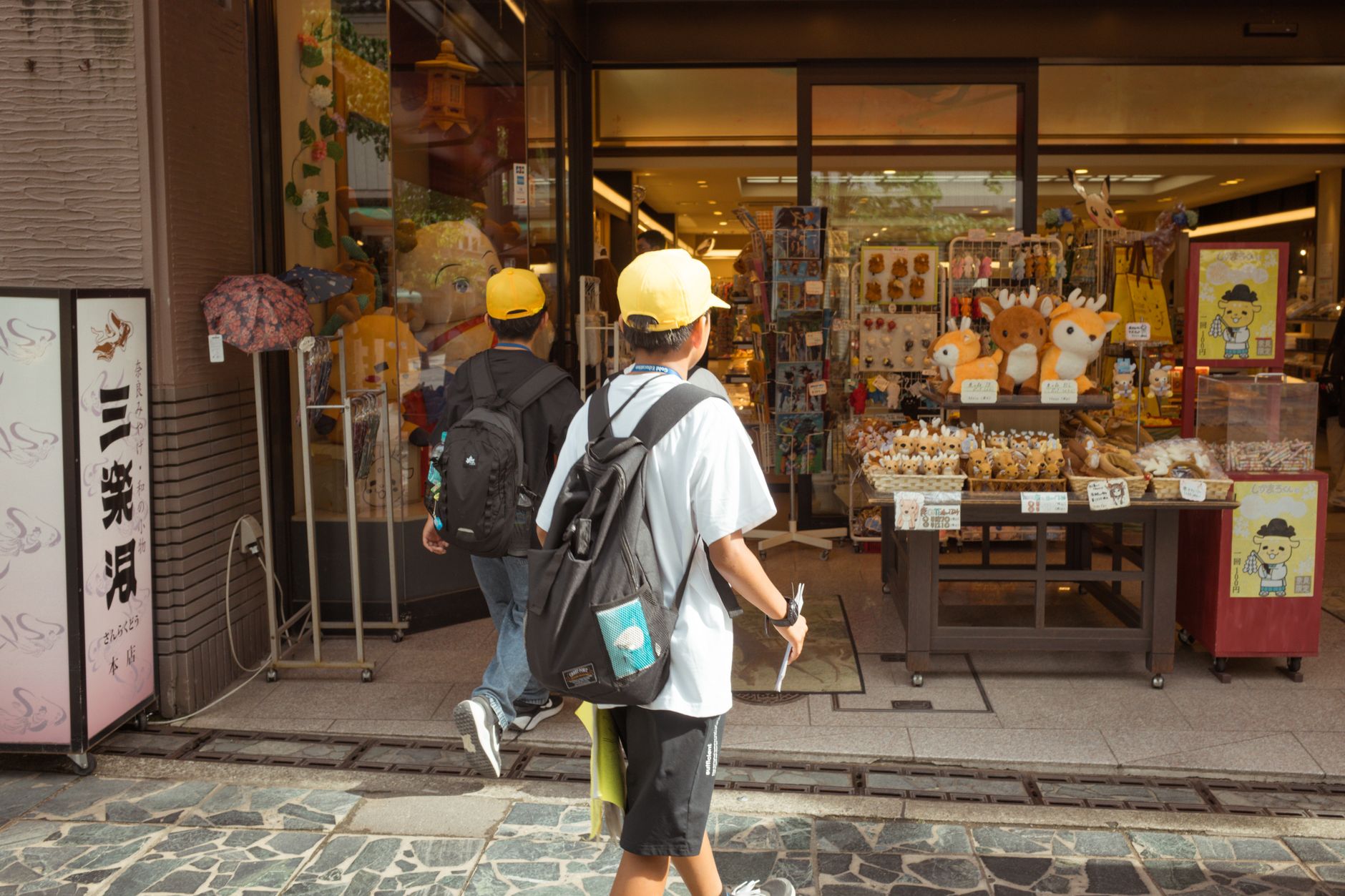
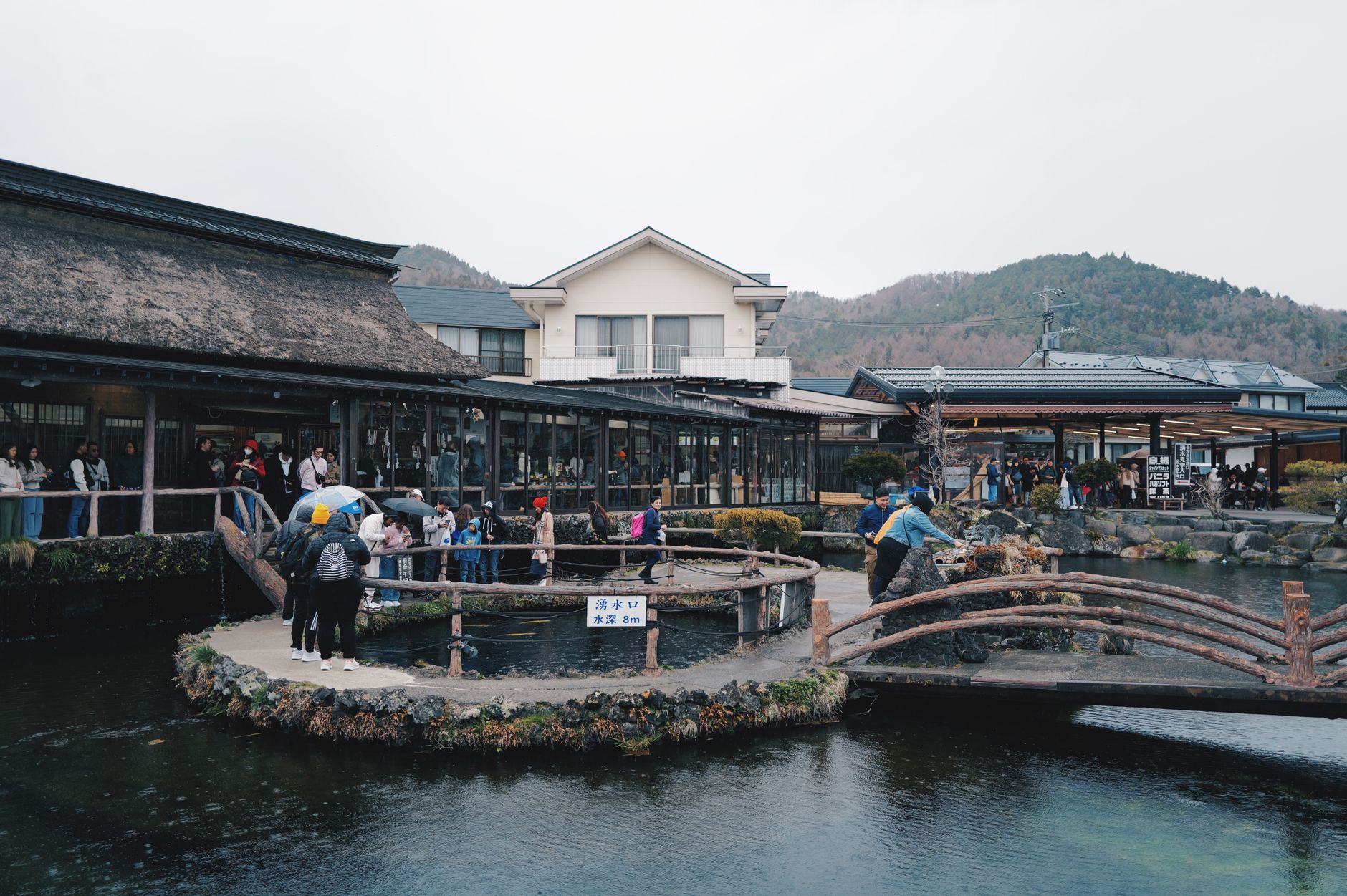
Thirteen minutes by train from Shin-Osaka and Ibaraki already feels like a different register — quieter streets, a restaurant axis connecting two stations where the ramen costs ¥250 and is made by two women who have been doing it longer than most visitors have been alive. This is a city that became a city only in 1948, yet the ground beneath it holds Kofun-period burial mounds and a castle lineage reaching back to the Muromachi era.
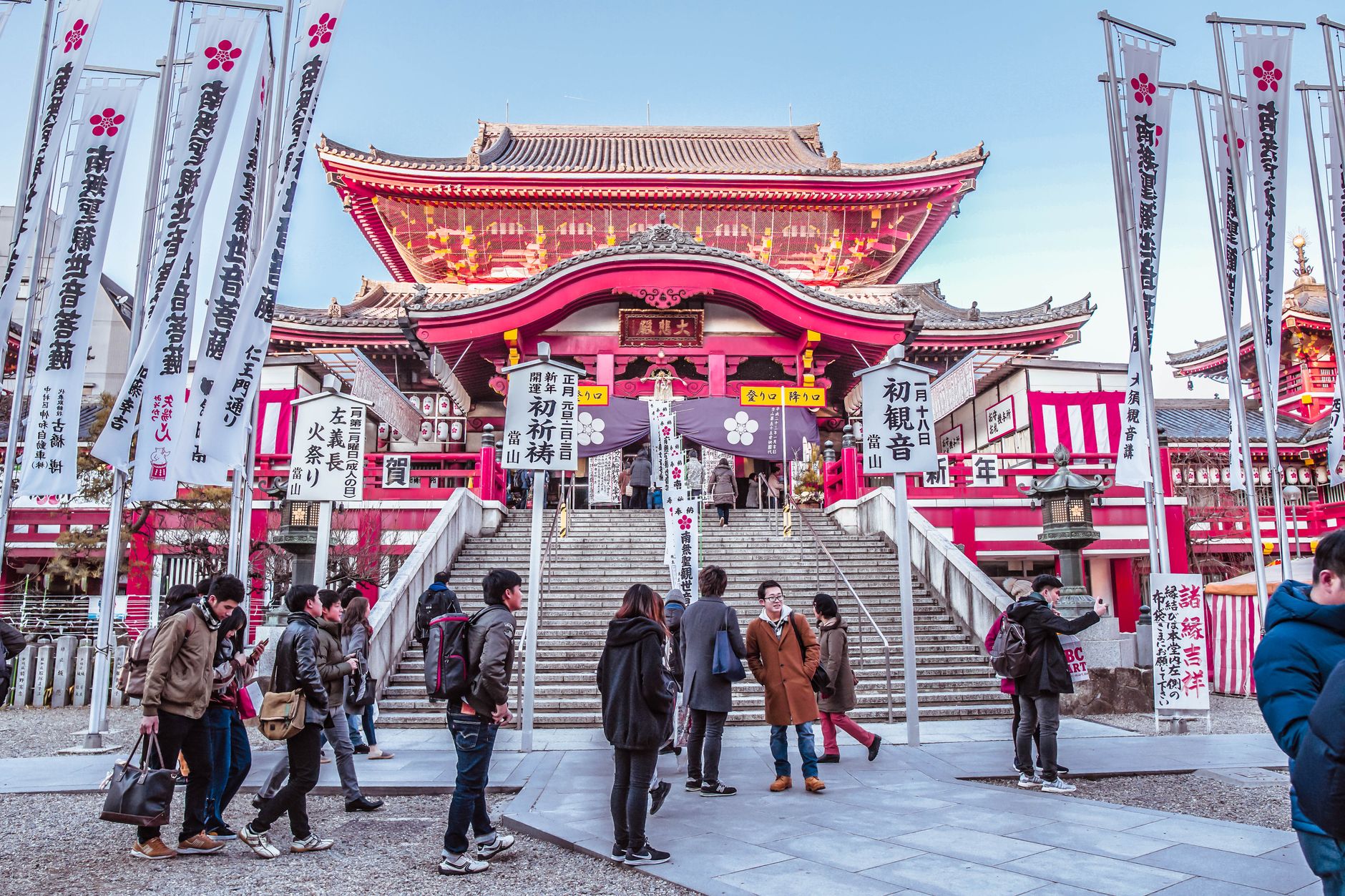
What draws people here, beyond the commuter convenience, is the particular combination of things: a Tadao Ando church you can step inside, a temple with cherry trees that turn pink in April and glow at night, a literature museum dedicated to a Nobel laureate who once walked these streets. Ibaraki doesn't perform for visitors, which is precisely why it rewards them.
💛 What travellers fall for
People who come back tend to time a return around April — the weeping cherry trees along the riverside path do something genuinely worth seeing, especially after dark when the illuminations are on. The other fixed point is August 8: the Bentenshu Meioji fireworks show runs exactly one hour starting at 7:30 PM, and regulars say the temple grounds are the place to watch from.
Deals in Ibaraki
Book directly at the provider
How Ibaraki came to be
The land that became Ibaraki sits in ancient Settsu Province, and people were living here through the Yayoi and Kofun periods — the Ota Chausuyama Kofun, designated as the mausoleum of Emperor Keitai, is evidence of how long this ground has been considered significant. During the first half of the Muromachi period, Kusunoki Masashige built Ibaraki Castle, and the castle town that grew around it laid the spatial logic for the modern city.
The administrative shape came much later: a village of Ibaraki was formally established in 1889 under Japan's new municipal system, raised to town status in 1898, and finally designated a city on January 1, 1948 — the 13th city in Osaka Prefecture. That compressed arc from village to city in under sixty years explains something about the place: it is both very old in its bones and quite young in its civic self-confidence.
Who and what shaped it
People who shaped it
Landmark buildings
See Ibaraki in motion
Plan your visit
On the map
When to go
Summers run warm and humid, with August averaging around 26°C; September is the wettest month, so pack accordingly if you visit in early autumn. Winters are cool rather than cold — January averages just under 3°C, and snow is rare enough to be an event when it comes.
Right now
Background & history adapted from Wikipedia (CC BY-SA) · specs from Wikidata (CC0) · weather from Open-Meteo · map data © OpenStreetMap contributors · photos from Wikimedia Commons / Unsplash with per-image credit. No third-party reviews or social posts reproduced.